Degenerative Myelopathy and the Corgi
The moment you notice your playful Corgi, usually so full of bounce, take an uncharacteristic stumble, or perhaps scuff a back paw, a chill can run down your spine. For Corgi owners, the fear of degenerative myelopathy (DM) is often a quiet, persistent worry. It's a progressive neurological disease that, unfortunately, impacts many of our beloved long-backed, short-legged companions. This guide aims to shed light on DM, from understanding its genetic roots to managing its progression, helping you navigate this challenging journey with knowledge and compassion.
Understanding Degenerative Myelopathy in Corgis
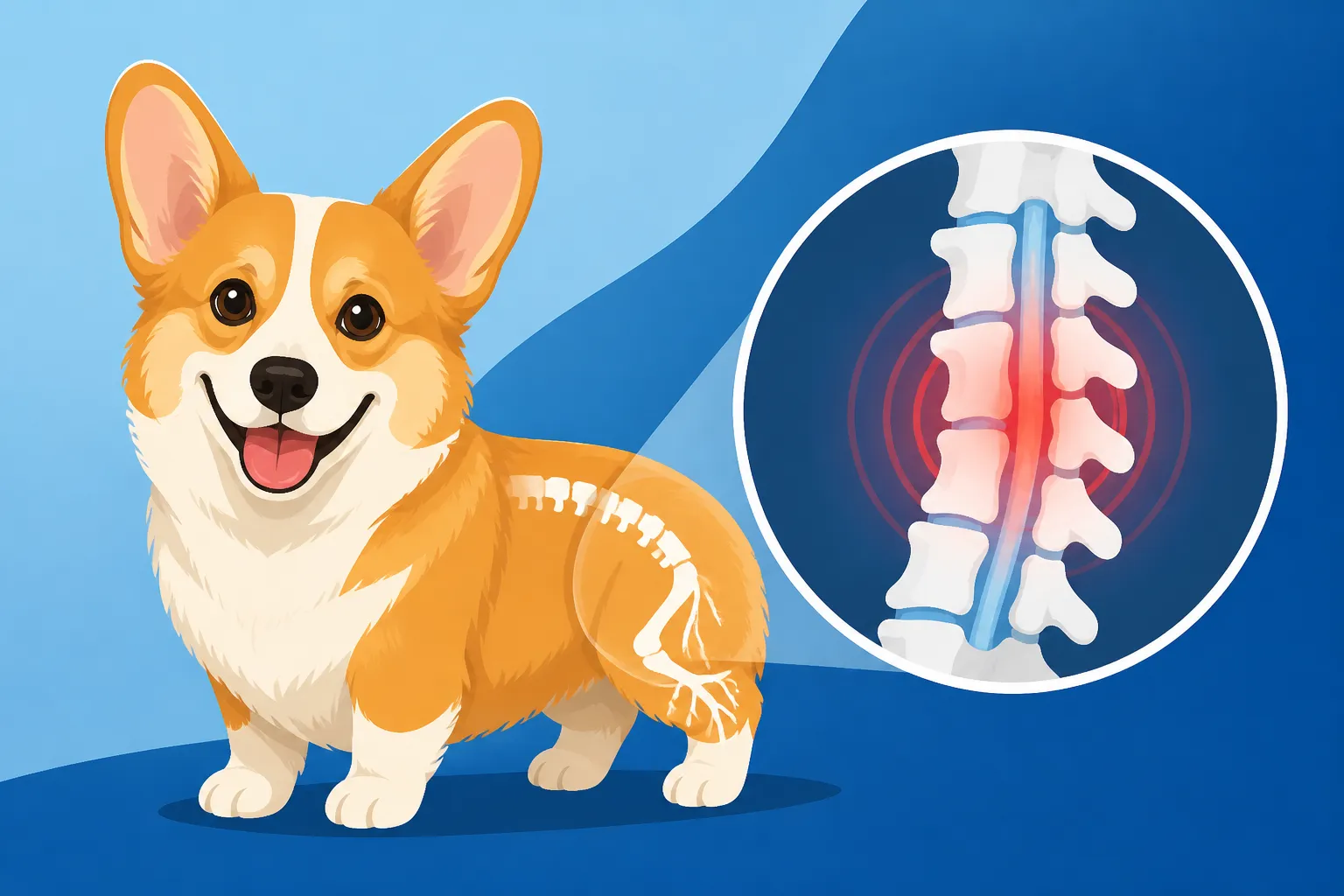
Degenerative Myelopathy (DM) is a cruel, progressive neurological disease that affects the spinal cord in many dog breeds, Corgis being prominent among them. It's often compared to Amyotrophic Lateral Sclerosis (ALS) in humans, given its relentless nature. This disease primarily targets the white matter of the spinal cord, responsible for transmitting movement commands from the brain to the limbs. When this white matter degenerates, the signals get scrambled or cease altogether, leading to a gradual loss of coordination and strength, especially in the hind limbs.
The heartbreaking reality of DM is that it’s not painful in itself, which can be a double-edged sword. While it spares our Corgis from physical agony, it robs them of their mobility and independence, leaving their minds sharp and alert even as their bodies fail. This can be incredibly difficult for owners to witness, feeling helpless as their once-vibrant companion slowly loses the ability to walk, stand, or even control their bladder and bowels. It’s a disease that progresses differently in every dog, but the eventual outcome is always the same: complete paralysis. Understanding this fundamental aspect helps owners prepare for the journey ahead and make informed decisions about care and quality of life.
What Degenerative Myelopathy Does to the Spinal Cord
At its core, DM is a neurodegenerative disease, meaning it involves the progressive loss of structure or function of neurons. In Corgis, and other predisposed breeds, the disease specifically attacks the insulating sheath (myelin) and nerve fibers within the spinal cord. Imagine the spinal cord as a superhighway of communication, with countless lanes (nerve fibers) carrying vital messages between the brain and the body. Myelin acts like the protective coating on electrical wires, ensuring these signals travel quickly and efficiently.
When DM strikes, this myelin breaks down, and the nerve fibers themselves begin to degenerate. It's like those highway lanes becoming degraded, full of potholes, or even completely blocked. The messages from the brain—telling a Corgi to lift a paw, wag its tail, or hold itself steady—can no longer get through effectively. This disruption leads to the clinical signs we observe: weakness, incoordination, and eventually, paralysis. The degeneration is typically most pronounced in the mid-thoracic region of the spine, which is why symptoms usually manifest in the hind limbs first, slowly creeping forward over time. It’s a silent, insidious process that attacks the very wiring of their nervous system.
Why Corgis Are Susceptible to DM
Corgis, particularly the Pembroke Welsh Corgi, are one of the breeds most commonly associated with Degenerative Myelopathy. This strong breed predisposition isn't just bad luck; it's rooted in genetics. The disease is linked to a specific genetic mutation in the SOD1 gene. While many breeds can carry this gene, its prevalence and expression seem particularly significant within the Corgi population. For generations, before genetic testing became widespread, the gene could unknowingly be passed down, concentrating it within the breed lines.
The short legs and long back of a Corgi, while undeniably charming, also contribute to unique biomechanical stresses on their spine. While these structural characteristics are more directly implicated in conditions like intervertebral disc disease (IVDD), they don't cause DM. However, a Corgi already dealing with spinal issues might show DM symptoms more prominently or have a harder time compensating. This combination of genetic predisposition and breed-specific physical traits makes understanding Corgi health, especially spinal health, paramount for any owner. It highlights the importance of responsible breeding practices and proactive care to support their unique physique throughout their lifespan.
The Genetics Behind Corgi DM
Understanding the genetics of Degenerative Myelopathy is crucial for both current Corgi owners and prospective puppy buyers. DM isn't a simple "yes" or "no" diagnosis based on observation alone; it's intricately linked to a specific genetic marker. The disease is primarily associated with a mutation in the superoxide dismutase 1 (SOD1) gene. This gene plays a vital role in protecting cells from damage, and when mutated, it can lead to the neurological degeneration seen in DM.
The inheritance pattern of DM is autosomal recessive. This means a Corgi must inherit two copies of the mutated gene (one from each parent) to be at risk of developing the disease. A dog inheriting only one copy is considered a "carrier" and generally does not develop DM themselves, though they can pass the gene to their offspring. This distinction is incredibly important for breeders, as it informs responsible breeding decisions aimed at reducing the prevalence of the disease within the Corgi gene pool. Knowing your Corgi's genetic status provides invaluable insight into their potential health trajectory and helps you prepare for what might lie ahead.
The SOD1 Gene Mutation Explained
The SOD1 gene mutation is the primary genetic culprit behind Degenerative Myelopathy. Dogs can have three possible genetic statuses related to this gene, often reported by genetic testing labs:
- Clear (N/N): These Corgis have two normal copies of the SOD1 gene. They will not develop DM due to this specific mutation, nor can they pass the mutated gene to their offspring.
- Carrier (A/N): These Corgis have one normal copy and one mutated copy of the SOD1 gene. They are generally considered healthy and will not develop DM themselves. However, they carry the gene and can pass it on to approximately 50% of their puppies. This is a critical status for breeders to understand.
- At-Risk (A/A): These Corgis have two copies of the mutated SOD1 gene. They are genetically predisposed to developing DM. It's important to note that at-risk does not mean will develop. Not all Corgis with two copies of the mutated gene will ultimately show clinical signs of DM in their lifetime. However, the vast majority of Corgis diagnosed with DM will have this A/A genotype.
This genetic testing allows breeders to make informed pairing decisions, aiming to produce puppies that are genetically clear or, at worst, carriers, thereby slowly but surely reducing the number of at-risk dogs in future generations. For more detailed information on interpreting results, you might find our article on Reading a Corgi SOD1 Test Result helpful.
Why a Corgi Carrying the DM Gene Usually Stays Well
It's a common misconception that if a Corgi carries the DM gene (meaning they are A/N), they will eventually develop the disease. This isn't the case, and it's a point of significant relief for many owners who might discover their dog is a carrier through routine genetic testing. As mentioned, DM has an autosomal recessive inheritance pattern. This means that a Corgi needs two copies of the mutated gene (A/A) to be considered "at-risk" for developing clinical signs of the disease.
A Corgi carrying only one copy of the mutated SOD1 gene (A/N) is just that – a carrier. They possess one normal gene that compensates, preventing the onset of the debilitating neurological symptoms associated with DM. These dogs live perfectly normal, healthy lives and will never show signs of DM themselves. Their significance lies solely in their potential to pass on that single mutated gene to their offspring if they are bred with another carrier or an at-risk dog. This is why responsible breeders meticulously test their breeding stock. For a deeper dive into this topic, consider reading Why a Corgi Carrying the DM Gene Usually Stays Well. It’s a crucial distinction that helps alleviate a lot of anxiety for owners of carrier Corgis.
How Many Corgis Carry the DM Mutation
The prevalence of the DM mutation within the Corgi breed can be quite significant, which is why genetic testing has become such a cornerstone of responsible breeding practices. While exact numbers can fluctuate based on specific populations tested and vary between Pembroke Welsh Corgis and Cardigan Welsh Corgis, studies have shown that a substantial percentage of Corgis carry at least one copy of the SOD1 mutation.
Some estimates suggest that a large portion, potentially even over 50%, of Pembroke Welsh Corgis might carry the gene (A/N), and a smaller but still notable percentage may be genetically at-risk (A/A). This high prevalence is precisely why the genetic test is so important. Without it, breeding two carriers together could result in 25% of the litter being at-risk (A/A), 50% being carriers (A/N), and only 25% being clear (N/N). This underscores the challenge breeders face in managing the gene while maintaining genetic diversity within the breed. To get a more precise understanding of the statistics, our article How Many Corgis Carry the DM Mutation delves into this prevalence in more detail. It’s a reminder that this isn’t a rare condition but a widespread genetic concern in the breed.
Recognizing the Early Signs of DM
Spotting the early signs of Degenerative Myelopathy in your Corgi can be incredibly challenging, not only because the progression is often gradual but also because the initial symptoms can mimic those of other common Corgi health issues, particularly those affecting the spine. It's a frustrating waiting game for many owners, as a definitive diagnosis usually only comes after ruling out a myriad of other conditions. However, being attuned to subtle changes in your Corgi's gait and behavior is critical. Early observation can lead to earlier veterinary consultation and a comprehensive diagnostic process.
The signs typically begin subtly, often in older Corgis, usually between the ages of 8 and 14 years, though it can sometimes appear earlier. Owners might dismiss initial stumbles as simply "getting old" or a minor sprain, not realizing they could be witnessing the insidious onset of a serious neurological disease. Understanding what to look for, and when to be concerned, empowers you to advocate for your Corgi's health.
Initial Stumbles and Loss of Coordination
One of the very first, and most heartbreaking, signs of DM in a Corgi is often a subtle change in their hind limb movement and coordination. You might notice your Corgi starting to stumble more frequently, especially on uneven terrain or after getting up from a rest. It's not a dramatic fall, but more of an awkwardness or clumsiness that wasn't there before. They might drag their back paws, leading to excessive wear on the top of their nails, or scuff their pads as they walk.
Another common observation is what's known as "proprioceptive deficits." This means your Corgi has trouble knowing where their feet are in space without looking. You might notice them crossing their back legs when standing still, or taking unusual, wide stances to maintain balance. Some owners describe their Corgis swaying slightly even when standing still. If you gently pick up one of your Corgi's back paws and place it with the top of the foot on the ground, a healthy Corgi will immediately correct it. A Corgi with early DM might take longer to correct or not correct it at all. These seemingly minor changes are often the first whispers of a deeper neurological issue. For a comprehensive look at these initial changes, check out our guide on The First Signs of DM in a Corgi.
Differentiating DM from Other Back Problems
This is perhaps the most challenging aspect of early DM detection: distinguishing it from other common Corgi back issues, particularly intervertebral disc disease (IVDD) or other forms of spinal injury. Corgis, with their chondrodystrophic (long-backed, short-legged) conformation, are highly prone to disc problems. A slipped, bulging, or ruptured disc can cause similar symptoms to DM, including hind leg weakness, incoordination, and even paralysis. However, there are some key differences.
A crucial distinction lies in pain. IVDD often, though not always, presents with acute pain. Your Corgi might cry out when touched, become reluctant to move, or show signs of discomfort when lifted. DM, on the other hand, is generally not painful. The nerve degeneration itself doesn't cause pain, which can ironically delay diagnosis because owners might not perceive the urgency of a "painless" stumble. Another difference is the progression. IVDD can often have a sudden onset or acute worsening, while DM is almost always a slow, insidious progression over months or even years. However, a Corgi can have both conditions simultaneously, complicating the picture further. This is why a thorough veterinary examination, including neurological assessment and imaging, is absolutely essential. Our article, Telling a Corgi's Slipped Disc From Myelopathy provides an in-depth comparison to help owners understand these critical differences.
Diagnosing DM: The Path to Confirmation
Receiving a diagnosis of Degenerative Myelopathy for your beloved Corgi is a devastating moment for any owner. The path to this diagnosis is often long and fraught with anxiety, primarily because DM is largely a diagnosis of exclusion. There is no single, simple test that can definitively confirm DM in a living dog. Instead, veterinarians, particularly those specializing in neurology, must systematically rule out all other potential causes of spinal cord dysfunction. This process requires a comprehensive approach, combining clinical signs, neurological examinations, advanced imaging, and genetic testing.
The frustration for owners during this diagnostic journey is palpable. You want answers, a clear path forward, but the nature of DM means that definitive answers are often elusive until much later. This section will guide you through the typical diagnostic steps your vet will take, explaining why each step is necessary and what it aims to achieve in narrowing down the possibilities.
The Role of Neurological Examinations
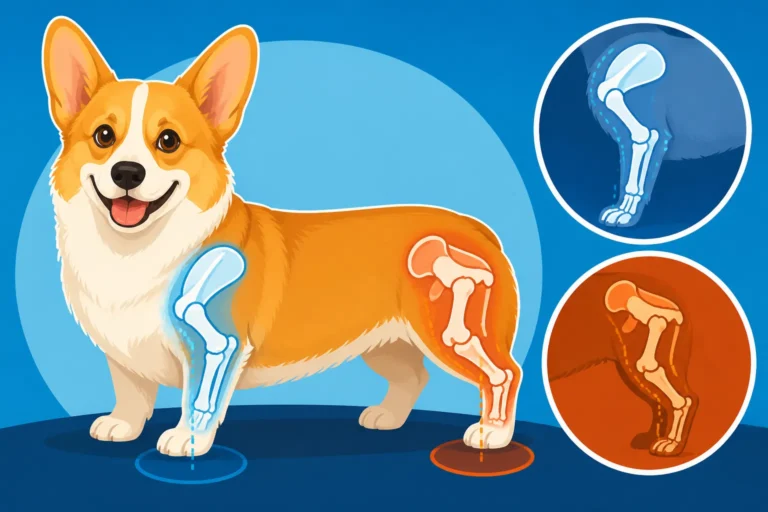
When you first bring your Corgi to the vet with suspected DM symptoms, a thorough neurological examination will be the starting point. This exam is designed to assess your Corgi's reflexes, muscle tone, gait, coordination, and proprioception (their sense of body position). The vet will observe how your Corgi walks, stands, and responds to various stimuli. They'll perform tests like the "knuckling test," where they flip your Corgi's paw over to see how quickly it's corrected, or watch for crossing of the hind limbs.
These physical tests help the veterinarian pinpoint the area of the nervous system that is affected. In cases of DM, the exam typically reveals hind limb weakness (paresis), loss of coordination (ataxia), and diminished proprioception, often without significant pain response. As the disease progresses, these deficits become more pronounced and may eventually extend to the front limbs, though this is less common. The neurological exam provides the first critical clues, helping to differentiate between upper motor neuron disease (which DM is) and lower motor neuron disease, and guiding further diagnostic steps.
Advanced Imaging: Ruling Out Other Conditions
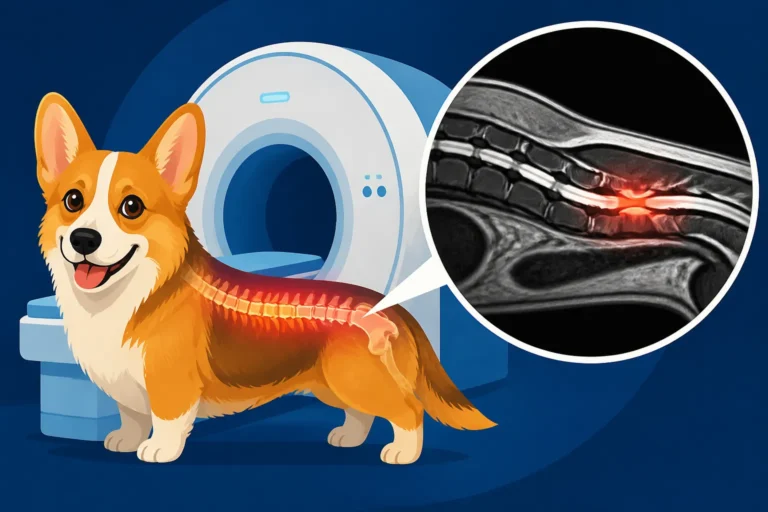
Once a neurological examination suggests a spinal cord issue, the next crucial step is often advanced imaging, such as an MRI (Magnetic Resonance Imaging) or CT (Computed Tomography) scan. These imaging techniques are vital because they allow the veterinarian to visualize the spinal cord and surrounding structures in detail. The primary goal of these scans in a suspected DM case is not to diagnose DM directly, but rather to rule out other treatable or manageable conditions that could be causing similar symptoms.
For Corgis, a common concern is intervertebral disc disease (IVDD), spinal tumors, infections, or cysts, all of which can compress the spinal cord and lead to neurological deficits. An MRI, for example, can clearly show disc herniations, inflammation, or masses that might be putting pressure on the spinal cord. If these conditions are identified, they may be treatable through surgery, medication, or other interventions. If the advanced imaging of the spinal cord appears relatively normal, despite significant neurological signs, it strengthens the suspicion of DM. This "normal" appearance, after excluding other pathologies, becomes a key piece of the puzzle. The cost of these scans can be considerable, so many owners find that pet insurance policies, such as those offered by Healthy Paws, can be invaluable in managing these diagnostic expenses.
Genetic Testing and Definitive Diagnosis
The SOD1 genetic test is a powerful tool in the diagnostic process for DM, but it’s crucial to understand its limitations regarding a definitive diagnosis in a living Corgi. The genetic test can identify if your Corgi is "at-risk" (A/A) for DM, meaning they have two copies of the mutated gene. If your Corgi is showing clinical signs consistent with DM, and is genetically at-risk, and all other possible causes have been ruled out via neurological exam and advanced imaging, then a presumptive diagnosis of DM can be made.
However, the only truly definitive diagnosis of DM can be made posthumously through a histopathological examination of the spinal cord tissue. This involves examining spinal cord sections under a microscope after the dog has passed away, looking for the characteristic lesions and degeneration associated with DM. This reality can be incredibly frustrating for owners, as it means living with a degree of uncertainty while their dog is alive. Nevertheless, the combination of clinical signs, a clear neurological picture, exclusion of other conditions, and a positive genetic test (A/A) provides the strongest possible presumptive diagnosis, allowing owners to move forward with management and care. For more information on this, refer to Confirming Corgi Myelopathy Without a Post-Mortem.
| Diagnostic Tool | What It Checks | What It Reveals for DM | Limitations/Notes |
|---|---|---|---|
| Neurological Exam | Reflexes, gait, coordination, proprioception | Hind limb weakness, ataxia, scuffing, no pain | Can suggest spinal issue, but not specific to DM. |
| Blood Work/Urinalysis | General health, rule out metabolic issues | Normal for DM, rules out other diseases | Essential to ensure no other systemic illness is causing symptoms. |
| X-rays | Bone structure, severe disc space narrowing | Normal or unrelated findings for DM | Limited for soft tissue, cannot visualize spinal cord directly. |
| MRI/CT Scan | Detailed spinal cord, discs, nerve roots | Normal spinal cord appearance in DM | Primarily used to rule out compressive lesions (IVDD, tumors). Expensive. |
| CSF Tap | Cerebrospinal fluid analysis | Normal for DM, rules out inflammatory/infectious conditions | Used to exclude meningitis, GME, etc. |
| SOD1 Genetic Test | Presence of DM-associated gene mutation | Identifies "at-risk" (A/A) status | Does not confirm clinical DM; some A/A dogs never show signs. |
| Post-mortem Histopathology | Microscopic examination of spinal cord tissue | Definitive signs of axonal and myelin degeneration | Only definitive way to confirm DM; done after death. |
Managing Life with a Corgi with DM
Receiving a presumptive diagnosis of Degenerative Myelopathy is a heartbreaking moment, but it's not the end of the road for your Corgi. While there is currently no cure for DM, there are many proactive steps you can take to manage the disease's progression, maintain your Corgi's quality of life, and ensure they remain comfortable and happy for as long as possible. The focus shifts from curing to caring, embracing supportive therapies and making thoughtful adjustments to their daily environment. This transition can be challenging emotionally, but armed with knowledge and a supportive veterinary team, you can provide the best possible care for your beloved companion.
The journey with a DM-affected Corgi is often characterized by gradual changes, requiring ongoing adaptation. It's about preserving their independence, mobility, and dignity, even as their body weakens. This section will explore the various ways you can support your Corgi through the stages of DM, from physical therapy to assistive devices and environmental modifications.
Physical Therapy and Exercise Adaptations
One of the most crucial aspects of managing DM in Corgis is maintaining muscle mass and mobility for as long as possible. While exercise won't stop the underlying nerve degeneration, it can significantly slow down muscle atrophy (wasting) and keep your Corgi's body stronger, allowing them to compensate for their neurological deficits more effectively. A regular, controlled exercise program, tailored to your Corgi's current abilities, is vital. This is not about vigorous activity, but rather about gentle, consistent movement.
Activities like short, leashed walks on stable ground, controlled swimming, or underwater treadmill therapy (hydrotherapy) can be incredibly beneficial. Hydrotherapy, in particular, allows for low-impact exercise that supports their body weight, reduces stress on joints, and encourages full range of motion. Physiotherapy for a Corgi losing its legs often involves specific exercises designed to strengthen core muscles, improve balance, and maintain hind limb function. Your vet or a certified canine rehabilitation therapist can design a personalized program. They might also incorporate techniques like therapeutic massage or passive range of motion exercises to prevent joint stiffness and maintain flexibility. These interventions are often covered by pet insurance like Healthy Paws, helping to make ongoing care more accessible.
Mobility Aids and Environmental Modifications
As DM progresses, your Corgi will inevitably lose more strength and coordination in their hind legs, making daily activities like walking, standing, and even getting up from a lying position increasingly difficult. This is where mobility aids and thoughtful environmental modifications become indispensable. These tools are designed to provide support, prevent falls, and enhance your Corgi's independence.
One of the most common and effective aids is a support harness or sling. These can be used to provide manual support to their hindquarters during walks or to help them get up. As the disease advances, a dog wheelchair or cart can be a life-changing device. These carts allow Corgis who can no longer use their back legs to remain mobile, active, and enjoy walks and outdoor adventures. Companies like Walkin' Pets or Eddie's Wheels offer custom-fit solutions that can make a huge difference.
Beyond direct aids, modifying your home environment is crucial. Lay down non-slip rugs or runners on slick floors (hardwood, tile) to provide traction and prevent slips and falls, which can exacerbate existing issues or cause new injuries. Invest in an orthopedic bed to support their joints and spine. Consider installing ramps for stairs or furniture your Corgi used to jump on, to eliminate risky maneuvers. Raised food and water bowls can also make eating and drinking more comfortable as standing becomes harder. The goal is to create a safe, accessible, and comfortable environment that minimizes physical strain and maximizes their independence. Our resource on Carts and Wheels for a Corgi With DM offers more specific guidance on choosing and using these devices.
Nutritional Considerations and Weight Management
Nutrition plays a supporting role in managing a Corgi with DM, though it won't cure the disease. The primary focus should be on maintaining an ideal body weight. Excess weight puts additional strain on already weakened hind limbs and can accelerate muscle atrophy and mobility challenges. Work with your veterinarian to determine the appropriate calorie intake and food choices to keep your Corgi lean and fit.
While no specific "DM diet" has been proven to halt progression, some owners and vets explore supplements like antioxidants (e.g., Vitamin E, C), B vitamins, N-acetylcysteine, or Omega-3 fatty acids, which are thought to support neurological health. However, always consult your veterinarian before introducing any supplements to ensure they are appropriate and won't interact negatively with other medications. The goal of nutritional management is to support overall health, maintain muscle mass, and prevent obesity, thereby giving your Corgi the best chance to manage their diminishing mobility. Keeping them at a healthy weight also minimizes stress on their joints, which can develop secondary issues due to altered gait and compensation.
Corgi Breeding and DM Prevention
For responsible Corgi breeders, the specter of Degenerative Myelopathy is a serious consideration. While it's a heartbreaking disease for owners, it's also a significant challenge for those dedicated to preserving and improving the breed's health. The only truly effective way to combat DM on a population level is through careful, informed breeding practices that aim to reduce the prevalence of the SOD1 gene mutation. This involves consistent genetic testing of all breeding stock and making thoughtful decisions about pairings.
The ultimate goal is to produce puppies that are free from the "at-risk" (A/A) genotype, or at the very least, to significantly minimize the chances of producing such puppies. This isn't just about preventing suffering for individual dogs; it's about safeguarding the future health of the entire Corgi breed. Prospective puppy buyers also have a crucial role to play by seeking out breeders who prioritize health testing and transparency.
Genetic Testing for Breeding Dogs
The cornerstone of DM prevention in Corgi breeding programs is mandatory genetic testing of all potential breeding stock for the SOD1 gene mutation. Every Corgi considered for breeding should be tested to determine their genetic status: Clear (N/N), Carrier (A/N), or At-Risk (A/A). This simple, non-invasive test, often done via a cheek swab, provides breeders with the vital information they need to make responsible pairing decisions.
A breeder dedicated to reducing DM will typically avoid breeding two carriers (A/N x A/N) together, as this pairing has a 25% chance of producing at-risk (A/A) puppies. They will also avoid breeding any Corgi that is genetically at-risk (A/A). The most responsible practice is to breed Clear (N/N) dogs, or to carefully pair a Clear (N/N) dog with a Carrier (A/N) dog. This "Clear x Carrier" pairing will produce only Clear (N/N) and Carrier (A/N) puppies, eliminating the possibility of at-risk (A/A) offspring while still allowing breeders to utilize valuable bloodlines that might carry the gene. Our guide on The DNA Tests a Corgi Breeder Should Run offers a more comprehensive list of recommended health screenings for the breed.
Ethical Breeding Practices to Reduce DM
Ethical breeding practices go hand-in-hand with genetic testing. A responsible Corgi breeder's commitment extends beyond simply getting test results; it involves understanding the implications of those results and making decisions that prioritize the health and welfare of their puppies above all else. This means being transparent with puppy buyers about the genetic status of parent dogs and, by extension, the genetic likelihood of the puppies.
Key ethical considerations include:
- Never breeding two carriers (A/N x A/N) together: This is the primary way to avoid producing at-risk (A/A) puppies.
- Avoiding breeding at-risk (A/A) dogs: While some at-risk dogs may never develop DM, the ethical standard is to remove them from breeding programs to prevent passing on two copies of the mutation.
- Prioritizing genetic diversity: While reducing the DM gene is important, it's also vital not to overly restrict the gene pool, which can lead to other health problems. Carefully breeding carriers (A/N) to clear (N/N) dogs allows for some genetic diversity while still working towards healthier offspring.
- Educating puppy buyers: Responsible breeders explain what DM is, the significance of genetic testing, and what their specific breeding practices entail.
These practices, consistently applied, are how breeders gradually cut the Corgi DM rate. It's a long-term commitment, but one that ultimately benefits the entire breed and the families who cherish these wonderful dogs.
Support for Corgi Owners Facing DM
The journey of caring for a Corgi with Degenerative Myelopathy is undoubtedly challenging, both physically and emotionally. It’s a road paved with difficult decisions, increasing care demands, and the gradual heartbreak of watching your beloved companion lose their mobility. It's essential for owners to know that they are not alone in this experience and that a wealth of resources, support networks, and practical aids exist to help navigate these difficult times. Seeking support isn't a sign of weakness; it's a testament to the depth of your love and commitment to your Corgi.
This section aims to provide guidance on where to find emotional support, practical assistance, and resources that can make a tangible difference in managing the day-to-day care of a Corgi with DM.
Finding Emotional Support and Community
One of the most profound frustrations in dealing with DM is the sense of isolation many owners feel. It’s a specific, progressive disease that others might not fully understand. Finding emotional support from those who truly grasp the nuances of DM can be incredibly validating and comforting.
- Online Support Groups: Facebook groups and online forums dedicated to canine DM or Corgis with special needs are invaluable. Here, owners share experiences, tips, and offer emotional solidarity. Searching for terms like "Corgi DM support group" or "canine degenerative myelopathy" can yield many active communities. These groups provide a safe space to vent frustrations, ask questions, and celebrate small victories.
- Veterinary Team: Your veterinarian, and especially any veterinary neurologists or rehabilitation therapists you work with, can be a great source of support. They understand the medical complexities and can offer guidance on prognosis and care decisions. Don't hesitate to discuss your emotional struggles with them; they often deal with families in similar situations and can offer empathetic listening or even recommend local support resources.
- Friends and Family: While they may not fully understand the medical specifics, trusted friends and family can provide practical help (like helping lift your Corgi, or giving you a break) and emotional comfort. Explaining what DM is and how it affects your Corgi can help them offer more targeted support.
Knowing you're part of a community that understands the unique challenges of DM can make an immeasurable difference in coping with this difficult diagnosis.
Financial Considerations and Insurance
Caring for a Corgi with Degenerative Myelopathy can involve significant financial costs, from diagnostic imaging and specialist consultations to ongoing physical therapy, mobility aids, medications, and potentially in-home care. This financial burden can add another layer of stress to an already emotionally taxing situation.
- Pet Insurance: If your Corgi was insured before showing any signs of DM, many comprehensive pet insurance plans, such as those offered by Healthy Paws, will cover a substantial portion of diagnostic tests, vet visits, rehabilitation, and mobility equipment. It is critical to have insurance in place before any symptoms appear, as DM would otherwise be considered a pre-existing condition and excluded from coverage. This highlights the importance of enrolling your Corgi early in life.
- Budgeting: Proactively budgeting for anticipated expenses can help. Discuss potential costs with your vet and rehabilitation therapist to get an estimate of what to expect for treatments, aids, and medications.
- Assistance Programs: While less common specifically for DM, some breed-specific rescues or national organizations might offer limited financial assistance for veterinary care or mobility equipment. It's worth researching if any such programs are available in your area.
- DIY Solutions: For some needs, creative DIY solutions for ramps or slings can help reduce costs, though professional-grade mobility aids are often recommended for safety and effectiveness.
The financial aspect is a very real concern for many owners, and proactive planning and exploring options can help ease some of the burden, allowing you to focus on your Corgi's comfort and well-being.
Making Quality of Life Decisions
As DM progresses, there will come a point where daily care becomes more demanding, and your Corgi's quality of life may begin to decline despite your best efforts. This is arguably the most difficult aspect of the DM journey: knowing when it’s time to make end-of-life decisions.
- Quality of Life Assessment: Regularly assess your Corgi’s quality of life. This involves objectively evaluating their ability to eat, drink, sleep comfortably, eliminate waste, express joy, and interact with the family. Are they still able to enjoy their favorite activities, even if modified? Are they experiencing more bad days than good days? Many vets provide quality of life scales to help owners quantify these observations.
- Consult Your Vet: Have open and honest conversations with your veterinarian about your Corgi's prognosis and quality of life. They can help you understand the medical realities and support you in making compassionate decisions. They can also advise on pain management if secondary issues arise (e.g., joint pain from altered gait) and discuss options like palliative care.
- Focus on Dignity and Comfort: The goal shifts to ensuring your Corgi's comfort and dignity above all else. This might involve increasing medication to manage discomfort, providing extra soft bedding, or simply spending more quiet time together. Our article on Deciding When a Corgi With DM Has Had Enough offers a sensitive exploration of this challenging topic. It is one of the hardest decisions any pet owner will face, but it is ultimately the final act of love and kindness for a beloved companion.
Disclaimer
The information provided in this article is intended for general informational purposes only and does not constitute veterinary medical advice. Always consult with a qualified veterinarian for any health concerns or before making any decisions related to your Corgi's care or treatment. Degenerative Myelopathy is a complex condition, and individualized veterinary assessment is essential for an accurate diagnosis and appropriate management plan.