Whether a Corgi Puppy Needs Special Food
Bringing home a Corgi puppy is an incredibly exciting time, but it also comes with a whirlwind of decisions, not least of which is figuring out what to feed your new furry family member. Many new Corgi owners fret over whether their little low-rider needs some highly specialized, expensive diet to ensure proper growth and prevent future health issues, and it's easy to get overwhelmed by all the options on the market. This guide will help you cut through the marketing noise and understand exactly what your Corgi puppy needs to thrive.
Understanding Your Corgi Puppy's Unique Nutritional Needs
When you welcome a Corgi puppy into your home, you're bringing in a tiny bundle of energy with a big appetite and even bigger nutritional requirements. These aren't just any puppies; their unique build and breed-specific tendencies mean their diet needs careful consideration right from the start. It’s not about finding a magic bullet, but rather understanding the foundational elements that support healthy growth without overdoing it.
General Puppy Growth Requirements
All puppies, regardless of breed, have elevated nutritional needs compared to adult dogs. They're literally building a whole body from scratch, and that takes a lot of fuel and specific building blocks. Their food needs to be dense in calories, protein, and fat to support rapid growth, muscle development, and energy for all that playful exploration. You’ll find that quality puppy foods are formulated to meet these higher demands. Look for formulas that specifically state they are for "growth," "all life stages," or "puppies."
Beyond the macronutrients, a balanced diet for a growing pup also requires precise levels of vitamins and minerals. Calcium and phosphorus, for instance, are crucial for bone development. However, more is not always better, especially for breeds like Corgis. Too much calcium, or an incorrect calcium-to-phosphorus ratio, can actually be detrimental, leading to developmental orthopedic problems. This is why feeding a commercially prepared, balanced puppy food is generally safer than trying to formulate a homemade diet from scratch, as it removes much of the guesswork.
Corgi-Specific Growth Considerations
Now, let's talk about what makes Corgi puppies a little different. Corgis are a chondrodystrophic breed, which means they have disproportionately short legs and a long body. This distinctive build, while adorable, predisposes them to certain musculoskeletal issues later in life, particularly intervertebral disc disease (IVDD) and hip or elbow problems. While diet isn't the sole factor in preventing these conditions, it plays a critical role, especially during their formative puppy months.
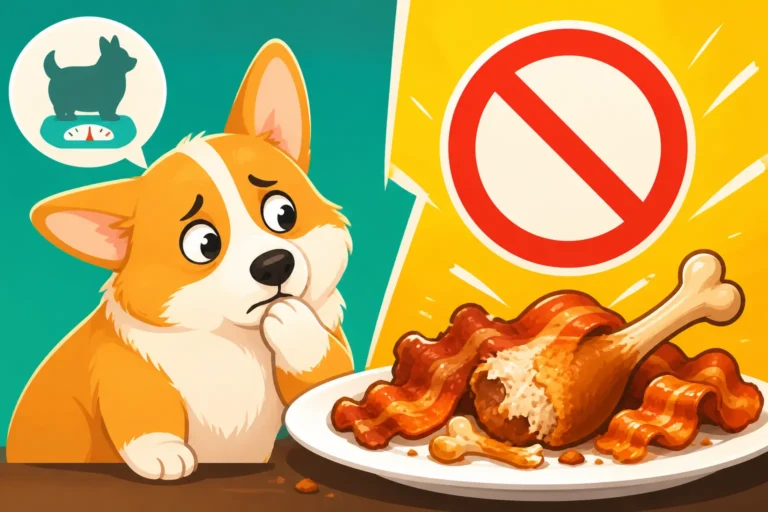
The primary concern for Corgi puppies is avoiding excessively rapid growth. While protein is essential for muscle development, an overabundance of calories that leads to fast weight gain can put undue stress on developing bones and joints. Imagine a building frame that's rushed to completion before the foundation is truly solid – it's more prone to issues. For Corgis, maintaining a lean body condition during puppyhood is paramount. This means resisting the urge to free-feed or over-indulge in treats. A lean puppy is a healthy puppy, reducing strain on those critical joints and the developing spine. Owners need to understand that Keeping a Growing Corgi Puppy on the Thin Side is a proactive measure for their long-term health.
The "Special Food" Myth vs. Reality
Walking down the pet food aisle or browsing online, you're bombarded with options. "Grain-free," "limited ingredient," "breed-specific," "small breed formula"—it's enough to make your head spin. It’s natural to wonder if your Corgi puppy absolutely needs one of these "special" foods, or if it's mostly clever marketing. Let's break down what truly matters for your Corgi.
Decoding Puppy Food Labels
The sheer volume of information on a pet food label can be overwhelming, but understanding a few key terms can help you make an informed decision. The most important thing to look for is an AAFCO (Association of American Feed Control Officials) statement. This statement confirms that the food meets the nutritional levels established by AAFCO for a specific life stage, such as "growth" or "all life stages." Without this, you're essentially guessing.
Next, look at the ingredients list. Ingredients are listed by weight, so the first few ingredients make up the bulk of the food. You want to see a named meat source (e.g., "chicken meal," "lamb," "beef") as the first ingredient, or at least among the top two or three. Avoid generic terms like "meat meal" or "poultry by-product" if possible, as they can be inconsistent. Whole grains (like rice, oats, barley) or other complex carbohydrates (like sweet potatoes, peas) are good energy sources. Be wary of foods with excessive fillers, artificial colors, or artificial preservatives. While these might not be directly harmful, they often indicate a lower-quality product that might not provide optimal nutrition.
Breed-Specific Formulas for Corgis
You might have seen "Corgi Puppy" formulas or similar breed-specific diets. The idea behind these is appealing – a food tailored precisely to your dog's unique needs! However, the reality is a bit more nuanced. For many breeds, these formulas offer little beyond clever marketing. While they might adjust kibble size for smaller mouths or claim to support certain breed traits, the fundamental nutritional profiles are often very similar to a high-quality "small breed puppy" or general "puppy" formula.
For a Corgi, the primary nutritional concern isn't necessarily unique ingredients, but rather the balance of nutrients and calorie density to support healthy, steady growth without promoting obesity. A generic high-quality puppy food that's appropriate for medium-sized breeds often works perfectly well, as long as the portions are carefully controlled. In fact, some "small breed" formulas can be quite calorie-dense, which can be counterproductive for a Corgi if not managed closely. The emphasis should always be on quality ingredients and appropriate portioning, not necessarily a label that says "Corgi."
Choosing the Right Puppy Food for Your Corgi
With so many choices, picking the "best" food can feel like a high-stakes decision. The truth is, there isn't one single "best" food for every Corgi puppy, but there are definitely guidelines that can help you select a highly suitable option that supports their unique development and health needs.
Key Ingredients to Prioritize
When you're evaluating different puppy foods, focus on the building blocks. As mentioned, a named meat protein should be at the top of the ingredient list. This could be chicken, beef, lamb, turkey, or fish. Protein is essential for muscle development and overall growth. Alongside that, healthy fats are crucial for energy, skin and coat health, and brain development. Look for sources like chicken fat, salmon oil, or flaxseed. These also contribute to the palatability of the food.
Complex carbohydrates, like whole grains (brown rice, oats, barley), sweet potatoes, or peas, provide sustained energy. Avoid foods with corn or wheat as the first ingredient, not because they are inherently "bad," but because they are less nutritionally dense than whole meats or more complex carbohydrates. Finally, beneficial additions like probiotics for gut health, antioxidants for immune support, and omega fatty acids for skin and coat can be a bonus, though the core focus should always be on high-quality protein, fat, and carbohydrates.
Different Food Types and Their Pros & Cons
The market offers several different formats for puppy food, each with its own advantages and disadvantages.
- Dry Kibble: This is the most common and often most economical option. It's convenient to store, helps keep teeth cleaner (to a small degree), and offers complete nutrition in a measured form. Many reputable brands formulate excellent puppy kibble. For Corgis, the downside can be that some puppies might find it less palatable, or it might be easier to overfeed if not carefully measured.
- Wet/Canned Food: Typically more palatable and hydrating than kibble. It can be a good option for puppies who are picky eaters or need extra moisture. However, it's often more expensive, and due to its high moisture content, you need to feed larger quantities to get the same caloric intake as kibble, which can be quite a lot for a growing Corgi.
- Fresh/Cooked Food: Services that deliver pre-portioned, human-grade, cooked meals have become very popular. Brands like Ollie prepare food in a way that's highly digestible and palatable. For a Corgi, this can be an excellent option for precise portion control and high-quality ingredients. The downsides are usually cost and storage space in your fridge/freezer.
- Raw Food (BARF diets): This involves feeding uncooked meat, bones, organs, and sometimes vegetables. While proponents claim significant health benefits, raw diets carry risks of bacterial contamination for both the dog and humans, and it can be difficult to ensure a nutritionally complete and balanced diet, especially for a growing puppy. Consulting with a veterinary nutritionist is highly recommended if you consider this route, as an unbalanced raw diet can lead to severe developmental issues.
Here's a quick comparison of popular food types for Corgi puppies:
| Food Type | Pros for Corgi Puppy | Cons for Corgi Puppy | Key Considerations |
|---|---|---|---|
| Dry Kibble | Economical, easy storage, dental benefits, balanced. | Less palatable for some, easy to overfeed. | Choose high-quality, measure strictly to prevent obesity. |
| Wet/Canned Food | Highly palatable, good hydration, good for picky eaters. | More expensive, requires larger portions for calories. | Use as a topper or for hydration; carefully calculate caloric needs. |
| Fresh/Cooked Food | Highly digestible, great palatability, precise portions. | Higher cost, requires refrigeration/freezing. | Excellent for controlled growth; subscription models simplify feeding. |
| Raw (BARF) | Claims of superior health and coat. | High risk of imbalance, bacterial contamination. | Only consider with veterinary nutritionist guidance; generally not recommended for growing pups without expert oversight. |
Reputable Brands and Where to Find Them
When it comes to sourcing food, reliability and convenience are key. You'll find a vast selection of high-quality puppy foods from trusted manufacturers at large online retailers like Chewy and Amazon. These platforms allow you to read reviews, compare ingredients, and have food delivered directly to your door, which is incredibly convenient, especially when you're stocking up on all the other Equipment a Corgi Household Buys.
Some popular and generally well-regarded brands that offer excellent puppy formulas include Purina Pro Plan, Royal Canin, Hill's Science Diet, Orijen, Acana, Blue Buffalo, and Merrick. For those interested in the fresh food route, services like Ollie are designed with convenience and nutritional balance in mind, often catering to specific calorie needs through personalized plans. The most important thing is to choose a brand that has a strong track record, undergoes rigorous testing, and clearly states its AAFCO compliance. Don't be afraid to read customer reviews, but always prioritize the ingredient list and nutritional analysis over anecdotal evidence.
Feeding Schedule and Portion Control
This is arguably one of the most crucial aspects of feeding your Corgi puppy, especially given their predisposition to back and joint issues. It's not just what you feed, but how much and when. Proper feeding habits now will lay the groundwork for a healthy adult dog and can help mitigate risks down the line.
How Much to Feed a Growing Corgi
Portion control is absolutely vital for a Corgi puppy. Rapid growth and excess weight during puppyhood can contribute significantly to the development of orthopedic problems like hip dysplasia and IVDD. Corgis are naturally predisposed to being a bit chunky if given the chance, and that adorable round puppy belly can quickly turn into a problematic paunch. Our goal is to keep them lean, allowing their skeletal structure to develop without undue stress. You’ll be surprised by How Little an Adult Corgi Actually Eats, and the puppy stage is when those habits are formed.
Always refer to the feeding guidelines on your chosen puppy food bag. These typically provide a range based on your puppy's current weight and age. However, these are just guidelines. Every puppy is an individual, and their metabolism and activity levels vary. It's far better to use these as a starting point and then adjust based on your puppy's body condition. You should be able to easily feel your Corgi's ribs without pressing hard, and they should have a discernible waist when viewed from above. If you can't feel the ribs, or they look round and barrel-like, they're likely getting too much food. This is often where a simple kitchen scale comes in handy – weighing food portions is far more accurate than using a scoop. A few extra kibbles here and there can quickly add up to significant extra calories for a small, food-motivated Corgi.
Establishing a Consistent Feeding Routine
Consistency is key, not just for house-training, but for digestion and managing your puppy's expectations around food. Most Corgi puppies will do best on three meals a day until they are about 6 months old, then transitioning to two meals a day. How Often a Corgi Puppy Is Fed Before Six Months will depend on the pup, but three is a good starting point for most.
A regular feeding schedule helps regulate their digestive system, making house-training easier as you can predict when they'll need to go outside. It also helps prevent begging and overeating, as your puppy learns that food arrives at specific times, rather than constantly being available. Feed your puppy in a quiet, designated area where they won't be disturbed. Leave the food down for 15-20 minutes, then pick it up, even if they haven't finished. This teaches them to eat when food is offered and helps you monitor their appetite. If they consistently leave food behind, you might be feeding too much.
Transitioning to Adult Food
The puppy phase doesn't last forever, and at some point, your Corgi will be ready to transition to adult dog food. Knowing when and how to make this switch smoothly is important for their continued health and development.
Timing the Switch to Adult Food
Most Corgis reach their adult height and much of their adult weight between 9 and 12 months of age. While they might continue to fill out slightly for another few months, the period of rapid growth is largely over. This is generally the appropriate time to start transitioning them from puppy food to adult maintenance food. Continued feeding of puppy food past this point isn't necessarily harmful, but it's often richer in calories and nutrients designed for rapid growth, which an adult Corgi no longer needs. Overfeeding puppy food to an adult can contribute to unnecessary weight gain, putting strain on their long backs and small legs. The Age Corgi Disc Problems Usually Appear is often linked to years of carrying extra weight.
Your veterinarian can give you the best guidance on the exact timing for your individual Corgi, as their developmental trajectory might be slightly different. They can assess your Corgi's body condition and growth plates to confirm they are ready for the switch. It's a significant milestone, marking their progression from a fast-growing puppy to a fully-formed, though still rambunctious, young adult.
Gradual Transition Process
Once you've decided it's time to switch, do it gradually over a period of 7 to 10 days. A sudden change in diet can upset your Corgi's digestive system, leading to loose stools or an upset stomach – something no one wants to deal with, especially with a low-to-the-ground dog!
Here's a common method for a smooth transition:
- Days 1-2: Mix 75% old puppy food with 25% new adult food.
- Days 3-4: Adjust to a 50/50 split of old and new food.
- Days 5-6: Increase to 25% old food and 75% new adult food.
- Days 7-10: Feed 100% new adult food.
During this transition, closely monitor your Corgi for any signs of digestive upset, such as vomiting, diarrhea, or a decreased appetite. If you notice any issues, slow down the transition, perhaps staying at a particular ratio for a few extra days until their system adjusts. This slow and steady approach minimizes stress on their digestive tract and makes the process much easier for both you and your Corgi.
When to Consider Vet-Recommended Diets
While most Corgi puppies will thrive on a high-quality commercial puppy food, there are specific situations where your veterinarian might recommend a specialized or therapeutic diet. These aren't typically "special" in the marketing sense, but rather scientifically formulated foods to address particular health concerns.
Addressing Allergies and Sensitivities
Just like people, dogs can develop food allergies or sensitivities. Common signs in puppies might include chronic itching, recurrent ear infections, digestive upset (vomiting, diarrhea), or skin rashes. If you notice these symptoms in your Corgi puppy, your vet might suggest a food elimination trial, which often involves switching to a hydrolyzed protein diet or a novel protein diet (containing proteins your Corgi hasn't eaten before, like duck or venison).
These specialized diets are formulated to minimize allergic reactions. For instance, a limited ingredient diet might be recommended to help pinpoint the specific allergen. Brands like Hill's Prescription Diet or Purina Pro Plan Veterinary Diets offer various formulas specifically for allergies. It's a common frustration when your beloved pup is itchy and uncomfortable, and a therapeutic diet, under vet guidance, can be a game-changer. These aren't foods you'd pick up casually but are prescribed as part of a treatment plan.
Managing Weight or Other Health Conditions
As we've discussed, Corgis are prone to weight gain, and obesity is a major risk factor for spinal and joint issues. If your Corgi puppy is already struggling with being overweight, or if they have a family history of severe orthopedic problems, your vet might recommend a specific "weight management" puppy formula. These diets are typically lower in calories but still provide complete nutrition for growth, helping to keep your pup lean without feeling hungry.
Beyond weight, other conditions might necessitate a specialized diet. For example, if your Corgi puppy develops kidney issues, certain urinary problems, or even severe gastrointestinal disease, your vet may prescribe a therapeutic diet to help manage the condition. These diets are carefully balanced to support organ function and reduce symptom severity. Remember that for breeds like Corgis, proactive care is key, especially considering the potential for conditions like Disc Disease in a Long-Backed Corgi or Corgi Hips and Front-End Structure. Always consult with your veterinarian before making significant dietary changes, especially if your puppy has underlying health concerns. They can provide tailored advice based on your Corgi's individual needs and health status.
Disclaimer
This article is for general informational purposes only and does not constitute professional advice. Laws, prices and regulations vary by location and change over time. Consult a qualified professional for guidance on your specific situation.