Keeping a Growing Corgi Puppy on the Thin Side
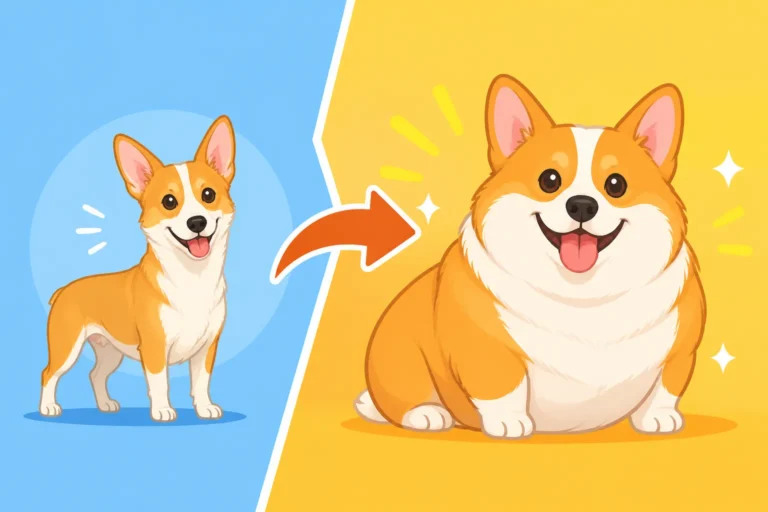
It’s a tale as old as time, or at least as old as Corgi ownership: you bring home that adorable, fluffy puppy, and before you know it, those tiny legs are supporting a surprisingly round little barrel. It's easy to fall in love with a roly-poly Corgi puppy, but letting them get too chunky, even as youngsters, can set them up for a lifetime of struggles. This guide will walk you through the practical, empathetic ways to keep your growing Corgi puppy on the lean side, ensuring they develop into a healthy, agile adult ready for a long life of adventure.
Understanding the Corgi Puppy's Growth Stages and Why Leanness Matters
When you bring home a Corgi puppy, you’re not just getting a cute fluffball; you’re welcoming a rapidly developing creature with very specific nutritional and exercise needs. It's crucial to understand how quickly they grow and why maintaining a lean physique during this period is more than just about aesthetics – it’s about their future health.
The Rapid Growth Phase and Energy Needs
Corgi puppies, like most breeds, go through a significant growth spurt in their first few months. They transition from tiny, helpless bundles to energetic, playful youngsters at an astonishing rate. During this time, their bodies are building bone, muscle, and developing their internal organs. This process requires a lot of energy, meaning they need nutrient-dense food. However, this high energy requirement doesn't mean more food; it means the right kind of food in precise amounts.
Think about it: a Corgi puppy isn't meant to be a marathon runner at three months old, but they are incredibly active in short bursts, exploring their world, playing with siblings, and learning boundaries. Their metabolism is working overtime, but it's a delicate balance. Too many calories, and that energy translates directly into excess fat rather than lean tissue. This is particularly critical for a breed like the Corgi, with its unique Why a Corgi's Back Is Built the Way It Is. Their short stature and long backs mean any extra weight puts undue stress on their developing spine and joints right from the start. We’re aiming for robust growth, not rapid fattening.
The Long-Term Impact of Puppy Fat
It might seem harmless to have a "chubby puppy" – after all, they’re so cute and cuddly! But studies have consistently shown that puppies who are overweight or obese during their growth phase are much more likely to be overweight or obese as adults. It’s not just about aesthetics; it’s about establishing metabolic patterns and even affecting the number of fat cells an animal develops. If your Corgi puppy is allowed to pack on the pounds early, those fat cells can multiply, making it incredibly difficult to manage their weight later on, even with strict dieting.
Beyond general obesity, there are specific concerns for Corgis. Their chondrodystrophic (dwarf) build, characterized by those adorably short legs and elongated spine, makes them inherently prone to conditions like intervertebral disc disease (IVDD). Disc Disease in a Long-Backed Corgi is a serious concern, and excess weight, even in puppyhood, contributes to the strain on those discs. Imagine carrying a backpack filled with bricks every day during your most formative years; that's what extra weight feels like to a developing Corgi spine. It can exacerbate hip and elbow problems, contribute to early arthritis, and simply reduce their overall mobility and quality of life. A lean puppyhood helps ensure a healthy, mobile adult Corgi.
Calorie Control from Day One
Controlling your Corgi puppy’s calorie intake is arguably the most critical factor in keeping them lean. It’s not about deprivation, but about precision and making smart choices that support healthy growth without excess.
Measuring Food Precisely, Not Guessing
The biggest mistake many Corgi owners make (and I've been guilty of it too, believe me!) is "eyeballing" portions. A scoop might seem consistent, but scoops vary, and tiny differences add up over weeks and months. For a small breed like a Corgi, even a few extra kibbles per meal can lead to significant weight gain. This is where a simple kitchen scale becomes your best friend.
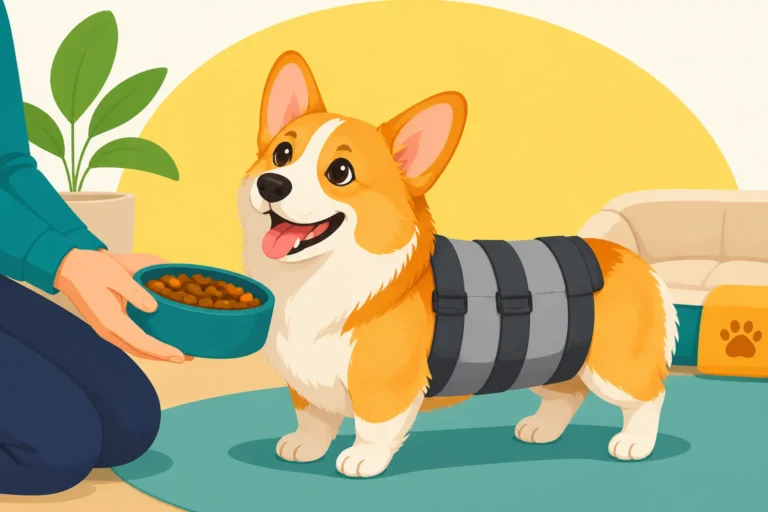
When your puppy arrives, look at the feeding guidelines on your chosen puppy food bag. These guidelines are a starting point and often represent a range for the "average" puppy. Corgis are individuals, and their metabolism can vary. Weigh out the recommended daily portion in grams, then divide it into two or three meals, as advised by your vet or breeder. Consistency is key. Every time you feed, use that scale. If your puppy starts to look a bit round, or your vet points out they’re getting a little heavy, you can then make precise, small adjustments to their daily ration. This measured approach also ties into How Little an Adult Corgi Actually Eats – Corgis don't need huge amounts of food, even as puppies.
Choosing the Right Puppy Kibble
The market is flooded with puppy foods, and it can be overwhelming to pick one. For a Corgi, you want a high-quality puppy food that supports steady, not explosive, growth. Look for brands that are specifically formulated for "puppies" or "all life stages," and ideally, one that doesn't push for extremely rapid growth, often seen in large breed puppy formulas. While Corgis are technically a medium-sized breed, their growth trajectory isn't as rapid as a Great Dane, for example.
Consider the protein and fat content. A good quality puppy food will have a respectable amount of animal-based protein to support muscle development and a balanced fat content for energy and healthy skin/coat. Avoid foods with excessive fillers or a long list of questionable ingredients. Companies like Chewy offer a wide selection of premium puppy foods, and their filtering options can help you narrow down choices based on ingredients and breed size. If you're considering fresh food options, services like Ollie provide pre-portioned, human-grade meals that can be tailored to your puppy's exact caloric needs, making precise feeding much easier. Always discuss your food choice with your breeder and veterinarian, especially in those crucial early months. They can offer insights based on their experience and your puppy's individual needs.
Smart Snacking and Training Treats
This is another area where those sneaky calories can pile up fast. Those adorable puppy dog eyes can be incredibly persuasive, but every treat counts! It's perfectly fine to use treats for training – in fact, it's essential for a smart, sometimes stubborn breed like the Corgi. The trick is to be smart about it.
First, choose low-calorie, healthy treats. Small pieces of boiled chicken, plain air-popped popcorn, or even small pieces of their own kibble can make excellent, high-value training rewards. Many pet stores, and online retailers like Amazon, offer specific "training treats" that are tiny and low in calories. Avoid sugary, high-fat, or overly processed treats. Second, factor treats into their daily caloric intake. If you're doing a big training session, reduce their next meal slightly to compensate. This is where measuring their regular food becomes even more important. Teach your Corgi that not every interaction involves food; sometimes it's praise, a quick game of fetch, or a belly rub. This helps prevent Corgis Beg Harder Than Other Breeds from becoming a constant battle. Remember, even a single dog biscuit can be a significant caloric contribution for a small puppy!
Exercise and Activity for a Growing Corgi
Exercise is crucial for a Corgi puppy's physical and mental development, but it needs to be carefully managed to support healthy growth without overstressing their developing bodies. It's about quality, not necessarily quantity, especially with those unique Corgi proportions.
Age-Appropriate Play and Walks
Your Corgi puppy is a ball of energy, but their joints, bones, and growth plates are still soft and developing. This means you need to be cautious about strenuous, high-impact activities. For very young puppies (under 4-5 months), short, frequent play sessions in a safe, controlled environment are ideal. Think about gentle games of tug-of-war, short retrieves in the living room, or supervised playtime with other vaccinated, gentle puppies. Avoid long, forced walks on pavement, repetitive jumping, or intense running on hard surfaces.
As they get a little older (5-8 months), you can gradually increase the length and intensity of walks. A good rule of thumb often suggested by vets is five minutes of exercise per month of age, twice a day. So, a four-month-old Corgi puppy would get about 20 minutes of activity, twice daily. This isn't just about walks; it includes playtime in the yard. Focus on varied terrain like grass, which provides better traction and is softer on joints. Mental stimulation, like scent games or puzzle toys, is also fantastic for burning off energy without putting physical strain on their bodies. Remember, a tired mind is often as effective as a tired body for a Corgi. The Forty-Five Minutes a Corgi Needs Daily as an adult can be built up to gradually.
Protecting Developing Joints During Activity
Given their long backs and short legs, Corgis are predisposed to certain orthopedic issues. Protecting their developing joints during puppyhood is paramount to mitigating these risks later in life. This means being vigilant about preventing certain activities and providing the right kind of support at home.
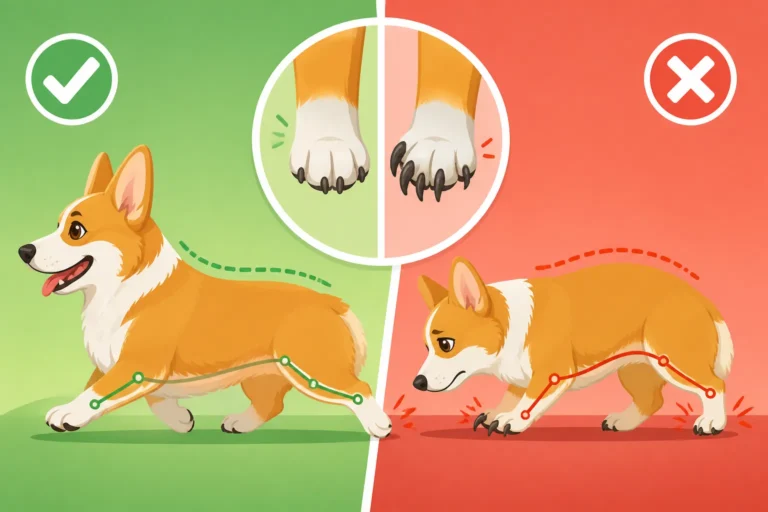
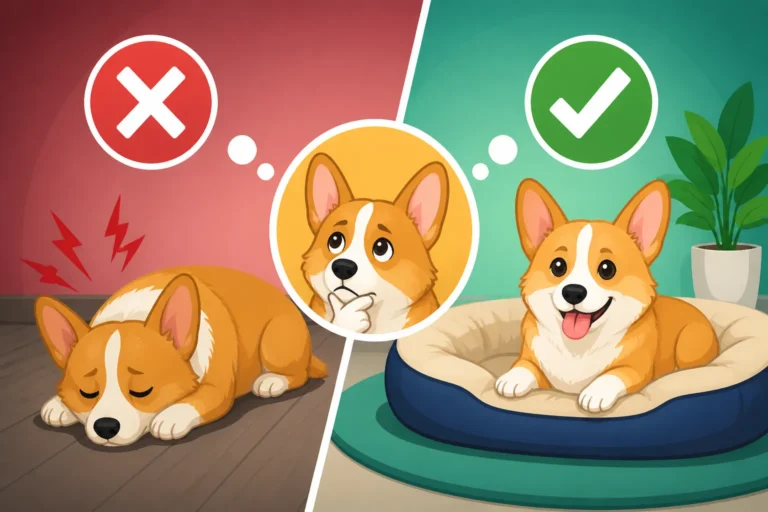
Avoid activities that involve excessive jumping, especially off furniture or stairs. A single bad landing could lead to a serious injury to their developing spine or joints. Invest in ramps or pet stairs for accessing furniture, and actively train your puppy to use them from a young age. Ramp Training a Corgi to the Sofa can be a lifesaver. Carrying your puppy up and down stairs, especially during their most vulnerable growth phases, is also a wise precaution. When playing, ensure surfaces are non-slip. Hardwood floors, while beautiful, can be treacherous for Corgi puppies, causing them to splay out and potentially injure themselves. Consider runners or rugs in high-traffic areas. Also, be mindful of over-exercising. A puppy that's limping, lagging behind, or suddenly refusing to play might be sore or overtired. Listen to their cues and prioritize rest. Proper joint protection in puppyhood lays the groundwork for a more active and comfortable adult life.
Monitoring Your Corgi Puppy's Body Condition
It’s easy to look at a Corgi puppy and see nothing but fluffy cuteness. But beneath that plush double coat, you need to be able to assess their body condition accurately. This skill is vital for preventing them from getting too heavy and for making necessary adjustments to their diet and exercise plan.
Learning to "Read" Your Puppy's Body
Because Corgis have such a dense undercoat, it can be really tricky to visually gauge their weight. They can appear round even when they're at a healthy weight, simply due to their coat. This is why you need to get hands-on and learn to feel for their ribs.
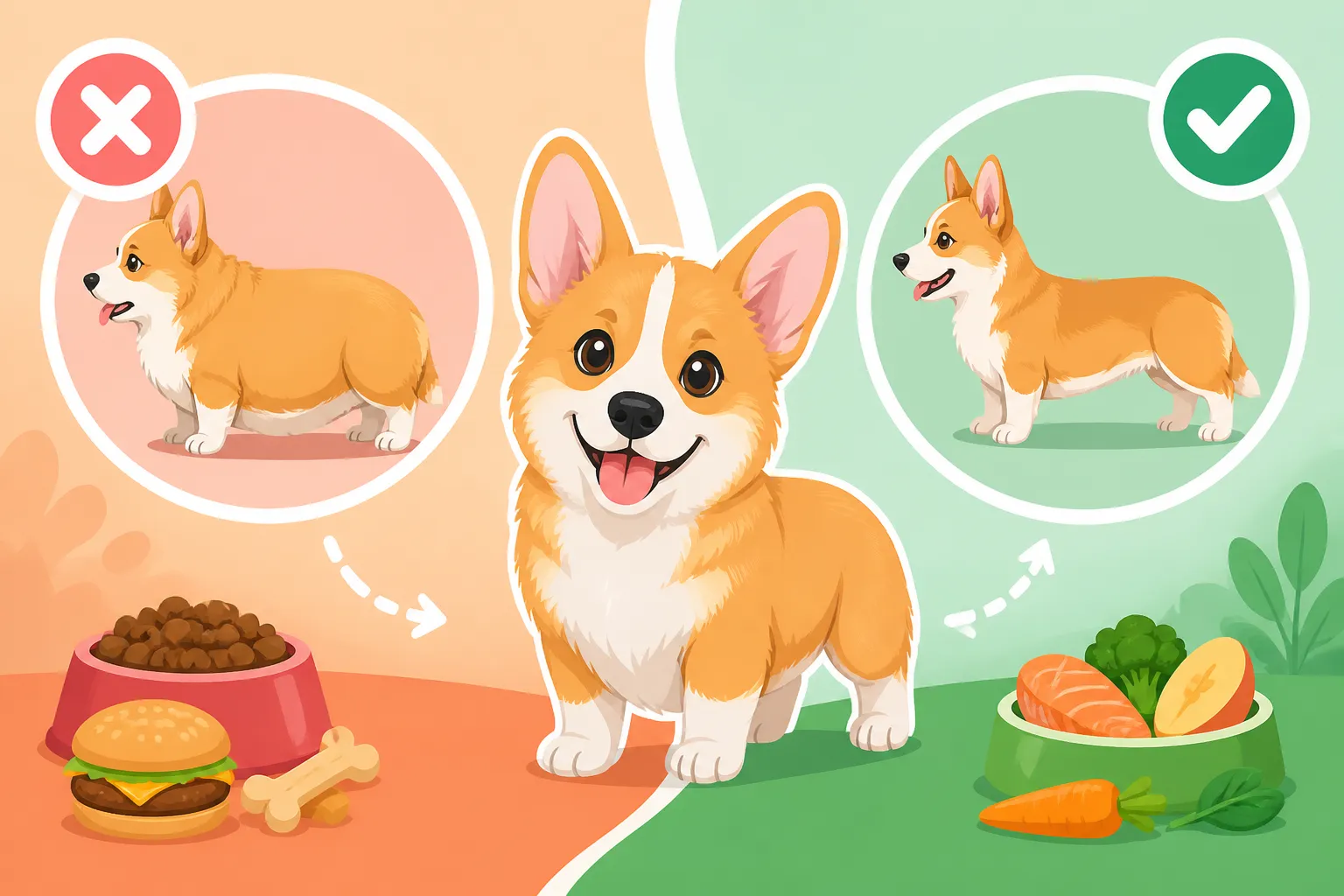
When you run your hands along your Corgi puppy's sides, you should be able to easily feel their ribs, but not see them prominently. There should be a slight layer of fat covering them, but no thick padding. As you move back, you should notice a discernible tuck at their waist when viewed from above, and their belly should tuck up slightly when viewed from the side. They definitely shouldn't look like a furry sausage on legs. This is the ideal "Body Condition Score" you're aiming for. The Body Condition Score a Corgi Owner Aims For is usually around a 4 or 5 on a 9-point scale. Practice this regularly – every week or two – so you get used to what your puppy feels like at a healthy weight. If you start to feel their ribs becoming harder to discern, it's a clear sign that calories need to be reduced or activity increased.
The Importance of Regular Vet Checks
While you can become quite adept at assessing your puppy’s body condition, nothing beats the professional eye of a veterinarian. Regular vet visits are not just for vaccinations and parasite control; they are crucial for monitoring your Corgi puppy's growth and overall health.
Your vet will weigh your puppy at each visit and discuss their ideal growth curve. They'll also perform a physical examination, palpating their ribs and spine, and giving you an objective assessment of their body condition. Don't be offended if your vet tells you your puppy is a little chubby – they're doing it for your Corgi's best interest! These check-ups are also a great opportunity to ask questions about your puppy's diet, exercise routine, and any concerns you might have. They can help you adjust feeding guidelines, recommend specific puppy foods, or provide guidance on safe exercise levels. Think of your vet as your partner in keeping your Corgi puppy lean and healthy, building a foundation for a long and vibrant life. These early visits are key to heading off future problems. The Vet Visits a Corgi Puppy Needs First are so important.
Common Pitfalls and How to Avoid Them
Even with the best intentions, it's easy to fall into common traps that can lead to a Corgi puppy gaining too much weight. Recognizing these pitfalls is the first step in avoiding them and ensuring your pup stays on the lean side.
The "Chubby Puppy" Myth
There’s a pervasive myth that a chubby puppy is a healthy puppy, or that they’ll simply "grow into it." This couldn't be further from the truth, especially for a breed like the Corgi. While a little puppy fat is normal, a truly round, plump puppy is not ideal and can actually be detrimental to their long-term health. That squishy softness might be adorable, but it's often a sign of excess fat, not just healthy growth.
This myth often comes from a place of love and concern, with owners wanting to ensure their puppy is well-fed. However, for Corgis, a lean physique during puppyhood minimizes stress on their developing joints and spine, which are already under unique pressure due to their conformation. It helps prevent conditions like Early Arthritis in a Corgi and reduces the risk of Disc Disease in a Long-Backed Corgi. Instead of aiming for a "chubby" look, strive for a puppy that is energetic, has a visible waist tuck, and whose ribs can be easily felt under a thin layer of fat. Re-evaluate your perception of "healthy" and remember that a lean Corgi puppy is a foundation for a healthier adult.
Dealing with Begging Behavior
Corgis are master manipulators when it comes to food. Those expressive eyes, the little grumbles, the focused stares – they can melt even the strongest resolve. Dealing with begging behavior effectively is critical for maintaining their lean physique. If you give in every time, even with tiny scraps, those calories add up, and you teach your Corgi that begging works.
The key is consistency and not giving in. Never feed your Corgi from the table. Establish clear boundaries around mealtimes. If your puppy starts to beg, ignore them completely. Turn away, avoid eye contact, and don't speak to them. Once they settle down and stop begging, you can offer praise or a non-food reward. If the begging is really intense, you might even put them in their crate or another room during your mealtime. Additionally, ensure your Corgi is getting enough mental and physical stimulation throughout the day. A bored Corgi is often a Corgi looking for ways to entertain itself, and food is an easy target. Provide puzzle toys, short training sessions, and appropriate chew items to keep their minds and mouths busy. Remember, you're not being mean by not giving in; you're being responsible for their health. A Corgi That Stares at You Through Dinner might seem cute, but it needs to be managed for their own good.
Here's a quick reference for healthy puppy growth:
| Age (Months) | Approximate Weight Range (Lbs) | Body Condition Score Goal | Activity Level Recommendation | Key Focus |
|---|---|---|---|---|
| 2-4 | 6-12 | Lean (4/9) | Short, frequent play; no forced walks | Socialization, foundational training, precise feeding |
| 4-6 | 12-18 | Lean (4-5/9) | Gradually increase walk duration (5min/month of age) | Continued training, intro to ramps/stairs |
| 6-9 | 18-24 | Lean (5/9) | Moderate walks, varied terrain, avoid high impact | Reinforce boundaries, monitor growth plates |
| 9-12 | 22-28 (approaching adult weight) | Lean (5/9) | Build stamina, mental exercise | Transition to adult food, maintain lean body |
Note: Weight ranges are approximations and can vary greatly between individuals and Corgi types (Pembroke vs. Cardigan). Always consult your vet for personalized advice.
Keeping a Corgi puppy on the lean side throughout their growth isn't always easy, especially when their charming antics make you want to shower them with treats and indulgence. But by understanding their unique needs, being diligent with precise feeding, providing appropriate exercise, and learning to interpret their body condition, you are laying the strongest possible foundation for a long, healthy, and happy life. A lean puppy is a healthy puppy, setting the stage for fewer issues and more joyous adventures as an adult Corgi.
Disclaimer
This article is for general informational purposes only and does not constitute professional advice. Laws, prices and regulations vary by location and change over time. Consult a qualified professional for guidance on your specific situation.