Whether a Fluffy Corgi Mats
One of the biggest head-scratchers for new Corgi parents, especially those with a particularly fluffy companion, is figuring out just how to keep that glorious coat looking its best without it turning into a tangled mess. You might have heard whispers about "fluffy Corgis" and their unique grooming challenges, and let me tell you, those whispers are not wrong. It's a real concern, and it can feel overwhelming when you’re staring at a beautiful, cloud-like Corgi knowing that underneath all that softness could be a hidden knot developing. This guide is here to unravel the mystery and provide practical, empathetic advice on whether a fluffy Corgi mats, why it happens, and exactly what you can do to keep your furry friend comfortable and mat-free.
Understanding the Fluffy Corgi Coat
Let's start by demystifying what a "fluffy" Corgi actually is. It's not just a cute nickname for a particularly plush pup; it refers to a specific coat type that deviates from the breed standard. While a standard Corgi boasts a dense double coat with a coarser outer layer and a soft undercoat, a fluffy Corgi carries a recessive gene that gives them a much longer, softer, and often wavy or curly outer coat. This difference, while absolutely adorable to behold, also introduces a whole new set of grooming considerations.
The Genetic Twist: How the "Fluffy" Gene Works
The "fluffy" trait in Corgis is due to a recessive gene, meaning a Corgi needs to inherit a copy of this gene from both parents to express the fluffy coat. If a Corgi only inherits one copy, they are considered a "carrier" and will have a standard coat, but can pass the fluffy gene on to their offspring. This is why you can sometimes see fluffy puppies in a litter with standard-coated parents. It’s a completely natural genetic variation, and while it's considered a fault in the show ring, it makes for an incredibly cuddly pet.
Many owners fall in love with the luxurious appearance of a fluffy Corgi, and it’s easy to see why. That extra length and softness just beg to be petted! However, understanding the genetics helps us appreciate why this coat behaves differently when it comes to grooming and why The Fluffy Corgi and the Standard often diverge in terms of coat care. It’s not just more hair; it’s a different kind of hair.
Texture and Density: What it Actually Feels and Looks Like
Imagine touching a regular Corgi coat – it's typically smooth, a bit stiff, and resilient. Now imagine a fluffy Corgi’s coat. It's like running your hands through a thick, luxurious cloud. The guard hairs, which are usually short and coarse, are elongated and much softer, blending almost seamlessly with the dense undercoat. This creates a beautifully flowing, often feathered look, particularly around the ears, chest, legs, and hindquarters.
This softness and length come with a trade-off: it’s much more prone to tangling and catching debris. Instead of shedding hair falling out cleanly, it often gets caught within the longer, finer hairs, quickly forming knots. This texture, while visually appealing, truly requires a dedicated approach to grooming that owners of standard Corgis might not fully appreciate until they’ve experienced it firsthand.
Comparison to a Standard Corgi Coat: Key Differences
The most striking difference is, of course, the length. A standard Corgi’s coat is designed to be weather-resistant and shed dirt easily, with its shorter, coarser outer coat protecting the dense undercoat. This structure helps repel water and insulates them from both heat and cold. A fluffy Corgi, on the other hand, has a coat that is much longer, finer, and lacks that protective coarser texture.
This means the fluffy coat can absorb moisture more readily and collect burrs, twigs, and general outdoor grime with impressive efficiency. While a standard Corgi might shake off a fair amount of dirt, a fluffy Corgi often holds onto it, leading to potential tangles and skin irritation if not regularly cleaned. Essentially, the fluffy coat is less "self-cleaning" and requires more manual intervention to maintain its integrity and health. We discuss The Long Coat on a Fluffy Corgi in more detail, but for now, just know that it means more brushing!
Why Matting Happens in Fluffy Corgis
Yes, a fluffy Corgi absolutely can mat, and often will if not properly cared for. The combination of their unique coat structure – the length, the softness, and the density of both the guard hairs and undercoat – creates the perfect storm for tangles to form. Understanding the underlying reasons can help you proactively prevent these uncomfortable knots.
The Undercoat and Guard Hairs: How They Interact
In a standard Corgi, the coarser guard hairs act like a protective shield over the softer, insulating undercoat. They tend to lie smoothly, and when the undercoat sheds, it can often work its way out relatively easily. In a fluffy Corgi, however, the guard hairs are longer and much finer, losing their "guard" function in a way. They tangle readily with the dense undercoat, especially when the undercoat starts to shed heavily.
Instead of shedding out, loose undercoat hairs become trapped within the long, fine outer coat. This creates a dense, felt-like mass that pulls on the skin, restricts movement, and can hide a multitude of skin problems. It’s like trying to comb through cotton candy that has bits of old yarn tangled in it – frustrating for you, and incredibly uncomfortable for your Corgi.
Friction and Moisture: Common Culprits for Tangles
Mats are often formed through a combination of friction and moisture. Think about areas where your Corgi's legs rub against their body, or where their collar sits. These constant rubbing motions can quickly knot loose hair. Walking through wet grass or getting caught in a sudden rain shower without thorough drying afterward can also promote matting. Water causes hair to clump together, and if not brushed out while drying, those clumps can quickly solidify into tight mats.
Even something as simple as sleeping in a favorite position, where a limb is tucked against the body, can create a friction point that leads to tangles. Regular play with other dogs, rolling in the dirt, or even just scratching an itch can contribute to the problem. It’s a constant battle against the natural tendencies of their hair to intertwine and bind.
Prime Matting Locations: Armpits, Behind Ears, Britches
Certain areas on a fluffy Corgi are notorious for developing mats due to constant friction and their proximity to movement. The armpits are a prime offender; every step your Corgi takes causes their front legs to rub against their chest, knotting the fine hair there. Similarly, behind the ears is another high-traffic zone where scratching and ear rubs can quickly form tight, painful knots. Anyone who has owned a fluffy Corgi will tell you about the tiny, felted nuggets that seem to appear out of nowhere right where the ear meets the head. We delve into Tangles Behind a Fluffy Corgi's Ears if you need more specific help there.
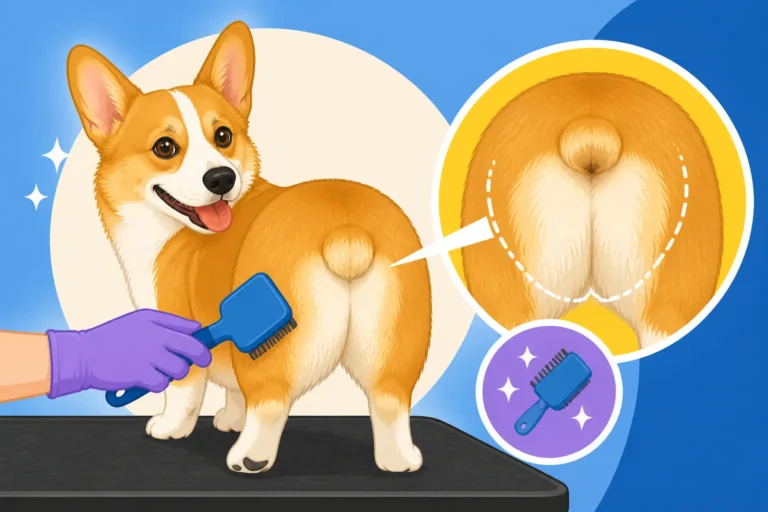
The "britches" – the long feathering on their hindquarters – and the tail area are also highly susceptible, especially after potty breaks or if your Corgi loves to sit on rough surfaces. Collars and harnesses can also cause matting around the neck and chest if not fitted properly or removed periodically for thorough brushing. These are the spots you need to pay extra attention to during your daily grooming routine.
Preventing Mats in a Fluffy Corgi
The good news is that matting is largely preventable with consistent effort and the right techniques. It takes dedication, but the comfort and health of your fluffy Corgi are absolutely worth it. Establishing a routine from puppyhood can make a world of difference.
The Daily Brush-Out Ritual: Importance and Technique
For a fluffy Corgi, a daily brush-out isn't a luxury; it's a necessity. Aim for at least 15-20 minutes, focusing on those prime matting areas we just discussed. A good slicker brush followed by a metal comb is your best friend here. Start by gently misting the coat with a detangling spray – you can find excellent options on Chewy or Amazon. This helps reduce static and makes the brushing process smoother.
When brushing, always work in small sections, parting the hair and brushing from the skin outwards. Don't just skim the surface; you need to get all the way down to the roots to remove any trapped undercoat. Pay extra attention to the areas behind the ears, armpits, and under the tail. If you hit a snag, don't yank! Gently work it out with the comb, using your fingers to hold the base of the hair to prevent pulling on the skin. This daily ritual is key to Brushing a Corgi Daily Through a Shed and preventing future problems.
Bathing Best Practices: Products and Drying Methods
Bathing a fluffy Corgi requires a little more finesse than a standard coat. First, ensure your Corgi is thoroughly brushed and free of any major tangles before the bath. Water can tighten existing mats, making them much harder to remove. Use a high-quality, moisturizing dog shampoo and conditioner, working it gently into the coat. Rinse meticulously to ensure no residue is left behind, as this can irritate the skin and attract dirt.
The drying process is crucial. Never let a fluffy Corgi air dry if you want to avoid mats. Towel dry as much as possible, then use a dog-specific forced air dryer (a human hairdryer can be too hot and doesn't have the necessary power). As you dry, continuously brush the coat to separate the hairs and ensure the undercoat is completely dry. This is where a good grooming table can be invaluable, allowing you to easily reach all areas of your low-slung Corgi. We also cover Shampoo That Suits a Thick Corgi Undercoat more deeply elsewhere.
Seasonal Considerations: Increased Shedding and Humidity
Corgis, fluffy or not, are notorious for shedding. They typically have two major "blows" a year, usually in spring and fall, where they shed their entire undercoat to prepare for the upcoming season. During these times, your daily brushing routine might need to become even more frequent or longer. The sheer volume of loose hair is a prime matting trigger.
Humidity can also exacerbate matting. Damp, humid weather can make the coat feel heavy and more prone to clumping. After walks in wet conditions, always dry and brush your fluffy Corgi thoroughly. Conversely, in dry winter air, static electricity can make the coat flyaway and tangle. A good leave-in conditioner or anti-static spray can be beneficial during these times. Staying on top of seasonal changes will make your life, and your Corgi's, much more comfortable. For comprehensive tips on handling dense undercoats, see our guide on Working a Rake Through a Corgi Undercoat.
Dealing with Existing Mats
Despite your best efforts, sometimes mats happen. A skipped brushing session, an unexpected romp in the woods, or simply a particularly heavy shed can result in a knot. It’s important to approach mat removal with patience and gentleness to avoid causing pain or fear of grooming.
Gentle Detangling at Home: Products and Patience
For small, loose mats, you can often tackle them at home. Gather your tools: a detangling spray, a slicker brush, a metal comb, and potentially a mat splitter or dematting rake. Apply plenty of detangling spray directly to the mat. Using your fingers, try to gently pull apart the edges of the mat. Then, with the slicker brush or the wide-toothed end of your comb, start working from the outside edge of the mat, using a "line brushing" technique (brushing layer by layer from the skin out).
Hold the hair at the base of the mat with one hand to prevent pulling on the skin, and gently tease the mat apart with your other hand. If the mat is very tight, a mat splitter or dematting rake can carefully cut through the mat in the direction of hair growth, breaking it into smaller, more manageable sections. Remember, this is a slow process; patience is key. Trying to rush it will only cause pain and make your Corgi dread future grooming. Some excellent detangling sprays are readily available on Amazon or Chewy, making the process a little easier.
When to Call a Professional Groomer: Recognizing Severe Matting
There comes a point when a mat is too large, too tight, or too close to the skin for you to safely remove at home. If a mat is causing your Corgi pain, if they are reacting defensively to your attempts to brush it out, or if you can't get your comb through it, it's time to call in a professional. Severe matting can lead to skin infections, hot spots, and even restrict blood flow.
A professional groomer has specialized tools, techniques, and experience in safely removing even severe mats. They can often do it without causing undue stress or injury to your Corgi. Don't feel guilty about seeking professional help – it’s often the kindest thing you can do for your pet. They are equipped to handle challenging situations, and sometimes, a fresh start is exactly what's needed. Keep in mind that for serious matting, a professional groomer may need to shave down your Corgi, which brings its own considerations. Whether a Fluffy Corgi Needs a Groomer is a question many owners face.
The Risks of Cutting Out Mats: Safety First
Please, for the love of all Corgis, do not use scissors to cut out mats unless you are specifically trained and confident in your ability. Corgi skin is very thin and loose, especially in areas like the armpits and behind the ears, and mats often pull the skin up into a tight tent right underneath them. It is incredibly easy to accidentally cut your Corgi's skin, leading to a painful wound, infection, and an expensive vet visit. Many seasoned owners will tell you stories of well-intentioned but disastrous attempts at mat removal with household scissors.
Even if you manage to avoid injury, irregularly cut patches of hair can look unsightly and grow back unevenly. If a mat is too tough for a comb and detangling spray, a professional groomer is equipped with clippers and specialized blades that can safely get under the mat without damaging the skin. Always prioritize your Corgi's safety and comfort over aesthetics.
Common Misconceptions and Risks
Navigating the world of fluffy Corgi grooming can be confusing, with lots of well-meaning but often incorrect advice floating around. Let's clear up some common misconceptions and highlight the risks associated with improper coat care.
The "Shaving a Corgi" Debate: Why It's Generally a Bad Idea
This is probably the most hotly debated topic among Corgi owners, especially those with fluffies. While shaving might seem like an easy solution to matting or to keep your Corgi cool in summer, it's generally not recommended for double-coated breeds like Corgis. The double coat serves a crucial purpose: insulation. The undercoat keeps them warm in winter and cool in summer by trapping air, while the guard hairs protect their skin from sun exposure and elements.
When you shave a Corgi, you disrupt this natural thermoregulation system. It can lead to them overheating more easily (as their coat can't trap cool air), sunburn, and increased risk of skin cancer. Furthermore, the coat often grows back incorrectly, becoming coarse, patchy, or failing to grow back at all in some areas, a condition known as "post-clipping alopecia." This can permanently damage the coat's texture and function. Instead of shaving, focus on thorough deshedding and appropriate cooling methods. For more on this, check out Why a Clipped Corgi Loses Its Weather Protection.
Professional Grooming for Fluffies: Finding the Right Approach
If you opt for professional grooming, which many fluffy Corgi owners do, it’s vital to find a groomer who understands double coats and, specifically, fluffy Corgi coats. Not all groomers are created equal. Some may default to shaving or excessive trimming, thinking it's helpful, when it's actually detrimental. Look for groomers who emphasize "deshedding" services, line brushing, and hand-scissoring of feathering rather than all-over clipper cuts.
Interview potential groomers. Ask about their experience with Corgis and double coats. Explain your Corgi is a fluffy and you want to maintain the integrity of their coat while preventing mats. A good groomer will recommend a deshedding bath, thorough drying with a high-velocity dryer, and careful brushing and trimming of specific areas like paw pads, britches, and ear feathering to keep them neat and hygienic, rather than shaving down the entire body.
Health Implications of Untreated Mats: Skin Issues, Discomfort
Untreated mats are more than just an aesthetic problem; they pose serious health risks for your Corgi. Mats pull painfully on the skin, causing constant discomfort and restricting movement. Imagine having your hair constantly tugged at – that’s what your Corgi feels. Beneath tight mats, air cannot circulate, creating a warm, moist environment ripe for bacterial and fungal skin infections, dermatitis, and hot spots. These can be incredibly itchy and painful, leading your Corgi to scratch and chew, further irritating the skin.
Mats can also hide parasites like fleas and ticks, making them difficult to spot and treat. In severe cases, mats can restrict blood flow to extremities, or even conceal underlying wounds or growths, delaying detection and treatment. Regular grooming isn't just about looking good; it's a critical part of your Corgi's overall health and well-being. Keeping them mat-free ensures their skin can breathe and you can monitor for any issues.
Essential Grooming Tools for Fluffy Corgis
Having the right tools is half the battle when it comes to managing a fluffy Corgi's coat. Investing in quality grooming equipment will save you time, frustration, and keep your Corgi much more comfortable. Don't skimp on these essentials.
Must-Have Brushes and Combs: Slicker, Undercoat Rake, Metal Comb
This trio forms the backbone of your fluffy Corgi grooming kit:
- Slicker Brush: This brush has fine, wire bristles packed closely together on a flat or curved head. It's excellent for removing loose surface hair and working through minor tangles. Always use a gentle, outward flicking motion to avoid scratching the skin. Look for one with coated tips for extra comfort.
- Undercoat Rake: Designed with longer, often widely spaced teeth, this tool is specifically for penetrating the dense undercoat and pulling out loose, shedding hair that often gets trapped. Use it carefully, working in the direction of hair growth, especially during seasonal blows. This is crucial for truly deshedding your Corgi.
- Metal Comb (Fine/Coarse Toothed): A sturdy metal comb with both wide and fine-toothed sections is indispensable for checking your work and tackling stubborn knots. Use the coarse end for initial detangling, and the fine end to ensure all tangles are gone, especially in delicate areas like behind the ears or on the feathering. If the comb glides smoothly through the coat from skin to tip, you've done a good job!
Here's a quick comparison of these essential tools:
| Tool | Primary Function | Ideal Use Case | Caveats |
|---|---|---|---|
| Slicker Brush | Removes loose hair, works surface tangles | Daily brushing, general coat maintenance | Can scratch skin if used too aggressively |
| Undercoat Rake | Penetrates dense undercoat, removes shedding hair | During heavy shedding, deeper coat care | Requires gentle technique to avoid skin irritation |
| Metal Comb | Checks for missed tangles, tackles small knots | Detailing delicate areas, "final check" | Don't force through large mats, can pull hair |
| Detangling Spray | Lubricates hair, reduces static, aids mat removal | Pre-brushing, mat treatment | Too much can make coat greasy |
| Grooming Scissors | Trimming sanitary areas, paw pads, ear feathering | Hygiene trims, neatening specific areas | NEVER use for mats, extreme caution required |
You can often find all of these essential tools at pet supply stores or online retailers like Chewy and Amazon. Having them on hand makes a big difference.
Conditioners and Detangling Sprays: Which Ones to Use
Just like human hair, a fluffy Corgi's coat benefits from good conditioning. A leave-in conditioner or detangling spray applied before brushing can significantly reduce static, add moisture, and make the coat easier to comb through. Look for products specifically formulated for dogs with long or double coats, often containing ingredients like oatmeal, aloe vera, or argan oil.
These sprays don't just smell nice; they create a protective barrier on the hair shaft, making it less likely for individual hairs to bind together and form mats. They are especially helpful for those daily brush-outs and when working on small tangles. Always make sure the product is dog-safe and follow the application instructions. Products designed for human hair are often too acidic or contain ingredients that can irritate canine skin.
Other Helpful Accessories: Drying Towels, Grooming Tables
Beyond brushes and combs, a few other items can make your grooming sessions more effective and comfortable for both you and your Corgi. High-absorbency microfibre drying towels can drastically cut down drying time after baths. A forced-air pet dryer (not a human hairdryer) is an absolute game-changer for fluffy Corgis, getting deep into the undercoat to ensure complete dryness and prevent mildew or matting. You can even find portable, smaller versions that are perfect for home use. Blowing a Corgi Coat Out With a Dryer can save you hours!
For your comfort and your Corgi's safety, consider a small grooming table with a non-slip surface and a grooming arm. This raises your Corgi to a comfortable working height, saving your back, and the arm helps keep them still and secure during brushing and drying. Lastly, a good pair of blunt-nosed grooming scissors is useful for carefully trimming around paw pads (to prevent slipping on smooth floors) and for hygiene trims around the sanitary areas, but remember the warning about using scissors for mats.
In conclusion, while the fluffy Corgi coat is undeniably beautiful and incredibly soft, it demands consistent and thoughtful grooming. With the right tools, a dedicated routine, and a bit of patience, you can absolutely keep your fluffy friend's coat healthy, mat-free, and as magnificent as they deserve to be.
Disclaimer
This article is for general informational purposes only and does not constitute professional advice. Laws, prices and regulations vary by location and change over time. Consult a qualified professional for guidance on your specific situation.