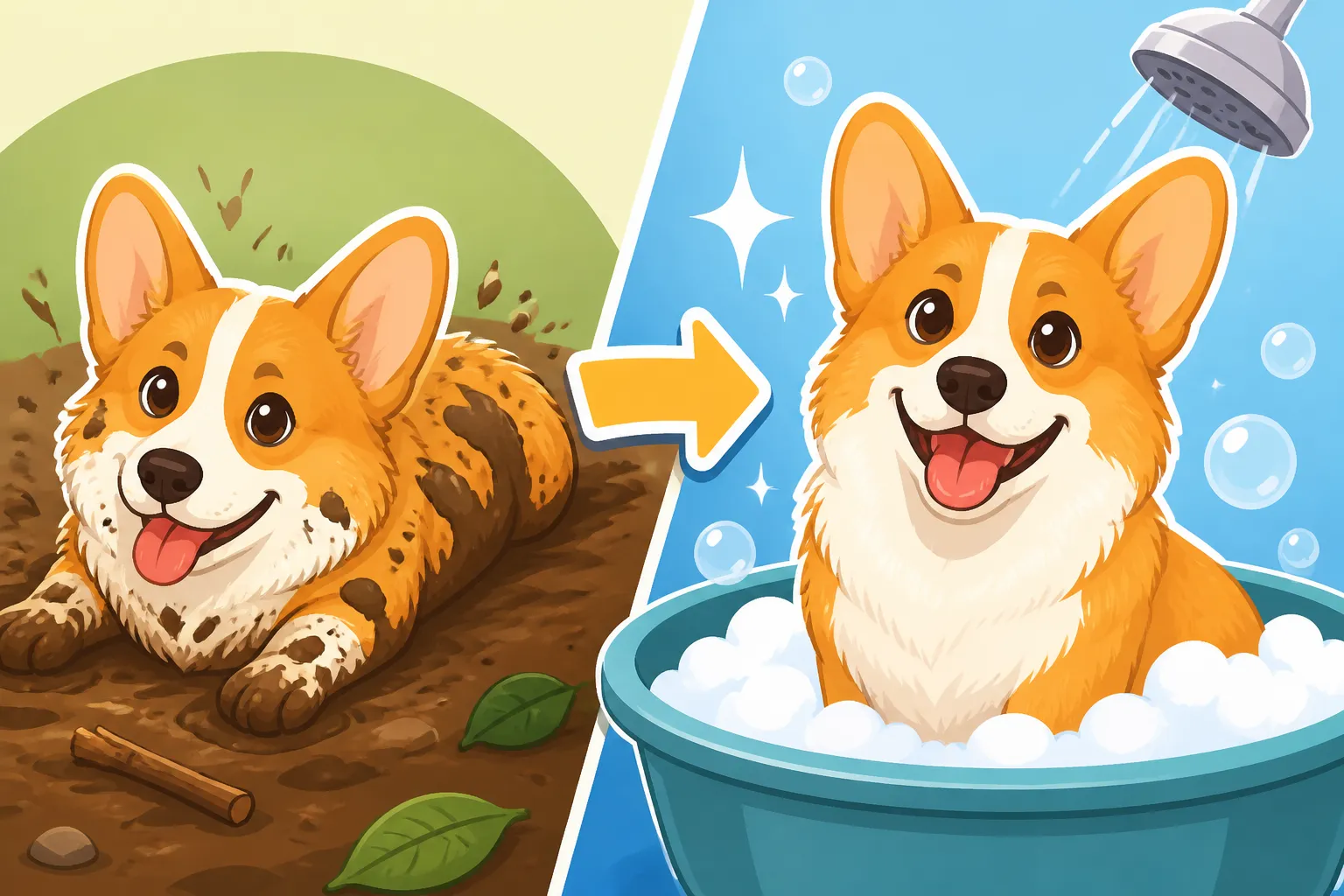
Washing a Corgi That Drags Through Everything
If you're a Corgi parent, you know the struggle: your adorable, low-riding companion acts like a furry Roomba, vacuuming up every speck of dirt, every muddy puddle, and every stray leaf on their daily adventures. It's frustrating when you just want a clean cuddle, but instead, you're faced with a walking mess. This comprehensive guide is here to walk you through the often-dreaded Corgi bath time, making it less of a chore and more of a successful routine for both you and your perpetually dirty darling.
Why Your Corgi Becomes a Dirt Magnet (and It's Not Their Fault!)
Let's face it, Corgis are built for gathering. Their short legs and long bodies, while undeniably charming, are also perfectly designed to sweep the ground clean of anything and everything. It's a design feature, not a flaw, but it certainly makes keeping them spotless a challenge. Understanding why they get so dirty is the first step to conquering bath time.
The Low-Rider Lifestyle
Your Corgi's signature low-slung body is an integral part of their herding heritage, allowing them to duck under kicking hooves. However, in modern life, this means their belly, chest, and those fluffy 'trousers' are constantly in contact with the ground. Think about a leisurely walk through dew-kissed grass – for a Corgi, that's a full-body splash. A tiny patch of mud becomes a full belly-rubbing session. Even just a dusty sidewalk can leave a film on their white markings that seems impossible to shift.
It's not that your Corgi is intentionally trying to get dirty; it's simply a consequence of their unique physique. Every step they take, their undercarriage is brushing against whatever surface they're on. This means that unlike taller breeds who might only get their paws dirty, a Corgi gets their entire underside coated in whatever the environment has to offer. This reality is why keeping their coat pristine requires a different approach than with a dog that stands higher off the ground.
The frustration is real when you've just given them a bath, and a short walk outside immediately turns them into a dusty or muddy canvas again. It feels like a never-ending battle against the elements, and sometimes it can be disheartening. But remember, this is just part of loving a Corgi, and with the right techniques, you can minimize the impact of their ground-hugging adventures.
The Double Coat Dilemma
Beyond their low stature, the Corgi's magnificent double coat is a significant player in their dirt-magnet status. Comprised of a soft, dense undercoat for insulation and a coarser, weather-resistant outer coat, it's designed to protect them from the elements. Unfortunately, it's also excellent at trapping dirt, debris, burrs, and moisture, holding onto it with remarkable tenacity.
When your Corgi rolls in something questionable or wades through muddy puddles, that thick undercoat acts like a sponge, soaking up and holding onto every particle. Unlike a single-coated dog where dirt might just sit on the surface, with a Corgi, it works its way deep down to the skin. This isn't just surface-level grime; it's ingrained dirt that requires thorough washing and rinsing to dislodge completely.
This double layer can also make drying a real chore. If the undercoat isn't completely dry, it can lead to skin irritation, damp dog smell, and even fungal issues. Imagine wet leaves stuck deep within a thick bush – that's often what's happening with dirt and debris in a Corgi's coat. A quick towel rub just won't cut it when dealing with this kind of density and the amount of "stuff" their coat can accumulate.
Essential Tools for the Corgi Bath Time Arsenal
Approaching Corgi bath time without the right equipment is like trying to put together flat-pack furniture with a spoon – frustrating and ultimately ineffective. Having a dedicated set of tools specifically chosen for their unique coat and body shape will make a world of difference. It transforms the ordeal into a manageable, even pleasant, routine.
Shampoos and Conditioners That Work Wonders
The sheer volume of shampoos on the market can be overwhelming, but for a Corgi, you need to be selective. Their skin, hidden beneath that dense coat, can be sensitive, and their coat itself needs specific care. Look for gentle, pH-balanced formulas that won't strip natural oils. Oatmeal-based shampoos are often a fantastic choice for Corgis with sensitive skin or those prone to dryness, as they can soothe and moisturize.
Avoid harsh detergents or heavily fragranced products that could irritate their skin or cause allergic reactions. Sometimes, a general-purpose dog shampoo is fine, but if your Corgi has a history of skin issues or excessive scratching, opting for a hypoallergenic or vet-recommended formula is wise. You can often find a wide variety of these specialized shampoos and conditioners on sites like Chewy or Amazon, allowing you to read reviews and compare ingredients to find the best fit for your furry friend.
Following up with a good conditioner is non-negotiable for Corgis. A conditioning rinse helps to detangle their thick coat, reduce static, and restore moisture, which is especially important if you're bathing them frequently due to their dirt-loving ways. Conditioners also aid in the shedding process, helping to loosen dead undercoat so it can be more easily brushed out later. This step is crucial for maintaining coat health and making future grooming sessions much smoother.
Brushes, Combs, and Deshedding Tools
Before a single drop of water touches your Corgi, a thorough brush-out is essential. Their double coat, as we've discussed, is a master trap for loose fur and tangles. Trying to wash a matted Corgi will only make the mats tighter and harder to remove, leading to discomfort and potentially skin issues. For this reason, an undercoat rake is your secret weapon.
An undercoat rake features long, sturdy teeth designed to penetrate the dense topcoat and gently pull out the loose, dead undercoat that would otherwise clump and mat when wet. Following up with a slicker brush can smooth out the outer coat and catch any surface tangles. For those sensitive areas, like behind the ears, armpits, and their fluffy 'pants,' a fine-toothed comb can help gently work through smaller knots. Having a range of tools, specifically The Rake and Comb a Corgi Coat Actually Needs, will save you a lot of headache during and after the bath.
Don't underestimate the power of these tools. They do more than just make your Corgi look tidy; they help maintain the health of their skin and coat. Regular brushing, especially with a deshedding tool, can also significantly reduce the amount of hair that ends up all over your house, a common complaint from Corgi owners who struggle with Why a Corgi Sheds All Year and Not Just Twice. Investing in quality brushes pays dividends in comfort for your dog and cleanliness for your home.
Drying Equipment You Can Trust
This is perhaps the most critical section for Corgi owners, especially those dealing with a dog that constantly finds new ways to get dirty. Their double coat, while wonderful for protection, can hold an incredible amount of water. Simply towel-drying is rarely enough to get a Corgi completely dry, and leaving their undercoat damp can lead to serious skin problems like yeast infections or hot spots, which are exactly what we want to avoid. Whether a Damp Corgi Undercoat Causes Trouble is not a question you want to test.
High-absorbency microfibre towels are a great start for blotting away the initial excess water. Have at least two or three on hand, ready to swap out as they become saturated. However, the real game-changer for drying a Corgi is a high-velocity pet dryer. These aren't like human hair dryers; they use powerful, cool or lukewarm air to literally blast water out of the coat, drying it much faster and more thoroughly than towels alone. They also help to blow out any remaining loose undercoat, further reducing shedding.
Introducing a high-velocity dryer might take some patience if your Corgi is initially wary of the noise, but the benefits are immense. It prevents that dreaded "damp dog" smell, significantly reduces drying time, and ensures that moisture doesn't get trapped against the skin. While a significant investment, a good quality pet dryer is often considered indispensable by experienced Corgi owners, especially if you bathe your dog frequently due to their penchant for dragging through everything.
Pre-Bath Prep: Making the Process Smoother for Everyone
The secret to a successful Corgi bath isn't just what you do during the bath, but what you do before it even begins. Rushing into the tub with an unprepared Corgi can turn bath time into a wrestling match and a soaking wet mess. A little planning and preparation can reduce stress for both you and your dog, making the whole experience more efficient and even enjoyable.
The Pre-Bath Brush-Out
This step cannot be overstated when it comes to bathing a Corgi. Before your Corgi even goes near the tub, you absolutely must give them a thorough brush-out, especially focusing on their dense undercoat. Imagine trying to wash a tangled mop – the water won't penetrate properly, and the tangles will only tighten and become harder to remove once wet, potentially leading to painful mats.
Use your undercoat rake and slicker brush to remove as much loose fur and any existing mats or tangles as possible. Pay close attention to areas where mats commonly form, such as behind the ears, in the armpits, and around their 'pants.' This isn't just about cleanliness; it's about coat health. Loose, dead undercoat can trap dirt and moisture, and if not removed, it can lead to skin irritation or even hot spots once wet and dried improperly. A good brush-out also stimulates the skin and helps distribute natural oils.
By diligently performing this pre-bath ritual, you ensure that the shampoo can reach the skin and effectively clean the entire coat. It also significantly cuts down on shedding after the bath and makes the drying process much more efficient, as there's less loose hair to hold onto water. Think of it as preparing the canvas before you start painting; it makes the finished product much better and the process smoother.
Gathering Your Supplies
Once your Corgi is thoroughly brushed, the next crucial step is to gather all your bathing supplies and arrange them within easy reach of your bathing station. There's nothing worse than having a wet, soapy Corgi in the tub only to realize the conditioner is in another room, or you've run out of towels. This creates unnecessary stress and makes the process longer and messier than it needs to be.
Before your Corgi ever enters the water, lay out your chosen shampoo and conditioner, multiple absorbent towels, cotton balls for ears, and perhaps some high-value treats for positive reinforcement. Consider having a non-slip mat in the tub or sink to help your Corgi feel more secure and prevent slips, which can be scary for them. If you're using a handheld sprayer, make sure it's attached and ready to go. Having everything at your fingertips ensures that once the bath starts, it can flow smoothly from one step to the next without interruption.
This organized approach not only saves you time and minimizes chaos but also helps create a calmer atmosphere for your Corgi. Dogs pick up on our stress, so a relaxed owner contributes to a more relaxed dog. When bath time is a predictable, organized routine, your Corgi is more likely to tolerate it, and eventually, even enjoy the attention and treats that come with it. It turns a potential battle into a manageable task, every single time.
Protecting Ears and Eyes
Two of the most vulnerable areas during a bath are your Corgi's ears and eyes. Getting water or, even worse, shampoo into these sensitive spots can lead to discomfort, irritation, or even infections. Taking a few simple preventative measures can save you a trip to the vet and make bath time much safer and more pleasant for your dog.
Before wetting your Corgi, gently place a large cotton ball in each ear canal. Don't push it too far down; it just needs to sit at the opening to create a barrier against water. Remember to remove these immediately after the bath is complete. This simple trick is incredibly effective at preventing water from entering the ear canal, which is a common cause of ear infections in dogs, especially those with upright ears like Corgis that can still trap moisture.
For their eyes, it's best to use a gentle, tearless dog shampoo specifically designed for facial cleaning. If you're not using one, tilt your Corgi's head slightly backward when rinsing their face, carefully using a damp cloth or your hand to wipe away shampoo from their forehead, avoiding direct streams of water into their eyes. Many owners find a designated washcloth for the face helps keep soap and water out of their eyes. These small acts of care show your Corgi that you're mindful of their comfort, building trust and making future baths easier.
The Bathing Process: Step-by-Step for a Sparkling Corgi
Now that you're fully prepped, it's time to get down to business. Bathing a Corgi, especially one that's picked up a lot of Mud and Grass on a Corgi Belly, requires a specific technique to ensure their thick double coat gets truly clean. This isn't just about splashing water; it's a methodical process that maximizes cleanliness while minimizing stress.
Wetting the Double Coat Thoroughly
This is often the first hurdle Corgi owners encounter. That dense double coat, designed to repel water, can make getting your Corgi fully wet a surprisingly challenging task. It's not enough for the top layer to be damp; the water needs to penetrate all the way down to the skin to truly clean out all the accumulated dirt and grime.
Start by using lukewarm water – never hot or cold. Gradually introduce your Corgi to the water, perhaps starting with their paws and legs if they're nervous. Use a handheld sprayer, if possible, as it provides more control and allows you to really saturate the coat. Work slowly from the tail forward, ensuring that every section of their body, especially the belly, chest, and behind the legs, is completely soaked. You'll likely need to massage the water into the coat with your hands to help it reach the skin. Don't rush this step; inadequate wetting means inadequate cleaning.
You'll know your Corgi is properly wet when the water no longer beads on the surface of their coat but soaks in completely, and you can feel the warmth of the water on their skin. Be patient, as this can take several minutes due to the sheer volume and density of their fur. A well-wetted coat is the foundation for an effective cleaning, allowing the shampoo to lather and work its magic on all those trapped bits of dirt and debris.
Shampooing and Rinsing Strategy
Once your Corgi is thoroughly wet, it's time for the shampoo. For best results, consider diluting your chosen dog shampoo with water in a separate container, like a plastic squeeze bottle. This helps the shampoo distribute more evenly and makes it easier to rinse out later. Apply the diluted shampoo, starting from the neck and working your way down their body, paying extra attention to the areas that usually collect the most dirt: their chest, belly, and legs.
Massage the shampoo gently but firmly into the coat, ensuring it reaches the skin. You'll want to work up a good lather, but avoid vigorous scrubbing, which can tangle the coat and irritate the skin. Use your fingertips to work the shampoo through their fluffy 'pants' and undercarriage, where dirt tends to accumulate heavily. It's truly amazing how much dirt will come out in the lather, especially if your Corgi has been particularly adventurous.
The rinsing phase is just as, if not more, important than the shampooing itself. Trapped shampoo residue can cause skin irritation, dryness, itching, and lead to hot spots. Rinse, rinse, and rinse again. Use your handheld sprayer to systematically flush all suds from their coat. Run your hands through their fur to feel for any slick, soapy residue. Continue rinsing until the water runs completely clear and their coat feels squeaky clean, not slick. This thoroughness is critical for their skin health and comfort.
The Conditioning Touch
After the exhaustive rinsing of the shampoo, applying a conditioner is a crucial step that many owners skip, but it's particularly beneficial for a Corgi's double coat. Conditioner helps to restore moisture to the skin and coat that might have been lost during shampooing, preventing dryness and keeping their fur healthy and soft. This makes a big difference in the overall condition and manageability of their coat.
Apply the conditioner generously, working it through their entire coat, much like you did with the shampoo. Pay special attention to the longer feathering on their legs and hindquarters, and any areas prone to tangles. Some conditioners are formulated to aid in deshedding, which can be a huge bonus for Corgis who shed almost constantly. Check the product instructions for how long to leave the conditioner on; typically, a few minutes is sufficient. This allows the conditioning agents to penetrate the hair shafts and do their work.
Once the conditioner has had time to do its job, it's time for another round of thorough rinsing. Just like with the shampoo, any conditioner left behind can attract dirt faster and potentially irritate the skin. Rinse until the water runs clear and their coat feels smooth, not slippery. The goal is a clean, well-conditioned coat that is free of any residue, leaving your Corgi feeling soft and smelling fresh. This conditioning step will also make the post-bath brush-out significantly easier.
Drying Your Corgi: The Most Crucial Step
Drying a Corgi isn't just about making them look fluffy; it's about their health and comfort. Because of their incredibly dense double coat and low stature, improper or incomplete drying can lead to a host of problems, from skin infections to a perpetually damp and smelly dog. This is arguably the most important part of the entire bathing process. Getting a Corgi Dry Through the Undercoat is an art form.
Towel Drying: The Initial Soak-Up
As soon as your Corgi is out of the tub, the first step is to get as much water off them as possible with towels. Don't rub vigorously, as this can create tangles and static in their coat. Instead, pat and squeeze the water out, pressing the towel firmly against their fur. You'll be amazed at how much water their coat can hold; it's a testament to the density of their undercoat.
Have several highly absorbent microfibre towels on standby. You'll likely go through two or three before you feel like you've made a dent. Focus on their belly, chest, and legs, which are the wettest areas. Wrap them in a towel like a burrito for a few minutes to allow the towel to soak up as much moisture as possible. This initial towel drying stage is essential for making the subsequent drying steps more efficient and less time-consuming.
While towel drying, you can gently massage their coat. This isn't just to help dry them, but also provides a bit of comfort and warmth after their bath. It's a prime opportunity for positive reinforcement, offering praise and perhaps a treat to help associate bath time with good experiences. The more water you can remove manually, the less work your high-velocity dryer will have to do.
The Power of the High-Velocity Dryer
For any Corgi owner who wants a truly dry dog and a quicker drying time, a high-velocity pet dryer is an absolute game-changer. As mentioned earlier, these powerful machines are designed to literally blast water out of the undercoat, rather than simply evaporating it like a human hairdryer. This is crucial for preventing the dreaded "damp dog" smell and ensuring that no moisture gets trapped against the skin, which can lead to uncomfortable and unhealthy skin conditions.
Start with the dryer on a low setting and gradually increase the power as your Corgi gets used to it. Keep the nozzle moving constantly to avoid concentrating heat in one spot, even if it's a cool air setting. Direct the air against the grain of the fur, lifting the coat to allow air to penetrate right down to the skin. You'll see clouds of water spray off, which is a clear indication it's working effectively. As you dry, you can use your fingers or a slicker brush to further separate the coat and ensure thorough drying.
Beyond drying, the high-velocity dryer is also an incredible tool for deshedding. It effectively "blows out" a tremendous amount of loose undercoat, much more than brushing alone can achieve. This means less shedding in your home between baths and a healthier, lighter coat for your Corgi. While some Corgis might be wary of the noise at first, consistent, positive introductions (with plenty of treats) can help them acclimate to this indispensable grooming tool.
Air Drying and Final Brushing
Even after a thorough session with a high-velocity dryer, it's a good idea to let your Corgi air dry completely for a while, especially if you don't have a professional-grade dryer. They should be kept in a warm, draft-free room to prevent them from getting chilled. Periodically check their dense undercoat, particularly on their belly and chest, to ensure there are no lingering damp spots. Feel the skin underneath the fur; it should be completely dry.
Once your Corgi is completely dry, or almost entirely air-dried, finish the process with a final, thorough brushing. Use your undercoat rake and slicker brush once more. This final brush-out helps to ensure all loose hairs that were dislodged by the drying process are removed, smooths out the coat, and redistributes natural oils, leaving your Corgi looking polished and feeling soft. It's also a great bonding moment after what can sometimes be a stressful experience for some dogs.
This step is also important for checking for any missed tangles or mats that might have formed during the drying process, although a good pre-bath brush and high-velocity drying should minimize these. A well-brushed, completely dry coat not only looks great but is also healthier for your Corgi, making them less prone to skin issues and more comfortable. Plus, it gives you a fresh, clean Corgi ready for cuddles – at least until their next adventure!
Post-Bath Care and Maintenance for the Dirt-Prone Corgi
A sparkling clean Corgi is a temporary state for most owners, especially those with adventurous, low-riding companions. The key to maintaining their cleanliness and minimizing the need for full baths is a consistent routine of post-bath care and proactive environmental management. It's all about keeping on top of the inevitable dirt and grime they collect.
Regular Spot Cleaning
Let's be realistic: a Corgi that "drags through everything" isn't going to stay pristine for long. Full baths can be taxing for both you and your dog, and over-bathing can strip natural oils from their coat, leading to dry skin and other issues. This is where regular spot cleaning becomes your best friend. Instead of waiting for a full bath, address minor dirt as it happens.
Keep a stash of dog-specific wet wipes or a damp cloth readily available. After every walk, make it a habit to wipe down their belly, legs, and paws. These areas are the primary contact points with the ground and will collect the most Mud and Grass on a Corgi Belly. For quick freshen-ups between baths, you can also use a good quality dry shampoo specifically designed for dogs. Simply spray or sprinkle, work it into the coat, and brush it out. These products can absorb excess oils and odors, extending the time between full baths.
Spot cleaning also includes checking their coat for any burrs, sticky seeds, or other debris that might have hitched a ride. These can quickly become embedded in their dense fur, leading to mats and discomfort if not removed promptly. A quick daily check and clean can prevent minor issues from becoming major grooming challenges. You can find excellent selections of pet wipes and dry shampoos on popular pet supply sites like Chewy and Amazon.
Environmental Management
Since Corgis are designed to interact with the ground, making strategic adjustments to their immediate environment can significantly reduce the amount of dirt they collect. This is about being proactive rather than constantly reacting to a dirty dog. Simple changes around your home and yard can make a big difference in maintaining your Corgi's cleanliness.
Consider placing large, absorbent doormats both inside and outside all entry points to your home. Teach your Corgi to pause on the mat, allowing you to quickly wipe their paws and belly before they track dirt indoors. In your yard, keeping grass trimmed shorter can help reduce moisture and mud accumulation, especially after rain. For particularly wet or muddy weather, investing in a doggy raincoat or a specialized belly bib can offer a layer of protection, preventing their underside from becoming completely caked in grime.
Indoors, think about your flooring. Hard, slippery floors can be tough on a Corgi's long back and short legs, increasing the risk of injury. Non-slip rugs or runners can provide better traction and also help catch some dirt and hair, making cleanup easier for you. Creating designated "clean zones" or routes through the house where they are less likely to get dirty can also be helpful. These small adjustments create a more Corgi-friendly and cleaner living space for everyone.
How Often is Too Often?
Determining the ideal bathing frequency for your Corgi is a balance between hygiene and coat health. While a Corgi that drags through everything might seem to need a bath every week, over-bathing can actually do more harm than good. Frequent shampooing can strip the natural oils from their skin and coat, leading to dryness, itching, and potentially exacerbating skin sensitivities.
For most Corgis, a full bath every 4 to 8 weeks is generally sufficient, depending on their activity level, how dirty they genuinely get, and any specific skin conditions they might have. If your Corgi is highly active outdoors, constantly finding muddy puddles, or has a specific odor, you might lean towards the more frequent end of that spectrum. However, if they spend most of their time indoors and you're diligent with spot cleaning, you can likely stretch it closer to the 8-week mark. Remember, the goal is to bathe when necessary, not just because a certain amount of time has passed. How Often a Corgi Actually Needs Washing is often less than you think.
Listen to your Corgi's body. If you notice persistent itching, flaky skin, or a dull coat, you might be bathing too often or using the wrong products. Conversely, a noticeable odor, greasy fur, or visible dirt accumulation are clear signs that a bath is due. By combining judicious bathing with regular brushing and spot cleaning, you can keep your Corgi comfortable, clean, and healthy without compromising their precious coat.
Corgi Bath Time Essentials
| Item Type | Specific Use | Corgi-Specific Tip |
|---|---|---|
| Shampoo | Cleaning coat and skin | Choose hypoallergenic or oatmeal formulas; ensure it's gentle and moisturizing. |
| Conditioner | Detangling, moisturizing, reducing static | Essential for double coats to prevent mats and aid in shedding. |
| Undercoat Rake | Removing loose undercoat before and after bath | Absolutely critical for preventing matting and improving drying efficiency. |
| Slicker Brush | General detangling and smoothing | Great for working through guard hairs and light tangles. |
| High-Velocity Dryer | Fast, thorough drying of double coat | Invest in one to prevent skin issues and speed up the drying process significantly. |
| Microfibre Towels | Absorbing initial moisture | Have several on hand; they soak up much more water than regular towels. |
| Non-Slip Mat | Safety in the tub/sink | Prevents slips and makes your Corgi feel more secure during the bath. |
| Cotton Balls | Protecting ears from water | Gently place in ears before bathing, remove immediately after. |
| Treats | Positive reinforcement and distraction | Make bath time a positive experience, especially for reluctant Corgis. |
Disclaimer
This article is for general informational purposes only and does not constitute professional advice. Laws, prices and regulations vary by location and change over time. Consult a qualified professional for guidance on your specific situation.