Whether a Fluffy Corgi Can Be Shown
Fluffy Corgi coat genetics and official breed standards explain why long-coated dogs face disqualification in conformation events.
The daily stuff, done right.
Feeding amounts by life stage, coat and skin routines, dental and nail care, exercise needs, and what changes as they age.

Fluffy Corgi coat genetics and official breed standards explain why long-coated dogs face disqualification in conformation events.

Fluffy Corgi ear tangles form easily due to coat texture and friction, causing painful mats without gentle daily grooming.

Fluffy Corgi grooming needs, home tools, and professional help options for managing a soft coat and heavy seasonal shedding.

Fluffy Corgi grooming differs from standard Corgis because the recessive FGF5 gene creates longer, softer fur requiring specific tools.

A dense, water-resistant outer coat over a soft undercoat traps dust and oils, amplifying the natural sebum scent; normal odor versus a sign of trouble.
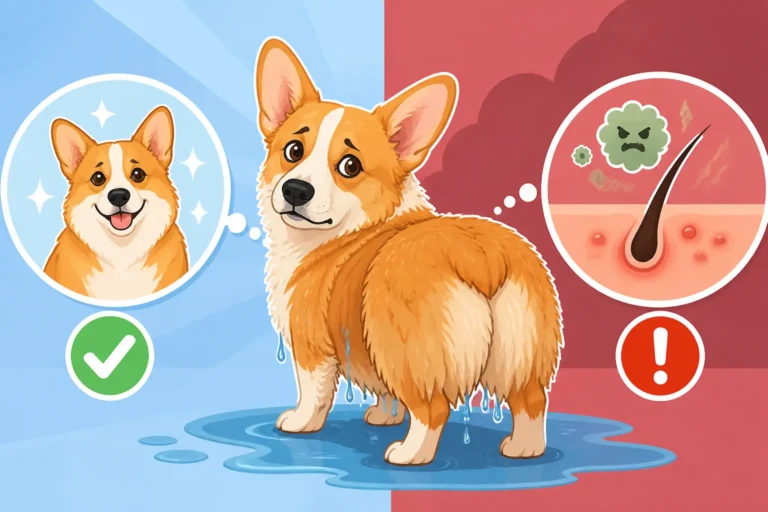
A damp Corgi undercoat traps moisture against the skin, creating a breeding ground for pyoderma and other skin infections.
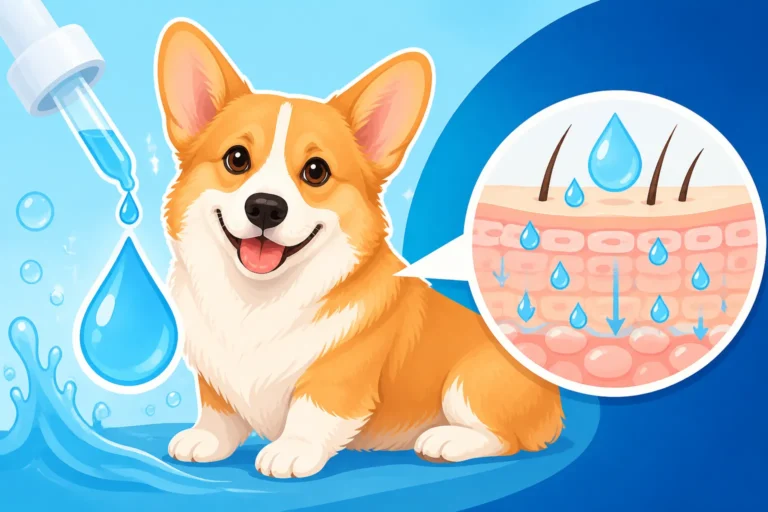
Corgi double coat bathing techniques help owners soak dense fur and shampoo down to the skin without unnecessary stress.
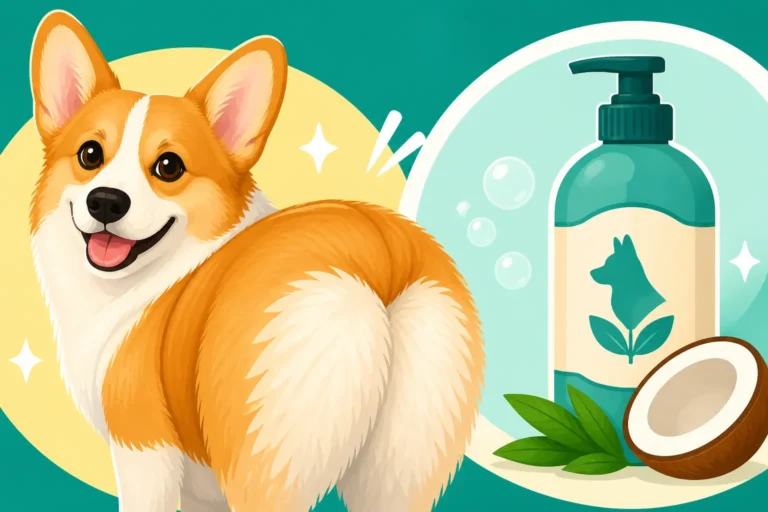
Corgi shampoo selection and specific deshedding formulas clean dense double coats to reduce loose fur from a twenty-eight pound dog.

Corgi bathing frequency depends on their double coat, natural oils, outdoor activities, environment, and weather conditions.
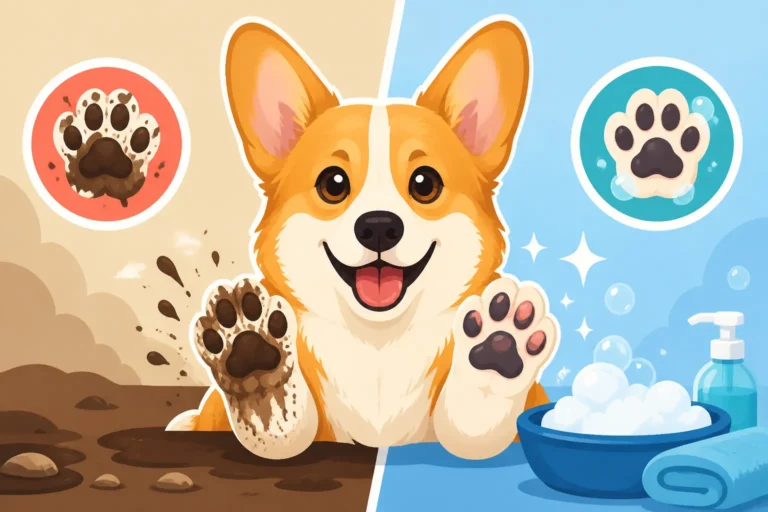
Daily Corgi paw washing needs depend on outdoor weather, terrain, and exposure to seasonal lawn chemicals and road salt.