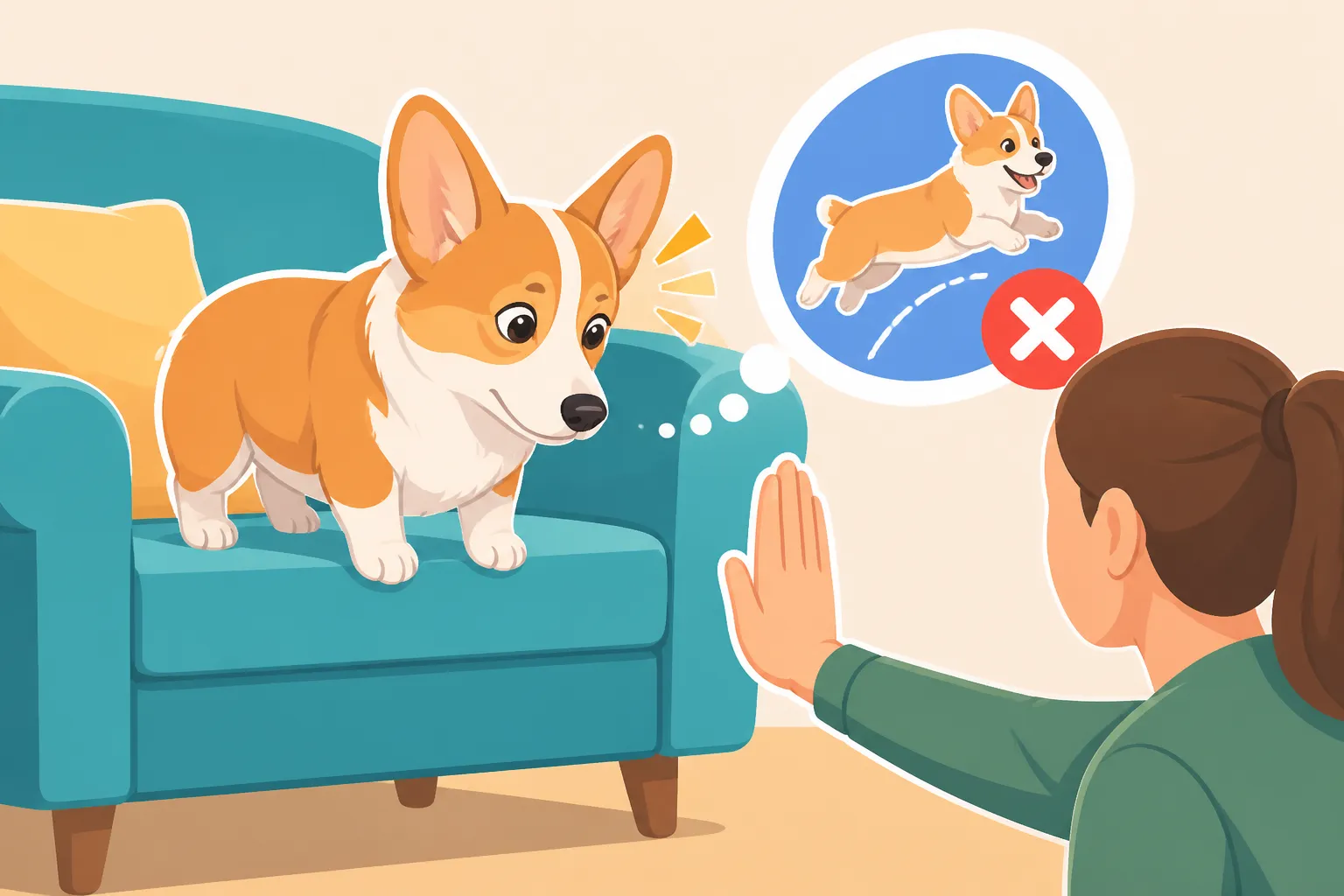
Teaching a Corgi to Wait Before Jumping Down
There’s nothing quite like the sight of your Corgi happily nestled on the sofa beside you, but that adorable moment can quickly turn terrifying when they decide to launch themselves off the cushions without a second thought. This impulsive behavior, while seemingly innocuous, poses significant risks to their precious, long backs. This comprehensive guide will walk you through understanding why your Corgi jumps, the dangers it presents, and most importantly, how to teach them the vital "wait" command before dismounting, protecting them from serious injury.
The Hidden Dangers of a Corgi's Impulsive Jumps
It’s easy to dismiss a quick leap from the sofa or bed as just a dog being a dog, but for a Corgi, these everyday actions carry a much higher risk. Their unique physiology, which makes them so distinctive and lovable, also predisposes them to certain vulnerabilities, especially concerning their spine. Understanding these dangers isn't about fear-mongering; it's about being a responsible, proactive Corgi parent.
Why Their Short Legs Are a Disadvantage Here
Think about your Corgi's build: a long body perched atop those wonderfully stubby legs. While perfect for ducking under the hooves of cattle they were bred to herd, this conformation creates a very specific biomechanical challenge when it comes to jumping. When a Corgi jumps down from a height, even one that seems low to us, the impact travels directly up their short legs and into their comparatively long and less flexible spine. There's not much "shock absorption" available in those little limbs or their compact frame.
The way their body is structured means they don't have the same leverage or cushioning that a dog with longer legs might possess. Each jump creates a jarring force on the intervertebral discs that act as cushions between the vertebrae. It’s like repeatedly dropping a heavy, rigid suitcase from a short height; eventually, something inside is bound to shift or break. This constant, high-impact stress can lead to micro-traumas over time or, worse, a sudden, acute injury. Understanding Why a Corgi's Back Is Built the Way It Is is key to appreciating this risk.
The Real Risk of Disc Injuries
The most alarming danger associated with Corgis jumping is Intervertebral Disc Disease (IVDD). Corgis, along with other chondrodystrophic breeds (those with abnormally short limbs), are genetically predisposed to this condition. In simple terms, their spinal discs can degenerate prematurely, making them brittle and prone to herniation or rupture. A seemingly innocent jump can be the straw that breaks the camel's back, causing a disc to bulge, protrude, or fully rupture.
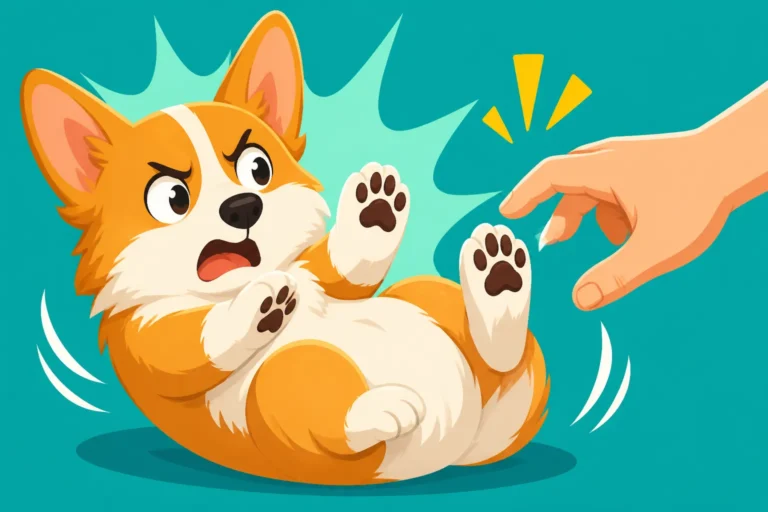
When a disc ruptures, it presses on the spinal cord, leading to excruciating pain, nerve damage, and potentially partial or complete paralysis. The onset can be sudden and dramatic. One moment, your Corgi is playing; the next, they might be yelping in pain, unable to move their back legs, or dragging a limb. This isn't a minor tweak; it's a medical emergency that often requires immediate veterinary attention, including advanced diagnostics and potentially very costly surgery. Many owners have been caught completely off guard, not realizing that The Jump That Ruptures a Corgi Disc could be so devastating. If you ever see Emergency Signs of a Corgi Disc Injury, time is of the essence.
Long-Term Consequences and Joint Strain
Beyond the immediate, acute threat of IVDD, repetitive jumping also contributes to long-term wear and tear on your Corgi's joints and spine. Each hard landing sends stress through their elbows, shoulders, hips, and knees, accelerating the development of degenerative joint diseases like arthritis. Imagine the cumulative effect of hundreds, even thousands, of such impacts over their lifetime. Even if a sudden disc rupture is avoided, the constant jarring can still take its toll.
This chronic strain can lead to stiffness, reduced mobility, and persistent pain as they age. What might seem like a spry, energetic jump in their youth can become a painful movement later on, exacerbating conditions like Early Arthritis in a Corgi. By teaching them to wait and use a ramp or steps, you’re not just preventing a potential emergency; you’re investing in their long-term comfort and quality of life, helping to keep their joints and spine healthier for many more years of happy wiggles.
Understanding the "Why" Behind the Jumps
It's natural to wonder why our Corgis, who seem so smart in other areas, don't instinctively understand the danger of jumping. The truth is, their behavior is a mix of instinct, excitement, and learned habits. Pinpointing the root causes helps us approach training with empathy and effectiveness.
Instinct, Excitement, and Impulsivity
Corgis are herding dogs, bred for quick, decisive movements and an alert, intelligent mind. Their ancestors weren't waiting politely for permission; they were darting and weaving around livestock. This innate drive for action means they often operate on a high level of excitement and impulsivity, especially when something interesting catches their eye. A sudden noise, a family member entering the room, or even the crinkle of a treat bag can trigger an immediate desire to be "in the action," and their quick wits translate this into a fast, unplanned jump.
They live in the moment, and their priorities are often simple: get to the exciting thing, get to you, or get to the floor. The long-term consequence of a spinal injury isn't something their doggy brains can process. Their exuberance is part of their charm, but it's precisely this enthusiasm that makes them overlook safety. This is why you often see them trying to "herd" you or other pets, even nipping at heels, a residual trait from their working past. The Cattle-Driving Nip a Corgi Still Has is a prime example of how instinct can drive their actions.
A Lack of Clear Boundaries
Often, as loving Corgi owners, we inadvertently contribute to the jumping habit. Perhaps when they were puppies, those tiny leaps off the sofa were adorable, and we didn't stop them. Or maybe we're inconsistent – sometimes they're allowed to jump, sometimes they're not, depending on our mood or who's watching. This lack of clear, consistent boundaries is confusing for a Corgi. Dogs thrive on routine and predictability; if the rules are fuzzy, they'll default to what's easiest and most rewarding for them, which is often jumping.
Every time they successfully jump off the furniture without intervention, the behavior is reinforced. They learn that jumping is an effective way to get what they want, whether it's off the couch for a walk or onto the floor to greet you. Without a clear "wait" command and consistent enforcement, they have no reason to hesitate. It's not malicious; it's simply a learned pattern of behavior. Our job is to teach them a better, safer pattern.
Seeking Attention (Even Negative Attention)
Corgis are highly social and intelligent, and they absolutely adore being the center of attention. Sometimes, their jumping behavior, especially if it elicits a reaction from you (even a gasp or a scolding), can become a tool for getting your focus. If they jump down, and you immediately scoop them up, talk to them, or offer a distraction, they might associate the jump with receiving attention. This means that even if you're reacting negatively, from their perspective, any attention is good attention.
They quickly learn cause and effect, and if jumping down, followed by a human reaction, consistently gets them what they desire (your gaze, your voice, physical interaction, or access to something exciting), they'll continue the behavior. This is particularly true for Corgis who are prone to making their own decisions or being a bit cheeky. For these smart cookies, it's a strategy that often works. Training a Corgi That Makes Its Own Decisions means being smarter than they are about what behaviors you reinforce.
Step-by-Step Training for a Controlled Descent
Now that we understand the risks and reasons behind the jumping, let's dive into practical, positive training methods to keep your Corgi safe. Consistency and patience are your best friends here.
Laying the Foundation: "Off" and "Stay" Commands
Before you can teach a dedicated "wait" for jumping, your Corgi needs to understand basic impulse control. The "off" command is crucial for establishing that furniture is a privilege, not a right, and that they need permission to be on or off it. Start by luring them off the furniture with a treat, saying "Off!" as they move. When all four paws are on the floor, reward them lavishly. Practice this repeatedly from various pieces of furniture until "off" means "get off the furniture, please."
The "stay" command is equally important. Once your Corgi is on the sofa or bed, ask them to "stay." Start with very short durations, just a second or two, rewarding them for remaining in place. Gradually increase the distance you move away and the duration of the stay. This teaches them self-control and the concept of holding a position until released. Without a solid "stay" foundation, asking them to "wait" at the edge of the sofa will be much harder, as they won't have the muscle memory for holding still.
Introducing the "Wait" Command
Once "off" and "stay" are reliable, you can introduce the specific "wait" command for dismounting. This is different from "stay" because "wait" implies a pause before a permitted action, rather than an indefinite hold.
- Start Low: Begin on a very low surface, like a dog bed or a step stool, where jumping down isn't dangerous. Get your Corgi onto the surface.
- Lure and Hold: Hold a tempting treat at your Corgi's nose. Move it slightly over the edge of the surface, just out of reach, so they have to lean to get it. As they lean, say "Wait!"
- The Release: The moment they pause, even for a split second, before taking the leap, move the treat slightly back and give your release command (e.g., "Okay!" or "Free!"), allowing them to jump down and immediately receive the treat and praise. The key is to reward them for the pause, not the jump itself.
- Increase Duration: Gradually increase the amount of time they have to "wait" before you give the release command. Start with one second, then two, then three, building up slowly.
- Increase Height: Once they are reliably waiting on low surfaces, move to slightly higher ones, like a low armchair, then the sofa, and eventually the bed. Always use the same sequence: "Wait!", pause, "Okay!", then reward.
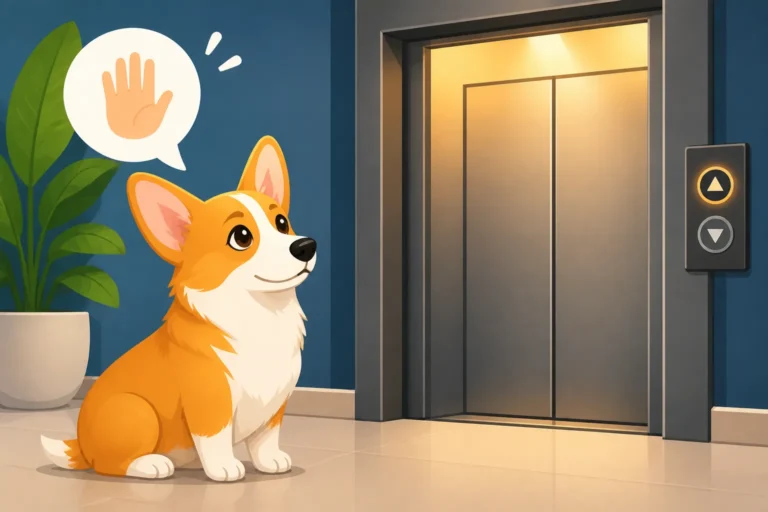
- Fade the Lure: As they understand, start to phase out the treat lure. Give the "Wait!" command with an open hand gesture, then use a verbal release and reward. Eventually, the command itself, followed by the release, should be enough.
- Practice, Practice, Practice: Make this a part of your daily routine. Practice when they are excited, when they are calm, and from different pieces of furniture. Consistency is absolutely crucial. Remember that Ramp Training a Corgi to the Sofa can go hand in hand with this, making the "wait" a precursor to using the ramp rather than jumping.
Managing the Environment with Ramps and Steps
While training is essential, environmental management is equally important, especially for a breed so prone to back issues. Ramps and steps are your Corgi's best friends, providing a safe alternative to jumping. They remove the temptation and the danger, especially when you're not there to enforce the "wait" command.
Invest in sturdy, non-slip ramps or steps that are appropriate for your Corgi's size and the height of your furniture. There are many excellent options available on platforms like Amazon that offer different materials and styles to blend with your home decor. Place them strategically at all common jump-off points: the sofa, your bed, and even the car if your Corgi rides in it often. You might even want to consider steps for getting into and out of your vehicle, especially if your Corgi frequently accompanies you on errands or trips.
Once you have the ramps or steps, you'll need to train your Corgi to use them. Start with treats, luring them up and down the ramp repeatedly. Make it a fun, rewarding game. Some Corgis take to them instantly, while others need more encouragement and patience. The goal is for them to see the ramp or steps as the only way on and off the furniture, not just an option. These tools can genuinely Save a Corgi's Back over their lifetime.
Consistency, Patience, and Problem-Solving
Teaching a Corgi a new habit, especially one that goes against their natural impulses, takes time and dedication. It's not always a smooth linear progression; there will be moments of frustration and setbacks.
The Whole Family Needs to Be On Board
This might be the most challenging part of the training process, especially in a multi-person household. Every single person who interacts with your Corgi must be consistent with the "wait" command and the use of ramps/steps. One family member allowing impulsive jumping can completely undermine weeks of training. Imagine if you've taught your Corgi to wait for a treat, but then your partner gives them a treat without a "wait" cue. It sends a confusing message and weakens the learned behavior.
Hold a family meeting and ensure everyone understands the "why" behind this training—the serious health risks involved. Discuss the exact commands to use, the rewards, and the procedure for guiding them onto the ramps. Consider making it a household rule: "If the Corgi is on the furniture, they use the ramp to get down, always." Children, in particular, need clear, simple instructions and supervision to ensure they're not accidentally reinforcing unsafe behavior.
What to Do When They Slip Up
It's inevitable that your Corgi will have moments of forgetfulness or excitement-driven lapses. Don't get angry or punish them. Punishment can create fear and anxiety, damaging your bond and making training harder in the long run. Instead, when they jump without waiting:
- No Reaction: Avoid any dramatic reaction. Don't gasp, scold, or even make eye contact. A neutral response is key.
- Redirect and Re-train: Calmly guide them back to the furniture (or whatever surface they jumped from). Place them back on the surface, give the "wait" command, and then immediately follow through with the "okay" and reward when they pause.
- Go Back a Step: If they're having frequent "slips," it means you might have progressed too quickly. Go back to a lower surface or shorter duration where they were successful and build up again more slowly.
- Manage the Environment: If slips are common, consider making the furniture temporarily inaccessible when you can't actively supervise or enforce the "wait." Baby gates can be invaluable for blocking off areas. If they've had an injury, strict confinement like Six Weeks of Crate Rest With a Corgi may be necessary, underscoring the importance of prevention.
Making It a Habit for Life
Teaching your Corgi to wait isn't a one-time lesson; it's an ongoing commitment to their safety and well-being. Even after they seem to have mastered the command, continue to reinforce it regularly. Integrate the "wait" command into your daily interactions whenever they need to get off furniture or out of the car. The more it becomes a routine, the more ingrained and automatic the behavior will be.
Think of it as a life skill, like "sit" or "stay," but with higher stakes for their physical health. The aim is to create a default behavior where they instinctively pause and look for your release cue or the ramp, rather than impulsively leaping. This proactive approach ensures that Whether a Corgi Should Ever Jump Off a Sofa becomes a non-issue because they've learned a safer alternative.
Consider engaging with online training platforms like BAXTER & Bella, which often offer structured programs for impulse control and polite manners. These resources can provide additional guidance and support, especially if you're struggling with specific challenges or want to deepen your Corgi's understanding of commands. Remember, patience, consistency, and positive reinforcement will yield the best results and keep your furry friend healthy and happy for years to come.
| Aspect | Training the "Wait" Command | Environmental Management (Ramps/Steps) |
|---|---|---|
| Primary Goal | Teach impulse control and a safe dismount | Provide a physical alternative to jumping |
| Method | Positive reinforcement, lures, verbal cues | Physical aids, visual cues (e.g., ramp placement) |
| Required Effort | High initial effort, ongoing reinforcement | Initial setup/purchase, training to use |
| Benefit | Builds mental discipline, strengthens bond | Immediately reduces physical strain/risk |
| Reliance | Depends on handler consistency & dog's focus | Works even when handler is absent/distracted |
| Ideal Approach | Best used in combination for maximum safety | Best used in combination for maximum safety |
Disclaimer
This article is for general informational purposes only and does not constitute professional advice. Laws, prices and regulations vary by location and change over time. Consult a qualified professional for guidance on your specific situation.