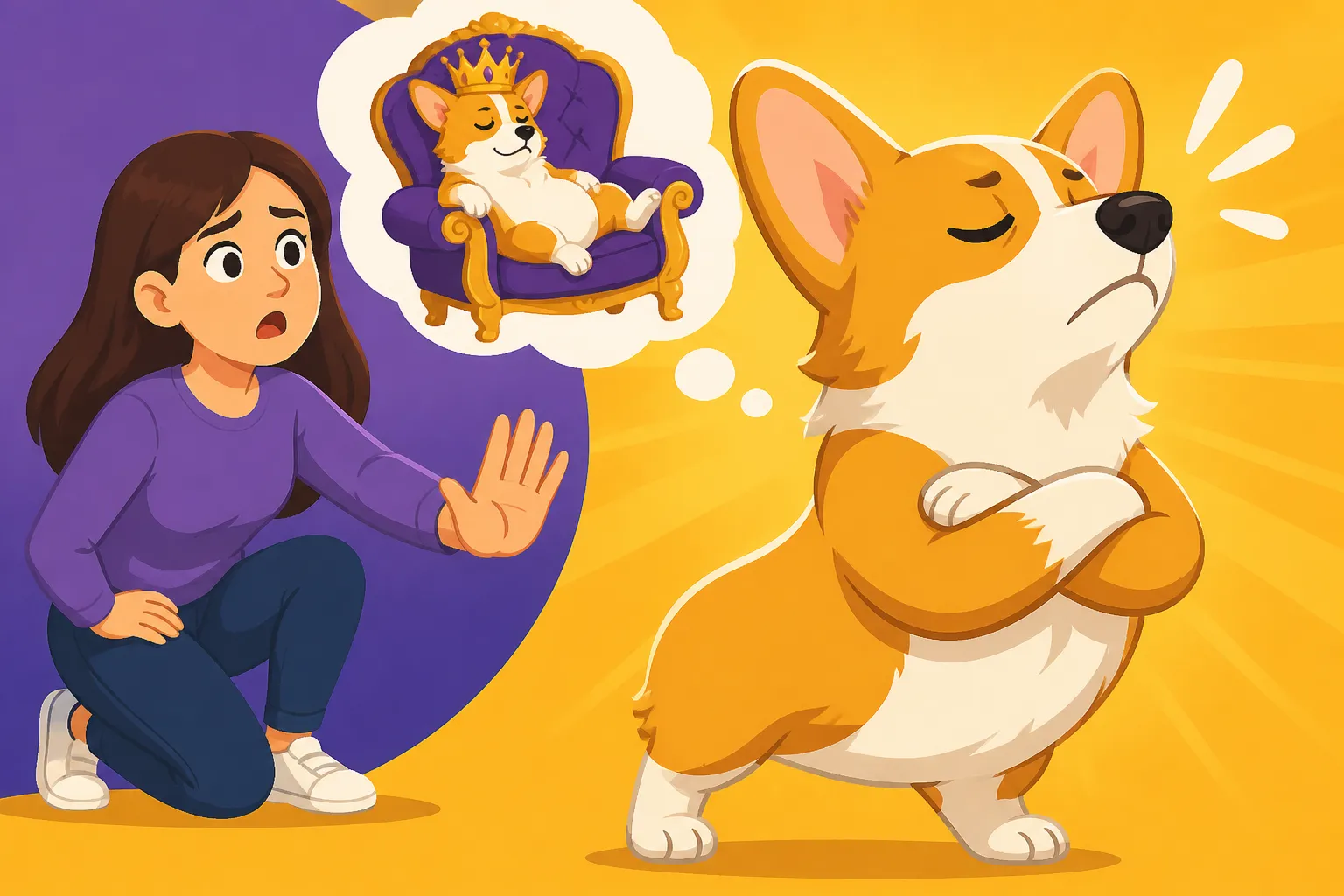
The Age a Corgi Decides It Knows Better
You know that feeling. One day you have a sweet, eager-to-please Corgi puppy who hangs on your every word, and the next, it's like a tiny, furry teenager has taken up residence in your home, complete with an attitude and selective hearing. It's incredibly frustrating when your once-obedient companion suddenly acts like they know better than you do, often at the most inconvenient times. This guide will walk you through the developmental phase when Corgis often start testing boundaries, explain why it happens, and offer practical strategies to navigate this challenging but normal period.
Understanding the Corgi "Teenage" Phase
Just like human teenagers, dogs go through an adolescence where their brains are reconfiguring, hormones are raging, and they're trying to figure out their place in the world. For Corgis, this stage often hits somewhere between six months and two years of age, though it can vary for individual dogs. It’s not just stubbornness; it’s a complex mix of biological and behavioral shifts.
The Biological Drivers of Canine Adolescence
During this adolescent period, a Corgi's body and brain are undergoing significant changes. Their hormones, which have been relatively stable since puppyhood, start fluctuating wildly, mimicking the "growing pains" of human puberty. For male Corgis, testosterone levels can surge, leading to increased marking, sniffing, and a more pronounced interest in female dogs. For females, heat cycles begin, bringing their own set of hormonal shifts and potential behavioral changes. These hormonal surges can make them more restless, easily distracted, and even a bit moody. Think of it as their inner herding dog instincts kicking into overdrive, often making them more independent and less focused on you.
Beyond hormones, their brains are still developing, particularly the prefrontal cortex, which is responsible for impulse control, decision-making, and understanding consequences. This means that while they might know a command, their ability to execute it when distracted or when their instincts kick in might be temporarily impaired. It’s a time when they are trying to assert themselves and understand their environment on their own terms, which can feel like a direct challenge to your authority. This developmental stage is critical and understanding its biological underpinnings helps us approach it with more patience and less frustration.
Shifting Priorities and Independence
As Corgis mature, their priorities naturally shift from being entirely dependent on their human family to exploring their own capabilities and understanding the wider world. Where a puppy might stick close to your side, an adolescent Corgi might feel a sudden surge of confidence (or overconfidence!) that sends them exploring further afield, often with deaf ears to your calls. This is particularly true for Corgis, who were bred to be independent thinkers, making their own decisions when herding cattle. The Cattle-Driving Nip a Corgi Still Has is a good example of how their inherent traits can manifest.
Their world expands beyond your immediate presence, and suddenly, the smell of a distant squirrel, the sight of another dog, or the intriguing sound from next door becomes infinitely more interesting than your request to "sit" or "stay." This isn't personal; it's a natural drive for independence. They are testing the boundaries of what they can get away with, learning what behaviors yield rewards (like chasing that squirrel) versus what displeases you. This phase can feel like a direct challenge to your authority, but it's really your Corgi trying to figure out their place in the social structure and build their own sense of self. It takes consistent guidance to help them understand that while independence is great, listening to you is even better.
Common Behavioral Changes During This Period
During adolescence, your Corgi might display a range of behaviors that can feel like a regression in their training. What used to be simple tasks suddenly become Herculean efforts.
The Sudden Onset of "Selective Hearing"
One of the most common and exasperating changes you'll notice is the sudden disappearance of your Corgi's stellar recall. You call their name, they glance at you, and then deliberately turn their head back to sniff that interesting patch of grass or chase a leaf. This isn't just rude; it's a safety concern, especially if you're in an unfenced area. What feels like selective hearing is often a combination of heightened distraction and that burgeoning independence. Their world is full of new, exciting stimuli, and their adolescent brain struggles to prioritize your voice over the allure of the environment.
It’s easy to get angry, but yelling often just makes them less likely to come. Instead, it’s a sign that you need to go back to basics with recall training, making yourself and coming to you the most rewarding things in their world. This means practicing in low-distraction environments first, then slowly increasing the difficulty. Don't let your Corgi practice ignoring you; if they don't respond, go get them cheerfully and bring them back, then reward. This is a crucial time to reinforce that coming when called is always a good thing. For more on this, check out Corgi Recall and the Herding Instinct.
Pushing Boundaries and Testing Limits
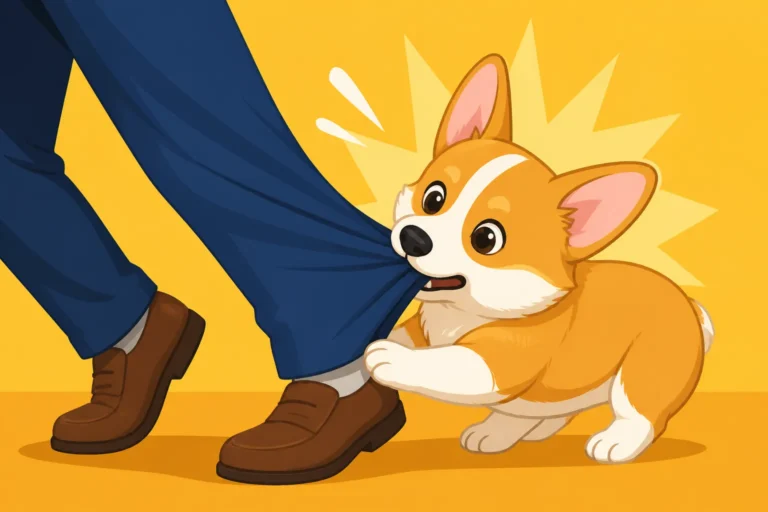
Adolescent Corgis are masters at pushing boundaries. They might suddenly start nipping again, reminiscent of their puppy days, especially when they're excited or trying to herd. This can be particularly jarring if you have children, as a Corgi might try to "herd" them with nips at their heels. This behavior is rooted in their herding ancestry and is often not malicious but an attempt to control movement or gain attention. They might also start barking more, not just at strangers, but at anything that moves outside the window or even just to voice their opinion on the current state of affairs. A Corgi That Nips Running Children is a great resource if you're dealing with that specific issue.
They'll also test limits on things you thought were long-established. Maybe they'll try to sneak onto the sofa after being told no a hundred times, or they'll try to pull on the leash when they used to walk politely. These are not signs of malice, but rather an exploration of their world and their perceived role in it. They're asking, "Can I really get away with this?" Your consistent response is key to teaching them the answer is "no." This is where phrases like Why a Corgi Does It Once and Then Refuses come into play – they're learning what works for them, and if it worked once, they'll try it again!
Increased Confidence (and Sometimes Arrogance)
While some adolescent Corgis become more timid, many develop a bold, sometimes bordering on arrogant, confidence. They might approach new dogs with a swagger they didn't have as a puppy, sometimes leading to misunderstandings with other canines. This can manifest as barking at dogs on walks, ignoring polite signals from other dogs, or even trying to assert dominance. They might also become more vocal in expressing their desires, whether it's for attention, food, or playtime, using their distinctive "Corgi talk" or persistent barking.
This increased confidence can be a double-edged sword. It's wonderful to see your Corgi grow into a self-assured dog, but it's important to guide this confidence into appropriate channels. Socialization doesn't stop after puppyhood; it continues through adolescence, reinforcing good manners with other dogs and people. Keeping them engaged in positive social interactions, under your supervision, helps them learn appropriate behavior and prevents their confidence from turning into pushiness. A confident Corgi is a joy, but an arrogant one can be a handful!
Strategies for Navigating Corgi Adolescence
Dealing with a suddenly "know-it-all" Corgi can test the patience of even the most seasoned dog owner. But with the right approach, you can guide them through this phase and come out with a well-adjusted adult dog.
Consistency, Patience, and Positive Reinforcement
These three pillars are your absolute best friends during Corgi adolescence. Consistency means that everyone in the household needs to be on the same page regarding rules and commands. If one family member lets the Corgi jump on the sofa and another corrects them, your Corgi will quickly learn that rules are flexible and only apply sometimes. Make sure commands are clear, concise, and always mean the same thing.
Patience is vital. There will be days when you feel like you've made no progress, or even gone backward. Your Corgi isn't doing these things to spite you; they're genuinely working through a developmental stage. Losing your temper will only erode trust and make them less likely to listen. Instead, take a deep breath, disengage if you need to, and come back to the issue with a calm, clear mind. Finally, positive reinforcement is always the most effective strategy. Reward the behaviors you want to see with high-value treats, praise, or their favorite toy. If your Corgi struggles with being independent, check out Why an Independent Corgi Ignores You for more insights into their decision-making process.
| Strategy Component | Description | Example with a Corgi |
|---|---|---|
| Consistency | All family members enforce the same rules and commands every time. | If "off" means no jumping on furniture, everyone says "off" and redirects every single time. |
| Patience | Understanding that progress isn't linear and avoiding frustration. | Your Corgi ignored recall five times today. Tomorrow, try again with fresh enthusiasm, not anger. |
| Positive Reinforcement | Rewarding desired behaviors to make them more likely to happen again. | Corgi comes when called? Jackpot with a favorite treat and excited praise! |
| Redirection | Steering unwanted behavior toward an appropriate outlet. | Corgi nips at ankles? Immediately offer a chew toy or initiate a game of fetch. |
Re-engaging with Training and Mental Stimulation
It's common for owners to feel like their adolescent Corgi has forgotten everything they learned as a puppy. This is normal! Think of this period as an opportunity to refresh and solidify their training. Go back to basics with commands like sit, stay, come, and down, practicing them in short, fun sessions throughout the day. Keep training sessions brief – Short Bursts of Training a Corgi Will Take will resonate with any Corgi owner – to match their shorter attention span.
Mental stimulation is incredibly important for intelligent breeds like Corgis, especially during this challenging phase. Brain games, puzzle toys (you can find many great options on Amazon), and scent work can help tire them out mentally and prevent boredom-related misbehavior. Consider enrolling in an advanced obedience class or a fun activity like introductory agility (with Corgi back health in mind) or even a beginner's herding class. These activities not only provide mental exercise but also reinforce your bond and your role as their leader. Online training programs, like those offered by BAXTER & Bella, can also provide structured guidance and help you stay consistent with training exercises from home.
Managing the Environment for Success
Preventing unwanted behaviors is often easier than correcting them after they've happened. Take a critical look at your home environment and identify areas where your Corgi might be tempted to break rules or get into trouble. For instance, if your Corgi jumps on the sofa, consider blocking access when you're not there to supervise, or use ramps or steps designed for dogs to protect their spine if you want them on the furniture.
Use baby gates to restrict access to certain rooms or to create a safe, smaller space for them if you can't actively supervise. Crate training, if not already established, can be a lifesaver during this period, providing a safe den for your Corgi and giving you peace of mind. For more on keeping a Corgi sane during confined periods, you might find Keeping a Corgi Sane When Confined helpful, even if they aren't on medical crate rest. Remember, setting your Corgi up for success means making it easy for them to make the right choices and difficult to make the wrong ones.
When to Seek Professional Help
While Corgi adolescence is a normal phase, there are times when the behavioral changes can become overwhelming or indicative of a deeper issue that requires professional intervention. Knowing when to reach out for help is a sign of a responsible owner, not a failure.
Red Flags and Escalating Behaviors
While some pushing of boundaries is normal, certain behaviors should raise a red flag and warrant a consultation with a certified professional dog trainer or veterinary behaviorist. These include:
- Aggression: Any signs of aggression, such as growling, snapping, or biting towards people or other animals, that are beyond typical puppy nipping or territorial warnings. This is especially concerning if it seems unprovoked or escalates quickly.
- Excessive Destructive Behavior: While some chewing is normal, if your Corgi is routinely destroying furniture, walls, or other household items despite adequate exercise and mental stimulation, it could indicate severe anxiety or boredom that needs professional guidance.
- Persistent Fear or Anxiety: If your Corgi becomes overly fearful of new people, places, or sounds, or develops separation anxiety that manifests in constant barking, howling, or destructive behavior when left alone, these are issues that can significantly impact their quality of life and require expert help.
- Unmanageable Reactivity: If your Corgi barks, lunges, or becomes overly agitated at every dog, person, or object on walks, and your attempts at redirection aren't working, a professional can help you understand the root cause and implement a desensitization and counter-conditioning program. Whether a Corgi Barks More Than Most discusses their vocal nature, but excessive, unmanageable barking is different.
- Complete Disregard for All Commands: If your Corgi seems to have entirely "forgotten" all basic commands and you're struggling to regain any control, it's time to bring in an expert to assess your training methods and your Corgi's understanding.
Don't hesitate if you're seeing these signs. Early intervention can make a huge difference in managing and resolving these issues before they become deeply ingrained habits.
Choosing the Right Professional
When seeking help, it's crucial to find a qualified and ethical professional. Not all dog trainers are created equal, and choosing the wrong one can do more harm than good. Look for trainers who use positive reinforcement, force-free methods, and have certifications from reputable organizations. Ask about their experience specifically with Corgis or herding breeds, as these dogs have unique temperaments and motivations. Whether a Trainer Understands a Herding Corgi can help you discern who might be the best fit.
A good trainer will observe your Corgi in their environment (or ask for videos), discuss your concerns in detail, and create a customized training plan that you feel comfortable implementing. They should teach you how to train your dog, empowering you with the tools and knowledge you need. For severe behavioral issues like aggression or extreme anxiety, a veterinary behaviorist (a veterinarian with specialized training in animal behavior) is often the best choice, as they can assess for underlying medical conditions and prescribe medication if necessary, in conjunction with behavioral modification. Online platforms like BAXTER & Bella can also offer comprehensive puppy and dog training programs, often with access to trainers who can provide personalized support, which can be a great starting point for many owners. Always remember that you are your Corgi's advocate, so choose a professional who prioritizes their well-being and builds on your relationship with positive methods.
Disclaimer
This article is for general informational purposes only and does not constitute professional advice. Laws, prices and regulations vary by location and change over time. Consult a qualified professional for guidance on your specific situation.