Teaching a Corgi Puppy to Stop Grabbing
Oh, the joy of a Corgi puppy… quickly followed by the sharp, surprising pain of those tiny, needle-like teeth clamping down on an ankle, a pant leg, or even your hand! It’s a common, if frustrating, experience for many new Corgi parents, leaving you wondering if your adorable fluffball thinks you’re a chew toy. This comprehensive guide is here to walk you through exactly why your Corgi puppy might be grabbing at everything in sight and, more importantly, how to gently but firmly teach them to use their mouth appropriately, saving your skin (and your furniture).
Understanding Why Your Corgi Puppy Grabs
It's easy to take it personally when your Corgi puppy seems intent on mouthing or nipping at you. However, it’s rarely about aggression, especially in young pups. Instead, it's a completely natural, if inconvenient, part of their development and breed heritage. Before we dive into solutions, let's explore the root causes of this "grabby" behavior.
The Herding Instinct and Puppy Mouthing
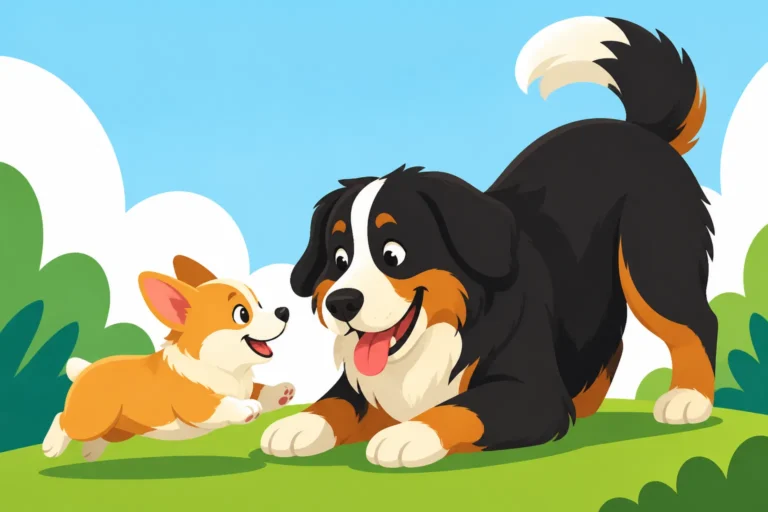
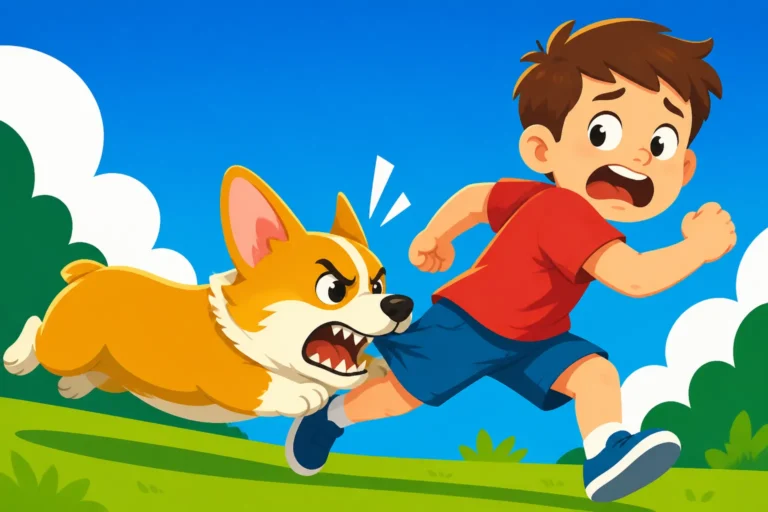
Corgis, both Pembrokes and Cardigans, were bred to be herding dogs. Think about it: how do you move a stubborn cow that's much larger than you are? You nip at its heels to get its attention and direct it. This isn't a gentle nudge; it's a quick, sharp grab. While your puppy isn't trying to herd you into the kitchen, that inherent instinct to use their mouth to interact with and control their environment is deeply ingrained. They're exploring the world with their mouths, and to them, you're part of that world. This is why you often see a Corgi that nips running children or goes for moving feet.
This instinct is usually stronger when they're excited, overtired, or feeling playful. They don't yet understand that human skin is delicate and not covered in protective fur like a littermate. It’s their way of initiating play, testing boundaries, and communicating. They’re still learning canine social etiquette, and it's our job to translate that into human-appropriate behavior. It’s vital to remember this is not malice, but instinct and lack of understanding.
Teething Troubles and the Need to Chew
Just like human babies, Corgi puppies go through an intense teething phase. Their sharp puppy teeth start to fall out around 3-4 months old, making way for adult teeth, a process that can continue until they are about 6-7 months old. During this time, their gums are sore, swollen, and itchy. Chewing provides immense relief by massaging their gums and helping to dislodge stubborn puppy teeth.
If your Corgi puppy is constantly grabbing and mouthing at you or household items, it's a strong indicator that they need appropriate outlets for this natural urge. Without suitable chew toys, anything within reach becomes fair game – your hands, your clothes, the legs of your coffee table. Providing a variety of textures and hardness levels in chew toys is critical to help them through this uncomfortable period.
Attention-Seeking Behavior
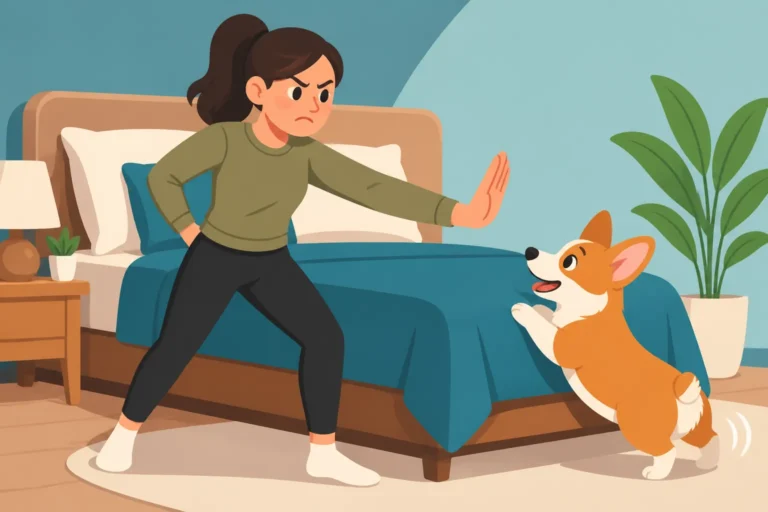
Corgis are smart, and they learn quickly what gets a reaction from you. If grabbing or mouthing at you consistently results in you looking at them, talking to them (even if it's to tell them "no!"), or pushing them away, they might interpret that as positive attention. To a puppy, any attention can be good attention, especially if they’re feeling bored or under-stimulated.
Imagine a scenario where your puppy is quietly playing with a toy, and you're busy with something else. Then, they decide to gently mouth your hand, and suddenly you're engaged, making eye contact, and even pulling your hand away with a gasp. In their puppy brain, they’ve just discovered a reliable way to get you to interact. Breaking this cycle is crucial, as we want to teach them that calm, appropriate behavior earns your attention, not disruptive grabbing.
Preventing Grabbing Before It Starts
As with many puppy behaviors, prevention is often the easiest and most effective strategy. By setting up your environment and managing your puppy’s routine, you can significantly reduce opportunities for unwanted grabbing.
Puppy-Proofing Your Home
Just as you would child-proof for a toddler, you need to puppy-proof for a Corgi. Their low stature means everything on lower shelves or floors is within easy reach. Electrical cords, shoes, remote controls, children's toys, and even low-hanging blankets or tablecloths can become irresistible targets for a curious, teething puppy. Remove these temptations from their reach entirely.
Use baby gates to restrict access to certain rooms where it's harder to manage their environment or where valuable items reside. This not only protects your belongings but also helps create a safe space for your puppy where they can’t get into trouble, thus preventing the need for you to constantly intervene or scold. A well-secured pen can be invaluable for times you can't actively supervise.
Providing Appropriate Chew Toys
This is where the rubber meets the road! A Corgi puppy needs to chew. Your goal is to redirect that natural instinct onto acceptable items. Offer a wide variety of chew toys with different textures, shapes, and hardness levels. Think about soft rubber toys, rope toys, tougher nylon chews, and even puzzle toys that dispense treats. Brands like Kong and Nylabone are popular choices that offer a range of durable options suitable for enthusiastic chewers.
Rotate toys regularly to keep things interesting. A toy that was ignored yesterday might become a favorite today if it reappears after a short break. Make sure the toys are appropriately sized for your Corgi, too – too small, and they become a choking hazard; too large, and they might not be able to get a good grip. Providing a frozen carrot or a chew that's been in the freezer can offer extra relief for sore gums. This strategy ties directly into chews a teething Corgi can have.
| Scenario | Why it Happens | Immediate Action | Long-Term Strategy |
|---|---|---|---|
| Grabbing at your pants/feet | Herding instinct, attention-seeking | Redirect with a toy, then ignore | Teach "leave it," reward calm behavior |
| Mouthing hands during play | Learning bite inhibition, excitement | Yelp, withdraw attention, offer toy | Consistent redirection, structured play |
| Chewing furniture | Teething, boredom, lack of alternatives | Interrupt with a sound, redirect to toy | Increase appropriate chew toys, puppy-proof |
| Grabbing leash on walk | Excitement, seeking control | Stop moving, wait for release, reward | Practice loose-leash walking, impulse control |
Managing Excitement Levels
Corgi puppies can be bundles of energy, and that excitement often manifests as mouthiness. Over-tiredness can also lead to an increase in grabbing, much like a human toddler getting cranky. Structured play sessions are wonderful, but know when to bring things down a notch. If play becomes too frantic and your puppy starts nipping harder or more frequently, it's time for a cool-down.
Introduce calm activities into your routine. Short training sessions, snuffle mats, or frozen stuffed Kongs can engage their minds without overstimulating their bodies. Teach them an "off switch" by encouraging them to settle with a chew toy on their bed. Recognize the signs of an over-stimulated or overtired puppy – frantic running, excessive nipping, or ignoring commands – and step in to help them de-escalate. Sometimes, a short, enforced nap in their crate is exactly what they need to reset.
Teaching Your Corgi Puppy What to Grab Instead
Once you’ve put preventative measures in place, the next step is active training. You need to clearly communicate to your Corgi puppy what is acceptable to grab and what is not. This requires patience, consistency, and positive reinforcement.
The "Yelp and Ignore" Method
This classic puppy training technique mimics how puppies learn bite inhibition from their littermates. When one puppy bites another too hard, the bitten puppy will often let out a sharp "yelp" or cry, immediately disengaging from play. This teaches the biting puppy that their bite was painful and play stops when they bite too hard.
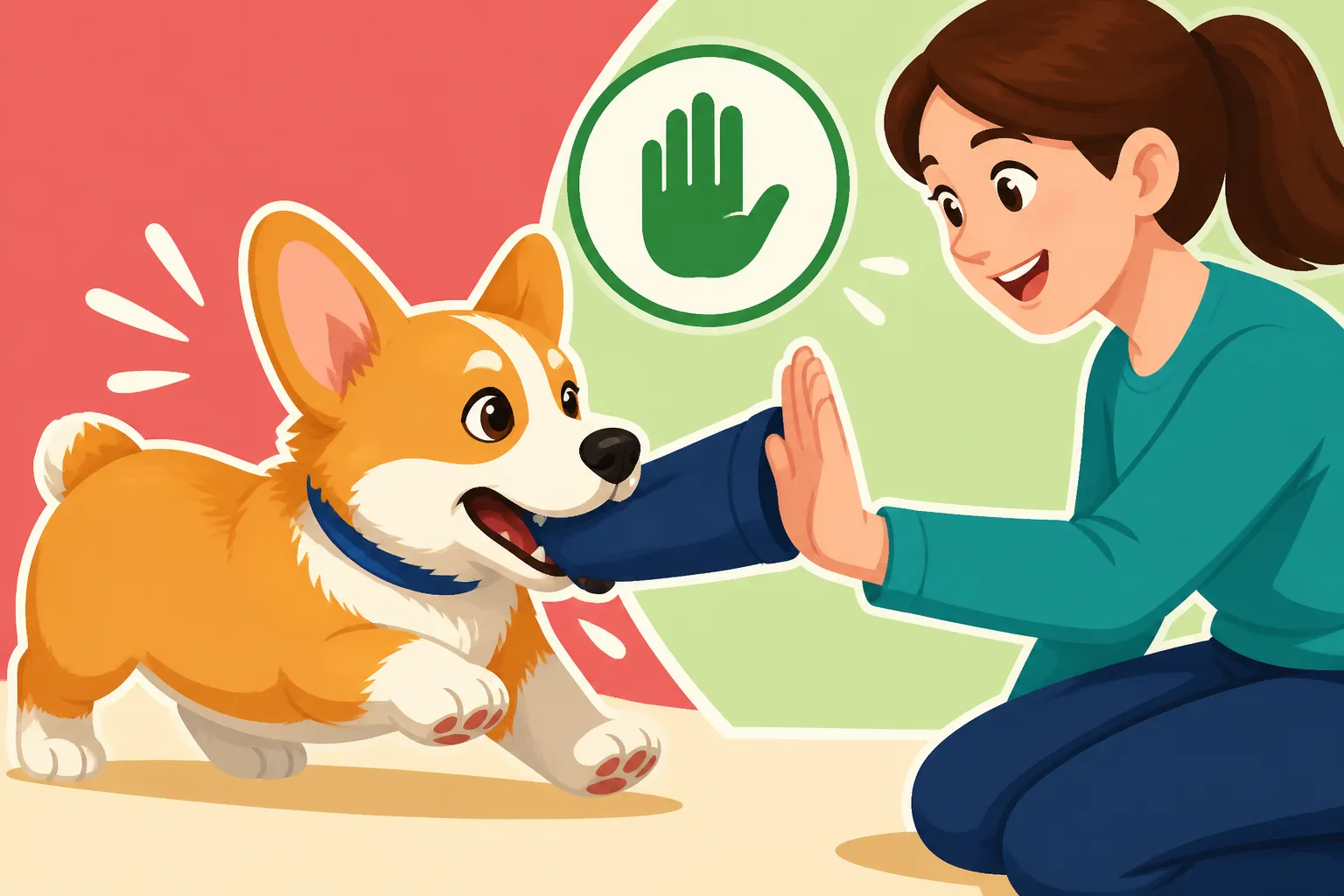
When your Corgi puppy puts their teeth on your skin with too much pressure, let out a sharp, high-pitched "yelp" or "ouch!" Immediately withdraw your hand or whatever they were grabbing and turn your back to them. Ignore them completely for 10-15 seconds. If they calm down, you can re-engage with a toy. If they continue to grab, you might need to leave the room for a very brief "time out" (we'll cover this more below). The key is that the fun stops instantly when their teeth touch skin. Consistency here is crucial; everyone in the household must follow the same rule.
Redirection and Positive Reinforcement
This is your most powerful tool. When your puppy goes to grab your hand or pant leg, quickly intervene by redirecting their attention to an appropriate chew toy. As soon as their mouth closes around the toy instead of you, praise them enthusiastically ("Good chew!") and offer a tasty treat. The goal is to make grabbing the toy far more rewarding than grabbing you.
Carry appropriate chew toys in your pockets or have them readily available in every room. The moment you see your Corgi puppy winding up to mouth or grab, present the toy. This is where you proactively teach them what is allowed. You're not just stopping a bad behavior; you're actively shaping a good one. This redirection works wonders for a Corgi that nips running children – redirecting that herding drive to a more acceptable "herd" like a toy or ball.
Teaching "Leave It" and "Drop It"
These two commands are invaluable for any dog, especially a mouthy Corgi.
- "Leave It": Start with a treat in your closed hand. Say "Leave it" and present your fist to your puppy. They will likely try to lick, paw, or even mouth your hand. Ignore all attempts. The moment they back away or look at you, open your hand and immediately give them a different, high-value treat from your other hand (not the one they just "left"). Practice this many times, gradually moving to leaving a treat on the floor, then a toy. The goal is for them to understand that ignoring the item leads to a better reward.
- "Drop It": When your puppy has an appropriate toy in their mouth, hold a high-value treat near their nose. The moment they open their mouth to investigate the treat and the toy drops, say "Drop It!" and give them the treat. Then, quickly pick up the dropped toy and give it back, or swap it for another toy. You want them to learn that "drop it" means good things happen and they get their toy back, making them more willing to release items.
These commands give you direct control over what your Corgi puppy is allowed to hold in their mouth, which is especially helpful if they grab something they shouldn't.
Using Time-Outs Effectively
Time-outs are not about punishment, but about withdrawing attention and the opportunity for fun. If your Corgi puppy is over-excited, won't stop grabbing even after redirection, or bites too hard, a brief time-out can be very effective. The key is that it must be short and immediate.
Lead or carry your puppy to a quiet, boring space like their crate, a laundry room, or behind a baby gate in a hallway. Don't say anything, don't scold, just remove them from the fun. Leave them there for 30-60 seconds. If they're quiet, let them out. If they're still barking or carrying on, wait until they have a moment of silence before releasing them. The goal is to teach them that obnoxious behavior makes the fun disappear. This works best if done consistently by everyone in the household.
Advanced Techniques and Maintaining Consistency
Teaching a Corgi puppy not to grab is an ongoing process that requires dedication and a unified approach from everyone they interact with. It's not a one-and-done solution; it's a marathon.
Getting the Whole Family on Board
This is perhaps the biggest challenge. Every single person who interacts with your Corgi puppy must be consistent with the training methods. If one person allows grabbing, even playfully, it sends mixed signals and undermines all your hard work. Sit down with your family, explain the methods (yelp and ignore, redirect, time-out), and practice together.
Children, especially, need clear guidance. Teach them to offer a toy, stand still and ignore, or walk away if the puppy gets too mouthy, rather than squealing or running, which can exacerbate the herding instinct. If necessary, supervise all interactions between children and the puppy closely, especially in the early stages. Remember, the Corgi puppy mouth and where it lands can be quite painful for little ones.
When to Seek Professional Help
While most Corgi puppy grabbing can be managed with consistent home training, there are times when seeking professional help is a wise decision. If your puppy's biting seems genuinely aggressive (growling, snapping, not letting go), causes injury, or if you feel completely overwhelmed and unable to make progress, don't hesitate to reach out to a certified professional dog trainer or a veterinary behaviorist.
They can assess your specific situation, observe your puppy's behavior, and provide tailored strategies. Online resources like BAXTER & Bella can offer structured training programs and support, but for truly challenging cases, hands-on guidance from a local professional is invaluable. A trainer experienced with herding breeds will understand the nuances of the Corgi temperament and provide effective techniques that resonate with their intelligent, often stubborn nature. You might also want to explore whether a trainer understands a herding Corgi.
Continuing the Learning Journey
Corgis are incredibly smart and thrive on mental stimulation. Don't let their small size fool you; they need a "job" to do, and training can be that job. Continue to refine their impulse control with games like "fetch," "find it," and structured obedience exercises. Enroll in a puppy class or even an online training course through platforms like BAXTER & Bella to keep them engaged and learning new skills.
Regular, appropriate exercise is also key. A tired Corgi is often a well-behaved Corgi. This doesn't mean endless running, but rather a good balance of physical activity and mental enrichment. Think about activities like short, brisk walks, puzzle feeders, or even teaching them new tricks in short bursts of training a Corgi will take. The more you channel their energy and intelligence into positive outlets, the less likely they are to resort to unwanted behaviors like grabbing for attention or relief.
Disclaimer
This article is for general informational purposes only and does not constitute professional advice. Laws, prices and regulations vary by location and change over time. Consult a qualified professional for guidance on your specific situation.