Jump Heights That Suit a Corgi in Agility
For Corgi owners, the thrill of seeing your low-riding, energetic companion navigate an agility course is truly something special. But there's always that nagging worry about their long backs and short legs – what if a jump is too high? This guide is here to walk you through understanding appropriate jump heights for Corgis in agility, both in competitive settings and for safe, fun practice at home, addressing those very real concerns about keeping your beloved Corgi healthy and happy while they embrace their inner athlete.
Understanding Your Corgi's Unique Physique for Agility
Let's be honest, Corgis are built differently. They're undeniably adorable, but their unique physical structure, while perfect for nipping at the heels of cattle, presents some specific considerations when it comes to high-impact activities like jumping in agility. It's not about holding them back, but about understanding their body to ensure their longevity and well-being in the sport.
The Corgi's Low Rider Build and Spinal Considerations
Corgis, both Pembrokes and Cardigans, are what we call "chondrodystrophic" breeds. This fancy word essentially means they have disproportionately short legs and a long body. It’s what gives them their iconic, low-slung appearance, but it also means their spine is under different mechanical stresses than a dog with more proportionate limbs. Think of it like a long bridge with short support beams – it needs careful consideration, especially with repetitive movements and impacts. Many Corgi owners grapple with the thought of Disc Disease in a Long-Backed Corgi because of this, and rightly so. Their intervertebral discs are more prone to issues, and jumping can put additional strain on these vulnerable areas. When considering agility, our primary goal isn't just to clear the bar, but to ensure that every jump is executed in a way that minimizes risk to their precious spine.
Why Those Short Legs Need Special Attention
Beyond the back, those charmingly short legs also play a significant role in agility. A Corgi's stride is different; they have to work harder and take more steps than a longer-legged dog to cover the same distance. When they jump, the mechanics of their take-off and landing are crucial. There's less "spring" in those short legs, meaning they often have to power through more with their core and hindquarters. This isn't a weakness, but a characteristic that requires thoughtful training and appropriate obstacle design. It's why we don't just put them on a standard course without modifications; their shorter stature means they experience obstacles, especially jumps, very differently from, say, a Border Collie or even a larger herding breed. The potential for a misstep, or an awkward landing, could be more impactful on their joints and spine, reinforcing why Agility With a Corgi's Back in Mind is so vital.
Official Agility Jump Height Standards for Corgis
When it comes to competitive agility, various organizations set specific jump height standards tailored to different breeds and sizes. These standards are developed with canine safety in mind, attempting to strike a balance between challenge and preventing injury. For Corgis, their unique build means they fall into specific, lower height categories.
AKC and Other Governing Body Guidelines
Most major agility organizations, like the American Kennel Club (AKC) in the US, the Kennel Club in the UK, or the Canadian Kennel Club (CKC), categorize dogs by height at the Withers (the highest point of the shoulder blades) to determine their jump height class. For Corgis, this usually means they compete in the lowest available categories.
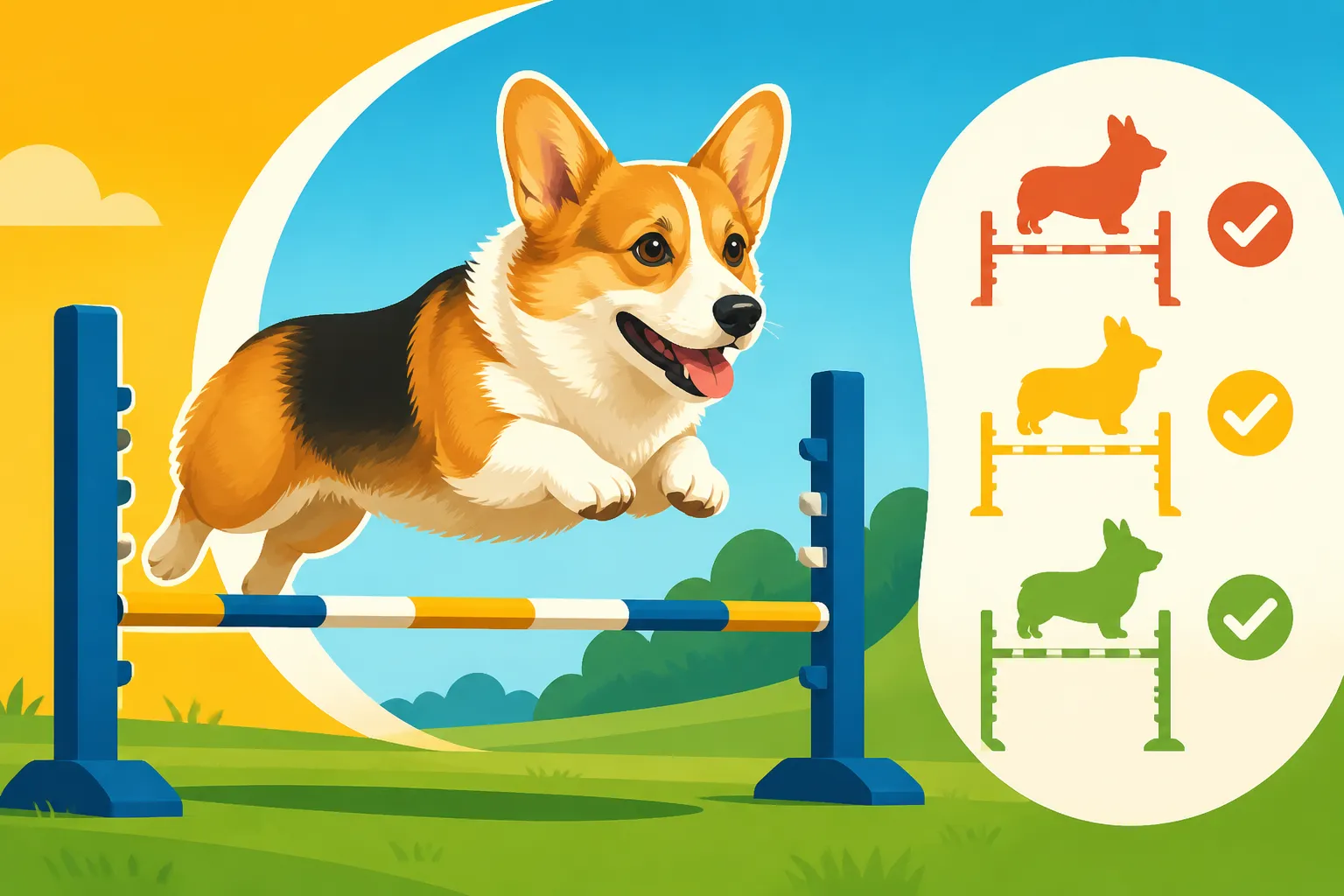
For example, the AKC's preferred and regular classes often place Corgis (Pembrokes and Cardigans) in the 8-inch or 12-inch jump height category, depending on their individual height. The general rule is that a dog jumps one category higher than its measurement. So, a Corgi measuring up to 10 inches at the withers might jump 8 inches, and one measuring up to 14 inches might jump 12 inches. It's essential to check the most current regulations for the specific organization you plan to compete with, as these guidelines can occasionally be updated. These rules exist not to limit your Corgi, but to protect them, especially given concerns like The Jump That Ruptures a Corgi Disc.
Interpreting the "Jump Height Card" for Your Corgi
Before competing, your Corgi will typically need to be officially measured by an agility judge or designated official. This measurement determines their permanent jump height class. Once measured, you'll usually receive a "jump height card" or official documentation confirming your Corgi's eligible height.
This card is crucial because it ensures consistency and fairness across competitions, but more importantly, it's a safety net. It means your Corgi will only be asked to clear jumps that are deemed appropriate for their build. For Corgi owners, this card becomes a vital tool in advocating for your dog's safety and ensuring they're not placed in a class that could put undue stress on their body. Don't hesitate to ask questions about the measurement process or the implications of your Corgi's assigned height. Understanding this card is key to responsible participation in agility.
Here’s a general idea of how jump heights might align with Corgi measurements in many organizations:
| Corgi Height at Withers (Approximate) | Jump Height Class (Example) | Common Corgi Breeds | Considerations |
|---|---|---|---|
| Up to 10 inches | 8 inches | Smaller Pembrokes, some Cardigans | Often the lowest class; focuses on technique, not extreme height. |
| Over 10 inches, up to 14 inches | 12 inches | Most Pembrokes and Cardigans | Common class for many Corgis; still well within safe limits if trained properly. |
| Over 14 inches, up to 18 inches | 16 inches | Taller Cardigans (rare for Pembroke) | Less common for purebred Corgis, ensure veterinarian approval if your Corgi measures into this range. |
Note: These are illustrative examples. Always consult the official rules of the specific agility organization you plan to join for exact measurements and classifications.
Adjusting Jump Heights for Training and Safety at Home
While competitive standards are fixed, training at home offers a fantastic opportunity to tailor the experience precisely to your Corgi's needs and build confidence. It’s all about progression, positive reinforcement, and putting their physical well-being first. After all, the fun of agility isn't just in the competition, but in the journey of learning and bonding with your dog.
Progressive Training Approaches for Corgis
When you're starting out with a Corgi, or even if you're working on new skills, the jumps should be incredibly low, or even flat bars on the ground. Think of it as teaching them the concept of going over an obstacle, rather than clearing a height. Start with a "ground board" – essentially a plank or PVC pipe lying flat – so they learn to step over it. Then, very gradually, you can raise it a few inches. We're talking 2-4 inches at first. The goal is to build muscle memory, strengthen their core, and teach them proper form for take-off and landing without any stress.
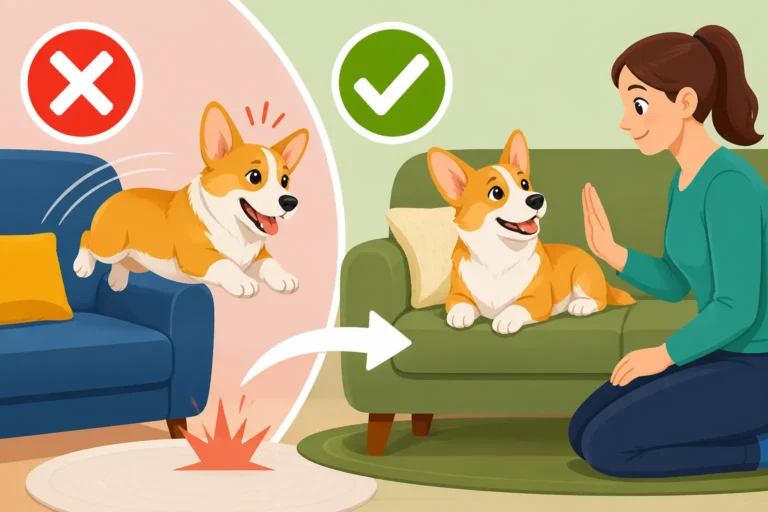
It’s about understanding that Whether a Corgi Should Ever Jump Off a Sofa is risky, so we certainly don't want to encourage uncontrolled high jumping in training. Keep sessions short, fun, and always end on a positive note. Praise them lavishly for successful attempts, even if it's just stepping over a low bar. Remember, consistency over intensity is key. You're building an athlete, not pushing them to their limits prematurely.
DIY Agility Equipment and Safe Practice
Setting up your own agility course at home can be incredibly rewarding, and it allows you complete control over jump heights and other obstacles. You don't need fancy, expensive equipment to start. Simple PVC pipes, garden stakes, or even sturdy cardboard boxes can be transformed into safe, adjustable jump standards. Just make sure whatever you use is stable but also designed to fall apart easily if your Corgi bumps into it, preventing injury. This concept is vital for safety, protecting their back and joints.
For example, many owners find great success with readily available PVC kits or even basic jump sets from places like Amazon. The key is to have adjustable heights. You want to be able to set the bar literally an inch or two off the ground. For higher-quality, more durable equipment suitable for serious training, brands might offer adjustable jump sets that are easy to assemble and modify, perfect for progressive training. Always ensure the landing area is soft, like grass, and free of debris. Building your own ramps or steps can also be beneficial around the house to prevent accidental jumps, reinforcing good habits even outside of training. Ramps and Steps That Save a Corgi's Back are just as important as safe agility equipment.
Beyond Jumping: Other Agility Elements That Suit a Corgi
Agility is so much more than just jumping, and this is fantastic news for Corgis! Their intelligence, eagerness to work, and powerful little bodies make them excel at many other elements of the course. Focusing on these areas can build confidence, engage their minds, and provide incredible exercise without putting excessive strain on their backs.
Weave Poles, Tunnels, and Contact Obstacles
Corgis often absolutely adore weave poles. This is an exercise in focus, body control, and quick footwork – all things a Corgi can master with gusto. Starting with wide-spaced poles and gradually bringing them closer together is a great way to introduce this. Similarly, tunnels are a huge hit. The thrill of zooming through a crinkly tunnel is often irresistible to them! These obstacles are wonderful because they provide intense physical and mental exercise without any jumping.
Contact obstacles, like the A-frame or dog walk, also offer a fantastic challenge. While these do involve climbing, the emphasis is on controlled ascent and descent, touching specific "contact zones" with their paws, rather than launching into the air. When training these, use very low angles initially for A-frames, and keep dog walks low to the ground. Teach them a slow, controlled pace, ensuring they understand where their feet need to be at all times. A trainer like BAXTER & Bella, with their online programs, could offer fantastic guidance on breaking down these complex behaviors into manageable steps, making sure your Corgi learns safely and effectively. This structured approach helps ensure your Corgi develops the muscle and coordination necessary to navigate these obstacles without undue stress on their unique physique.
Mental Engagement as a Key Component for Corgi Agility
Let’s not forget that Corgis are highly intelligent dogs from a working breed background. They were bred to make their own decisions on the farm, often independent from their human handler. This means that mental engagement is just as important, if not more so, than physical exertion in agility. The Job a Corgi Needs Instead of Herding You often involves problem-solving and partnership, and agility provides that in spades.
Activities like scent work or trick training can also be incorporated to build focus and drive, translating beautifully to the agility ring. Agility isn't just about speed; it's about accuracy, understanding cues, and working as a team. A Corgi's keen mind will thrive on learning sequences, anticipating obstacles, and figuring out the quickest, most efficient path. Using their brains keeps them happy, stimulated, and less prone to mischievous behaviors born of boredom. Keeping them engaged and enthusiastic about learning is perhaps the most important "training approach" you can take with these clever little dogs.
Disclaimer
This article is for general informational purposes only and does not constitute professional advice. Laws, prices and regulations vary by location and change over time. Consult a qualified professional for guidance on your specific situation.