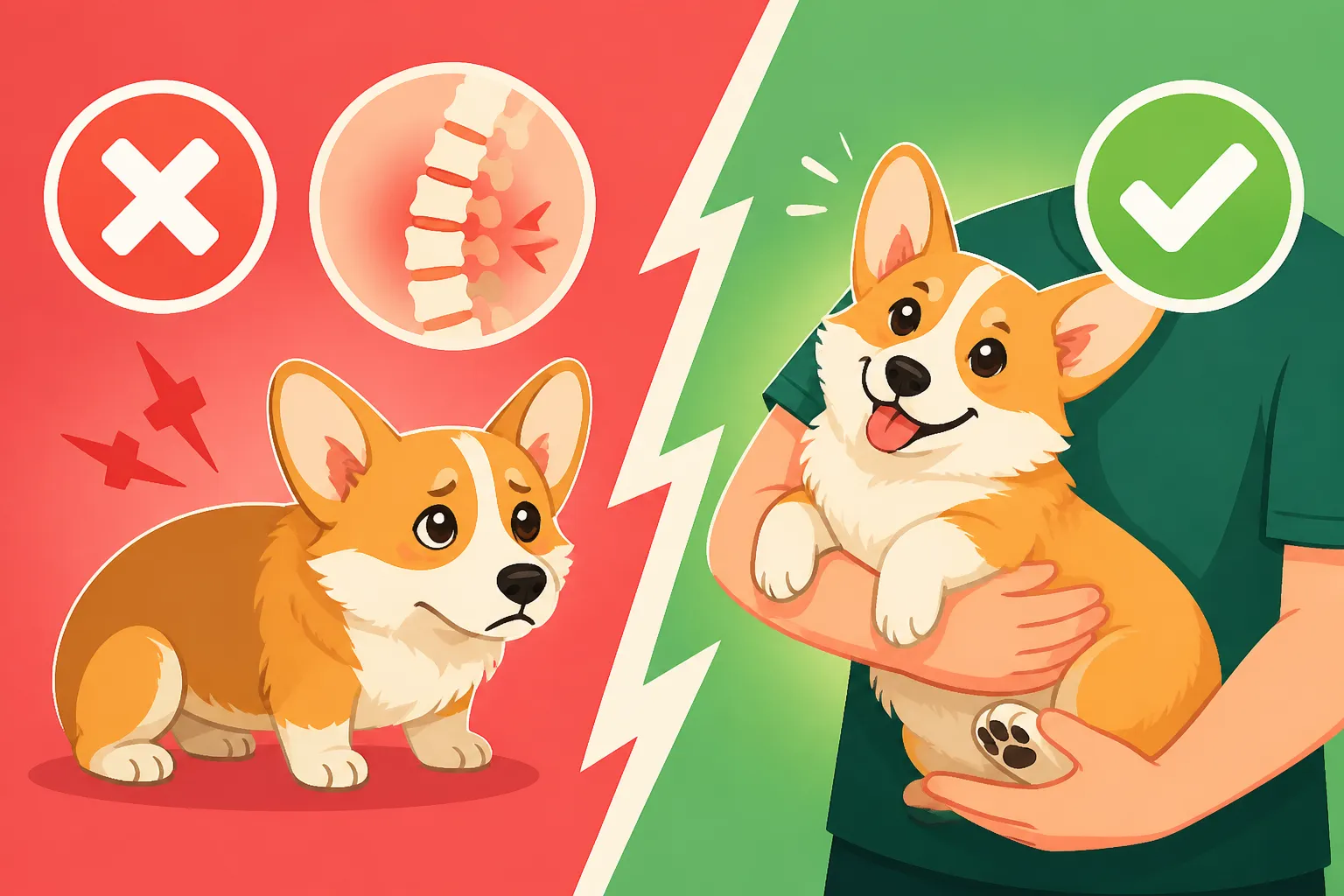
Whether a Corgi Should Be Lifted Instead
It's a common dilemma for Corgi parents: you see your little low-rider gearing up for a leap off the sofa, or perhaps a daring jump out of the car, and your heart jumps right along with them. We all know those short legs and long backs are adorable, but they also come with a unique set of vulnerabilities, making us wonder if we should constantly be swooping in to lift them instead. This guide is all about navigating that very real concern, helping you understand the risks and learn the safest ways to protect your beloved Corgi's precious spine.
Understanding the Risks of Jumping for Corgis
Corgis, with their distinctive long bodies and short legs, are built for herding cattle, ducking and weaving around hooves. It’s a design that’s incredibly efficient for their original purpose, but it also makes their spines particularly vulnerable to impact and strain. That quick, enthusiastic jump off the bed might seem harmless, but for a Corgi, it carries a surprising amount of risk.
The Anatomy of a Vulnerable Spine
Think of your Corgi’s spine like a delicate string of pearls, with soft, jelly-like discs cushioning each bone (vertebra). These discs act as shock absorbers, allowing for flexibility and movement. The issue with Corgis and other chondrodystrophic breeds – those with dwarfism that results in short limbs – is that their discs are inherently different. Instead of being soft and jelly-like throughout their lives, these discs tend to harden and calcify prematurely. This process can start quite early, even in young dogs, making the discs less resilient and more prone to injury. This condition is often referred to as What Chondrodystrophy Means for a Corgi.
When a Corgi jumps, especially from a height, the impact can put immense pressure on these already compromised discs. Imagine a stale jelly donut being squashed: the filling can rupture, or herniate, causing the disc material to press on the spinal cord. This is known as Intervertebral Disc Disease (IVDD), and it’s a very serious condition that can lead to severe pain, nerve damage, and even paralysis. A single bad jump can be enough to trigger a devastating disc rupture, turning a happy, active dog into one in excruciating pain overnight.
Common Jumping Scenarios and Their Dangers
You might not even realize how many everyday activities involve risky jumps for your Corgi. The sofa is a classic culprit. Your Corgi loves snuggling up with you, but getting down often involves a quick hop that puts a sudden, jarring force through their spine. Beds are another common hazard, especially higher ones, which amplify the impact. Whether a Corgi Should Ever Jump Off a Sofa explores this in more detail.
Car rides, too, can pose a threat. While they might eagerly jump in or out to start an adventure, the height and awkward landing can be problematic. Even smaller, seemingly innocuous jumps, like off a low porch step or a garden wall, can accumulate stress over time. Think about the cumulative effect: multiple small impacts throughout the day, every day, adding up to significant wear and tear on those delicate discs. It's not always one big jump that causes the problem; sometimes, it's the constant repetition of smaller ones that eventually leads to a breakdown.
When Lifting Your Corgi is the Safest Option
Given the risks, it's pretty clear that sometimes, a good old-fashioned lift is the safest bet for your Corgi. But it's not just about stopping them from jumping; it's also about preventing other forms of spinal stress and ensuring their long-term well-being. Knowing when to lift and how to do it properly is paramount.
Situations Demanding a Lift
There are many situations where lifting your Corgi becomes not just a kindness, but a necessity. High furniture, like your bed or a tall couch, is the most obvious. Your Corgi might be agile, but those jumps are inherently risky. Similarly, getting in and out of a car, truck, or even some SUVs requires a significant leap for a Corgi. Instead of allowing them to launch themselves, a gentle lift in and out can save their spine.
Stairs are another tricky area. While some Corgis navigate them with surprising speed, repetitive climbing and descending can put a lot of strain on their back, especially if they rush or misstep. For very young puppies, whose growth plates are still open, or older Corgis already showing signs of Early Arthritis in a Corgi or Screening an Older Corgi's Spine concerns, lifting them on stairs is a wise choice. Any situation where a jump might be uncontrolled, from a steep incline on a walk to an uneven surface, warrants a protective lift. In essence, if it looks like a height that might cause a human to stumble or jar themselves, it's probably too high for your Corgi to jump safely.
Minimizing Spinal Strain Beyond Jumping
Lifting isn't just about preventing big, dramatic jumps. It's also about reducing everyday stresses that can contribute to disc issues. For instance, many Corgis love to sit up on their hind legs, begging for treats or attention. While cute, this posture can put unnatural stress on their lower spine. While an occasional "sit pretty" might be fine, making it a regular habit isn't ideal. Similarly, wrestling games with other dogs or even roughhousing with humans can involve sudden twists and impacts that are best avoided.
Even how you pick up your Corgi normally matters. A quick scoop under the armpits, leaving their back unsupported and dangling, is a common mistake that can easily strain their spine. Understanding the proper lifting technique is just as crucial as knowing when to lift. It’s a holistic approach to Corgi care: minimizing risky movements, providing support when needed, and being mindful of their unique physical needs in all interactions.
The Right Way to Lift a Corgi
Okay, so we've established that lifting your Corgi is often the best choice for their spinal health. But there's a right way and a wrong way to do it. A clumsy lift can be just as damaging as a jump, or even worse, it can make your Corgi fear being handled. We want them to feel secure and comfortable in your arms, associating lifts with safety and affection.
Step-by-Step Safe Lifting Technique
The key to a safe Corgi lift is supporting their entire body, especially their long back. Think of it like cradling a baby or a delicate package – you want even support.
Here’s a simple breakdown:
- Approach Calmly: Get down to their level if possible, or at least squat down, rather than towering over them. Speak in a gentle, reassuring voice.
- One Hand Under the Chest: Slide one hand underneath your Corgi's chest, just behind their front legs. This hand will support their rib cage and front end.
- Second Hand Under the Rear: Place your other hand or forearm under their hindquarters, supporting their belly and backend. For longer Corgis, you might need to use more of your forearm to ensure their entire body from chest to tail is supported.
- Lift Evenly: Once both hands are firmly in place, gently lift your Corgi straight up, keeping their body level and their spine in a natural, straight alignment. Avoid any twisting or sudden jerking movements.
- Hold Securely: Keep them close to your body for added security, reducing any swing or instability.
- Lower Gently: When putting them down, reverse the process: lower them slowly and evenly onto a stable surface. Ensure all four paws are on the ground before releasing your grip.
This method ensures their weight is evenly distributed and their spine remains straight and supported throughout the lift. This detailed approach is also covered in Picking a Corgi Up Without Hurting It.
Avoiding Common Lifting Mistakes
It's easy to fall into habits that aren't ideal, especially when you're in a hurry. One of the most common mistakes is the "football hold" or scooping them up under just one arm. While it might feel secure to you, it often leaves their back unsupported, allowing their hindquarters to dangle and their spine to curve or twist. This can put undue strain on their discs, negating the benefit of lifting them in the first place.
Another mistake is lifting them by their front legs or under their armpits alone. This can put a lot of pressure on their shoulders and neck, and once again, leaves their entire back unsupported. A Corgi's back is designed to be strong when supported by their legs, but not when hanging freely. You also want to avoid sudden, jerky lifts or drops. Treat every lift and lower as a deliberate, gentle movement. If your Corgi seems uncomfortable or resists being lifted, take a moment to assess your technique. Are you supporting them fully? Are you being gentle and reassuring?
Alternatives to Constant Lifting: Ramps and Training
While knowing how to lift your Corgi safely is essential, relying solely on lifting isn't always practical for every single interaction. Plus, it empowers your Corgi to navigate their world more independently, which is great for their confidence and your own peace of mind. Investing in good tools and consistent training can make a huge difference.
Investing in Ramps and Dog Stairs
Ramps and dog stairs are absolute game-changers for Corgi owners. They provide a safe, low-impact way for your dog to get onto and off furniture, into and out of vehicles, and even navigate steps that might otherwise be too challenging. When choosing ramps, look for sturdy, non-slip surfaces. A good ramp should have a gentle incline, not a steep one that forces your Corgi to scramble or jump at the top. For instance, you can find a wide variety of well-reviewed pet ramps and stairs on Amazon, often with different angles and materials to suit your home and car.
Dog stairs can also be useful, especially for lower furniture like sofas. Again, focus on stability and non-slip treads. The steps should be shallow and wide enough for your Corgi to comfortably place all four paws. Placement is key: put them where your Corgi naturally wants to jump, like next to their favorite spot on the couch or by the passenger seat in your car. Many owners find having multiple ramps or sets of stairs around the house (e.g., one for the bed, one for the sofa, one for the car) to be incredibly beneficial. This way, the safe option is always readily available. Check out Ramps and Steps That Save a Corgi's Back for more ideas.
Training Your Corgi to Use Ramps and Stairs
Having the equipment is only half the battle; your Corgi actually needs to use it! This is where positive reinforcement training comes in. Many Corgis are intelligent and food-motivated, making them excellent students. Start by introducing the ramp or stairs on flat ground, not attached to furniture. Let them sniff and explore it. Place high-value treats (like small pieces of cheese or cooked chicken) on the first step or at the bottom of the ramp. Lure them up slowly, placing treats incrementally.
Use a consistent verbal cue, like "ramp" or "steps," as they ascend and descend. Celebrate their successes with praise and more treats! Teaching a Corgi to Use a Ramp details specific strategies. You can even use online resources like BAXTER & Bella, which offer comprehensive online puppy training programs that cover everything from basic manners to safely navigating obstacles. They often provide guidance on positive reinforcement techniques that can be adapted for ramp training. Patience is crucial here. Some Corgis will take to it immediately, while others might be wary. Never force them or scold them; keep it a positive, rewarding experience. Over time, they'll associate the ramp or stairs with treats and easy access, making it their preferred method.
Lifelong Considerations for Corgi Spinal Health
Protecting your Corgi's spine isn't a one-time fix; it's an ongoing commitment that evolves as they grow and age. Just like we adjust our own habits for long-term health, we need to do the same for our furry friends. It involves a combination of preventative measures, attentive care, and a keen eye for changes in their movement.
Maintaining a Healthy Weight
This might sound simple, but it's one of the most impactful things you can do for your Corgi's back. Extra weight puts significant additional strain on their spine and joints, exacerbating any underlying disc issues and increasing the risk of IVDD. Imagine carrying a backpack filled with bricks all day – that's what being overweight feels like for your Corgi's small frame.
Work with your vet to determine your Corgi's ideal weight and feeding plan. Corgis are notorious for loving food, so portion control is crucial. The Body Condition Score a Corgi Should Hold is an excellent resource for learning how to assess if your Corgi is at a healthy weight. Small adjustments to their diet, using their daily kibble as training treats, and ensuring regular, appropriate exercise can make a world of difference. It's not about starving them; it's about providing balanced nutrition in the right quantities to keep them lean and agile.
Regular Vet Check-ups and Early Detection
Regular veterinary check-ups are vital for monitoring your Corgi's overall health, including their spinal well-being. Your vet can assess their gait, spine, and general mobility. Don't hesitate to mention any subtle changes you've noticed – a slight stiffness after a nap, a reluctance to jump, or a change in how they hold their tail. These small signs can sometimes be early indicators of spinal discomfort or developing issues.
While there's no magic bullet to prevent all spinal problems, early detection can often lead to more effective management and a better quality of life. Be proactive. Discuss preventative measures with your vet, especially as your Corgi enters their middle and senior years. Knowing the early signs of issues like The First Signs of DM in a Corgi or disc problems means you can seek intervention quickly, potentially slowing progression or managing pain more effectively.
Encouraging Safe Play and Exercise
Corgis are energetic dogs who need regular exercise to stay happy and healthy. The key is to make that exercise safe and spine-friendly. Opt for activities that involve low impact and avoid sudden, jarring movements. Instead of chasing a ball with sharp turns and stops, try retrieving in a straight line on soft grass. Long walks on varied terrain are great, but avoid overly steep hills or rough ground that might lead to missteps.
Instead of high-impact games, consider activities like scent work, puzzle toys, or even trick training that keeps their minds engaged without stressing their bodies. Swimming, if your Corgi enjoys it, is an excellent non-weight-bearing exercise that builds muscle without spinal impact. Remember, the goal is to provide mental and physical stimulation in a way that cherishes their unique body structure. Think smart, gentle fun, not high-flying acrobatics.
| Action | Benefit for Corgi's Spine | Potential Risk if Ignored |
|---|---|---|
| Lifting | Prevents jarring impact on discs | Spinal strain, fear of handling |
| Ramps/Stairs | Reduces repetitive stress from jumping | IVDD, disc rupture |
| Healthy Weight | Minimizes load on spine and joints | Exacerbated disc issues, arthritis |
| Vet Check-ups | Early detection of spinal problems | Delayed diagnosis, worsened condition |
| Safe Exercise | Builds muscle support, prevents high-impact trauma | Acute injury, chronic pain, nerve damage |
Disclaimer
This article is for general informational purposes only and does not constitute professional advice. Laws, prices and regulations vary by location and change over time. Consult a qualified professional for guidance on your specific situation.