Whether a Corgi Should Play With Small Children
It's a common dilemma for Corgi owners, especially those with growing families or who regularly host tiny visitors: just how well do these boisterous, low-riders mix with small children? While Corgis are undeniably charming and can be incredibly loving, their heritage as herding dogs means they come with some instincts that, if not understood and managed, can lead to frustration or even unintended nips. This guide will help you understand the dynamics between Corgis and young children, offering practical advice to foster a safe and harmonious environment for everyone.
Understanding the Corgi Instinct Around Little Ones
Let's be real, our Corgis are adorable, but they aren't fluffy, docile lap warmers by nature. They were bred for a serious job: herding cattle by nipping at their heels and driving them where they needed to go. Even generations removed from the farm, that instinct still hums quietly (or sometimes loudly!) beneath their cheerful exterior. This can lead to some tricky situations when confronted with the erratic movements and high-pitched sounds of small children.
The Herding Nip: A Misunderstood Instinct
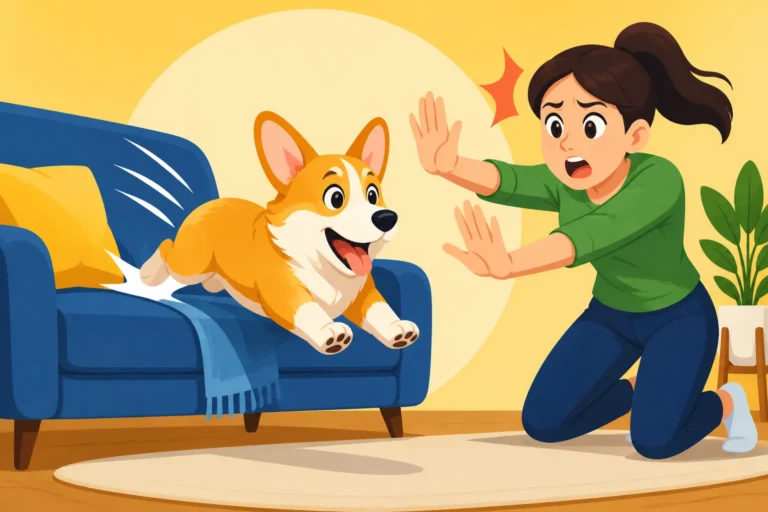
When a toddler wobbles, runs, or squeals, a Corgi's ancient programming can kick in. They might see the child's fast, unpredictable movements as something that needs "rounding up" or "directing." This often manifests as a quick, low nip to the ankles or legs. It's usually not out of malice or aggression, but rather a deeply ingrained behavioral response. For a Corgi, it's just doing its job, but for a child and their parents, it's startling, painful, and concerning. It's crucial to understand that this isn't necessarily a "bad" dog; it's a dog acting on instinct. We, as their human companions, need to manage this predisposition effectively. You might find it helpful to read Why a Corgi Nips Rather Than Bites for more on this specific behavior.
Low to the Ground, Big Personality
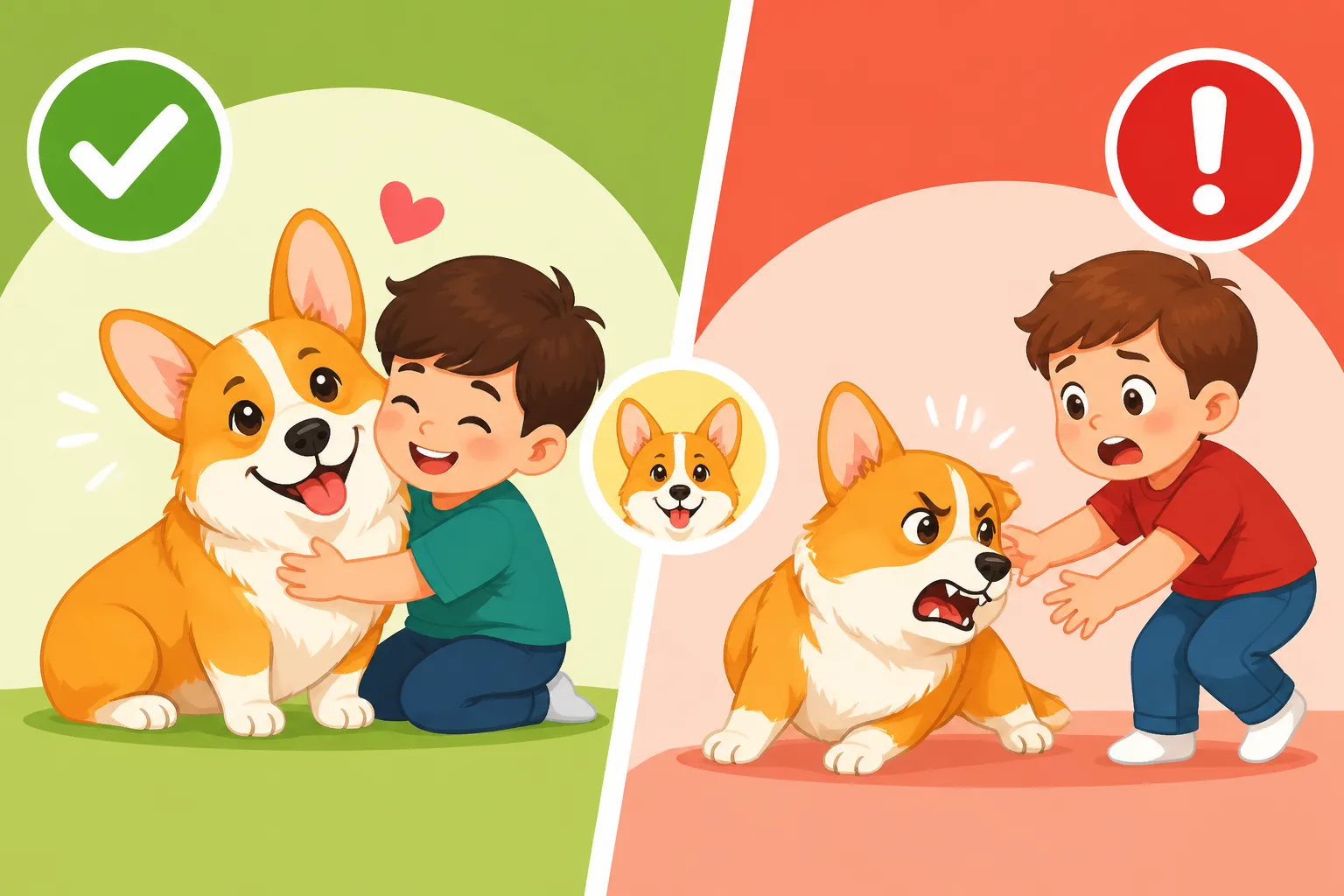
Corgis are built low, which means they are often eye-level with toddlers and small children. While this might seem cute, it can also create challenges. Children, especially very young ones, don't always understand personal space boundaries, and their natural curiosity often involves grabbing, pulling, or sudden hugs. A Corgi, being so close to the child's hands and face, can feel overwhelmed or trapped if not given space. This can escalate quickly, turning a curious sniff into a defensive growl or snap if the dog feels threatened or uncomfortable. Their big personality packed into a small body means they're not afraid to communicate their feelings, and sometimes that communication can be a warning.
Noise Sensitivity and Overstimulation
Small children can be loud. Very loud. Sudden screams, bursts of laughter, dropped toys, and general clamor are all part of a child's world. For some Corgis, especially those not well-socialized to such sounds from a young age, this can be incredibly overstimulating. They might react by barking excessively, retreating, or becoming agitated. A stressed Corgi is more likely to react defensively. Imagine being a low-to-the-ground dog in a room full of giants making unpredictable, loud noises – it can be a lot. Understanding Corgi Barking and How Much Is Normal can help differentiate between typical Corgi vocalizations and stress-induced barking.
Creating a Safe and Respectful Environment
Establishing clear boundaries and consistent expectations for both your Corgi and the children is paramount. It’s not just about managing the dog, but also teaching the children how to interact appropriately and safely. This dual approach helps build trust and mutual respect, which are the cornerstones of any good relationship.
Supervised Interactions Are Non-Negotiable
This is the golden rule: never leave a Corgi unsupervised with small children, ever. Even if your Corgi has been wonderful with kids for years, an unforeseen circumstance can happen in an instant. A child could trip and fall on the dog, startling it, or accidentally pull an ear or tail, leading to a defensive reaction. Constant, active supervision means you are present, engaged, and ready to intervene at a moment's notice. This isn't just about preventing bites; it's about teaching both parties appropriate interactions. You need to be ready to step in if you see A Corgi That Nips Running Children or if a child is being too boisterous.
Here’s a table outlining some common scenarios and appropriate responses:
| Child Behavior | Corgi Reaction (Potential) | Owner Intervention (Immediate) | Goal for Future |
|---|---|---|---|
| Running, squealing | Herding nip, barking, chasing | Gently redirect Corgi; physically block; separate | Teach child calm movement; teach Corgi "leave it" |
| Grabbing fur, ears, tail | Growling, snapping, retreating | Immediately separate child and Corgi; firm "no" to child | Teach child gentle touch; teach Corgi to move away |
| Approaching Corgi while it eats | Resource guarding, growling | Remove child or Corgi; use a barrier | Feed Corgi in a separate, quiet space |
| Hugging, leaning on Corgi | Stiffening, lip lick, avoiding | Gently separate; teach child "pet gently on shoulder" | Teach child consent; teach Corgi to tolerate polite touch |
| Leaving toys on floor | Chewing, guarding, swallowing | Pick up child's toys; provide Corgi-specific toys | Keep child's items out of Corgi's reach; Corgi has own space |
Teach Children Safe Interaction Skills
It’s just as important to educate children on how to behave around dogs. This means teaching them:
- Gentle hands: No pulling fur, ears, or tails. Teach them to pet gently on the back or shoulder, not over the head.
- Respecting space: A dog's bed or crate should be a "safe zone" where they are not disturbed. If the Corgi walks away, the child needs to let them go.
- Reading body language: Teach older children about common dog signals like a tucked tail, lip licking, yawning, or turning away, which indicate the dog is uncomfortable.
- No running or screaming around the dog: This can trigger the herding instinct or overwhelm the Corgi. Help them understand Teaching Children Not to Run From a Corgi.
- "Ask to pet": Always ask an adult before approaching or petting any dog, including their own.
There are fantastic resources for teaching kids about dog safety, including books and online programs. Many professional dog trainers and organizations offer courses specifically on this topic. Even a simple interactive game can help teach boundaries.
Preparing Your Corgi and Your Home
Beyond supervision and education, proactive measures in your home environment and with your Corgi's training can make a world of difference. It's about setting everyone up for success.
Training Your Corgi for a Child-Friendly Life
Consistent, positive reinforcement training is key. Your Corgi needs to understand basic commands reliably, especially "leave it," "stay," "come," and "go to your place" (a designated bed or mat).
- "Leave it": This is invaluable for redirecting a Corgi away from a child's toy or if they start to focus too intently on a child's movements.
- "Go to your place": This gives your Corgi a safe, calm retreat where they know they won't be bothered. Having a comfy bed in a quiet corner (maybe even behind a baby gate) can be their sanctuary.
- Desensitization: Gradually expose your Corgi to typical child noises and movements, always pairing them with positive experiences like treats or praise. Start with low volume recordings of children playing and slowly increase the intensity.
- Impulse Control: Games that build impulse control, like waiting for food or toys, can generalize to other situations, making your Corgi less likely to react impulsively to a child's sudden movements. Online training platforms, like those offered by BAXTER & Bella, often have modules focusing on impulse control and managing puppy nipping, which can be adapted for older dogs around children.
Consider consulting with a certified professional dog trainer, especially one experienced with herding breeds or families with young children. They can provide personalized strategies and help you troubleshoot specific behaviors.
Creating Physical Barriers and Safe Zones
Physical management is a huge part of preventing issues.
- Baby gates: These are your best friends! They allow you to separate your Corgi and children into different areas without full isolation. This means the dog can still be part of the family but from a safe distance, preventing unwanted chasing or nipping. Place gates to block access to certain rooms or to create a designated "Corgi zone" where children aren't allowed. Brands available on Amazon offer a wide variety of sturdy baby gates that can be essential for managing mixed households.
- Crate training: A crate provides a secure, comfortable den for your Corgi. It's not a punishment, but a safe space where they can relax away from the chaos. If you anticipate a busy playdate, crating your Corgi with a special chew toy can ensure their comfort and prevent any potential stress-induced reactions. Six Weeks in a Crate After a Corgi Disc Injury details how essential crate management can be for various reasons, including general safety.
- Leash indoors: For times when you need your Corgi in the same room as children but need to maintain strict control, a leash can be very useful. It allows you to quickly guide them away or keep them close without having to physically grab them. This is especially helpful during periods of adjustment or when introducing the dog to new child visitors.
Recognizing and Responding to Corgi Stress Signals
Being able to "read" your Corgi is critical. Dogs communicate their discomfort long before they resort to a bite. Learning these subtle cues allows you to intervene early, preventing escalation and building trust with your dog.
Common Signs Your Corgi is Uncomfortable
A Corgi who is becoming stressed or uncomfortable around children might display a range of signals. These are not signs of aggression, but rather attempts to communicate their feelings and avoid conflict.
- Lip licking: Often a quick flick of the tongue over the nose when no food is present.
- Yawning: When not tired, this can indicate stress.
- Turning head or body away: Trying to avoid eye contact or disengage from the situation.
- Stiff body posture: The Corgi might become very still, tense, or freeze.
- Tail tucked or held low: A clear sign of anxiety or fear.
- Ears flattened or back: Indicates fear or submission.
- Whites of eyes showing (whale eye): When the dog turns its head but keeps its eyes on the threat, revealing the whites.
- Growling or low rumbles: This is a clear warning. It means, "I'm uncomfortable, please stop." Always respect a growl; punishing it teaches the dog not to warn you, making a bite more likely.
- Attempting to leave the area: If your Corgi is trying to get away, let them! This is a proactive way they manage their own stress. Provide them with an escape route or a designated safe space.
Understanding these signals is crucial for responsible pet ownership. Ignoring them can lead to an overwhelmed Corgi feeling like it has no other option but to escalate its warning. This topic is also touched upon in Telling Disc Pain From DM in a Corgi as pain can sometimes manifest in similar subtle behavioral changes.
When to Intervene and How to De-escalate
As soon as you notice any signs of discomfort in your Corgi, it's time to act.
- Create distance: Gently guide your Corgi to its safe space (crate, bed behind a gate, another room).
- Redirect the child: Distract the child with another activity or move them to a different area.
- Offer a calming activity to the Corgi: A favorite chew toy, a puzzle feeder, or a brief training session with treats can help redirect their focus and bring down their stress levels.
- Assess the situation: What triggered the discomfort? Was the child too loud, too close, or moving too quickly? Use this information to inform future interactions and adjust your management strategies. Perhaps the Corgi needs more structured activities to burn off energy before interacting, such as scent work or controlled play, as explored in The Job a Corgi Needs Instead of Herding You.
Remember, your Corgi relies on you to be their advocate. By observing their behavior and acting quickly and calmly, you not only keep everyone safe but also reinforce your dog's trust in you. A Corgi that feels heard and understood is a happier, more confident Corgi, and ultimately, a safer companion for children.
Disclaimer
This article is for general informational purposes only and does not constitute professional advice. Laws, prices and regulations vary by location and change over time. Consult a qualified professional for guidance on your specific situation.