Why Corgis Bark More Than Most
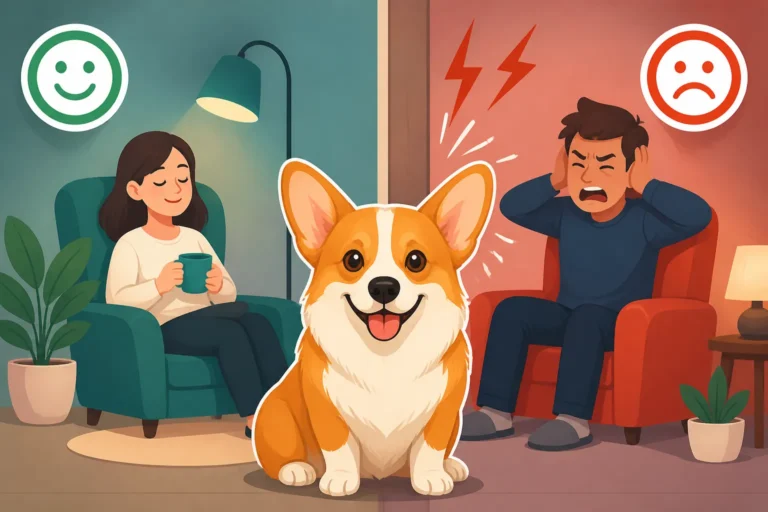
If you're reading this, chances are you've experienced the unique vocal stylings of a Corgi, and perhaps wondered why such a small dog can make so much noise! It's a common frustration for Corgi owners, especially when those barks seem incessant, but understanding the deep-rooted reasons behind their chattiness can absolutely help you manage it. This guide will explore why Corgis are so vocal and offer practical strategies to bring a little more quiet into your home.
The Instinctive Roots of Corgi Vocalization
Corgis, whether Pembroke or Cardigan, come from a long line of working dogs, specifically bred to herd cattle. While their short legs might make you wonder how they managed such a task, their intelligence and sharp instincts were key. A significant part of their herding toolkit wasn't just nipping at heels or using their body to guide livestock; it was their voice. They needed to be loud, clear, and persistent to move animals much larger than themselves.
Herding by Voice: A Deep Dive into Their History
Imagine a lone Corgi in a vast field, tasked with moving a stubborn cow. They couldn't rely on brute force. Instead, they would nip at the heels – a trait many modern Corgi owners might recognize when their dog playfully (or not so playfully) tries to "herd" their family members – and use a powerful, insistent bark. This vocalization served multiple purposes: to startle the livestock, to communicate their presence, and to exert their will. It was an essential tool for their job, refined over generations.
This strong genetic predisposition means that even Corgis who have never seen a cow in their lives still carry that deep-seated instinct to use their voice to control their environment and communicate. It's not just a habit; it's practically embedded in their DNA. For them, barking isn't necessarily a sign of aggression or distress (though it can be); it's often just their way of saying, "Hey! Pay attention! This needs to happen!" It's part of The Cattle-Driving Nip a Corgi Still Has, expressed through sound.
The "Alert System" Gene: Protecting the Herd
Beyond actively herding, Corgis also had a role in protecting the farm. They were often the first line of defense, small but mighty watchdogs with a keen awareness of their surroundings. Any unusual sound, sight, or movement would trigger an alert. Because they are low to the ground, they might not see over every fence, but they could certainly hear and respond.
This means your Corgi's intense alarm barking isn't just them being noisy; it's them doing what their ancestors did: sounding the alarm for the "herd" – which is now your family and your home. They feel a genuine responsibility to let you know if the mail carrier is approaching, if a squirrel dared to cross the yard, or if a leaf blew by a little too vigorously. It's their way of keeping everyone safe, and in their mind, they're doing a fantastic job, even if it feels a little excessive to us sometimes!
Beyond Instinct: Learned Behaviors and Environmental Triggers
While genetics provide a strong foundation for Corgi vocalizations, their environment and learned experiences significantly shape when, how often, and why they bark. Your Corgi isn't just a product of their lineage; they're also a product of their daily life, the sounds they hear, and the responses they get from you.
The Window Watcher: When the World is Too Interesting
Corgis, with their intelligent and observant nature, are often fascinated by the world outside their windows. They consider your home and yard their territory, and anything moving within their sightline can be deemed a potential threat or something that needs "herding." A passing dog, a jogger, a delivery truck, or even just children playing down the street can become a major event.
This "window watching" often escalates into persistent barking because, from your Corgi's perspective, their barking is incredibly effective. The mail carrier always leaves after they bark! The passing dog moves on! What they don't realize, of course, is that these things would happen anyway. But to them, their vocal efforts are directly responsible for "driving away" the perceived intruder, thus reinforcing the barking behavior. It's a classic example of an unintended positive reinforcement loop.
Boredom, Loneliness, and Attention-Seeking Barks
Corgis are smart, active dogs who need mental and physical stimulation. They thrive on having a "job" to do, even if that job is just playing fetch or solving a puzzle toy. When a Corgi is bored or under-stimulated, they'll find ways to entertain themselves, and often, that involves barking. It can be a way to release pent-up energy, alleviate loneliness, or simply get your attention.
Think about it: if your Corgi barks and you immediately respond, even if it's just to tell them to be quiet, they've achieved their goal – they got your attention. This teaches them that barking is an effective communication strategy. They might bark for food, for playtime, for a walk, or just because they want you to acknowledge their presence. This can quickly turn into demand barking, where your Corgi learns that making noise is the quickest way to get you to react. The Job a Corgi Needs Instead of Herding You often includes engaging their minds and bodies to prevent such behaviors.
Echoes from the Pack: Social Learning
Dogs are social creatures, and they learn a lot from their environment and from other dogs. If your Corgi lives with other dogs, especially other vocal breeds, they might pick up barking habits from them. One dog's alarm bark can easily trigger another's, creating a cacophony that can be hard to stop. This "group barking" can become a shared activity, reinforcing each other's noisy habits.
Even without other dogs in the home, your Corgi might learn from neighborhood dogs. Hearing a dog bark across the street can prompt your Corgi to join in, creating a chain reaction. It's a phenomenon many dog owners can relate to – once one dog starts, it's hard to get them all to quiet down. This social aspect highlights the need for consistent training and management, not just for your Corgi, but potentially for all the dogs in hearing range!
Decoding the Corgi "Language": What Their Barks Mean
While it might feel like an endless stream of noise, Corgi barks aren't all the same. They have different tones, intensities, and contexts, and learning to differentiate them can give you valuable insight into what your Corgi is trying to tell you. It's like learning the nuances of a new language – once you start to understand, you can respond more effectively.
The Demand Bark: "I Want It Now!"
This is perhaps one of the most common and often frustrating Corgi barks. The demand bark is typically sharp, insistent, and often repetitive. It’s your Corgi’s way of saying, “Hey! I see you. I want that thing, and I want it now!” This could be for their dinner, for you to throw a toy, for a walk, or simply to get your undivided attention. They know that persistent noise often leads to results.
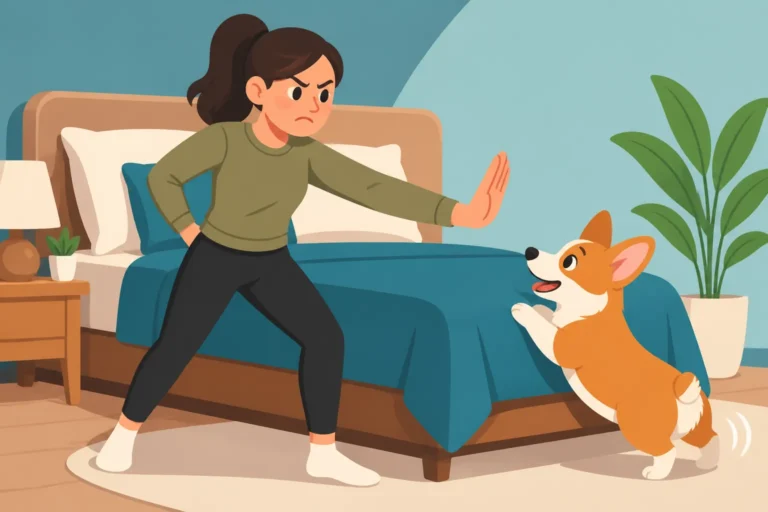
Recognizing this bark is crucial because responding to it reinforces the behavior. If your Corgi barks for attention and you give it (even by scolding them), they've won. The key to tackling demand barking is to ignore it completely. Wait for a moment of silence, even just a few seconds, before giving them what they want. This teaches them that quiet, calm behavior gets them what they desire, not demanding barks. It takes patience, but it's incredibly effective.
The Alarm Bark: "Something's Amiss!"
As mentioned earlier, Corgis are natural watchdogs. Their alarm bark is usually a rapid succession of barks, often accompanied by rigid body language, pointed ears, and an intense stare in the direction of the perceived threat. This isn't usually an angry bark, but rather a warning – they are alerting you to something they perceive as unusual or out of place.
This bark comes from a place of genuine concern and their inherited guarding instinct. While it can be annoying, try to appreciate that your Corgi is trying to protect you. The trick here is to acknowledge their alert, investigate the "threat" (even if it's just a squirrel), and then calmly reassure them that everything is okay. Using a command like "thank you" or "quiet," followed by a treat when they stop barking, can help them learn to settle down after their initial alert.
The Play Bark and the "Happy Howl"
Not all Corgi vocalizations are complaints or warnings! Corgis can be incredibly expressive, and their sounds often reflect their joy and excitement. A play bark is usually higher pitched, more excited, and often comes with bouncy body language, tail wags, and an invitation to engage. This is the bark you hear when they're wrestling with another dog or wanting you to throw their favorite squeaky toy.
Then there's the famous Corgi "woo-woo" or "aroo." This unique vocalization is a long, drawn-out howl that often sounds like they're trying to talk to you. It's usually a sign of happiness, excitement, or a greeting. My Corgi, Winston, will often "woo-woo" at me when I come home from errands or when he knows it's time for his dinner. It's their quirky, charming way of expressing themselves, and for most Corgi owners, it's an endearing part of their personality. There's nothing to "fix" about this one; just enjoy the conversation! Why a Corgi Talks Back often delves into these unique vocal habits.
| Bark Type | Characteristics | Common Triggers | Owner Response Strategy |
|---|---|---|---|
| Demand Bark | Sharp, insistent, repetitive, attention-seeking | Wanting food, play, walk, attention | Ignore until quiet, then reward |
| Alarm Bark | Rapid, intense, often rigid body language | Strangers, delivery trucks, neighborhood sounds | Investigate, reassure, then quiet command |
| Play Bark | High-pitched, excited, bouncy body | Inviting play with humans or other dogs | Join in the fun! |
| Greeting Bark | Excited, happy, often combined with wiggles | Owner returning home, friendly visitors | Calm greetings, praise calm behavior |
| Frustration/Anxiety | Whining, repetitive, sometimes destructive | Confinement, separation, lack of stimulation | Address underlying cause, enrichment |
Strategies for a Quieter Corgi Household
Dealing with a vocal Corgi can test anyone's patience, but the good news is that there are many effective strategies you can employ to manage and reduce excessive barking. It takes consistency, understanding, and a willingness to work with your Corgi's natural instincts.
Consistent Training and Positive Reinforcement
This is the cornerstone of managing any dog behavior, and barking is no exception. Start by teaching your Corgi a "quiet" cue. When they start barking, gently place a treat near their nose to interrupt the bark, and as soon as they quiet down (even for a second), say "quiet" and give them the treat. Repeat this over and over, gradually increasing the time they need to be quiet before receiving the reward. BAXTER & Bella offers excellent online resources and courses that can guide you through these training techniques, providing structured lessons for owners.
It's also crucial to reinforce calm behavior. If your Corgi is lying quietly, offer praise and a small treat. If they are watching something calmly out the window without barking, reward that! We often inadvertently pay more attention to our dogs when they're misbehaving, so consciously shifting that attention to desired behaviors is powerful. This also applies to Teaching a Corgi to Stop on Cue when the barking starts.
Environmental Management: Modifying the Triggers
Sometimes the easiest way to reduce barking is to simply remove or minimize the things that trigger it. If your Corgi barks incessantly at people or dogs passing by the window, consider using privacy film, frosted glass spray, or even just keeping blinds or curtains closed during peak "trigger times." If they bark at sounds from outside, a white noise machine or a radio can help mask those noises.
For Corgis who bark when you leave, ensure their crate or designated safe space is cozy and provides a sense of security. Leaving a high-value chew toy or a puzzle toy stuffed with their favorite treats can keep them occupied and distract them from the anxiety of your departure. You can find many effective options for these on Amazon. Remember, prevention is often easier than correction, especially for deeply ingrained behaviors. Whether Neighbors Complain About Corgi Barking can often be addressed by managing visual and auditory triggers.
Enriching Their Lives: Mental and Physical Outlets
A tired Corgi is often a quieter Corgi. These dogs are intelligent and need outlets for their energy, both physical and mental. Daily walks are important, but Corgis also thrive on activities that engage their minds. Think about puzzle toys, snuffle mats, scent work games (like hiding treats around the house), or even short training sessions to teach new tricks. These activities can be just as tiring, if not more so, than a long walk.
Consider enrolling your Corgi in an obedience class or even a fun sport like introductory agility (with careful consideration for their back, of course, as mentioned in Agility With a Corgi's Back in Mind) or rally obedience. Giving them a "job" to do satisfies their innate working drive and can dramatically reduce boredom-related barking. A Corgi who is mentally and physically stimulated is far less likely to resort to excessive barking out of boredom or frustration.
When to Seek Professional Help for Corgi Barking
While many barking issues can be managed with consistent training and environmental adjustments, there are times when a Corgi's vocalizations might indicate a deeper problem or simply become overwhelming to manage on your own. Knowing when to call in the experts is key to both your sanity and your Corgi's well-being.
Identifying Problematic Barking Patterns
How do you know if your Corgi's barking is "too much"? It's subjective, of course, but there are some signs that indicate it might be more than just typical Corgi chatter. If the barking is:
- Excessive and non-stop: Meaning it goes on for long periods without interruption, even when the trigger is gone.
- Highly reactive: They bark at almost everything, even minor stimuli that wouldn't typically warrant such a reaction.
- Causing distress: Your Corgi seems genuinely anxious, stressed, or fearful when they bark, rather than just alert or demanding.
- Impacts your quality of life: The barking is preventing you from sleeping, enjoying your home, or causing tension with neighbors.
- Accompanied by other concerning behaviors: Such as aggression, destructive chewing, inappropriate urination, or self-harm.
If you're constantly feeling frustrated, overwhelmed, or isolated due to your Corgi's barking, it's definitely time to consider professional help. What a First Corgi Asks of Its Owner often includes patience for their vocal nature, but there's a limit!
The Role of Your Veterinarian
Before consulting a behavior specialist, always start with your veterinarian. Excessive barking can sometimes be a symptom of an underlying medical condition. Pain, discomfort, cognitive dysfunction (especially in older Corgis), vision or hearing loss, or even certain metabolic diseases can lead to increased vocalization. For example, a Corgi with back pain might bark when moving or being touched.
Your vet can perform a thorough physical examination, run diagnostic tests if needed, and rule out any health issues that might be contributing to the barking. They can also offer initial advice on behavior modification and, if necessary, refer you to a board-certified veterinary behaviorist or a certified professional dog trainer. This first step ensures that you're not trying to train away a symptom of a physical problem.
Consulting a Certified Professional Dog Trainer or Behaviorist
If your vet has ruled out medical causes, or if the barking is clearly behavioral, a certified professional dog trainer or a veterinary behaviorist can be an invaluable resource. They have expertise in dog behavior and can help you identify the specific triggers for your Corgi's barking, develop a tailored training plan, and teach you how to implement it effectively.
A good trainer will use positive reinforcement methods and focus on understanding the root cause of the barking, rather than just suppressing the symptom. They can help you with strategies for counter-conditioning, desensitization, and management techniques that are specific to your household and your Corgi's personality. They can also provide guidance on Training a Corgi That Makes Its Own Decisions, helping you shape their independent nature into desirable behaviors rather than incessant barking. Don't be afraid to ask for help; it's a sign of a responsible and caring pet owner.
Disclaimer
This article is for general informational purposes only and does not constitute professional advice. Laws, prices and regulations vary by location and change over time. Consult a qualified professional for guidance on your specific situation.