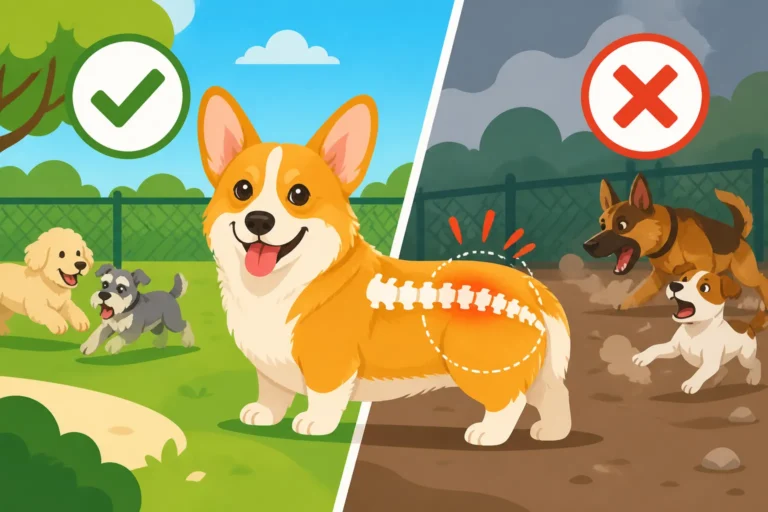
A Corgi in a House Full of Children and Animals
Bringing a spirited Corgi into a bustling household already filled with children and other beloved pets can feel like navigating a charming, furry whirlwind. It's a common concern for many Corgi owners, especially with their strong herding instincts and independent nature. This comprehensive guide will walk you through understanding your Corgi's unique personality traits, how to successfully introduce them to every member of your family – two-legged and four-legged alike – and create a peaceful, harmonious home environment where everyone thrives.
Understanding the Corgi Temperament in a Busy Home
Before you even begin the introductions, it's crucial to truly understand the core personality of a Corgi. These aren't just cute, fluffy loaves; they are intelligent, driven, and often very opinionated dogs with a rich history as working farm dogs. Their inherent traits, while endearing, can sometimes present challenges in a multi-species, multi-human household if not understood and managed proactively.
The Herding Instinct and Nipping Behaviors
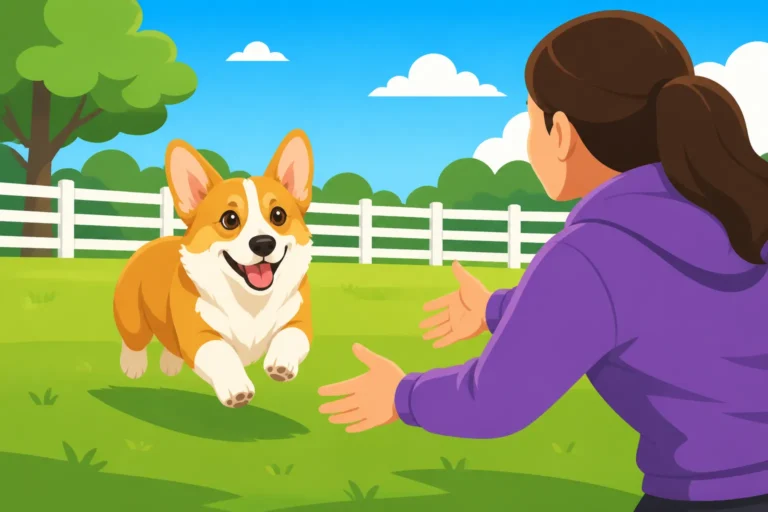
One of the most defining characteristics of a Corgi is their ingrained herding instinct. They were bred for centuries to gather and move cattle by nipping at their heels. This instinct doesn't disappear just because they're now living on your plush sofa instead of a Welsh farm. In a home with children and other pets, this can manifest as playful nips at ankles, chasing, or attempting to "herd" family members. It's not aggression; it's a deeply rooted behavioral pattern.
Imagine a child excitedly running through the house. To a Corgi, this movement can trigger that ancient urge to gather. They might dash after the child, nipping at their heels or trousers. Similarly, a cat streaking across the floor or another dog playing chase can become a "flock" to be managed. This isn't malice, but it can certainly be startling and, for small children or more sensitive pets, even frightening. The key is to recognize this instinct and learn how to redirect it safely and appropriately. We'll delve into specific strategies for A Corgi Nipping at a Running Child later in this guide.
Vocalization and Alerting Tendencies
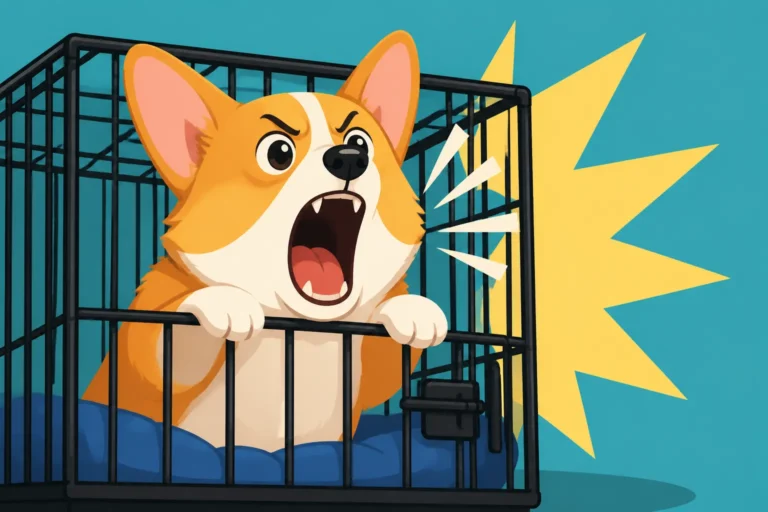
Corgis are known for being quite vocal. They have a variety of barks, yips, and "arooos" that they use to communicate. Historically, this was useful for alerting farmers to intruders or keeping livestock in line. In a modern home, it means they are often the first to let you know about the mail carrier, a squirrel in the yard, or even a leaf blowing past the window. This can be wonderful for security, but in a busy house with lots of coming and going, or with sensitive sleepers (both human and animal), it can become excessive.
A Corgi will often take on the role of family watchdog, even if you haven't assigned it to them. They'll alert you to every perceived threat or interesting event. This constant vocalization can sometimes stress other animals or overwhelm young children. It’s important to establish boundaries around barking from an early age, teaching them when it's appropriate to alert and when to be quiet. Understanding Corgi Barking and How Much Is Normal can help you differentiate between typical Corgi chatter and nuisance barking.
Corgi Independence and Problem-Solving
Corgis are incredibly intelligent, but their intelligence often comes with a strong sense of independence. They were bred to work somewhat independently, making decisions on their own while herding. This means they're not always looking to you for every single command or instruction. They can be wonderfully clever at figuring things out, whether it's how to open a cupboard or how to get extra treats.
In a multi-pet household, this independence can sometimes lead to them asserting their will over other animals or "managing" situations in ways you might not prefer. They might decide they are the boss of the cat, or that a certain toy belongs to them, regardless of who was playing with it first. It's important to remember that they are not being "stubborn" as much as they are simply Training a Corgi That Makes Its Own Decisions. Early, consistent, and positive reinforcement training is essential to channel this intelligence and independence into desirable behaviors. They respond best to clear, fair leadership and consistent expectations.
Introducing a Corgi to Children
Bringing a new Corgi, especially a puppy, into a home with children requires patience, supervision, and clear boundaries for both the dog and the kids. The goal is to foster mutual respect and safety, ensuring positive experiences for everyone involved.
Supervised Interactions and Boundaries
The absolute golden rule when introducing a Corgi to children is constant, vigilant supervision. Never leave a Corgi and a child, especially a very young child, unsupervised, even for a moment. Corgis, with their herding instincts, might nip at fast-moving children, and children, unaware of how to properly interact with a dog, might inadvertently provoke or frighten the Corgi.
Start with short, positive interactions. Have the child sit on the floor and gently offer a treat to the Corgi, or let the Corgi approach them calmly. Teach children to pet "nicely" – gentle strokes on the back or shoulder, avoiding the face, tail, or feet initially. Model these behaviors yourself. Use a tether or leash during early interactions to give you control, allowing you to gently guide the Corgi away if they get too excited, or stop a child from being too boisterous. This also prevents the Corgi from practicing any unwanted chasing behaviors.
Teaching Children How to Act Around a Corgi
It's not just about training your Corgi; it's equally about educating your children on how to respectfully interact with a dog. Teach them the "Be a Tree" method: if a dog jumps on them or gets too excited, they should stand still, hands to their sides, and look away, becoming "boring" until the dog calms down. This prevents escalating the excitement.
Children should understand that dogs need their space, especially when eating, sleeping, or playing with their own toys. They should never disturb a Corgi in its crate or bed, as these are designated safe zones. Teach them to recognize signs of discomfort in the Corgi – lip-licking, yawning, turning away, or stiff body language – and to give the dog space if they see these signals. Role-playing these scenarios can be incredibly helpful. Emphasize that roughhousing, pulling tails or ears, or yelling are never acceptable. A good book or video aimed at children about dog safety can be a valuable tool to reinforce these lessons.
Managing Nipping and Chasing Around Kids
The infamous Corgi "heel nip" can be a significant concern with children. It's not meant to harm, but it definitely needs to be addressed. When your Corgi nips at a child's heels or chases them, immediately interrupt the behavior without scolding. A sharp "nope!" or "ah-ah!" followed by redirecting their attention to an appropriate toy or a quick training exercise is often effective. For example, if your Corgi starts to nip, immediately offer a durable chew toy or engage them in a game of fetch with a soft ball.
Teach your Corgi to play with toys, not people. Always have appropriate toys readily available. If the nipping persists, a temporary "time-out" by removing the Corgi to a separate, calm area for a few minutes can work. You might also want to enroll in a reputable online training program, like BAXTER & Bella, which often provides guidance on managing puppy nipping and integrating dogs into family life with children. Their structured lessons can be a huge asset in addressing these common Corgi behaviors in a positive way. Consistency is paramount; everyone in the household needs to respond the same way every time the nipping occurs.
Integrating a Corgi with Other Dogs
Bringing a new Corgi into a home with existing canine residents requires careful planning and a gradual approach. Corgis can be confident, and sometimes pushy, so managing their interactions with other dogs is key to a peaceful multi-dog household.
Initial Meetings and Pack Dynamics
The very first meeting between your new Corgi and existing dogs should happen on neutral territory, if possible. A local park, a friend's yard, or even a quiet street where they can walk parallel to each other at a distance before meeting nose-to-nose can make a big difference. Keep all dogs on leashes to maintain control. Allow for calm, brief sniffing interactions, then move them away from each other before excitement levels get too high. Short, positive introductions are far better than long, overwhelming ones.
Observe body language closely. Look for relaxed postures, loose tails, and play bows. Avoid tense body language, stiff tails, or direct staring. Once they're home, continue to supervise all interactions. For the first few days, keep them separated when you can't actively supervise – using baby gates or crates works well. Introduce them to communal spaces like the yard, then gradually to the main living areas, always with praise and treats for calm behavior. Remember, a Corgi might try to A Corgi That Rounds Up the Other Dogs due to their herding instincts, so managing these initial pack dynamics is important.
Managing Play Styles and Resource Guarding
Corgis often have a robust play style, which can sometimes be mistaken for aggression by more sensitive dogs. They can be vocal during play, with growls and barks that sound alarming but are perfectly normal for them. However, their low stature can sometimes put them at a disadvantage, or conversely, their fearless nature can lead them to challenge much larger dogs. Always supervise play, especially when play styles differ. If one dog seems overwhelmed or stressed, intervene immediately and provide a break.
Resource guarding – protecting food, toys, or even favorite sleeping spots – can be a significant issue in multi-dog homes. Corgis, with their independent and sometimes possessive nature, can be prone to this. Feed dogs separately, ideally in their crates or in different rooms, to prevent food-related conflicts. Provide plenty of individual toys and chew items, ensuring each dog has access to their own without competition. If you notice any signs of guarding (stiffening, growling, direct stares over resources), consult with a professional trainer immediately. The goal is to build positive associations with shared spaces and resources.
Ensuring Fair Attention and Space
In a multi-dog household, it's easy for one dog to unintentionally dominate attention. Corgis are adept at demanding attention, often with their charming antics or persistent vocalizations. It's crucial to ensure that all dogs receive equal quality attention and training time. Spend one-on-one time with each dog daily, even if it's just a few minutes of petting, a short walk, or a quick training session. This helps reinforce their bond with you and reduces potential jealousy or competition.
Create designated "safe spaces" for each dog, like a crate, a specific bed, or a corner of a room that is exclusively theirs. This allows them to retreat and decompress when they need a break from the hustle and bustle of family life or from other pets. Using gates or strategically placed furniture can help define these areas. These individual retreats are especially important for a Corgi, who might need a quiet spot away from the children or other animals to recharge. Remember, a peaceful home relies on every member feeling secure and valued.
Corgis and Cats: A Delicate Balance
The relationship between a Corgi and a cat can range from best friends to a constant game of chase. Their strong prey drive and herding instincts mean that careful introductions and consistent management are essential for a harmonious coexistence.
Slow Introductions and Escape Routes
When introducing a Corgi to a cat, think "slow and steady wins the race." The initial introduction should be controlled and brief. Start with scent swapping: allow the Corgi to smell a blanket the cat has slept on, and vice-versa. Then, move to visual introductions through a baby gate or a glass door, where they can see but not physically reach each other. Keep the Corgi on a leash during these early visual interactions, rewarding calm behavior with treats.
Always ensure your cat has multiple escape routes and high perches they can easily access. Cats feel much more secure when they know they can get away from a pushy or playful Corgi. Cat trees, shelves, or even leaving a door slightly ajar so the cat can slip through to a Corgi-free room are vital. The cat needs to feel safe and unthreatened in their own home. This gradual, controlled process reduces stress for both animals and sets the stage for a more positive long-term relationship. Many Corgi owners find specific training modules, like those offered by BAXTER & Bella, valuable for navigating these complex inter-species introductions successfully.
Managing Predatory Chase Instincts
Corgis were bred to move animals, and a darting cat can be a strong trigger for their chase instinct. It's not necessarily predatory aggression, but rather their inherent drive to herd and control movement. However, to a cat, being chased feels very much like being hunted, which is terrifying and stressful. It's crucial to manage this instinct from day one.
Never allow your Corgi to practice chasing the cat. Every time the Corgi attempts to chase, interrupt the behavior immediately with a verbal cue like "leave it" or "no chase," then redirect their attention to an appropriate toy or a short training exercise. Reward heavily for ignoring the cat. If the chase instinct is very strong, keep the Corgi on a leash indoors when the cat is present, or use baby gates to separate them when you can't actively supervise. The goal is to teach the Corgi that the cat is not a toy or livestock to be herded, but a respected family member. Consistency in this training is key, otherwise you'll find yourself dealing with a Corgi that herds the family cat constantly.
When Coexistence Isn't Possible
While many Corgis and cats learn to coexist peacefully, sometimes, despite your best efforts, a truly harmonious relationship isn't achievable. This isn't a failure on your part or a reflection of either animal's character; it simply means their individual temperaments and instincts are too conflicting.
If you observe constant stress in your cat (hiding, refusing to eat, inappropriate urination/defecation, aggression towards the Corgi), or if your Corgi continues to relentlessly chase or show undue interest in the cat despite training, it might be time to accept that separate living arrangements are necessary. This could mean keeping them completely separated with physical barriers, or ensuring one animal has its own dedicated space that the other cannot access. In extreme cases, if the situation poses a risk to either animal's safety or well-being, rehoming might become a difficult but necessary consideration. Always prioritize the safety and mental health of all your pets. For more insights into common scenarios, read Corgis in Homes With Cats.
Living with Corgis and Small Animals
Introducing a Corgi to very small animals like rabbits, guinea pigs, hamsters, or even birds can be particularly challenging due to the Corgi's strong prey drive. Their herding background also means they are naturally inclined to engage with and "manage" smaller, faster-moving creatures.
Rabbits, Guinea Pigs, and Birds
For small, prey animals like rabbits and guinea pigs, a Corgi's presence can be a constant source of stress, even if the Corgi means no harm. Their instincts tell them to chase, and even playful nudges or barks can be terrifying to a tiny creature. Birds, too, can trigger a Corgi's attention with their movements and sounds.
It's vital to recognize that your Corgi, despite being a cherished family member, is still a dog with instincts. These animals are simply not meant to interact freely. The risk of accidental injury (even from a well-meaning Corgi playing too roughly) or chronic stress to the small animal is too high. The absolute best approach is to maintain strict physical separation at all times.
Secure Enclosures and Strict Supervision
The most important strategy for integrating a Corgi with small animals is to ensure the small animals have completely secure enclosures that the Corgi cannot access. This means cages with sturdy locks, heavy tops, and bases that cannot be tipped over or chewed through. If the small animal is allowed outside its cage for supervised exercise, it should always be in a separate room from the Corgi, with the Corgi safely confined elsewhere.
Never, ever allow direct, unsupervised interaction. Even a moment of inattention can lead to tragedy. When the Corgi is in the same room as a caged small animal, the Corgi should always be on a leash, under strict control, and constantly redirected if they show too much interest in the cage. Reward the Corgi for calm behavior, ignoring the small animal. Think of the small animals as fascinating, but untouchable, parts of the household.
Understanding the Prey Drive
It's crucial to understand that a Corgi's prey drive is a natural, biological instinct, not a behavioral flaw. You cannot "train out" a prey drive. You can, however, manage it through strict supervision, environmental control, and redirection.
If your Corgi shows intense, focused interest – stalking, whining, pawing at the cage – consider keeping the small animal's enclosure in a room that the Corgi does not have free access to. This removes the constant temptation and reduces stress for everyone. While it might feel like "keeping them apart," it is often the kindest and safest solution for everyone involved, especially the vulnerable small animals. In these situations, the comfort and safety of the most vulnerable animal must always be the priority.
Setting Up Your Home for Multi-Species Harmony
A successful multi-species household isn't just about training; it's also about creating an environment that supports peaceful coexistence. Thoughtful home modifications can significantly reduce stress and prevent conflicts. You'll find many useful items on platforms like Amazon to help with these setups.
Creating Safe Spaces and Retreats
Every animal in your home, including your Corgi, needs a designated safe space where they can retreat, feel secure, and not be bothered by other pets or children. For a Corgi, this might be a comfortable crate, a dog bed in a quiet corner, or even a specific room behind a baby gate. This space should be associated with positive things – chew toys, naps, quiet time.
For cats, this means vertical space like cat trees, shelves, or cat condos, as well as rooms they can access that dogs cannot. Small caged animals require their secure enclosures placed in areas that are calm and out of high-traffic zones. These retreats are not just about separation; they are about giving each animal autonomy and control over their environment, which is crucial for reducing stress and preventing behavioral issues. Ensure children understand that when a pet is in their "safe space," they are to be left undisturbed.
Managing Food, Water, and Toys
Resource management is a huge part of multi-pet harmony. Food and water bowls should be placed strategically to avoid conflict. For dogs and cats, consider feeding them in separate rooms or at different times. If they must eat in the same area, supervise closely, and remove bowls as soon as they are finished. This eliminates competition and potential guarding behavior. Always provide multiple water bowls in various locations, especially if you have several pets, to ensure everyone has easy access without having to confront another animal.
When it comes to toys, provide plenty of individual toys for each dog. Toys that encourage solo play, like puzzle feeders or durable chews, can be great. Put away high-value toys when you can't supervise to prevent arguments. Small animals should have their food, water, and toys strictly within their secure enclosures. For dogs that tend to guard, consider only giving them their most prized chews when they are in their crates or a separate room. You can also explore options like puzzle toys or snuffle mats, available on Amazon, which can distribute treats and reduce intense guarding over a single item.
Using Gates and Crates Effectively
Baby gates and crates are not just for puppies; they are invaluable tools for managing a multi-species home throughout your Corgi's life. Gates allow you to easily divide your home, creating separate zones for different animals or giving a particular pet a quiet break. For example, a gate can keep the Corgi out of the cat's designated eating area or prevent children from bothering a resting dog.
Crates provide a safe, den-like space for your Corgi. They are essential for house-training, managing recovery during crate rest (if your Corgi ever experiences a back injury, for instance, as discussed in Confining a Corgi After a Disc Injury), and providing a secure retreat. A crate can also be used during initial introductions to other pets or children, allowing them to acclimate to each other's presence without physical interaction. Ensure crates are positive spaces, never used for punishment. Make them comfortable with soft bedding and perhaps a safe chew toy. Remember, consistency in using these tools will lead to predictable and peaceful interactions. You can find robust, easy-to-install pet gates and comfortable crates for all sizes of Corgi on Amazon.
Training and Management Strategies for a Harmonious Home
Successful integration isn't a one-time event; it's an ongoing process that relies heavily on consistent training, mental enrichment, and knowing when to ask for help. A well-managed Corgi in a busy home is a joy to live with.
Consistent Training and Clear Expectations
Consistent training is the cornerstone of any well-behaved dog, but it's especially critical in a multi-species, multi-human household. Every member of the family should use the same commands, cues, and expectations. Basic obedience commands like "sit," "stay," "come," "leave it," and "drop it" are non-negotiable. "Leave it" is particularly important for preventing your Corgi from chasing cats, grabbing children's toys, or investigating small animals.
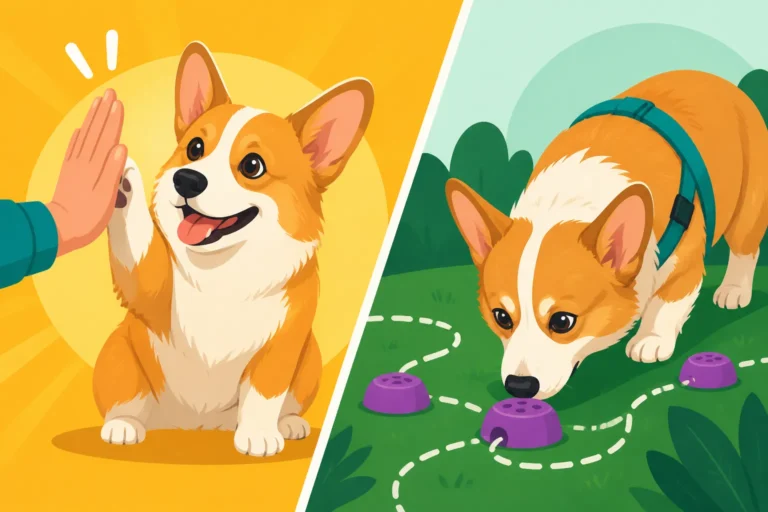
Enroll in a reputable training program. Online options, like BAXTER & Bella, can be excellent as they allow you to train at your own pace and involve all family members. This consistency establishes you as the clear, benevolent leader, which Corgis respect. They thrive on structure and knowing what's expected of them. Regularly practice short, positive training sessions throughout the day, using high-value rewards. Remember, Corgis are smart and thrive on mental stimulation, so making training a fun, engaging activity rather than a chore will yield the best results. For more on their intelligence, see Training a Corgi That Makes Its Own Decisions.
Enrichment and Mental Stimulation
A bored Corgi is often a mischievous Corgi. Their intelligence and working dog heritage mean they require more than just physical exercise; they need significant mental stimulation to be truly content and well-behaved in a busy home. Without it, they might invent their own "jobs," which could involve herding children, barking excessively, or getting into things they shouldn't.
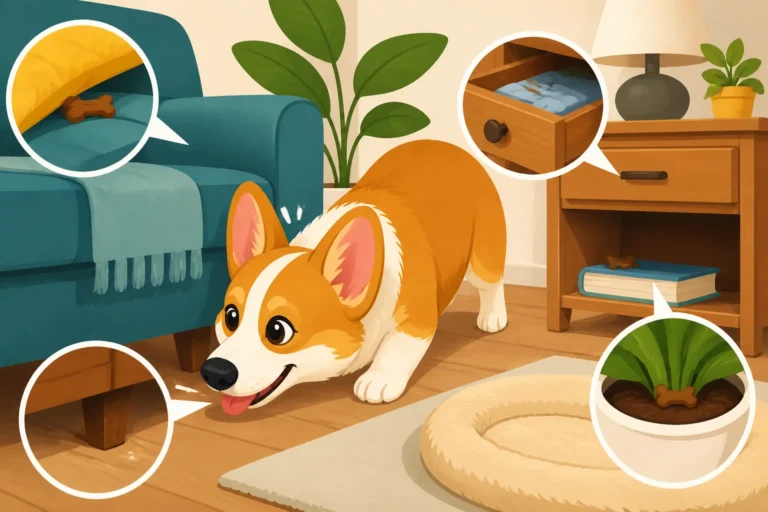
Incorporate puzzle toys, snuffle mats, and interactive games into their daily routine. Hide treats around the house for them to "hunt" or use their mealtime kibble in a slow feeder or training session. Using a Corgi's Own Kibble as Training Currency is a fantastic way to engage their minds without overfeeding. Consider introducing them to dog sports like scent work, which taps into their natural abilities without putting stress on their long backs. Even short, five-minute training sessions throughout the day can provide valuable mental engagement. A mentally stimulated Corgi is generally a calmer, more contented Corgi, less likely to create their own entertainment at the expense of house harmony.
When to Seek Professional Help
Even the most experienced Corgi owners can encounter challenges, especially in complex home environments. There's absolutely no shame in seeking professional help when you feel overwhelmed or when certain behaviors aren't improving despite your best efforts. In fact, it's a sign of a responsible pet owner.
If you're dealing with persistent nipping, excessive barking that's impacting other family members or neighbors, aggressive resource guarding, or an inability to safely integrate your Corgi with other pets or children, a certified professional dog trainer or a veterinary behaviorist can provide invaluable guidance. They can assess your specific situation, identify underlying causes, and develop a tailored training plan. Early intervention is always best, so don't wait until problems become deeply ingrained. A professional can offer fresh perspectives, proven techniques, and support to help you achieve a truly harmonious multi-species home. Finding a trainer who understands herding breeds and their unique characteristics is particularly beneficial.
Disclaimer
This article is for general informational purposes only and does not constitute professional advice. Laws, prices and regulations vary by location and change over time. Consult a qualified professional for guidance on your specific situation.