The Cattle-Driving Nip a Corgi Still Has
That adorable little Corgi wagging its fluffy rear end might just deliver a surprising nip to your ankle when you least expect it. It's a common, often startling, behavior that leaves many Corgi owners scratching their heads, wondering why their sweet, stubby-legged companion acts like a tiny ankle piranha. This isn't usually aggression; it's a deep-seated instinct. This comprehensive guide will explore the historical roots of your Corgi's herding nip, explain why it happens, and provide practical, empathetic strategies to manage this unique behavior, helping you and your Corgi live together in harmony without constant ankle-guarding.
Understanding the Corgi's Herding Instinct
To truly understand why your Corgi sometimes tries to "herd" you by nipping at your feet, we have to travel back in time to their origins. These aren't just cute, fluffy loafs; they are working dogs with centuries of selective breeding shaping their every instinct.
A Legacy of Driving Cattle
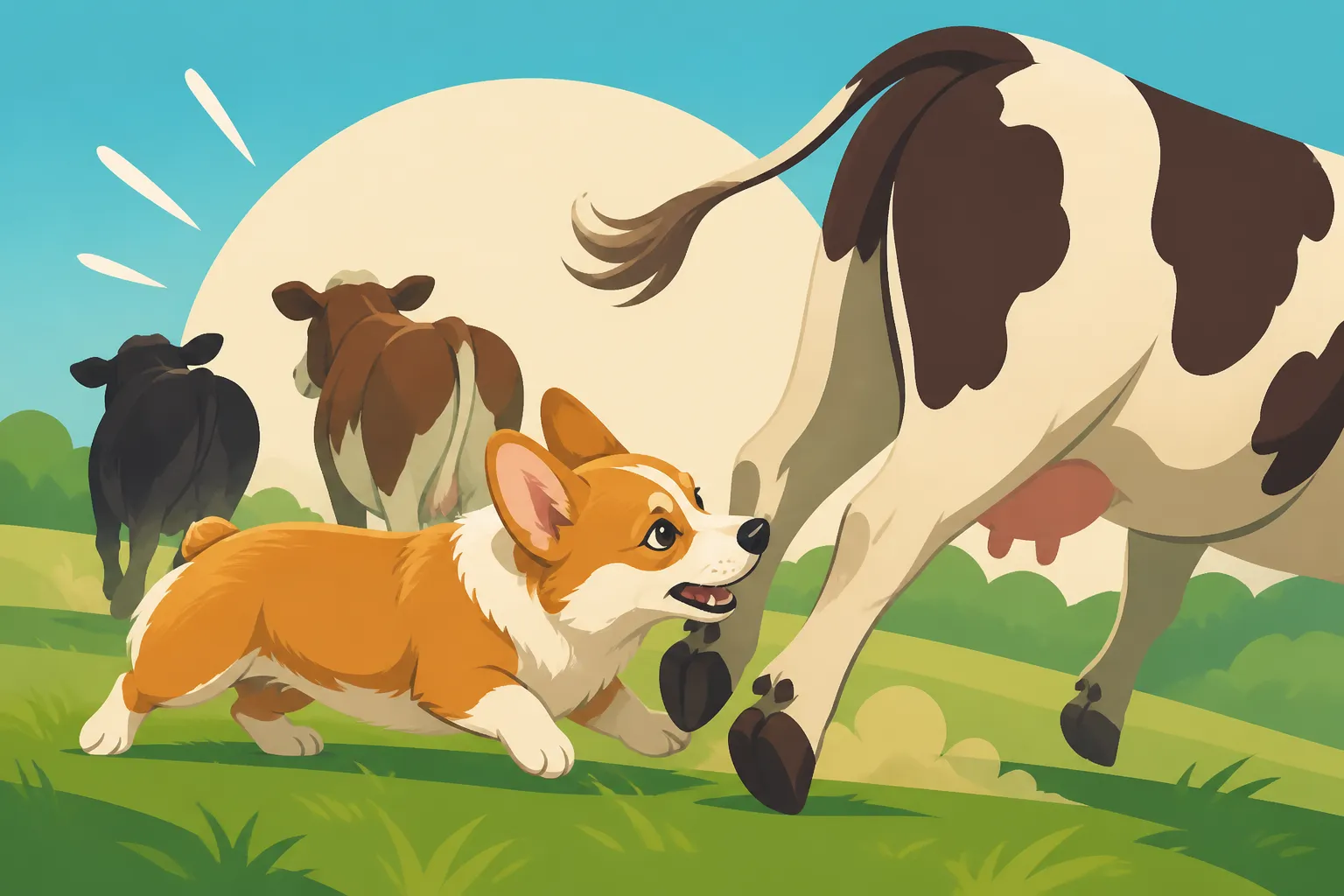
Corgis, both Pembrokes and Cardigans, were originally bred in Wales to drive cattle. Imagine a small dog, only about a foot tall, navigating the legs of large, sometimes stubborn, cows. They couldn't push them from the front like a bigger dog; instead, they were bred to be agile, quick, and low to the ground, darting in and out to nip at the heels of the cattle. This sharp, quick nip was enough to get a cow moving without causing serious injury, and the Corgi’s low stature kept them out of the way of potentially dangerous kicks. This wasn't aggression; it was a highly effective and necessary part of their job. This instinct is still deeply ingrained in their DNA, even if their "herd" now consists of family members or visitors rather than livestock. It's fascinating how a behavior so vital for survival on a farm decades ago can manifest in a modern living room.
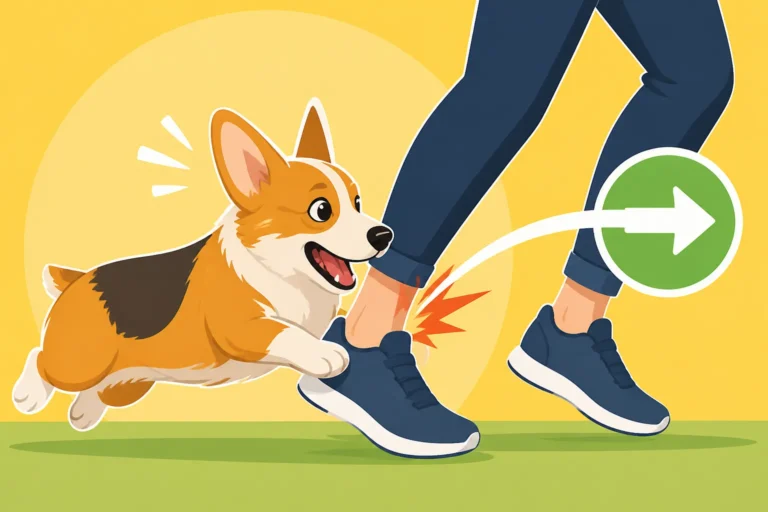
When your Corgi delivers a quick nip to your Achilles tendon, they are, in their mind, simply doing the job they were created for. They are trying to gather you, direct you, or get you to move in a particular direction. It's a fundamental part of their genetic makeup, a behavioral echo from their working past. This isn't a sign that they dislike you or are trying to hurt you deliberately, but rather that their instincts are kicking in, telling them to manage the movement of their "flock." Recognizing this genetic predisposition is the first step in approaching the behavior with patience and understanding, rather than frustration.
It's also worth noting that this herding style differs from other herding breeds. A Border Collie, for instance, might use "the eye" and their body to move sheep, whereas the Corgi's method was more physical and direct. Their compact build and powerful short legs were perfect for quick bursts of speed and nimble turns, allowing them to get in, deliver the message, and get out before a hoof could connect. This ancient job defines so much of their personality and behavior even today, from their sharp intelligence to their sometimes bossy nature.
Why the Nip Translates to Human Ankles
Now, why does this cattle-driving technique get applied to us, their beloved human companions? It's simple: in the absence of cattle, Corgis naturally look for other things to "herd." And what moves around a household more than anything else? People! Especially children, or anyone moving quickly. A child running through the house, a guest bustling to the door, or even you trying to walk from the kitchen to the living room can trigger that deep-seated instinct to gather and direct. The Corgi perceives these moving targets as their "livestock" that needs to be managed, and their ancestral solution is the quick heel nip.
This behavior often manifests during times of high excitement or activity. Imagine a bustling family gathering, kids playing tag, or even just the morning rush to get out the door. All this fast-paced movement can be overwhelming for a Corgi, and their instinct tells them to bring order to the chaos by rounding everyone up. They might circle, bark, and then, inevitably, deliver that characteristic nip. It’s their way of saying, “Hey, stop moving so erratically, or at least move this way!” This can be particularly frustrating for owners who don't understand the root cause, leading them to believe their dog is just being naughty or aggressive. But with an understanding of their history, it becomes clear that they are simply trying to fulfill their inherent purpose.
Understanding Where the Corgi Heel Nip Comes From is crucial for effective management. Your Corgi isn't being mean; they're following an instinct that has been bred into them for generations. It’s not personal, though it can certainly feel that way when your ankle is the target. They truly believe they are helping, even if their methods are a bit… unrefined for modern household living. The challenge, then, is to re-channel this powerful drive into acceptable behaviors and to teach your Corgi that nipping at human heels is simply not part of their current job description.
Differentiating Between a Nip and a Bite
It’s important for Corgi owners to distinguish between a typical herding nip and something more concerning, like an actual aggressive bite. While both involve teeth making contact, their intent and implications are very different.
The "Soft Mouth" of a Herder
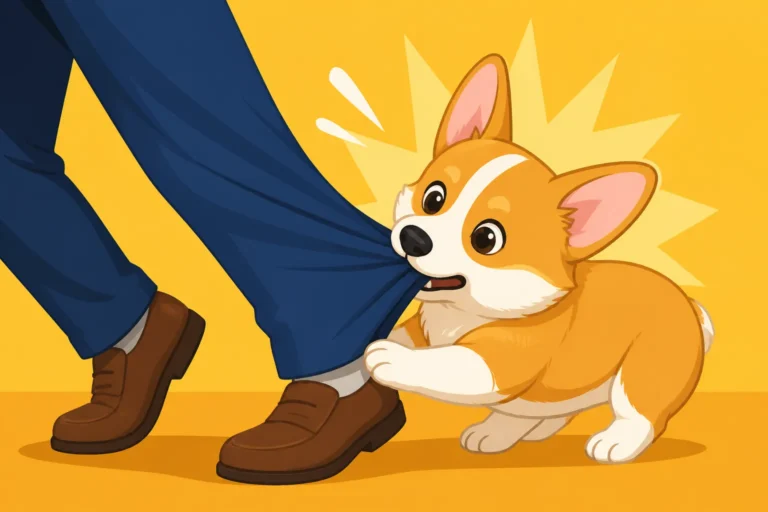
A classic Corgi herding nip is usually not meant to cause harm. It’s typically a quick, sharp grab-and-release, often described as a "soft mouth" contact. The Corgi is aiming to apply pressure to direct movement, much like their ancestors did to cattle. You'll feel a quick pressure, maybe a startled yelp from yourself, but it rarely breaks the skin. It’s more of a persistent, annoying squeeze or a rapid series of nips rather than a deliberate, sustained bite that causes injury. The dog's body language leading up to and during the nip also tends to be playful, excited, or focused, rather than tense, rigid, or fear-driven.
Think of it like a child's playful tag, but with teeth. The Corgi is engaged in a game, albeit one that is inconvenient and potentially painful for the human target. This isn't to say it's acceptable behavior, but understanding the intent helps you respond appropriately. A dog that is truly attempting to bite out of fear or aggression will often display other warning signs: growling, baring teeth, rigid body posture, or a tucked tail. With a herding nip, the Corgi might be excited, bouncy, and focused solely on your moving feet. They're just trying to get you to go that way.
Even though it’s generally not intended to harm, these nips can still hurt, especially for sensitive skin or young children. It’s a habit that needs to be addressed consistently and calmly. The key is to remember that the Corgi isn't maliciously attacking; they are operating on instinct. Their genetic programming tells them that moving objects need to be controlled, and a quick snap is the most efficient way to achieve that control from their low vantage point.
When a Nip Escalates to Concern
While most herding nips are not aggressive, it's crucial to be vigilant for signs that the behavior might be escalating or stemming from other issues. If your Corgi's nipping starts to become harder, consistently breaks the skin, or is accompanied by aggressive body language—such as snarling, growling, a stiff body, raised hackles, or a direct stare with dilated pupils—then it's no longer just a herding instinct. These could be indicators of fear, pain, resource guarding, or true aggression, and they require a different approach and often, professional intervention.
Another red flag is if the nipping occurs in non-herding contexts, like when you reach for their food bowl, try to move them off furniture, or during handling. This could indicate resource guarding or discomfort. While Corgis can be famously opinionated, a sudden shift from playful nips to genuinely injurious bites is a serious concern. It's also important to consider if the nipping is becoming more frequent, or if your Corgi seems to be targeting specific individuals, especially children. A Corgi That Nips Running Children is a common scenario, but if the nipping causes distress or injury, it absolutely needs to be addressed.
If you observe any of these escalating behaviors, or if you simply feel overwhelmed and unable to manage the nipping effectively on your own, it’s always best to consult with a professional dog trainer or a veterinary behaviorist. They can help assess the root cause of the behavior, differentiate between instinct and aggression, and develop a tailored training plan. Ignoring escalating nips can lead to more serious behavioral problems down the line, so early intervention is always the safest and most responsible course of action for both you and your Corgi.
Early Intervention: Puppy Nipping and Socialization
Managing a Corgi's nipping instinct starts early, ideally during puppyhood. Addressing common puppy behaviors like mouthing and ensuring proper socialization are critical steps in preventing more persistent herding nips later on.
The Teething and Play Bite Phase
When you bring home a Corgi puppy, you'll inevitably encounter puppy nipping and mouthing. This is a completely normal part of puppy development, as they explore the world with their mouths and learn bite inhibition. Their sharp little puppy teeth can feel like needles, and while it's frustrating, it's distinct from the adult herding nip. During this phase, puppies learn how much pressure they can exert with their jaws without causing pain. If their littermates yelp and stop playing when a bite is too hard, the puppy learns to adjust. You can mimic this by making a high-pitched "ouch!" sound and withdrawing attention when your puppy bites too hard.
The key during this stage is consistency and redirection. Every time those shark-like puppy teeth connect with your skin, offer an appropriate chew toy or redirect them to a structured game. Keep plenty of safe and appealing chew toys on hand. Chew toys can be particularly effective, especially those designed for teething puppies which can be chilled to soothe sore gums. This teaches them that toys are for chewing, not human skin. For example, a sturdy rubber chew toy filled with a bit of peanut butter can be a great distraction. Make sure you're always supervising play sessions and intervening calmly but firmly when nipping occurs.
It's a phase that requires a lot of patience, but it lays the groundwork for teaching your Corgi appropriate mouth manners. Remember, your puppy isn't trying to herd you yet; they're simply learning about their world and how to use their mouth. The goal is to teach them that human skin is fragile and not a toy, and that good things happen when they chew on their own items instead. This early training forms a crucial foundation before the stronger herding instincts fully kick in.
Socializing for Success
Beyond managing puppy mouthing, proper socialization is paramount for a Corgi. A well-socialized Corgi is more likely to handle novel situations, new people, and different environments with confidence rather than reverting to instinctual herding behaviors out of anxiety or overstimulation. Socialization means safely exposing your puppy to a wide variety of sights, sounds, smells, people, and other vaccinated dogs from a young age. This helps them learn that the world is a generally safe place and that not every moving object needs to be "controlled" by a nip.
Enroll your Corgi puppy in a positive-reinforcement-based puppy class. These classes offer a controlled environment for puppies to interact with each other and different people, all under the guidance of a knowledgeable trainer. Such experiences are invaluable for teaching appropriate social cues and building confidence. Beyond formal classes, arrange supervised playdates with calm, vaccinated adult dogs who can teach your Corgi puppy appropriate dog-to-dog etiquette.
It's also important to expose your Corgi to various types of people—children (supervised, of course), adults with hats, people using canes, etc.—and different environments, from quiet parks to busier sidewalks (once fully vaccinated). The more positive experiences they have, the less likely they are to view new stimuli as something that needs to be herded or controlled. A Corgi that is confident and comfortable in its surroundings will be less prone to resorting to instinctual behaviors like nipping to manage perceived disorder. This extensive, positive exposure helps shape a well-adjusted dog capable of distinguishing between playful interaction and situations where their herding instinct might inappropriately surface.
Training Strategies to Manage Herding Nips
Once you understand why your Corgi nips, you can start implementing effective training strategies to manage and redirect this behavior. Consistency, patience, and positive reinforcement are your best tools.
Redirection and Positive Reinforcement
The most effective way to address a herding nip is through immediate redirection and positive reinforcement for desired behaviors. When your Corgi attempts to nip at your heels, interrupt the behavior with a firm but calm "No!" or a verbal interrupter like a sharp clap. Then, immediately redirect their attention to an appropriate chew toy or a short training exercise like "sit" or "down." Once they engage with the toy or complete the command, reward them enthusiastically with a high-value treat or praise. The goal is to teach them that redirecting their energy to an appropriate outlet earns them rewards, while nipping does not.
For instance, if your Corgi starts circling your feet when you're walking, quickly present a toy and toss it a short distance away. When they chase the toy, praise them. If they choose to sit calmly instead of chasing, reward that. This constant redirection helps to build new neural pathways, associating moving feet with an alternative, rewarding behavior. This isn't about punishing the nip, but about teaching your Corgi what to do instead. Remember, Corgis are intelligent and eager to please (when it suits them!), so they can certainly learn new associations.
Consistency is absolutely vital here. Every family member must be on board with the same approach. If one person allows nipping or responds inconsistently, it will confuse your Corgi and undermine your efforts. If you're struggling to implement this consistently, online resources like BAXTER & Bella offer structured puppy and adult dog training programs that can guide you step-by-step through positive reinforcement techniques for various behaviors, including nipping. The more consistently you redirect, the faster your Corgi will understand that human ankles are off-limits and toys or commands are the preferred and rewarding alternatives. Redirecting a Corgi Off Ankles is a learned skill for both dog and owner.
Teaching an Alternative "Job"
Corgis, like many working breeds, thrive when they have a job to do. Their herding instinct is a powerful drive that won't simply disappear. Instead of trying to suppress it entirely, channel it into appropriate activities that provide mental and physical stimulation. This gives them an outlet for their intelligence and energy, reducing the likelihood of them resorting to undesirable behaviors like herding your feet.
Consider introducing your Corgi to dog sports or activities that tap into their natural abilities. Herding Trials and Instinct Tests for a Corgi can be an amazing outlet, even if you never intend to show them. It allows them to engage with livestock in a controlled, safe environment, fulfilling that innate desire. If actual herding isn't feasible, activities like Scentwork as a Sport That Spares a Corgi's Back are fantastic alternatives. Scent work engages their powerful noses and sharp minds, providing a deep mental workout without putting strain on their long backs. Agility, with careful attention to jump heights and avoiding excessive impact, can also be stimulating.
Even within your home, you can create "jobs." Puzzle feeders and interactive toys are excellent for engaging their minds during meal times. Instead of just eating from a bowl, they have to "work" for their food, which can be very satisfying for a Corgi. You can find a wide variety of these on platforms like Amazon, from simple treat-dispensing balls to more complex sniffle mats. Hide-and-seek with treats or their favorite toy can also be a fun, engaging game that gives them a sense of purpose. The key is to provide structured, positive outlets for their natural drives, ensuring they feel fulfilled and less inclined to invent their own "jobs" by herding family members.
Managing the Environment
Sometimes, the simplest solution is to manage the environment to prevent the nipping behavior from occurring in the first place. This is especially true during times of high excitement or when new people are around. Environmental management isn't a substitute for training, but it's a critical tool in helping your Corgi succeed.
Baby gates can be your best friend in a Corgi household. Use them to create safe zones where your Corgi can observe activity without being able to participate in a nipping manner. For example, if children are playing rambunctiously, or guests are arriving, a gate can keep your Corgi safely confined in an adjacent room or an exercise pen, allowing them to calm down before rejoining the group. This prevents the immediate trigger for the herding nip. Similarly, keeping a leash on your Corgi indoors during busy times can help you gently guide them away from temptation or keep them close by your side when needed.
Teaching children how to interact appropriately with a Corgi is also a vital part of environmental management. Children, with their quick, erratic movements and high-pitched voices, are often irresistible targets for a Corgi's herding instinct. Teach kids not to run around the Corgi, and always supervise their interactions. Teaching Children Not to Run From a Corgi is a lesson for both parties. Encourage calm, gentle play that doesn't trigger the herding drive. By proactively structuring your home and teaching family members appropriate behavior, you reduce the opportunities for your Corgi to practice unwanted nipping, making your training efforts much more effective.
Specific Scenarios and Solutions
Herding nips tend to surface in specific, predictable situations. By understanding these common triggers, you can apply targeted solutions to manage your Corgi's behavior.
Nipping at Children
Children, with their unpredictable movements, high-pitched voices, and general exuberance, are often prime targets for a Corgi's herding instinct. The fact that a Corgi is roughly at a child's height only exacerbates the issue, making children appear even more like miniature, fast-moving livestock. This scenario can be particularly concerning for parents and requires constant vigilance and proactive training for both the Corgi and the child.
The most important rule when you have a Corgi and children is supervision. Never leave a Corgi and a young child unsupervised, even if you trust your dog implicitly. Use baby gates or playpens to create safe spaces for both the child and the Corgi, allowing them to have separate, calm time when direct interaction is not possible. Teach children to "be a tree" – stand still, hands tucked in, and look away – if a Corgi starts nipping or getting too excited. This removes the "moving target" aspect that triggers the herding instinct.
Additionally, involve children in the training process (appropriately for their age). Teach them how to gently offer treats for calm behavior, or how to toss a toy for redirecting play. Practice calm interactions, like sitting on the floor together and gently petting the Corgi, rather than encouraging chasing games. Remember, consistency is key, and every interaction is a teaching opportunity for both your Corgi and your child. Learning how to manage A Corgi That Nips Running Children is critical for a harmonious home.
Nipping at Guests or Runners
When guests arrive, or if someone is jogging past your fence, your Corgi's herding instinct can kick into overdrive. New faces, unfamiliar movements, and the excitement of a doorbell ringing can all serve as potent triggers, leading your Corgi to try and "herd" visitors or even passersby. This can be embarrassing and potentially intimidating for your guests, even if the Corgi's intent isn't malicious.
For managing guests, consider having your Corgi on a leash when people first arrive, or using a baby gate to keep them separate until they've had a chance to calm down. Teach your Corgi a "place" command, where they go to a designated bed or mat and stay there calmly while guests enter. Reward them heavily for remaining on their "place" throughout the greeting. You can even ask guests to help by ignoring the Corgi until it's calm, then rewarding calm interactions with a treat. This teaches your Corgi that good things happen when they are polite, not when they are nipping at heels. A Corgi That Herds Guests Toward the Door can be especially frustrating; having a clear plan for these situations is essential.
When it comes to runners, cyclists, or even squirrels outside, the situation is similar. If your Corgi is prone to chasing and nipping at moving objects through the fence or on a walk, focus heavily on recall and distraction training. On walks, keep them on a leash and practice "watch me" exercises to maintain their focus on you when distractions approach. If you have a yard, ensure your fencing is secure to prevent them from darting out after perceived "livestock." Desensitization exercises, where you gradually expose your Corgi to these triggers from a distance while rewarding calm behavior, can also be very effective over time.
Nipping at Other Pets
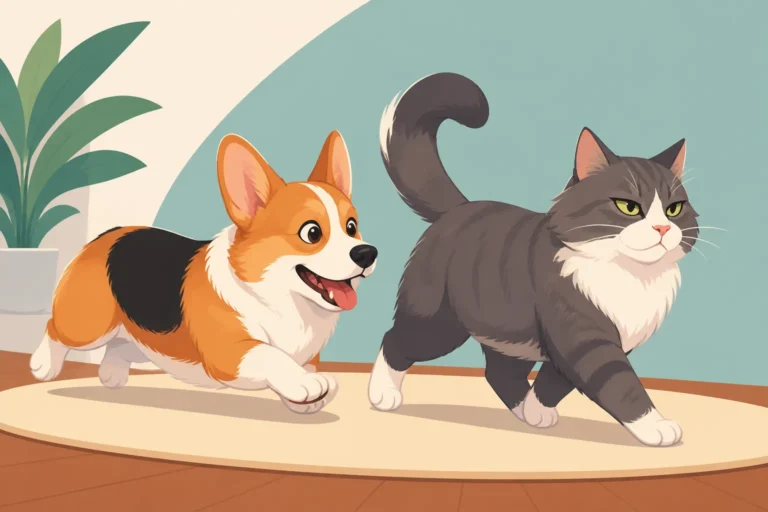
The herding instinct isn't limited to humans; it can extend to other pets in your household, especially if they're smaller or move quickly. A Corgi might try to "herd" the family cat, other dogs, or even small pocket pets, leading to chasing, circling, and, of course, nipping. This can cause stress and potential injury to the other animals, making it important to manage these interactions carefully.
When introducing a Corgi to other household pets, always do so slowly and under strict supervision. Keep initial interactions short, positive, and controlled, with both animals on leashes or separated by a gate. Reward calm, polite behavior from your Corgi. If your Corgi starts to get too fixated or begins to circle and nip at another pet, immediately intervene by redirecting them to a toy or a calm "place" command. It's essential that the other pet feels safe and not constantly harassed.
For ongoing issues, creating separate feeding areas and resting spots can reduce tension. Ensure the other pets have "escape routes" or high places they can go where the Corgi cannot follow. For example, a cat tree or a baby gate that only the cat can jump over can be invaluable. A Corgi that herds the family cat is a common concern for multi-pet households. Long-term, consistent training to reinforce polite interactions and providing ample outlets for your Corgi's herding energy (as discussed earlier) are the best strategies. The goal is to teach your Corgi that their housemates are companions, not cattle that need to be rounded up.
When to Seek Professional Help
While many Corgi owners can manage herding nips with consistent training and environmental management, there are times when seeking professional help is not just advisable, but necessary. Recognizing these signs is key to ensuring the safety and well-being of everyone in the household.
Recognizing When You Need a Trainer
It's completely normal to feel overwhelmed when dealing with persistent or escalating behavioral issues. If, despite your best efforts, your Corgi's nipping continues, becomes more intense, starts to break the skin regularly, or is accompanied by other concerning behaviors like growling, snapping, or resource guarding, it's time to call in a professional. These are clear indicators that the situation is beyond typical home management and requires expert guidance.
Another sign you might need a trainer is if the nipping is causing genuine fear or stress for family members, especially children. If your child is actively avoiding interaction with your Corgi due to fear of being nipped, or if guests are hesitant to visit, these are serious red flags. A trainer can provide an objective assessment of the situation and identify underlying causes you might be missing. They can also offer personalized strategies that are tailored to your Corgi's specific temperament and your household dynamics, which can be invaluable when you feel stuck.
Furthermore, if the nipping seems to be stemming from anxiety, fear, or aggression rather than pure herding instinct, a professional can help differentiate and address the root cause. This is especially true if the nipping is unpredictable or seems to come out of nowhere. A good trainer can observe your Corgi in action, interpret their body language, and develop a comprehensive plan that goes beyond simple redirection. Don't feel like a failure for needing help; it's a responsible choice to ensure your Corgi is a happy, well-adjusted member of your family. Whether a Trainer Understands a Herding Corgi is an important question to ask when selecting one.
Finding the Right Professional
Choosing the right professional for your Corgi's nipping issues is crucial. Not all trainers are created equal, and it's important to find someone who uses humane, positive-reinforcement-based methods and has experience with herding breeds like Corgis. Avoid trainers who advocate for harsh corrections, punishment, or dominance-based techniques, as these can damage your relationship with your Corgi and potentially exacerbate behavioral problems, especially for sensitive dogs.
Look for certified professional dog trainers (CPDT-KA) or certified applied animal behaviorists (CAAB). These individuals have specific education and experience in animal behavior. When you contact potential trainers, ask about their philosophy, their methods, and their experience with herding breeds or nipping behaviors. A good trainer will be happy to answer your questions, observe your Corgi, and discuss their proposed plan before you commit. They should focus on teaching you how to communicate effectively with your Corgi and build a stronger bond based on trust and understanding.
For those who might not have access to in-person trainers or prefer a more flexible schedule, online training platforms can also be a valuable resource. For instance, BAXTER & Bella offers comprehensive online training programs that can guide you through various behavioral challenges, including nipping. These platforms often include video tutorials, live Q&A sessions, and personalized support, allowing you to learn and apply techniques at your own pace. While not a replacement for a veterinary behaviorist in severe aggression cases, a reputable online program can be an excellent option for managing instinctual behaviors and providing ongoing support in your training journey.
Living Harmoniously with a Herding Corgi
Integrating a Corgi with a strong herding instinct into a modern home requires understanding, patience, and consistent effort. It's a journey, not a destination, but the rewards of a well-adjusted Corgi are immense.
Patience and Consistency Are Key
Let’s be honest: retraining centuries of genetic predisposition isn't going to happen overnight. Living with a Corgi and managing their nipping instinct is a marathon, not a sprint. There will be days when you feel like you've made huge progress, and then a sudden burst of excitement will trigger a nip, making you feel like you're back at square one. It's during these moments that patience and unwavering consistency become your most valuable assets. Every single time your Corgi attempts to nip, you must respond with the same redirection, the same command, and the same positive reinforcement. Inconsistency sends mixed signals and will only confuse your Corgi, making the learning process longer and more frustrating for everyone involved.
Think of it as building a new language with your Corgi. You're teaching them new vocabulary and new rules of engagement for their powerful instincts. They are incredibly intelligent, but they need clear, consistent communication to understand what you expect from them. Celebrate the small victories: the first time they choose a toy instead of your ankle, the moment they settle calmly when guests arrive, or the day they walk past a running child without a hint of a nip. These small successes accumulate over time, solidifying the new, desired behaviors.
Remember that your Corgi isn't doing this to spite you. They are simply acting on instinct. Your role is to be their guide, helping them navigate a human world that doesn't always align with their ancient programming. With enough patience and unwavering consistency, your Corgi can learn to channel their herding energy into acceptable outlets, making your home a more peaceful place for everyone's ankles. Whether a Corgi Grows Out of Nipping usually depends on consistent training.
Embracing Their Unique Personality
Beyond the nipping, Corgis are truly wonderful companions. They are intelligent, fiercely loyal, often quite comical, and brimming with personality. Their stubborn streak, which can sometimes make training challenging, is also a testament to their independent, decision-making herding heritage. They are big dogs in small, furry packages, and embracing this unique blend of traits is part of the joy of Corgi ownership.
Understanding their herding background deepens your bond with them. It allows you to appreciate the drive and intelligence that makes them who they are, rather than simply getting frustrated by their quirks. When you provide them with appropriate outlets for their energy and intellect—whether through puzzle toys, training classes, or engaging dog sports—you're not just managing a behavior; you're nurturing their very essence. This fosters a relationship built on mutual respect and understanding, where your Corgi feels heard and fulfilled.
Ultimately, living with a Corgi and their cattle-driving nip is about managing expectations and providing them with the tools they need to succeed in your home. By being proactive, consistent, and understanding, you can guide your Corgi to be a polite and well-adjusted member of your family, allowing their charming, mischievous personality to shine through without constantly needing to protect your heels. It's a unique Corgi journey, and it's well worth the effort for the love and laughter they bring into your life.
| Nipping Scenario | Common Triggers | Effective Strategies |
|---|---|---|
| At Running Children | Fast, erratic movements; high-pitched sounds | Constant supervision, baby gates, "Be a tree" command for kids, redirect to toys, gentle play, Teaching Children Not to Run From a Corgi. |
| At Guests Entering | Excitement of new arrivals, bustling movement | Leash management, "Place" command, ask guests to ignore until calm, reward calm greetings, separate with gate until settled, address A Corgi That Herds Guests Toward the Door. |
| At Other Pets | Other pets moving quickly, perceived "chaos" | Supervised introductions, separate feeding/resting areas, provide escape routes for other pets, redirect to toys/training, prevent situations like a Corgi that herds the family cat. |
| During Play/Excitement | Intense play, high energy levels | Interrupt and redirect to appropriate toys, practice "off" or "leave it," engage in structured play (fetch, tug with rules), ensure ample mental and physical exercise. |
| On Walks/Outdoors | Joggers, cyclists, squirrels, other fast-moving objects | Leash control, "Watch me" command, desensitize from a distance, teach strong recall, use a front-clip harness for better control, ensure secure fencing. |
| General Ankle Nips | Any sudden movement or desire to direct | Consistent redirection to a toy or command, positive reinforcement for calm behavior, provide alternative "jobs" like Scentwork as a Sport That Spares a Corgi's Back or Herding Trials and Instinct Tests for a Corgi, environmental management (ramps, gates). |
Disclaimer
This article is for general informational purposes only and does not constitute professional advice. Laws, prices and regulations vary by location and change over time. Consult a qualified professional for guidance on your specific situation.