Whether Corgi Rescues Ever Have Young Dogs
It’s a dream many of us share: browsing rescue websites, hoping to spot that adorable Corgi puppy, full of mischief and potential, just waiting for its forever home. We envision skipping the puppy stages, maybe even finding a young adult Corgi whose previous family simply couldn't keep them. But the reality of rescue often feels like a different landscape, leaving many wondering if these organizations ever truly have young Corgis available. This guide aims to clear up some of those questions, offering a realistic look at Corgi rescue demographics and providing actionable steps for those determined to welcome a younger Corgi into their lives.
The Elusive Young Corgi in Rescue Organizations
The image of a rescue brimming with fluffy, low-riding Corgi puppies is, for most people, more fantasy than fact. While it’s certainly not impossible, finding a true Corgi puppy or a very young adult (under a year old) in a rescue setting is significantly less common than many prospective adopters anticipate. The reasons for this are rooted in a combination of high demand and the specific circumstances that lead Corgis into rescue.
Why True Corgi Puppies are Such Rare Finds
Let's be honest, Corgis are popular dogs, and for good reason! Their charming personalities, undeniable cuteness, and compact size make them highly sought after. This high demand directly impacts their presence in rescues.
Firstly, reputable Corgi breeders often have extensive waiting lists, sometimes stretching over a year or two. When a litter is born, every puppy typically already has a family lined up. These breeders are also deeply committed to their dogs for life, often having contracts that stipulate puppies must be returned to them if the original owner can no longer keep them. This built-in safety net means that puppies from responsible breeding programs are highly unlikely to ever see the inside of a general animal shelter or even a breed-specific rescue. They simply go back to their first "home" – the breeder.
Secondly, even if a Corgi puppy comes from a less reputable source, like a backyard breeder or a puppy mill, they are still quickly snapped up by eager buyers due to their immense popularity. Unfortunately, these situations sometimes mean the puppy is sold before any significant health or behavioral issues become apparent, and it’s these issues that can sometimes lead a dog into rescue later in life. Therefore, the window of time a Corgi exists as a "puppy" and is available is very small, and almost always outside of the rescue system.
When Younger Corgis Do Enter Rescue Care
While finding an eight-week-old Corgi puppy in rescue is akin to finding a unicorn, it's a bit more realistic to find Corgis in the "young adult" category – typically between one and three years old. These dogs, while past the intense puppy phase, still have plenty of youthful energy and a long life ahead of them.
The reasons for a young adult Corgi entering rescue are varied, and often heartbreaking, but rarely due to any fault of the dog. Common scenarios include:
- Lifestyle Changes: A new baby, a demanding new job, a significant move (especially to a place with breed or size restrictions), or even a divorce can lead a family to make the difficult decision to surrender their beloved Corgi. These dogs often come with a good history, are house-trained, and well-socialized.
- Misunderstanding the Breed: Corgis are not lap dogs. They are intelligent, bossy, vocal, and have a strong herding instinct. A family might adopt a cute puppy only to realize at 18 months that they can't handle the persistent barking, the occasional heel-nipping, or the need for consistent mental and physical stimulation. The energy of a young Corgi can surprise first-time owners. The cattle-driving nip a Corgi still has can be challenging, especially in homes with young children, leading to tough choices.
- Unexpected Medical Issues: While Corgis are generally robust, they are prone to certain breed-specific health concerns, particularly involving their long backs. Even a young Corgi can develop disc disease, leading to sudden pain or mobility issues. A family unprepared for the financial or time commitment of a potential issue like Paying for a Corgi's Ruptured Disc or managing early signs of spinal trouble might feel overwhelmed and seek rescue assistance. These younger dogs might be surrendered because their owners cannot afford or commit to the extensive care needed, even though their long life ahead means they could thrive with the right support.
It's also worth noting that sometimes, despite their popularity, a Corgi who demonstrates significant behavioral issues very early on, such as severe anxiety or aggression that the owner feels unequipped to manage, could also enter rescue at a younger age. These cases usually require dedicated rehabilitation, but they are still relatively uncommon compared to other reasons for surrender.
Understanding the Typical Corgi Rescue Demographics
When you delve into the world of Corgi rescue, you'll quickly realize that the vast majority of dogs seeking new homes are not tiny pups. Instead, rescues primarily focus on adult dogs, often those entering their senior years, or those with specific needs that make them less "adoptable" to the general public.
The Prevalence of Adult and Senior Corgis
Most Corgi rescues are a haven for adult Corgis, typically ranging from three to eight years old, and a significant number of seniors, often nine years and older. These are the dogs who, through no fault of their own, find themselves needing a fresh start.
One of the most common reasons adult and senior Corgis enter rescue is due to the passing away of their previous owners. Corgis can live for 12 to 15 years, and many owners get them in their own middle to later years. When an owner passes or goes into assisted living, their beloved Corgi is often left without a home. These dogs, while older, are often incredibly well-adjusted, house-trained, and simply longing for the comfort and routine of a new family. They represent a significant portion of rescue dogs, and many adopters find that an adult dog's established personality and habits are a huge bonus.
Another factor for older Corgis entering rescue is the onset of age-related health issues. As Corgis get older, they become more susceptible to conditions like arthritis, dental disease, and those dreaded spinal problems. The financial burden of managing these conditions, such as ongoing pain relief for an old Corgi's back or specialized diets, can become overwhelming for owners on fixed incomes or those facing their own health challenges. Rescues often step in to ensure these dogs receive the necessary veterinary care and find homes equipped to handle their specific needs. It's during these years that The Corgi Years When the Back End Gives Out often become a critical concern for owners.
Adopting an adult Corgi comes with a unique set of benefits. You often bypass the intense house-training and puppy chewing phases. Their personality is usually fully developed, allowing the rescue to provide an accurate assessment of their temperament, making it easier to match them with the right family. Many adult Corgis are simply looking for a quiet, loving home where they can enjoy their golden years, offering immense companionship and gratitude.
Corgis with Special Needs
A notable segment of the Corgi rescue population consists of dogs with special needs. This term can encompass a wide range of situations, from manageable chronic illnesses to more significant physical disabilities or behavioral challenges. These dogs often require a dedicated adopter willing to invest extra time, money, and patience.
Common special needs in Corgi rescues might include:
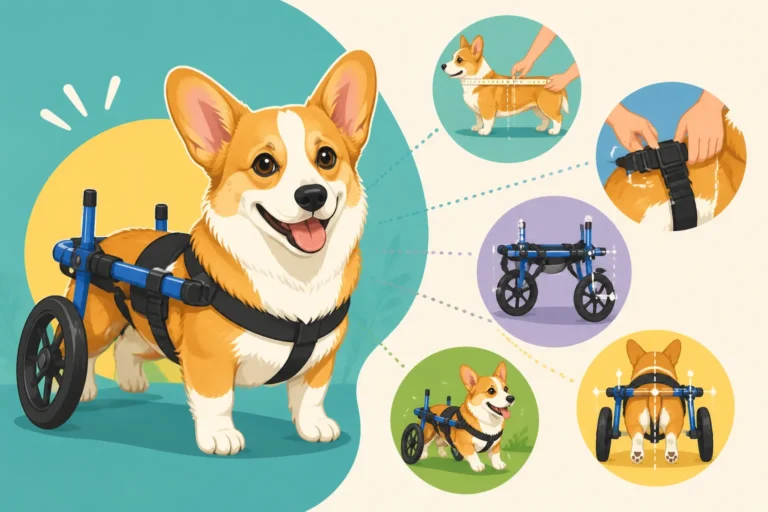
- Orthopedic Issues: Given their long backs and short legs, Corgis are predisposed to Intervertebral Disc Disease (IVDD). Many Corgis in rescue might have a history of disc injuries, requiring careful management, medication, or even past surgery. Adopting a Corgi With a Back History means understanding the ongoing care, potential for recurrence, and lifestyle modifications, such as ensuring they use Ramps and Steps That Save a Corgi's Back rather than jumping. Some might even need mobility aids, like a wheelchair, if they’ve lost the use of their hind legs.
- Chronic Illnesses: Diabetes, thyroid problems, allergies, or kidney issues can all arise in Corgis. These conditions often require daily medication, special diets, and regular vet check-ups, which can be a significant financial and time commitment.
- Behavioral Challenges: While many rescue Corgis are well-behaved, some might come from neglectful backgrounds or have specific behavioral quirks due to lack of socialization, past trauma, or simply not having their Corgi needs met in their previous home. This could manifest as anxiety, reactivity towards other dogs, resource guarding, or difficulty adjusting to new environments. These dogs often benefit from adopters experienced in positive reinforcement training and willing to seek professional guidance, potentially even needing Retraining a Rescued Corgi.
Rescues dedicate immense resources to these special needs Corgis, often providing initial veterinary care, rehabilitation, and behavioral assessments. They are looking for adopters who are fully aware of the dog's needs and genuinely committed to providing lifelong care, often requiring multiple interviews and extensive reference checks to ensure a perfect match.
| Age Group | Typical Rescue Availability | Common Reasons for Surrender | Potential Benefits for Adopter |
|---|---|---|---|
| Puppies (<1 yr) | Very Low | Rare; often due to severe owner misunderstanding of breed needs or sudden, unexpected life changes. | Blank slate (mostly), high energy, full life ahead. |
| Young Adults (1-3 yrs) | Low to Moderate | Owner lifestyle changes (new baby, job, move), breed personality mismatch, unexpected health issues. | Past puppy destructiveness, known personality, still energetic. |
| Adults (3-8 yrs) | High | Owner passing, financial strain, move, temperament mismatch (less common). | Often house-trained, settled personality, great companions. |
| Seniors (9+ yrs) | Moderate to High | Owner passing, health issues, financial burden of care. | Calm, loving, appreciative, often lower energy, deeply rewarding. |
Strategies for Finding a Younger Corgi Through Rescue
While the odds might seem stacked against finding a Corgi puppy or young adult, it's certainly not impossible. With persistence, a wide net, and an open mind, you can increase your chances significantly. It often comes down to being prepared, proactive, and understanding how rescue organizations operate.
Networking and Persistence Are Key
Finding that younger Corgi often requires a concerted effort. This isn't usually a "one-and-done" search; it's a marathon, not a sprint.
Firstly, cast a wide net by following multiple breed-specific Corgi rescues. Don't just look at one local shelter. Corgi rescues operate at local, regional, and national levels. Websites like the Mayflower Pembroke Welsh Corgi Club Rescue or the Cardigan Welsh Corgi National Rescue Trust often have networks of foster homes across different states. Sign up for their newsletters, set up email alerts, and make it a habit to check their "available dogs" pages frequently. Younger dogs, when they do come in, are often snapped up incredibly quickly, sometimes within hours of being posted. Being among the first to see a new listing can make all the difference.
Secondly, don't just passively browse. Reach out directly to rescue coordinators. Fill out adoption applications even if there isn't a suitable dog currently listed. This puts you in their system as a pre-approved adopter, which is a huge advantage. When communicating, clearly but realistically express your preferences (e.g., "I'm hoping for a Corgi between 1-4 years old, but I'm open to older dogs with a good temperament match"). Be specific about your living situation, your experience with dogs, and the kind of lifestyle you can offer. Rescues are looking for the best possible match, and a thorough, honest application shows your commitment. Some rescues even allow you to mention specific brands you use, like a preference for high-quality food like Ollie, which can show you're serious about your dog's nutrition.
Thirdly, leverage social media. Many rescues actively post about incoming dogs and successful adoptions on Facebook, Instagram, and other platforms. Joining Corgi-specific groups (both breed and rescue-focused) can also provide leads, as members often share information about dogs in need of homes or new listings. Just be wary of scams and always go through official rescue channels.
Considering Fostering to Adopt
One of the most effective, albeit often overlooked, pathways to adopting a younger Corgi is through fostering. Many rescues rely entirely on foster homes, and dogs are often placed directly into these homes rather than going to a central facility.
When you sign up to be a foster parent, you provide a temporary home for a Corgi in need. This could be anything from a dog recovering from surgery (imagine providing Fostering a Corgi Through Recovery for a brave little Corgi), to one needing socialization, or simply a safe place to land before finding their forever home. The incredible benefit here is that foster families often get the first opportunity to adopt the dog they are fostering. If a young Corgi comes into the rescue network and is placed with you, you’ll be the first to truly get to know their personality, their quirks, and whether they are the right fit for your family.
Fostering isn't just a sneaky way to get a young Corgi, though; it's a vital service. It requires a genuine commitment to helping dogs, understanding that you might fall in love with a dog that ultimately goes to another family, or that the dog you foster might not be the "perfect" fit for you long-term. However, it's an incredibly rewarding experience that allows you to contribute to the rescue mission while also giving you unparalleled insight into a dog's true nature before making a lifelong commitment. You also gain valuable experience setting up a safe environment for a Corgi, whether it's a puppy or an older dog, ensuring you have Crates and Pens for a Corgi Puppy and other necessities ready.
Expanding Your Search Beyond Local Rescues
If you're truly committed to finding a younger Corgi, you might need to broaden your geographical horizons. While starting with your local animal shelters and regional breed-specific rescues is a great first step, their inventory of young Corgis can be extremely limited.
National Corgi rescue organizations often have a broader reach and may have dogs available in other states. For instance, the Pembroke Welsh Corgi Club of America has a network of regional rescue groups across the U.S. that can connect you with Corgis needing homes far from your immediate area. The same goes for the Cardigan Welsh Corgi Club of America. These larger networks work with volunteers and foster homes nationwide, increasing the chances of a younger dog appearing.
However, adopting from afar comes with its own set of considerations. You'll need to factor in potential travel costs for meeting the dog or for transport fees. Some rescues have volunteer transport chains that can help move a dog across states, but this requires coordination and patience. Always be diligent: ask for video calls, thorough vet records, and references from the rescue. Reputable rescues will be transparent and happy to provide all the information you need, along with their protocols for out-of-state adoptions. You might even find that some rescues partner with large pet retailers like Chewy to spread the word about adoptions, so it's worth checking those avenues too.
Preparing for a Rescued Corgi, Regardless of Age
Bringing home any dog, especially a rescue, is a significant commitment. While the age of your future Corgi might be a primary concern for you, preparing your home and finances is paramount, regardless of whether you end up with a spry young adult or a distinguished senior.
Financial Preparedness for Unexpected Costs
The adoption fee is just the beginning of your financial journey with a rescued Corgi. Even if you find a younger dog who appears healthy, unexpected costs can, and often do, arise.
Firstly, plan for immediate veterinary care. While reputable rescues will have provided initial screenings, vaccinations, and spay/neuter surgery, a comprehensive check-up with your own trusted veterinarian is always a good idea soon after adoption. This allows your vet to establish a baseline for your Corgi's health and address any lingering concerns. They can also advise on things like The Vet Visits a Corgi Puppy Needs First if you do manage to find a young pup.
Secondly, and perhaps most crucially for a Corgi, is the importance of an emergency fund. Corgis, with their chondrodystrophic (long-backed, short-legged) build, are prone to spinal issues. A sudden disc rupture can lead to emergency vet visits, diagnostics like MRIs, and potentially expensive surgery. Having a dedicated fund for such emergencies is vital. Alternatively, pet insurance can be a lifesaver. Providers like Healthy Paws offer coverage for accidents and illnesses, which can significantly offset the cost of unexpected medical events. Enrolling your Corgi in pet insurance as soon as possible, especially before any pre-existing conditions are noted, is a smart financial decision, potentially covering major expenses like Paying for a Corgi Emergency You Did Not Plan.
Beyond vet bills, remember the ongoing costs: high-quality food (whether it's premium kibble from Chewy or fresh-cooked meals from Ollie), regular grooming supplies (Corgis shed a lot!), training classes, and toys. A Corgi's needs are specific, and providing for them properly ensures a happy, healthy life.
Setting Up Your Home Environment for Success
A Corgi's unique physical structure means you need to be thoughtful about how you set up your home, both for their safety and long-term health, irrespective of their age.
One of the most critical considerations is protecting their back. Corgis should not be allowed to jump on and off furniture or go up and down stairs unsupervised, especially if they are prone to back issues or have a history of them. Investing in quality ramps or steps for sofas and beds is essential. Ramps and Steps That Save a Corgi's Back can prevent painful injuries. If you have stairs, baby gates can be invaluable to block access when you're not there to supervise carrying them.
Flooring can also play a role. Slick surfaces like hardwood, tile, or laminate can be treacherous for a Corgi, especially a younger, boisterous one or an older dog with weakened hind legs. Consider runners, rugs, or non-slip mats in high-traffic areas to provide better traction and prevent slips and falls that could injure their spine or joints.
A comfortable, orthopedic bed is another must-have. A firm, supportive bed helps maintain proper spinal alignment during rest. For younger Corgis, a secure crate or playpen can be invaluable for potty training and providing a safe den. Crates and Pens for a Corgi Puppy are not just for puppies; they offer a quiet retreat for any new rescue dog to decompress and feel secure.
Patience, Training, and Understanding Their Past
Bringing a rescue Corgi into your home, whether they're a young adult or an older dog, requires a significant amount of patience, understanding, and a commitment to positive reinforcement training. Remember, many rescues have gone through unsettling experiences or simply haven't had consistent training.
A young adult Corgi might come with a history of being bounced between homes, or they might have never been properly socialized. They could exhibit fear, anxiety, or specific behavioral challenges that need to be gently addressed. Give them time to decompress and adjust to their new surroundings. The "two-week shut down" concept is very real for many rescue dogs, where they are overwhelmed and don't show their true personality for a while.
Focus on building trust through positive experiences. Use high-value treats (like those from Ollie that are packed with flavor) to reward desired behaviors. Enroll in obedience classes, which can be a fantastic way to bond with your new Corgi and teach them essential commands. If behavioral issues are significant, don't hesitate to seek guidance from a certified professional dog trainer. Retraining a Rescued Corgi can be a slow but incredibly rewarding process. Understand that their past might influence their current behavior, but with consistency, kindness, and clear communication, most rescue Corgis flourish into wonderful companions.
Disclaimer
The information provided in this article is for general informational purposes only and is not intended as a substitute for professional veterinary advice. Always consult with a qualified veterinarian or animal health professional for any medical concerns or before making any decisions about your pet's health or treatment.