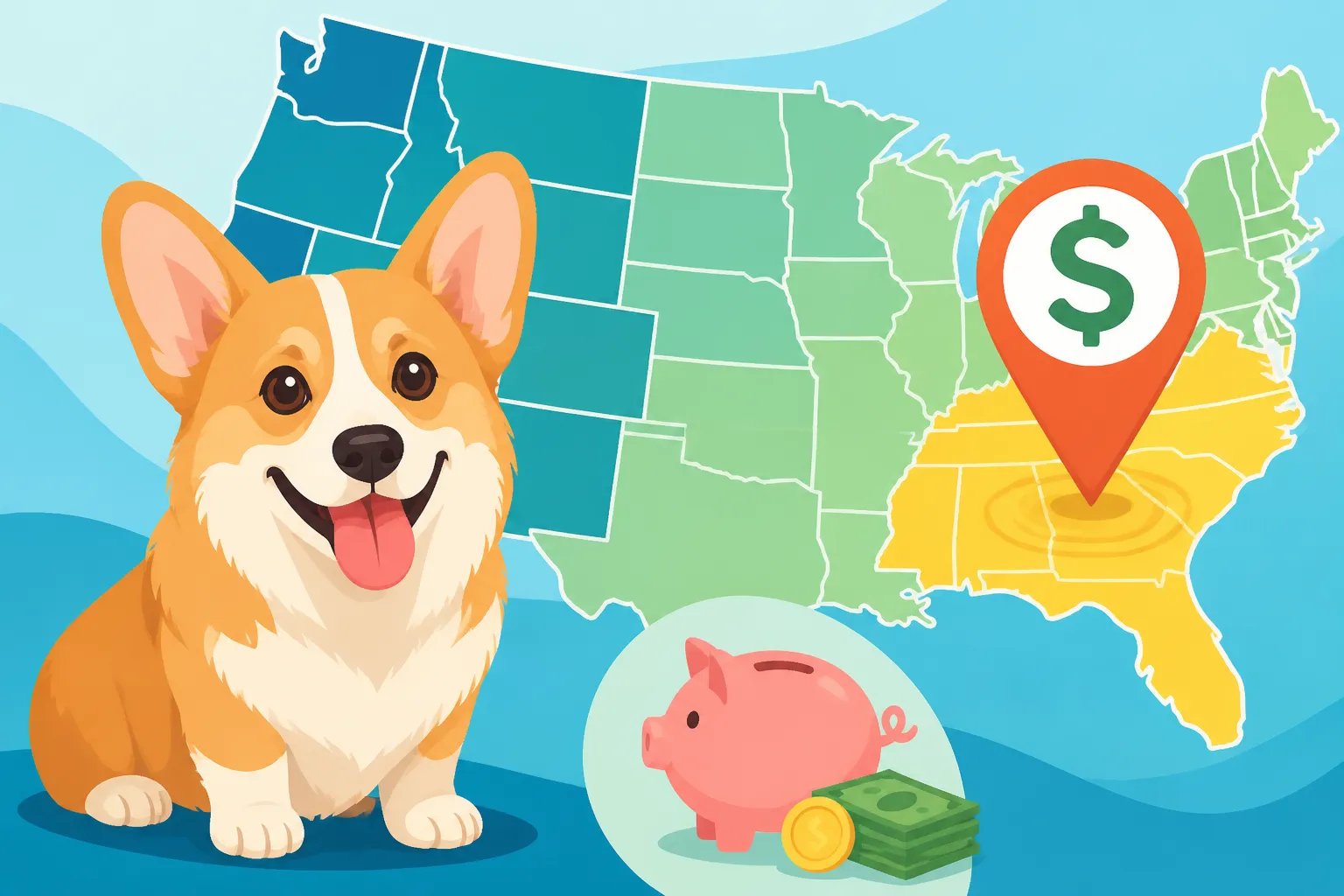
Where in the Country Corgis Are Cheapest
It's a really common and completely understandable question: "Where can I find a Corgi without spending a fortune?" The initial sticker shock of a well-bred Corgi puppy can be a significant hurdle for many aspiring owners, and it often leads people to wonder if certain regions offer a more affordable entry point into Corgi parenthood. This guide aims to shed light on the factors influencing Corgi prices across the country, helping you navigate the market to find a wonderful companion ethically, even if your budget is a bit tighter.
Unpacking the Factors That Dictate Corgi Puppy Prices
When you start looking for a Corgi, you’ll quickly notice that prices aren't uniform. There's a wide spectrum, and understanding what drives these differences is the first step in finding a Corgi that fits your budget without compromising on health or ethical breeding. It's not just about what the breeder feels like charging; there are very real costs involved in responsible breeding.
Breeder Reputation and Extensive Health Testing
One of the biggest determinants of a Corgi puppy's price is the reputation and practices of the breeder. A responsible, reputable breeder invests heavily in their dogs, and these costs are naturally reflected in the puppy price. This isn't about making a huge profit; it's about covering the significant expenses associated with producing healthy, well-socialized puppies.
Think about it: before a litter is even conceived, good breeders invest in comprehensive health screenings for both parent dogs. This isn't just a quick vet check-up. We're talking about specific tests for genetic conditions prevalent in Corgis, such as hip and elbow dysplasia evaluations, eye certifications, and DNA tests for conditions like Von Willebrand Disease (vWD) and Degenerative Myelopathy (DM). For instance, understanding The DNA Tests a Corgi Breeder Should Run is crucial, as these tests can cost hundreds or even thousands of dollars per dog. They also ensure their breeding dogs are of sound temperament and structure, often participating in dog shows or performance events to prove their quality. These health clearances help minimize the chances of you facing huge vet bills down the line for preventable conditions, which is why they're such a vital investment.
Pedigree, Show Lines, and "Pet Quality" Distinction
Another major factor in pricing is the puppy's pedigree and whether it comes from "show lines" versus "pet quality" parents. Puppies from parents who are champions in conformation (dog shows) or who have excelled in performance events (like agility or herding trials) will almost always command a higher price. These puppies are often considered to have stronger potential for showing themselves, or for continuing a desirable line of dogs.
However, many reputable breeders will have puppies in a litter that are deemed "pet quality." This doesn't mean there's anything wrong with them, or that they aren't healthy and wonderful. It simply means they might have a minor deviation from the breed standard – perhaps a marking that's a little off, or they don't have quite the "showstopper" presence needed for the ring. These puppies are still exceptionally well-bred, loved, and raised, and they make phenomenal family companions. Often, these "pet quality" pups are sold on a spay/neuter contract and at a slightly lower price than their show-prospect siblings. It’s an ethical way to acquire a Corgi from a top breeder without necessarily paying the premium for a potential show dog.
Location, Demand, and Regional Cost of Living
Just like real estate or groceries, the cost of a Corgi puppy can fluctuate based on geography. Areas with a higher cost of living, particularly major metropolitan hubs like New York City, Los Angeles, or Seattle, tend to have higher overall prices for everything, including puppies. Breeders in these regions face higher costs for veterinary care, facility maintenance, and even their own living expenses, which can be factored into puppy prices.
Furthermore, demand plays a huge role. If Corgis are particularly popular in a certain area, or if there are fewer reputable breeders to meet the demand, prices will naturally be driven up. Conversely, in more rural areas or regions where the breed might be less "trendy," you might find prices that are a bit more modest. It's not a hard-and-fast rule, but it's a general trend to be aware of.
Geographic Variations in Corgi Costs
While pinpointing the exact "cheapest" state or region is nearly impossible due to individual breeder differences and fluctuating demand, we can identify general trends across the country that might guide your search.
Regions Where Corgi Prices Tend to Be Higher
Generally, Corgi puppy prices are on the higher end in:
- Northeast: States like New York, Massachusetts, New Jersey, and Connecticut often see higher prices. This is due to a combination of high cost of living, high population density, and often significant demand for popular breeds.
- West Coast Urban Centers: California, particularly around Los Angeles and San Francisco, and parts of the Pacific Northwest like Seattle, also tend to have elevated prices for the same reasons as the Northeast.
- Major Southern Cities: Cities like Miami, Atlanta, or Dallas, while perhaps not as high as coastal metropolises, can still have prices leaning towards the higher end of the national average, reflecting urban demand and cost of living.
In these areas, it's not uncommon to see Corgi puppies from reputable breeders priced anywhere from $2,500 to $4,000, and sometimes even more, especially for puppies with exceptional show potential or from highly sought-after lines.
Areas Where You Might Find More Affordable Options
If you're willing to travel or expand your search, you might find slightly lower prices in:
- Midwest and Mountain States: States across the Midwest (e.g., Iowa, Kansas, Nebraska, Missouri, parts of Ohio) and certain Mountain states (e.g., Montana, Wyoming, Idaho) often have a lower cost of living. This can translate to slightly more accessible Corgi puppy prices. You might find reputable breeders here pricing puppies in the $1,800 to $2,800 range.
- Rural Regions within any State: Even in states with high average prices, looking at breeders located in more rural areas, further away from major cities, can sometimes yield slightly lower costs. These breeders might have lower overheads and less intense local demand.
- Southern States (outside major cities): In less densely populated parts of states like Arkansas, Oklahoma, or parts of the Carolinas, you might encounter breeders with prices on the lower end of the spectrum, though again, always prioritize ethical breeding over just the price tag.
Remember, "more affordable" in this context still means purchasing from a responsible breeder who does all necessary health testing and provides proper care. Skipping these essentials to save a few hundred dollars upfront can cost you thousands in vet bills later, not to mention the heartache of a sick puppy.
The Impact of Rural vs. Urban Settings on Price
It’s worth reiterating the distinction between rural and urban breeding locations. Urban breeders typically operate in areas with higher property costs, higher general living expenses, and often a larger pool of potential buyers who are willing to pay more for convenience. This pushes prices up.
Rural breeders, on the other hand, might have lower overheads. They might have more space, potentially lower vet costs (depending on the vet clinic), and sometimes less direct competition driving prices up. This doesn't mean their puppies are of lesser quality; often, rural breeders are deeply dedicated to their lines and their dogs, living on properties ideal for raising healthy, well-socialized pups. So, if you're seriously looking to save a bit on the initial purchase price, widening your search to include reputable breeders in more rural locations, even if it means a drive, can be a smart strategy. Don't be afraid to put some miles on your car for the right Corgi.
Beyond the Puppy Price: Hidden Costs to Consider
It's tempting to focus solely on the initial purchase price, but any seasoned Corgi owner will tell you that's just the tip of the iceberg. The true financial commitment comes with the ongoing care throughout your Corgi's life, which can span a healthy The Twelve to Fifteen Year Corgi Lifespan.
Ongoing Care and Essential Supplies
Your Corgi will need food, and not just any food. A good quality kibble, or even a fresh food option like those from Ollie, is essential for their health and maintaining a healthy weight to support their long back. Keeping a Corgi at a healthy weight is paramount for spinal health, and you might want to look into The Body Condition Score a Corgi Should Hold. Food costs can range from $40 to $80+ per month, depending on the brand and whether you choose fresh or kibble.
Beyond food, there's a long list of essentials:
- Bowls, collar, leash, harness: Expect to spend $50-$150 initially. A good harness is especially important to avoid pressure on their sensitive necks and backs.
- Crate and bedding: Essential for training and safe resting, budgeting $100-$250 for a quality crate and comfortable bed is wise.
- Toys and chews: Corgis are intelligent and active; they need mental stimulation. Budget $20-$50+ monthly for a rotating selection of toys and safe chews. You can find a vast array of options for all these needs at retailers like Chewy.
- Grooming supplies: While you can do much of it yourself, investing in good brushes, combs, and a de-shedding tool is key for their double coat. Even if you don't take your Corgi to a professional groomer, expect to spend $50-$100 upfront on decent tools. Regular grooming is important, especially given Why a Corgi Sheds All Year and Not Just Twice.
Veterinary Care and Insurance
This is where expenses can really add up, especially for a breed known for certain predispositions.
- Routine Vet Visits: Annual check-ups, vaccinations, flea, tick, and heartworm prevention easily run $300-$700 per year. For a puppy, the initial series of shots and deworming will be more concentrated.
- Emergency Care: This is the big one. Corgis, with their long backs, are unfortunately prone to Intervertebral Disc Disease (IVDD). An emergency visit for a ruptured disc can quickly escalate into thousands of dollars for diagnostics (like an MRI, which is often crucial for What an MRI Shows in a Corgi Back) and potential surgery. This is precisely why pet insurance is not just a luxury, but almost a necessity for Corgi owners. Providers like Healthy Paws offer coverage that can be a lifesaver when those unexpected emergencies strike. Looking into Insuring a Corgi Before Its First Back Episode is incredibly important, as policies typically won't cover pre-existing conditions.
- Dental Care: Corgis, like many small breeds, can be prone to dental issues. Professional dental cleanings under anesthesia can cost $400-$1,000+ every few years.
Training and Enrichment
Corgis are smart but also notoriously independent. Early training and continued mental enrichment are vital.
- Puppy Classes: Group classes are a great investment, typically costing $150-$300 for a multi-week course. These help with socialization and basic obedience.
- Private Training: If you encounter specific behavioral challenges, private sessions can be more expensive, ranging from $75-$150 per hour.
- Doggy Daycare/Walkers: If you work long hours, budgeting for daycare or a dog walker to ensure your Corgi gets enough physical and mental stimulation is crucial. This can be $25-$50 per day or $20-$30 per walk. Providing adequate enrichment is key to preventing boredom-related behaviors and ensuring a happy, well-adjusted Corgi.
Ethical Ways to Find a Corgi Without Breaking the Bank
While chasing the absolute "cheapest" Corgi might lead you down a path of unethical breeders, there are indeed responsible ways to find a Corgi at a more accessible price point.
Rescues and Shelters
This is often the most budget-friendly and incredibly rewarding way to bring a Corgi into your home. Purebred Corgi rescues exist across the country, dedicated to rehoming Corgis and Corgi mixes. The adoption fees are significantly lower than purchasing from a breeder, typically ranging from $250 to $500. These fees usually include spay/neuter, initial vaccinations, and sometimes even microchipping.
- Benefits: You're giving a deserving dog a second chance, the dog is often already spayed/neutered and up-to-date on shots, and rescue organizations often have a good understanding of the dog's temperament and history. You might even find a Corgi with a known health history, which can be invaluable.
- Where to Look: Websites like Petfinder.com and Adoptapet.com allow you to search for Corgis in your area. Also, search specifically for "Corgi rescue [your state/region]" to find dedicated breed-specific organizations. Be prepared to fill out an application and potentially wait, as Corgis are popular even in rescue.
Adopting an Older Corgi
While most people envision bringing home a fluffy puppy, considering an adult or senior Corgi is another excellent option for a more affordable adoption.
- Lower Adoption Fees: Older dogs in rescues often have lower adoption fees because they are harder to place.
- Known Temperament: With an adult Corgi, what you see is generally what you get. Their personality is already developed, making it easier to determine if they're a good fit for your household. You'll know if they're a "Corgi that barks more than most" or a calm companion.
- Potentially Less Destructive Puppy Phase: You skip the intense house-training and nipping stages that come with a puppy.
- Considerations: Older dogs might come with existing health conditions, which could mean higher vet bills down the line. However, many rescues are transparent about health issues and some may even assist with initial medical needs. You'll want to ask about their spinal health and if they've had any episodes, as issues like The Age Corgi Disc Problems Usually Appear can start in adulthood.
Connecting with Reputable Breeders for "Pet Quality" Pups
As mentioned earlier, even top-tier breeders often have puppies that are destined for pet homes rather than the show ring. These puppies are still purebred, healthy, and come from genetically screened parents, but might be priced slightly lower due to minor cosmetic differences.
- How to Approach: Be upfront with breeders about your budget and your desire for a family companion, not a show dog. Ask if they ever place "pet quality" puppies at a slightly reduced price.
- The Wait List: Be prepared for a wait. Reputable breeders often have extensive waiting lists, and you might need to be patient for the right puppy to become available at a price you can manage.
- Ask About Older Pups/Retired Adults: Sometimes, breeders might occasionally rehome a slightly older puppy (past the typical 8-12 week mark) or a retired breeding adult. These dogs are usually discounted and can be a fantastic option for someone seeking a well-adjusted Corgi without the premium puppy price.
Here's a quick comparison of potential Corgi costs, focusing on initial acquisition and a few key ongoing expenses:
| Cost Category | Rescue/Older Corgi (Estimated Range) | Reputable Breeder "Pet Quality" (Estimated Range) | Reputable Breeder Show Prospect (Estimated Range) |
|---|---|---|---|
| Initial Acquisition | $250 – $700 (Adoption Fee) | $1,800 – $3,000 | $3,000 – $5,000+ |
| Initial Supplies | $250 – $500 (Crate, bowls, leash, toys, etc.) | $250 – $500 | $250 – $500 |
| First-Year Vet Care | $500 – $1,000 (Check-ups, vaccinations, parasite prevention) | $500 – $1,000 | $500 – $1,000 |
| Pet Insurance (Annual Premium) | $300 – $700 (Highly Recommended, varies by age/plan) | $300 – $700 | $300 – $700 |
| Monthly Food (Quality Kibble) | $40 – $80 | $40 – $80 | $40 – $80 |
| Annual Grooming (DIY Supplies) | $50 – $100 | $50 – $100 | $50 – $100 |
Note: These are estimates and can vary significantly based on location, specific needs, and individual choices. Pet insurance is a crucial consideration for Corgis due to their predisposed health issues.
Finding a Corgi is an exciting journey, and while price is a valid consideration, it should never be the only one. Prioritizing ethical sourcing, health testing, and a responsible breeder (or rescue) will always lead to a happier, healthier, and ultimately less expensive experience in the long run. Do your research, be patient, and the perfect Corgi will find its way to you.
Disclaimer
The information provided in this article is for general informational purposes only and does not constitute professional veterinary advice. Always consult with a qualified veterinarian or animal health professional for any medical concerns or before making any decisions about your pet's health or care.