Getting a Corgi There and Back Safely
Corgi owners often face a unique dilemma when it comes to getting their low-rider companions from point A to point B safely. Their distinctive long backs and short legs, combined with their sometimes boundless enthusiasm, can make even a simple car ride or a trip to the vet fraught with anxiety over potential injury. This guide will walk you through practical, empathetic strategies to ensure your Corgi travels securely, comfortably, and, most importantly, without putting their precious spine at risk.
The Unique Mobility Needs of Your Corgi
Corgis are undeniably adorable, but their charming physique — those short legs and long body — isn't just for looks. It's a hallmark of a chondrodystrophic breed, meaning their cartilage development is different, often leading to shorter limbs and a predisposition to certain health issues, particularly concerning their spine. Understanding this foundational aspect is the first step in ensuring their safe transport.
Understanding Their Long Back and Short Legs
Imagine trying to navigate the world from just six to twelve inches off the ground, with a body disproportionately longer than your legs. That's a Corgi's reality. This unique build, while perfect for ducking under the hooves of cattle they were bred to herd, makes them highly susceptible to spinal injuries. Conditions like intervertebral disc disease (IVDD), where the discs cushioning their vertebrae can rupture or herniate, are a constant concern for Corgi parents. A sudden jolt, a bad landing from a jump, or even an awkward twist can put immense strain on their delicate backs. This is why you'll often hear discussions about Disc Disease in a Long-Backed Corgi – it's a very real and ever-present threat. Every time you lift them, every time they hop into the car, you're implicitly evaluating the risk to their spine. It's not just about comfort; it's about prevention.
Their short legs also mean they can't always clear obstacles or step into vehicles with ease, making assistance crucial. Think about how a human with very short legs would navigate a step stool versus a flight of stairs. For a Corgi, even a car seat can be a significant leap. This physical constraint means that owners must be proactive in managing their environment and movements, especially when traveling. Ignoring these anatomical facts can have serious, painful, and very expensive consequences for your beloved companion, leading to sudden emergencies and profound changes in their quality of life.
The Impact of Excitement and Herding Instincts
Beyond their physical build, a Corgi's personality plays a huge role in safe travel. These intelligent, often boisterous dogs have a strong herding instinct that makes them naturally reactive and quick to "flock" anything that moves. This can translate into bursts of excitement, lunging on the leash, or sudden jumps and twists when they're stimulated. Picture your Corgi spotting a squirrel or another dog from the car window – that sudden lunge against their harness could put their back at risk. When you factor in their predisposition to disc issues, these sudden movements become much more than just a nuisance; they're genuine injury risks.
Their independent and often bossy nature means they'll sometimes make their own decisions about jumping on or off furniture, or vaulting out of a car without waiting for assistance. This is why training is so important, not just for good manners, but for physical safety. Teaching them patience and cues like "wait" or "stay" before exiting a vehicle or approaching a new situation can be literally spine-saving. Understanding their drive to herd, to bark at novel sights, or to chase anything that moves helps you anticipate and manage these situations, creating a safer travel experience for everyone involved.
Securing Your Corgi for Car Journeys
Car travel is probably the most common way we transport our Corgis, whether it's for a quick trip to the dog park or a longer vacation. However, a loose Corgi in a vehicle isn't just a distraction risk for the driver; it's an extreme danger for the dog itself. In the event of a sudden stop or accident, an unsecured Corgi can become a projectile, suffering severe, life-threatening injuries or causing harm to human occupants. Their low center of gravity and relative sturdiness can give a false sense of security, but the forces involved in a crash are immense.
Choosing the Right Car Restraint: Crates vs. Harnesses
When it comes to car safety, your primary options are crash-tested crates or safety harnesses. Each has its pros and cons, and the best choice often depends on your Corgi's temperament and your vehicle setup.
Crash-Tested Crates: These are generally considered the safest option, as they provide a rigid barrier of protection. Look for crates that have been certified by organizations like the Center for Pet Safety (CPS), which conducts rigorous crash tests. Brands like Gunner Kennels or Ruffland Performance Kennels are known for their robust designs. The crate should be appropriately sized – snug enough that your Corgi can stand, turn around, and lie down comfortably, but not so large that they're thrown around inside in a sudden stop. A crate placed in the cargo area of an SUV or hatchback is often ideal, as it's the safest spot in the vehicle and typically offers more room. For families, securing the crate with seatbelt straps or anchor points is crucial. The crate provides a secure, den-like space that many Corgis find comforting, reducing anxiety during travel. It also contains shedding hair and prevents your Corgi from interfering with your driving.
Safety Harnesses: If a crate isn't feasible, a crash-tested car harness designed to buckle into a seatbelt is the next best thing. Again, certification from the CPS is key. Many regular harnesses are not designed to withstand impact and can fail, potentially causing injury. Look for brands like Sleepypod or Kurgo, which offer crash-tested options. The harness should fit snugly across your Corgi's chest, distributing force evenly in a sudden stop, rather than putting pressure on their throat or delicate spine. Ensure the harness attachment point is sturdy and compatible with your car's seatbelt system. While harnesses offer less protection than a rigid crate in extreme collisions, they significantly reduce the risk of your Corgi becoming a projectile and prevent them from roaming the car. They also allow your Corgi to sit up and look out, which some dogs prefer.
Preventing Jumps and Falls in the Vehicle
Corgis, with their enthusiastic personalities, can be prone to leaping out of vehicles before you're ready, or jumping off seats. This is incredibly dangerous for their long backs. A poorly executed jump, especially from an elevated height like an SUV tailgate or even a car seat, can easily lead to The Jump That Ruptures a Corgi Disc. Preventing these impulsive moves is paramount.
One simple solution is always to ensure your Corgi is on a leash before you open the car door, especially when parked on a busy street or in a parking lot. This gives you immediate control and prevents a mad dash. For higher vehicles, a ramp is an absolute game-changer. Even if your Corgi can jump in and out, the repetitive impact of jumping can contribute to spinal wear and tear over time. Ramps like those from PetSafe or Gen7Pets can make entry and exit smooth and safe, saving their joints and discs from unnecessary stress. You can find detailed advice on Ramps and Steps That Save a Corgi's Back to explore options suitable for your vehicle and home.
Inside the car, if your Corgi isn't in a crate, consider using a car seat booster. These elevate smaller dogs, allowing them to see out the window safely without having to jump up and down from the regular car seat. Brands like Kurgo or Snoozer offer options that buckle into the car and often include a short leash attachment for your Corgi's harness, keeping them secure while enjoying the view. This significantly reduces the chances of them attempting to jump down or clamber over seats, providing a safer, more enjoyable ride for everyone.
Prepping Your Corgi for Stress-Free Rides
Some Corgis take to car rides like they were born for it, while others find the experience incredibly stressful. If your Corgi falls into the latter category, a little preparation can go a long way in making car journeys safer and more pleasant. Start with short, positive experiences. Instead of the first car ride being a long trip to the vet, make it a quick drive around the block, ending with a favorite treat or a trip to a fun park. This associates the car with positive outcomes.
Gradually increase the duration and distance of rides. Always ensure they are properly secured in their crate or harness from the very beginning of the journey. For dogs prone to motion sickness, consult your vet about anti-nausea medications. Some owners find that a slightly elevated car seat that allows the dog to see out can reduce car sickness. Creating a comfortable environment with their favorite blanket or a familiar toy can also help. For more anxious Corgis, calming chews or supplements, perhaps from a brand like Ollie, might be an option after discussing with your veterinarian. Consistency is key; the more routine and positive car travel becomes, the less stress it will cause, making them less likely to panic and potentially injure themselves during transport.
Safe Movement in Public and Around the Home
Corgis, with their sturdy build and low-to-the-ground perspective, navigate the world differently from taller dogs. This means their daily walks, trips up and down stairs, and interactions in busy environments require a mindful approach to protect their vulnerable backs and ensure their overall safety.
Protecting Their Spine on Walks and Stairs
Daily walks are crucial for a Corgi's physical and mental health, helping them maintain a healthy weight and strong muscles, which are vital for supporting their spine. However, how they're walked and what surfaces they navigate can significantly impact their back health. Always use a well-fitting harness rather than a collar, especially for a Corgi. A collar can put direct pressure on their neck and spine if they pull or lunge, which, given their herding instincts, is often a distinct possibility. A Y-shaped front-clip harness, which distributes pressure across their chest and shoulders, is often recommended. You can read more about Whether a Corgi Should Wear a Harness Not a Collar to understand the benefits.
When it comes to stairs, the general advice for Corgis is to minimize their use, particularly during puppyhood and as they age. Repetitive impact from bounding up and down stairs can contribute to disc issues. Many Corgi owners install baby gates to block stair access or carry their Corgis up and down. If carrying, ensure you lift them correctly: support their chest and hindquarters evenly to keep their spine straight, like Picking a Corgi Up Without Hurting It. For unavoidable stairs or furniture access (like a sofa), training them to use a ramp or pet steps is the safest long-term solution. Even a seemingly innocuous jump off a sofa can cause a significant injury, so actively preventing these actions is crucial.
Navigating Crowds and Busy Environments
Corgis are often curious and friendly, but their low stature can put them at a disadvantage in crowded public spaces. They can easily be stepped on, tripped over, or become overwhelmed, leading to stress, nipping, or lunging. When taking your Corgi to a busy park, a farmer's market, or a pet-friendly outdoor event, keeping them on a short leash is essential. This gives you maximum control and keeps them close to your side, minimizing the risk of accidental injury from oblivious foot traffic.
Consider using a stroller designed for pets if you anticipate long periods in crowds, or if your Corgi is older or has mobility issues. This elevates them out of the fray, allows them to observe their surroundings without being overwhelmed, and protects them from being trodden on. It’s also a great way to still involve them in outings even if their physical stamina is limited. Furthermore, a highly stimulating environment can trigger their herding instinct, causing them to try and "manage" people's movements, which could lead to nipping at ankles – a behavior that, while instinctual, is best avoided for safety and social harmony. Being proactive about managing their exposure and providing a safe vantage point can make outings much more pleasant for your Corgi and those around you.
Using Ramps and Steps to Prevent Injury
This point cannot be stressed enough for Corgi owners. Integrating ramps and steps into your home and car is one of the most proactive and effective ways to safeguard your Corgi's spinal health. Their chondrodystrophic build means their discs are already under more strain than in dogs with proportionate limb lengths. Every jump, every drop from a height, increases the risk of a debilitating injury.
| Location | Why Ramps/Steps are Crucial | Recommended Type |
|---|---|---|
| Car/SUV | Prevents spinal impact from jumping in/out. | Portable, foldable ramp with grip. |
| Sofa/Bed | Eliminates jumping strain during daily activity. | Pet steps or low-rise ramps. |
| Stairs | Reduces repetitive stress on discs. | Indoor carpeted ramps, baby gates. |
| Outdoor Decks | Safer access to different levels in the yard. | Durable, weather-resistant outdoor ramp. |
Even if your Corgi currently jumps around with seemingly no issue, cumulative trauma is a real concern. Whether a Corgi Should Ever Jump Off a Sofa is a question every owner should seriously consider, with the answer almost always being "no." Start teaching your Corgi to use ramps or steps early, making it a positive experience with treats and praise. Place them beside all furniture your Corgi accesses and use a car ramp consistently. This small investment in equipment and training can dramatically reduce the likelihood of a costly and painful spinal injury down the line. It's a fundamental change in how you manage their environment, showing a deep understanding of their unique physical vulnerabilities.
Planning for Longer Journeys: Air, Train, and Extended Drives
Embarking on longer journeys with your Corgi requires more planning and consideration than a quick trip across town. Whether it's by air, train, or extended road trip, the goal remains the same: to keep your Corgi safe, comfortable, and minimize stress on their body and mind.
Airline Regulations and Corgi Comfort
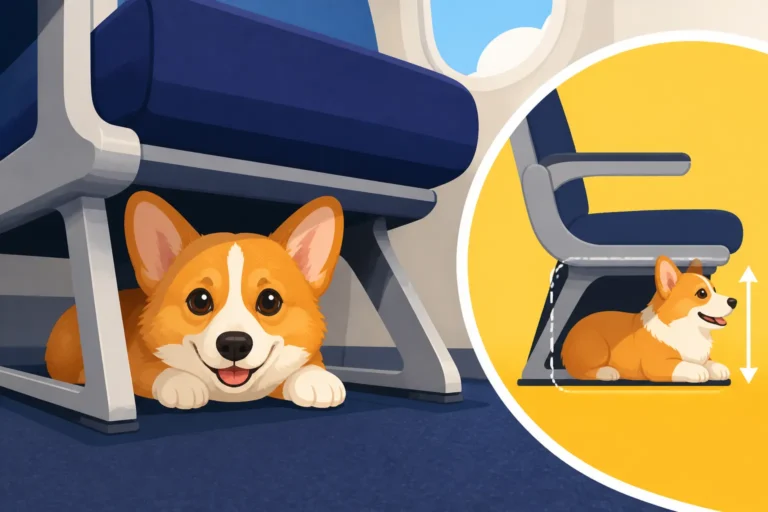
Flying with a Corgi can be a complex endeavor due to their brachycephalic (short-nosed) tendencies, even though they aren't as extreme as some other breeds. While Pembrokes and Cardigans aren't typically considered brachycephalic for all airline policies, some airlines may still have restrictions, particularly for cargo travel, due to respiratory concerns. Always check with your specific airline well in advance about their pet policies, including breed restrictions, crate requirements (size, ventilation, labeling), temperature embargoes, and necessary health certificates. Most Corgis, given their size, will likely qualify to fly in the cabin under the seat in front of you, provided they fit comfortably in an airline-approved soft-sided carrier.
If your Corgi must fly cargo, this is where the highest level of caution is required. Extreme temperatures in cargo holds, even brief exposure on the tarmac, can be dangerous. Consider the time of year and destination climate carefully. A sturdy, IATA-compliant hard-sided crate is essential, clearly marked with "Live Animal" and your contact information. Provide water in a spill-proof dish and an absorbent pad. Before considering cargo, evaluate if the trip is truly necessary, as the stress and potential risks are considerable. For those concerned about their dog's health during travel, pet insurance providers like Healthy Paws can offer peace of mind, covering potential emergencies that might arise from travel complications, though specific coverage always needs to be verified.
Train Travel Considerations for Low Riders
Train travel can be a more relaxed alternative to flying for Corgis, as many rail services in the US and Europe are becoming increasingly pet-friendly. Amtrak, for instance, allows small dogs and cats on many routes, provided they fit in a carrier that can be stowed under the seat in front of you. This is often an ideal scenario for a Corgi, as they can stay with you in the cabin. The carrier must be well-ventilated, secure, and your Corgi must be able to stand, turn around, and lie down comfortably within it.
The main considerations for train travel are similar to car travel: ensuring your Corgi is comfortable and doesn't get overly stressed. Bring familiar bedding, water, and perhaps a long-lasting chew or puzzle toy to keep them occupied. Plan for potty breaks during longer stops, and be mindful of other passengers who may not be accustomed to traveling with pets. Because Corgis are so low to the ground, be extra careful when getting on and off the train, as the gap between the platform and the train can be a hazard. Lifting them securely or having them trained to calmly step over the gap is crucial to prevent slips or falls that could harm their back.
Packing Essentials for Overnight Stays and Road Trips
Long road trips and overnight stays require a comprehensive packing list to ensure your Corgi's well-being and safety. It’s more than just grabbing a leash; it’s about creating a familiar and comfortable environment away from home.
Here’s a detailed checklist for your Corgi's travel bag:
- Food and Water: Pack plenty of your Corgi's regular food to avoid upset stomachs from sudden diet changes. Bring purified water from home, especially if traveling to an area with different water quality, and collapsible bowls.
- Medications & First Aid: Don't forget any prescribed medications. A small pet first-aid kit is essential for minor scrapes or emergencies. This should include bandages, antiseptic wipes, tweezers, and any over-the-counter pet-safe pain relief approved by your vet. Knowing Emergency Signs of a Corgi Disc Injury is vital, as quick action can make a difference.
- Comfort Items: Bring their favorite bed, blanket, and a couple of familiar toys to help them settle into new environments.
- Waste Bags & Cleaning Supplies: Accidents happen. Always have plenty of waste bags, and some pet-safe cleaning wipes or spray for hotel rooms or rental properties.
- Health Records: Keep a copy of their vaccination records and any other important health documents. In case of an emergency, having these readily available for a new vet is invaluable.
- Identification: Ensure your Corgi wears a collar with up-to-date ID tags, and that their microchip information is current. Even consider a temporary tag with your travel contact number if it differs from your home number.
- Restraint Gear: Your car harness or travel crate.
- Enrichment: Pack some puzzle toys or long-lasting chews from a brand like Chewy to keep them entertained during downtime, especially in hotel rooms or when confined. This helps prevent boredom-induced destructive behaviors and keeps their minds active.
Careful planning for these essentials will make the journey much smoother, reducing stress for both you and your Corgi, and helping you avoid unexpected hiccups far from home.
Essential Gear for Safe Corgi Transport
When you own a Corgi, certain pieces of equipment aren't just luxuries; they're vital tools for keeping their unique physical structure safe. From daily walks to car rides, the right gear can make all the difference in preventing injury and ensuring comfort.
Harnesses and Carriers Designed for Corgis
As we've touched upon, a proper harness is paramount for a Corgi. Due to their long backs and propensity for intervertebral disc disease (IVDD), any pressure on their neck from a collar can be detrimental, especially if they pull on the leash. A well-designed, Y-shaped harness that distributes pressure across the chest and shoulders is ideal. Look for harnesses with a broad chest plate to avoid chafing and provide better support. Many brands offer ergonomic harnesses specifically designed for deep-chested or long-bodied breeds, which can be an excellent investment. This helps ensure that stress from pulling is not concentrated on their cervical spine. Remember, a cheap, ill-fitting harness is almost as bad as no harness at all in terms of potential harm.
For general transport, particularly to vet visits or short trips, a sturdy carrier is invaluable. For Corgis, a hard-sided carrier is often preferred for its rigidity and protection, especially if they are prone to anxiety or tend to wiggle a lot. The carrier should be large enough for them to stand up, turn around, and lie down comfortably without being so spacious that they slide around. Good ventilation is also a must. For an unwell or post-operative Corgi, a carrier becomes critical for keeping them still and supported. For smaller Corgis or puppies, a soft-sided carrier might work for very short distances, but always prioritize spinal stability.
The Role of Ramps and Car Seats
Ramps are not optional for Corgi owners; they are essential preventive equipment. Ramps and Steps That Save a Corgi's Back from the constant jarring impact of jumping. Whether it's for getting into the car, onto the sofa, or up to the bed, a ramp eliminates the risky leaps that can lead to acute disc injuries or cumulative trauma over time. Look for ramps with good traction and a gentle slope. Many portable car ramps fold up for easy storage, making them convenient for any outing. Investing in a sturdy, reliable ramp is far less costly and painful than dealing with a ruptured disc.
Car seats, or booster seats, are another excellent tool, particularly for smaller Corgis or puppies. These seats elevate your dog, allowing them to see out the window safely and reduce motion sickness, but their primary benefit is restraint. They typically come with a tether that attaches to your Corgi's harness, keeping them securely in place and preventing them from jumping off the seat or wandering around the car. This not only keeps your Corgi safer in transit but also helps you stay focused on the road. When combined with a crash-tested harness, a car seat can provide a much safer alternative to a loose dog, offering more protection and comfort than simply being loose on the back seat.
First-Aid and Emergency Kits for Travel
Having a well-stocked first-aid kit specifically for your Corgi is non-negotiable, especially when traveling. Accidents and emergencies can happen anywhere, anytime, and being prepared can make a critical difference.
A comprehensive Corgi travel first-aid kit should include:
- Veterinary Contact Info: Your regular vet and local emergency vet contacts for your destination.
- Bandages and Tape: Self-adhering bandages and medical tape for wounds.
- Antiseptic Wipes/Solution: For cleaning cuts and scrapes.
- Sterile Gauze Pads: For covering wounds or applying pressure.
- Tweezers: For removing splinters, ticks, or foreign objects.
- Scissors: Blunt-tipped for cutting bandages or fur around a wound.
- Hydrogen Peroxide (3%): Only to be used under vet guidance for inducing vomiting in certain poisoning cases. Do not administer without instruction.
- Activated Charcoal: Only to be used under vet guidance for absorbing toxins in poisoning cases.
- Eye Wash: Saline solution for flushing irritants from eyes.
- Rectal Thermometer: To check for fever or hypothermia.
- Pet-Safe Pain Relievers: Only those prescribed or approved by your vet. Never give human pain medication.
- Cone Collar (E-collar): To prevent licking wounds or sutures.
- Latex Gloves: For hygiene when treating wounds.
- Emergency Blanket: For warmth in shock or cold conditions.
- Flashlight: For examining wounds in low light.
- Benadryl (Diphenhydramine): Ask your vet for the correct dosage for allergic reactions (e.g., insect stings), but always confirm before administering.
Knowing Emergency Signs of a Corgi Disc Injury is also crucial for quickly identifying if your dog needs immediate veterinary attention. In situations where every second counts, having these supplies on hand can stabilize your Corgi until professional help is reached, potentially saving their life or preventing further injury. Regular checks of the kit's contents, ensuring items aren't expired, are also an important part of preparedness.
Transporting an Injured or Unwell Corgi
The thought of your Corgi being injured or unwell is every owner's nightmare. But in such a situation, knowing how to safely and gently transport them can prevent further harm and ensure they receive prompt veterinary care. This is a moment where panic can set in, but a calm, informed approach is vital.
Gentle Handling During Emergencies
If your Corgi has suffered an injury, especially one involving their back or legs, the absolute priority is to move them as little as possible and as gently as possible. Any twisting, bending, or excessive movement of their spine could exacerbate the injury. This is especially true if you suspect a disc rupture, where even a slight wrong move can worsen neurological deficits.
If they can move, encourage them to do so slowly, supporting them with a sling or towel under their belly if needed. If they are unable to move, or if moving them causes significant pain, you'll need to create an improvised stretcher. A rigid surface like a cutting board, a flat piece of plywood, or even a thick, folded blanket can work. Gently slide them onto the surface, keeping their body as straight and supported as possible. Recruit help if available, with one person supporting the front half and another the back half, always coordinating movements to avoid twisting. This is not the time for solo heroics if it means risking further injury. Knowing The Age Corgi Disc Problems Usually Appear can help you be more vigilant, especially in their prime years. It's about stability and minimizing any compression or rotation of the spine during the transfer to your vehicle and, subsequently, to the veterinary clinic.
Specialized Carriers and Support Slings
For ongoing care or planned vet visits with a Corgi recovering from surgery or suffering from chronic mobility issues like degenerative myelopathy, specialized equipment becomes invaluable. Soft-sided stretcher-style carriers or slings are designed to support the entire body, keeping the spine aligned and reducing strain.
Slings: These are often used for Corgis with hind leg weakness or paralysis. They are fabric wraps that go under the belly, with handles for you to lift and support their rear end, allowing them to use their front legs to move forward. This greatly reduces pressure on their hindquarters and spine, making short walks, potty breaks, or getting in and out of the car much easier and safer. Brands like Walkin' Pets or GingerLead offer excellent support slings.
Specialized Stretcher Carriers: For completely non-ambulatory Corgis, or those requiring complete immobilization, a rigid stretcher carrier is crucial. These are essentially portable beds that allow you to safely move your dog without manual lifting or bending. They are designed for easy cleaning and offer padded support. Some even have wheels for easier transport over longer distances, which can be a literal lifesaver for older or heavier Corgis who have lost mobility. For a Corgi on Crate Rest for a Corgi With a Bad Back, moving them from their crate to the car for a vet visit becomes a controlled, safe operation with such tools. These tools allow you to continue providing the best care while protecting their delicate spine and preventing further injury during essential movements.
Disclaimer
This guide provides general information and recommendations for safely transporting your Corgi. It is not a substitute for professional veterinary advice. Always consult with your veterinarian for specific concerns regarding your Corgi's health, mobility, and appropriate travel arrangements, especially if they have pre-existing conditions or injuries.