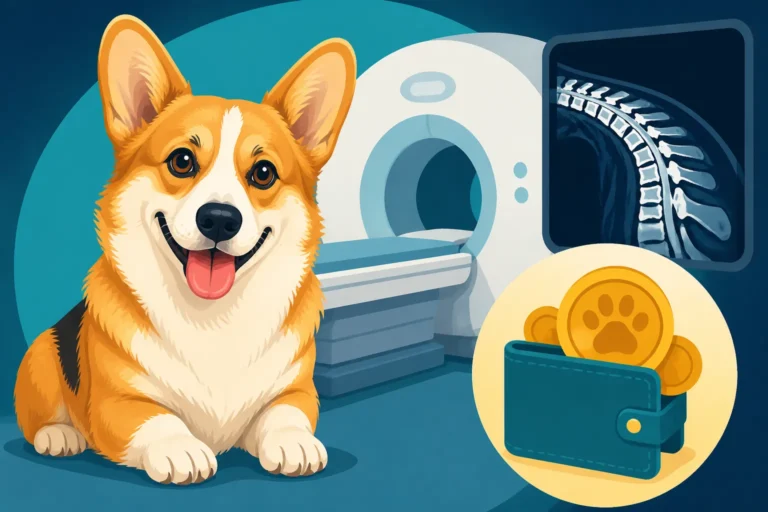
A Corgi Priced Under a Thousand Dollars
Many aspiring Corgi parents get excited when they see a Corgi puppy advertised for a price that seems too good to be true – often under a thousand dollars. It’s a natural reaction to want to save money, especially with the rising cost of living, but in the world of purebred dogs, a significantly low price tag is almost always a flashing red light, not a hidden gem. This guide will walk you through why an inexpensive Corgi puppy can often lead to far greater costs and heartache down the road.
The Allure and Alarm of a Low Price Tag
It’s completely understandable to feel a tug when you spot a Corgi puppy advertised for what seems like a steal. In a market where responsible breeders often list puppies for upwards of $2,000, and sometimes significantly more depending on location and lineage, finding one for $800 or even $600 can feel like hitting the jackpot. You might think you’re simply getting a great deal, or that other breeders are just overcharging. This initial excitement, however, can quickly blind us to the potential pitfalls lurking beneath that attractive price.
Why "Bargain" Prices Catch Our Eye
Let's be real, everyone loves a good bargain. When you’ve been dreaming of a Corgi, scrolling through countless adorable pictures, and then you see a price that fits comfortably within your budget, it feels like destiny. It taps into that part of us that wants to believe we’re smart shoppers, finding an overlooked treasure. Plus, the idea of having a Corgi sooner, without having to save up for months longer, is incredibly appealing. This psychological pull is exactly what irresponsible breeders and puppy mills count on to move their animals quickly, often without a thought for the long-term well-being of the dog or its new family.
What often happens is that these lower prices are a strategic lure. They know that the average person might not fully understand what goes into ethically breeding a healthy, well-socialized puppy, and so they exploit that knowledge gap. They might even try to justify the price by saying they "just want a good home" or "don't believe in charging high prices," which sounds noble but often masks a very different reality.
The Immediate Risks of an Underpriced Puppy
While that low initial cost might save you money upfront, it frequently leads to much larger expenses and profound heartache down the line. When a Corgi puppy is priced significantly below the breed standard, it's usually because critical aspects of its care, lineage, and early health screening have been skipped. This isn't just about saving a few bucks; it's about cutting corners that directly impact the puppy's health, temperament, and future. You might find yourself facing immediate vet bills for parasites, undiagnosed congenital conditions, or even life-threatening illnesses because the breeder didn't invest in proper veterinary care or genetic testing.
Beyond health, there are often behavioral issues. Puppies from low-cost sources are frequently not socialized properly, removed from their mothers too early, or raised in inadequate environments, leading to fear, aggression, or separation anxiety. These aren't minor inconveniences; they require extensive training and can be incredibly stressful for both the dog and the family. In essence, that "bargain" price becomes a down payment on a mountain of future problems that a responsible breeder actively works to prevent.
Understanding the Real Investment in a Corgi Puppy
When you encounter a Corgi puppy that costs more than a thousand dollars, it’s not just an arbitrary number. This price reflects a significant investment of time, money, and expertise on the part of a dedicated, ethical breeder. They aren't in it to get rich; they're passionate about the breed and committed to producing healthy, well-adjusted puppies that embody the best traits of the Corgi. Understanding these costs helps you see the true value in a responsibly bred dog.
The Ethical Breeder's Extensive Costs
A reputable Corgi breeder incurs a vast array of expenses long before the puppies are even conceived. It starts with carefully selecting breeding stock – parents who not only meet the breed standard in terms of conformation and temperament but also have excellent health clearances. This often means importing dogs with strong pedigrees, traveling for stud services, and maintaining top-notch care for their adult dogs, including premium food, regular vet check-ups, and ongoing training and socialization. These aren't just pets; they are the foundation of future generations.
Then there's the cost associated with the litter itself. This includes pre-breeding health screenings, potential artificial insemination fees, veterinary care throughout pregnancy, and all the supplies needed for whelping and raising a litter. Think about quality puppy food, deworming, initial vaccinations, microchipping, and providing a clean, stimulating environment for the pups. They dedicate countless hours to hand-rearing, early neurological stimulation, and proper socialization, which means exposing puppies to various sights, sounds, and experiences to build their confidence. All these efforts contribute to a puppy that is physically and mentally prepared for its new home.
Health Testing and Its Impact on Price
One of the most significant line items for a responsible Corgi breeder is comprehensive health testing. Corgis, like many purebreds, are prone to certain genetic conditions, such as Degenerative Myelopathy (DM), Von Willebrand Disease (vWD), and various eye and hip issues. An ethical breeder will invest heavily in genetic testing for conditions like DM, hip and elbow evaluations through organizations like the Orthopedic Foundation for Animals (OFA), and eye certifications by veterinary ophthalmologists. These tests aren't cheap, often costing hundreds, if not thousands, of dollars per dog, and are performed on both parent animals to ensure they don't pass on undesirable traits.
A Corgi puppy from a breeder who has diligently performed these tests might have a higher upfront cost, but this investment acts as an insurance policy for you. It drastically reduces the likelihood that you'll be facing devastating and expensive health problems down the road. When you see a breeder providing documentation of clear results for The DNA Tests a Corgi Breeder Should Run, you’re seeing a commitment to the long-term health of the breed, not just a quick sale. This is a crucial distinction, as skipping these tests is a common way for unscrupulous breeders to cut costs and offer lower prices.
Early Care and Socialization Expenses
The first few weeks of a Corgi puppy's life are absolutely vital for its development, and a good breeder understands this implicitly. Beyond just food and shelter, puppies need constant supervision, stimulation, and careful socialization. This means a clean environment, age-appropriate toys, gentle handling, and exposure to different sounds and textures. They'll also begin crate training and potty training to give the puppies a head start in their new homes.
Consider the cost of quality puppy food alone. Brands like Royal Canin or Purina Pro Plan, which are often recommended by vets, aren't inexpensive. Then factor in the multiple vet visits for deworming, initial vaccinations, and health checks. These early interventions are critical for ensuring a robust immune system and catching any immediate health concerns. A breeder providing this level of care is essentially laying the groundwork for a well-adjusted, healthy family member. This intensive, hands-on approach is incredibly time-consuming and costly, but it directly impacts the puppy's temperament and ability to adapt to its new home.
Spotting Red Flags in Low-Priced Corgi Listings
It's easy to get swept up in the excitement of bringing home a new Corgi puppy, but when the price seems unusually low, it's essential to put on your detective hat. Many red flags indicate that a breeder might be cutting corners, leading to a host of problems for both you and the puppy down the road. Being vigilant and knowing what to look for can save you a world of heartache and significant financial strain later.
The Tell-Tale Signs of a Puppy Mill or Backyard Breeder
A price tag significantly under a thousand dollars is often the first, loudest alarm bell that you might be dealing with a puppy mill or an inexperienced backyard breeder. These operations prioritize profit over the welfare of their animals. Puppy mills, for instance, often keep breeding dogs in deplorable conditions, with minimal human interaction and substandard veterinary care. The puppies themselves are often taken from their mothers too early, leading to behavioral problems and compromised immune systems. Backyard breeders, while sometimes well-intentioned, often lack the genetic knowledge, health testing protocols, and experience to responsibly breed dogs. They might breed two family pets without understanding the genetic implications or even the proper care required for a pregnant dam and a litter of puppies.
When inquiring about a low-priced Corgi, pay close attention to the breeder's responses. Do they seem vague about the parents' health history or temperament? Do they offer to meet you in a neutral location like a parking lot, rather than inviting you to their home to see where the puppies are raised? These are common tactics used by breeders who have something to hide. A reputable breeder will always be transparent and proud to show you their facilities and introduce you to the puppy's parents. They will also ask you many questions, ensuring that their puppy goes to a good home.
Lack of Transparency and Documentation
One of the most glaring red flags associated with cheap Corgi puppies is a complete lack of transparency, especially regarding health and lineage. A responsible breeder will readily provide you with a wealth of documentation. This includes proof of parentage (pedigree papers), registration with a reputable kennel club like the AKC, and most importantly, extensive health clearances for both parent dogs. This means certifications for hip and elbow evaluations, eye exams, and DNA tests for common Corgi genetic diseases such as Degenerative Myelopathy and the Corgi and Von Willebrand Disease.
If a breeder hedges, says they don't have papers, or claims these tests are "unnecessary," be extremely wary. Some might even present fake certificates or misleading information, a practice often seen with Corgi Ads With Fake DM Certificates. You should always be able to verify test results with the official registries (OFA, AKC, etc.). If you’re denied access to this information or the breeder pressures you into making a quick decision without providing these crucial documents, it's a huge red flag that you're not getting a responsibly bred puppy, and that the initial savings will likely be eaten up by future veterinary costs.
Questionable Living Conditions or Early Separation
The environment a puppy is raised in during its first eight weeks is critical for its physical and psychological development. If a breeder is offering puppies at a very low price, they are almost certainly cutting costs on the living conditions and care. This might mean puppies housed in dirty, cramped conditions, without proper bedding, stimulation, or protection from the elements. A visit to the breeder's home (which a good breeder will always welcome) should reveal a clean, safe, and engaging environment where the puppies are clearly part of the family dynamic.
Another major concern is early separation from the mother and littermates. Corgi puppies should remain with their mother until they are at least eight weeks old, ideally ten or twelve. This time is essential for learning bite inhibition, appropriate social cues, and confidence from their mother and siblings. Puppies offered for sale at six or seven weeks, especially at a low price, are often taken from their mother prematurely. This can lead to a host of behavioral problems, including excessive nipping, anxiety, and difficulty socializing with other dogs, requiring extensive Training a Corgi That Makes Its Own Decisions later on. It's a critical period, and cutting it short to save on feed and care costs is a major disservice to the puppy.
The Hidden Long-Term Costs of a "Cheap" Corgi
While the initial price of a Corgi might grab your attention, it's merely a tiny fraction of what you'll spend over its lifetime. A "bargain" puppy often comes with a much steeper price tag in the long run, manifesting in unexpected vet bills, behavioral issues, and immense emotional strain. It’s a classic case of paying less now to pay much, much more later, both financially and emotionally.
Unexpected Vet Bills for Health Issues
This is perhaps the most significant hidden cost of a cheap Corgi. When a breeder skips health testing and provides inadequate early care, you're essentially buying a ticking time bomb of potential health problems. Corgis are predisposed to certain conditions like hip dysplasia, elbow dysplasia, eye diseases, and especially spinal issues due to their long backs and short legs. For instance, Disc Disease in a Long-Backed Corgi is a serious concern, and surgical intervention for a ruptured disc can easily run into thousands of dollars. A cheap puppy might not have undergone proper screening for these issues, leaving you completely unprepared for the financial burden.
Furthermore, puppies from irresponsible breeders are more susceptible to common ailments like parasites (worms, giardia), kennel cough, or even more severe viral infections like parvovirus due to poor sanitation and lack of proper vaccination. Even relatively minor issues can accumulate quickly. Imagine recurring ear infections, skin allergies, or digestive problems that require specialized diets and continuous medication. These aren't just one-off expenses; they can become chronic, lifelong conditions that drain your bank account and cause immense stress as you watch your beloved pet suffer. Many owners find themselves paying for emergency neurology fees for a Corgi, which can be staggering.
| Initial Corgi Cost Comparison | Reputable Breeder ($2,000-$4,000) | Bargain Breeder (Under $1,000) |
|---|---|---|
| Initial Purchase | $2,000 – $4,000 | $500 – $999 |
| Parent Health Clearances | Extensive (DM, Hips, Eyes) | Often None |
| Initial Vet Checks/Vaccines | Included/Up-to-date | Often Minimal/Questionable |
| Early Socialization | High | Low/None |
| Genetic Predisposition | Significantly Reduced Risk | High Risk |
| Potential Future Vet Bills (Average) | Moderate (Routine care) | High (Chronic issues, emergencies) |
| Behavioral Training Needs | Low (Well-adjusted) | High (Fear, aggression, anxiety) |
| Emotional Toll | Low (Joyful companionship) | High (Stress, sadness) |
| Lifetime Cost (Estimate) | ~$20,000 – $35,000 | ~$30,000 – $60,000+ |
Note: Lifetime cost estimates include food, routine vet care, supplies, and potential major medical events over an average Corgi lifespan.
Behavioral Challenges and Training Expenses
Beyond health, a significant hidden cost often stems from behavioral problems. Puppies raised in neglectful environments, separated from their mothers too early, or lacking proper socialization can develop a range of issues. This might include extreme shyness or fear, aggression towards other dogs or people, resource guarding, separation anxiety, excessive barking, or difficulty with housetraining. These aren't traits inherent to the Corgi breed; they are often direct consequences of a poor start in life.
Addressing these issues requires a substantial investment of time, patience, and often, professional help. You might find yourself enrolling in multiple puppy classes, hiring a private dog trainer, or even consulting with a veterinary behaviorist. These services can be incredibly expensive, with private training sessions easily costing hundreds of dollars and behaviorist consultations running even higher. While you can find great advice on platforms like Chewy for basic training, complex behavioral issues usually require hands-on expert intervention. What you saved on the puppy's purchase price quickly gets swallowed up by the necessary interventions to help your dog become a well-adjusted member of society.
The Emotional Toll of an Unhealthy or Unsocialized Dog
Perhaps the most heartbreaking, and least calculable, cost of a cheap Corgi is the emotional toll it takes on you and your family. Falling in love with a puppy, only to watch it suffer from chronic pain, debilitating genetic diseases, or severe anxiety, is profoundly distressing. The constant worry, the difficult decisions about expensive treatments, and the heartbreak of an early demise can be overwhelming. You bring a dog into your home hoping for years of joyful companionship, but an unhealthy or unsocialized Corgi can quickly turn that dream into a stressful, sorrowful experience.
Dealing with a dog that has significant behavioral issues can also strain family relationships and lead to feelings of frustration, guilt, or inadequacy. You might feel isolated, unable to take your dog to public places, or constantly managing difficult situations. While a good insurance plan, like those offered by Healthy Paws, can help cover some of the financial burden of unexpected illnesses, it can't ease the emotional pain of watching your beloved Corgi struggle. The bond you form with your pet is precious, and cutting corners at the outset can severely compromise the quality of that relationship, impacting everyone in the household.
Considering Corgi Rescue and Responsible Adoption
If the price of a responsibly bred Corgi puppy feels out of reach, but you're committed to giving a Corgi a loving home, considering adoption from a breed-specific rescue or a reputable shelter is an excellent alternative. Not only does it allow you to save a life, but it also often provides a more transparent and supportive process than purchasing from an unknown source.
The Benefits of Adopting a Corgi
Adopting a Corgi, whether a puppy or an adult, comes with numerous advantages. Firstly, you're providing a second chance to a dog that desperately needs one. Many Corgis end up in rescues through no fault of their own – owners' circumstances change, they underestimated the breed's needs, or they were unfortunately bought from irresponsible sources and developed issues the previous owners couldn't handle. Rescue organizations are dedicated to rehabilitating and rehoming these dogs. You might be surprised to find young Corgis, or even Corgi puppies, available through rescues, though they often get snapped up quickly.
Furthermore, rescue organizations typically put a lot of effort into assessing the health and temperament of their dogs. They perform veterinary checks, spay/neuter them, update vaccinations, and address any immediate health concerns. They also spend time understanding each dog's personality, quirks, and needs, ensuring a better match with potential adopters. This means you often get a dog whose known history gives you a clearer picture of what to expect, unlike a "bargain" puppy with an unknown past. For more information on this, check out What a Breed Rescue Charges for a Corgi.
What Comes With a Corgi Adoption Fee
While adoption isn't "free," the adoption fees charged by reputable Corgi rescues are usually very reasonable, typically ranging from a few hundred dollars to perhaps $700 or $800. This fee covers a significant portion of the expenses the rescue has incurred, often far less than the actual cost of their care. When you pay an adoption fee, you're usually receiving a dog that has been:
- Veterinary Checked: Comprehensive physical exam.
- Spayed or Neutered: A critical procedure that prevents accidental litters and can reduce certain health risks.
- Vaccinated: Up-to-date on all core vaccinations.
- Microchipped: For identification and safe return if lost.
- Dewormed and Flea/Tick Treated: Addressing common parasites.
- Behaviorally Assessed: Rescues spend time observing the dog's temperament, interactions, and potential training needs.
- Potentially House-Trained or Basic Obedience Trained: Especially for older dogs.
Essentially, an adoption fee from a rescue provides a dog that has had a significant amount of veterinary care and behavioral assessment already covered, saving you those initial expenses you'd face with a new puppy. While you won't get a puppy from specific lineage or genetic testing guarantees like from a top breeder, you gain a transparent history and a dog that has already received foundational care. This can be a wonderful, cost-effective, and incredibly rewarding way to bring a Corgi into your life.
Making an Informed Financial Decision
Bringing a Corgi into your life is a long-term commitment, both emotionally and financially. The purchase price, whether from a breeder or a rescue, is only the beginning. Understanding the full scope of expenses associated with Corgi ownership is crucial for making a responsible and sustainable decision, ensuring a happy, healthy life for your furry companion.
Budgeting for a Corgi's Lifetime
The initial cost of a Corgi puppy, while substantial, pales in comparison to the total cost of care over its 12 to 15-year lifespan. You'll need to budget for high-quality food, which can run $50-$80 a month, depending on the brand and your Corgi's activity level. Consider options like Ollie for fresh, portioned meals that contribute to overall health. Regular veterinary check-ups, vaccinations, and parasite prevention are annual necessities. Grooming supplies, or professional grooming sessions for those challenging double coats, also add up. Then there are recurring costs like toys, treats, leashes, beds, and potentially daycare or boarding if you travel.
Beyond these routine expenses, you must prepare for unexpected veterinary emergencies or chronic health conditions. Corgis are prone to back issues, and conditions like The Age Corgi Disc Problems Usually Appear can lead to very expensive diagnostics and treatments. Thinking about Adding Up Fourteen Years With a Corgi helps put the initial price into perspective. Many owners find that while they might save a thousand dollars upfront on a "cheap" puppy, they end up spending tens of thousands more in preventable vet bills and behavioral training over the dog's lifetime. A comprehensive budget plan helps you understand the total commitment.
The Value of Insurance and High-Quality Nutrition
One of the smartest financial decisions a Corgi owner can make is investing in pet insurance early in their dog's life. Policies from providers like Healthy Paws can provide crucial financial safety nets for unexpected illnesses, accidents, and even chronic conditions that may emerge later. Many owners regret not having insurance when their Corgi suddenly needs emergency surgery for a slipped disc or requires ongoing treatment for an autoimmune disease. Enrolling your Corgi before its first major health episode, ideally as a puppy, ensures that no conditions become "pre-existing" and therefore excluded from coverage. This is especially vital given The Corgi Bills That Come With a Long Back.
Coupled with insurance, high-quality nutrition is paramount. Feeding your Corgi a balanced diet appropriate for its age and activity level can contribute significantly to its overall health and longevity, potentially reducing vet visits in the long run. Reputable brands carried by retailers like Chewy offer a wide range of premium foods specifically formulated for different needs. While these foods might be more expensive than generic brands, they provide essential nutrients that support healthy joints, a strong immune system, and a vibrant coat. Remember, what you put into your Corgi's bowl directly impacts its well-being, and skimping on food can have detrimental health consequences that eventually cost more to fix than the savings on cheaper kibble. It's truly about investing in their health from day one.
Disclaimer
Please remember that this article offers general guidance and educational information about Corgi ownership costs and considerations. It is not a substitute for professional veterinary advice, legal counsel, or consultation with a certified dog trainer or behaviorist. Always consult with qualified professionals for specific advice regarding your Corgi's health, training, and financial planning.