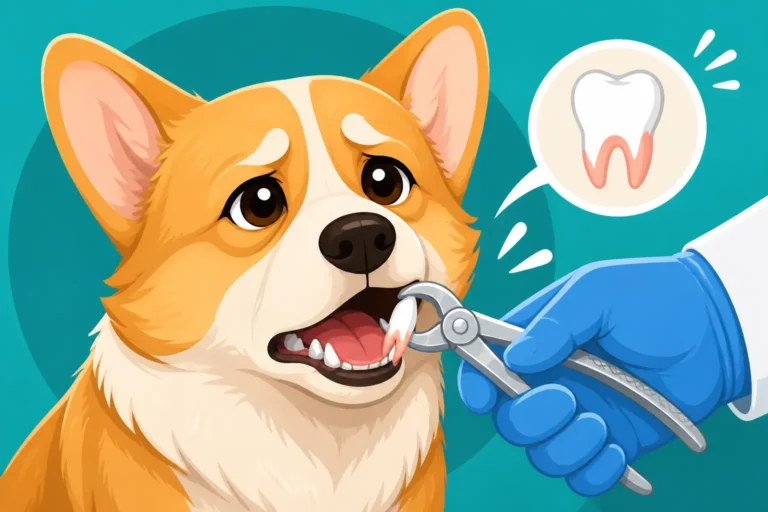
What a Corgi Costs a Year Before Any Back Trouble
Bringing a Corgi into your home is an absolute joy, filled with stubby legs, fluffy butts, and an abundance of personality. But beneath that charming exterior lies a significant financial commitment that often catches new owners off guard, even long before the breed’s well-known back issues potentially emerge. This comprehensive guide will walk you through the realistic annual costs of owning a healthy Corgi, helping you budget wisely and ensure your furry companion receives the best care from day one.
The Initial Investment Beyond the Purchase Price
When you first bring home a Corgi, the sticker shock of the puppy itself is often just the beginning. There are a multitude of immediate costs that stack up quickly, laying the foundation for your dog's first year and beyond. Understanding these upfront expenses is crucial for proper financial planning.
Adoption Fees and Breeder Costs
Whether you’re adopting from a rescue or purchasing from a reputable breeder, there's an initial fee. For a Corgi puppy from a responsible breeder, you can expect to pay anywhere from $1,500 to $3,000, and sometimes even more depending on pedigree, location, and the breeder's health testing protocols. This fee usually includes initial vaccinations, deworming, and sometimes microchipping. Remember, a higher initial cost from a reputable breeder often means you're investing in a puppy less likely to face significant inherited health issues later on, saving you money and heartache. Always look for a breeder who provides health clearances for the parents and transparently discusses potential breed-specific concerns. You might be interested in reading about The Price a Corgi Puppy Actually Fetches to understand the nuances of breeder pricing.
On the other hand, adopting from a Corgi-specific rescue or a general shelter can range from $200 to $600. These fees typically cover spaying/neutering, vaccinations, microchipping, and often some initial vet care. While the upfront cost is lower, adopted Corgis might come with unknown histories or pre-existing conditions that could lead to future expenses, though many rescues are transparent about any known issues. It’s always a good idea to factor in a buffer for the first few months after adoption.
First Vet Visits and Preventative Care
Once your Corgi is home, the vet visits begin in earnest. For puppies, a series of vaccinations is necessary to protect them from common and dangerous diseases like distemper, parvovirus, adenovirus, and rabies. These often require multiple appointments over several weeks. Expect to pay for a comprehensive physical exam at each visit, fecal tests for parasites, and potentially a follow-up deworming. Your vet will also discuss preventative medications for fleas, ticks, and heartworm.
Beyond puppies, even an adult Corgi coming from a shelter needs a thorough check-up. The first visit might involve a full blood panel to establish a baseline, ensuring there are no hidden issues. These initial vet appointments can easily run a few hundred dollars, and it's money well spent to catch any potential problems early. Think of it as investing in your Corgi's long-term health, helping to prevent more serious and expensive conditions down the line. This is a critical part of The First Twelve Months of Corgi Spending.
Essential Setup: Crates, Bowls, and Bedding
Before your Corgi even sets a paw in your home, you'll need to prepare. A sturdy crate is indispensable for training, safety, and providing a secure den. Expect to spend $50-$150 on a good-quality crate that's appropriately sized for an adult Corgi. Then there are food and water bowls; stainless steel is often recommended for hygiene and durability, costing $20-$50 for a set. A comfortable, orthopedic dog bed is a wise investment, especially given the Corgi’s predisposition to back issues, even if they haven't started yet. These can range from $40 to $150 or more, depending on size and features.
Other immediate necessities include a leash, collar, ID tags (crucial!), a few starter toys, grooming tools like a brush and nail clippers, and puppy pads if you're house-training. These items collectively can add another $100-$300 to your initial setup costs. While some items are one-time purchases, others, like toys and bedding, will need occasional replacement throughout your Corgi's life. Setting up your home properly with ramps and gates can also be a proactive measure to protect your Corgi's back, so you might consider ramps and gates that stop a Corgi using stairs.
Feeding Your Corgi for Health and Longevity
Nutrition is the bedrock of your Corgi’s health. A well-fed Corgi is a happy Corgi, but the cost of keeping them fueled can vary dramatically depending on your choices. It's not just about filling their bowl; it's about providing the right balance to support their unique physique and energy levels.
Choosing the Right Food: Kibble, Wet, or Fresh
The dog food market is vast, offering everything from budget-friendly kibble to gourmet fresh meals. For a Corgi, who typically weighs between 20-30 pounds, you're looking at specific calorie needs. High-quality dry kibble, which many Corgi owners choose, can cost anywhere from $30 to $70 per 15-30 pound bag, lasting roughly 3-6 weeks depending on the brand and your dog's metabolism. Brands like Purina Pro Plan, Royal Canin, or Hill's Science Diet are often vet-recommended and fall within this range.
If you opt for wet food, either as a topper or a standalone meal, the costs will increase. Canned food averages $2-$4 per can, and a Corgi would likely need one or more cans a day, pushing monthly costs significantly higher. Fresh or human-grade dog food, from companies like Ollie, is gaining popularity for its perceived health benefits. These services deliver pre-portioned meals directly to your door, but they come at a premium, often costing $50-$100+ per week, or $200-$400+ per month, for a Corgi-sized dog. While these options can be appealing, it's essential to consider your budget and consult with your veterinarian about the best nutritional plan for your individual Corgi.
Treats, Supplements, and Weight Management
Let’s be honest, resisting those Corgi puppy dog eyes when they beg for a treat is almost impossible. Treats are an essential part of training and bonding, but they can add up. A bag of quality training treats can cost $5-$15 and may last a week or two if you're actively training. Dental chews, which are excellent for maintaining oral hygiene between brushings, range from $10-$30 for a pack. When selecting treats, always opt for healthy, low-calorie options to prevent unwanted weight gain, especially crucial for a breed prone to back issues.
Speaking of weight, Corgis are notorious for loving food, and obesity can significantly exacerbate spinal problems later in life. Therefore, carefully managing their diet is paramount. Supplements, such as joint support (glucosamine, chondroitin) or fish oil, might be recommended by your vet, especially as your Corgi approaches middle age, costing $20-$50 per month. Even though we’re talking about costs before back trouble, proactive joint care is a smart move. Always ensure treats and supplements fit within their overall caloric intake. Understanding What an Ideal Corgi Weighs is crucial for their long-term health.
How Meal Portions Affect Your Budget
The amount of food your Corgi eats directly impacts your monthly budget. A healthy adult Corgi typically requires around 500-800 calories per day, divided into two meals. However, this can vary based on their age, activity level, and individual metabolism. For example, a young, energetic Corgi might need more calories than a senior Corgi with a slower metabolism. It’s vital to weigh your Corgi’s food accurately using a kitchen scale, rather than relying on scoops, to prevent overfeeding. This precision helps maintain their ideal weight and prevents unnecessary spending on excess food.
Overfeeding not only costs more in food but can lead to expensive vet bills down the line due to obesity-related issues like diabetes or joint strain. Companies like Chewy offer auto-ship options that can sometimes provide a discount, helping manage costs and ensuring you never run out of food. While it might seem counterintuitive to spend more on "premium" food, higher quality often means more nutrient-dense calories, so your Corgi feels full on less, potentially balancing out the cost. Knowing The Calorie Target for a Twenty-Eight Pound Corgi will help you manage this precisely.
Routine Veterinary Care and Preventative Health
Even before any potential back issues arise, a healthy Corgi requires consistent veterinary care to thrive. These routine visits and preventative measures are essential for detecting problems early and maintaining overall wellness. Neglecting them can lead to more severe health crises and significantly higher costs later on.
Annual Wellness Exams and Vaccinations
Every Corgi, regardless of age, needs an annual wellness exam. This yearly check-up is much more than just a quick glance; it’s an opportunity for your veterinarian to perform a thorough physical assessment, checking everything from their teeth and ears to their heart and lungs. Your vet will discuss diet, exercise, and any behavioral changes. These exams are crucial for catching subtle signs of illness before they become serious. The cost for an annual exam typically ranges from $50 to $150, depending on your location and veterinary clinic.
Alongside the physical exam, booster vaccinations are usually recommended annually or triennially, depending on the vaccine type and your Corgi's risk factors. Core vaccines like rabies and distemper/parvovirus boosters are standard. Your vet might also recommend non-core vaccines like kennel cough, leptospirosis, or Lyme disease if your Corgi is frequently exposed to other dogs, goes to daycare, or spends time outdoors in wooded areas. These vaccinations usually add $20-$50 per shot. Don’t underestimate the importance of these visits; they are your best defense in maintaining your Corgi’s health. Regular visits mean The Annual Exam Where a Corgi's Back Gets Checked can help catch issues early.
Flea, Tick, and Heartworm Prevention
Parasite prevention is a non-negotiable part of Corgi ownership, protecting them from uncomfortable infestations and potentially life-threatening diseases. Fleas can cause intense itching, skin infections, and even transmit tapeworms. Ticks can carry serious diseases like Lyme disease, ehrlichiosis, and anaplasmosis. Heartworm, spread by mosquitoes, is a devastating and often fatal disease that is expensive and difficult to treat.
Monthly or quarterly preventative medications are available in various forms: topical treatments, oral pills, or even injectable options. The cost for these year-round preventatives typically ranges from $15 to $50 per month, depending on the product and your Corgi’s weight. While this might seem like a recurring expense, it pales in comparison to the cost and emotional toll of treating an actual infestation or disease. Heartworm tests are also required annually, costing around $30-$50. These preventative measures are vital for The Corgi Vet Bills Unrelated to the Back.
Dental Care and Early Screenings
Dental health is often overlooked but is incredibly important for a Corgi's overall well-being. Small breeds like Corgis are particularly prone to dental disease, which can lead to pain, infection, and even impact other organs if left untreated. Regular brushing at home is the best defense, but professional dental cleanings under anesthesia are often necessary every few years. A routine cleaning, including examination and scaling, can cost $300-$800, or more if extractions are needed. Starting a dental routine early, even with a puppy, can significantly reduce the frequency and cost of professional cleanings.
Beyond dental, your vet might recommend other early screenings based on your Corgi's age and health. This could include basic blood work to monitor organ function, especially as they get closer to their senior years. While we're focusing on costs before back trouble, it's worth noting that Corgis are also prone to other breed-specific conditions like certain eye issues or Von Willebrand disease (a bleeding disorder). Your vet might suggest specific screenings for these, depending on your dog's lineage and your breeder's information. Proactive screening is always a good idea for any Corgi.
Grooming Essentials: Keeping That Double Coat Pristine
Corgis possess a magnificent double coat that, while beautiful, requires consistent grooming to stay healthy and manage shedding. Owners often underestimate the commitment needed to keep that low-slung body clean and tangle-free.
DIY Grooming Tools and Supplies
Taking care of your Corgi’s coat at home can save you a significant amount of money compared to frequent professional grooming, but it requires an initial investment in quality tools. You'll need a good deshedding tool (like a Furminator or a similar rake), a slicker brush, an undercoat rake, and a sturdy comb. These tools collectively can cost between $50 and $150 and, with proper care, will last for years. Investing in a high-velocity dog dryer, which runs $70-$200, can also be a game-changer for drying that thick double coat efficiently after baths and during heavy shedding seasons, preventing skin issues.
Beyond brushes, you’ll need dog-specific shampoo and conditioner ($10-$30 per bottle, lasting several months), nail clippers or a dremel ($15-$40), and ear cleaner ($10-$20). Regular nail trims are essential to prevent discomfort and foot problems that can impact their gait and spinal health. Learning to do these tasks at home will not only save money but also build a stronger bond with your Corgi.
Professional Grooming Services
While many Corgi owners manage basic grooming at home, there are times when professional help is invaluable. During heavy shedding seasons (typically spring and fall, but Corgis shed year-round!), a professional deshedding treatment can make a huge difference in managing the fur around your house. These services involve specialized baths, high-velocity drying, and thorough brushing to remove as much loose undercoat as possible.
A full professional groom for a Corgi, which focuses on deshedding rather than clipping (which can damage their double coat), usually ranges from $60 to $100, depending on your location and the groomer’s expertise. Some owners opt for these services quarterly, or even monthly during peak shedding. While it’s an expense, the relief of less dog hair floating around your home can be well worth it. You might want to consider What a Groomer Charges to Blow Out a Corgi for specific pricing details in your area.
Seasonal Shedding and Bathing
Corgis are notorious for shedding. Their double coat is designed to protect them from the elements, and it sheds to adapt to changing temperatures. While some shedding happens continuously, you'll experience "coat blows" twice a year when they shed profusely. During these times, daily brushing becomes a necessity. Regular bathing, about once every 4-8 weeks, helps keep their skin and coat healthy. However, too frequent bathing can strip their natural oils, so strike a balance.
Because Corgis are low to the ground, their belly and legs can easily get muddy or dusty, requiring spot cleaning more frequently. Keeping their "trousers" (the longer fur on their hindquarters) tidy is also important for hygiene. While managing shedding can be frustrating, especially if you have allergies, it's a natural part of owning this breed. Embracing the shedding with proper tools and a routine is key to maintaining a healthy and comfortable Corgi. For more specific insights, check out our guide on Grooming a Corgi That Sits Six Inches Off the Ground.
Training, Enrichment, and Daily Supplies
A Corgi is a smart, independent, and sometimes stubborn breed that thrives on mental and physical stimulation. Investing in their training and providing engaging activities is crucial for their well-being and for fostering a harmonious household.
Obedience Classes and Socialization
Training is not just about teaching commands; it's about building communication and confidence. For a Corgi puppy, attending a puppy socialization class is invaluable. These classes, typically lasting 6-8 weeks, cost around $100-$250 and help your Corgi learn appropriate social skills with other dogs and people during their critical developmental window. Following puppy class, basic obedience classes ($150-$300) teach essential commands like sit, stay, come, and leash manners. Given a Corgi's independent nature, consistent training is vital.
Even for adult Corgis, refresher courses or advanced classes (like Canine Good Citizen or even agility, approached carefully with their backs in mind) can be beneficial for mental enrichment and strengthening your bond. If you encounter specific behavioral challenges, working with a professional dog trainer or behaviorist might be necessary, costing $75-$200 per session. While these costs can add up, a well-trained Corgi is a joy to live with and far less likely to develop problematic behaviors that could lead to more serious issues. Explore options like obedience classes and socialization to find programs near you.
Toys, Chews, and Mental Stimulation
Corgis are intelligent and active dogs who need more than just walks to be content. They require mental stimulation to prevent boredom, which can lead to destructive behaviors. A variety of toys is essential: durable chew toys, puzzle toys (which dispense food), and interactive toys that encourage play. Expect to spend $20-$50 per month on replenishing toys and chews, as Corgis can be tough on their belongings. Kongs and similar treat-stuffing toys are excellent for keeping them occupied, especially when you need them to settle down.
Beyond physical toys, engaging their minds with short, fun training sessions, scent work games (hiding treats around the house), or even just new walking routes can make a big difference. These activities tap into their herding instincts and natural intelligence, making them feel fulfilled. Mental exercise is just as important as physical exercise for a balanced Corgi, and it doesn't always have to be expensive. Many DIY puzzle toys can be made with items you already have at home.
Walking Gear and Home Modifications
Every Corgi needs appropriate walking gear. A comfortable, well-fitting harness is highly recommended over a collar for walks, as it distributes pressure across their chest rather than their neck, which is better for their long backs. A good quality, durable harness can cost $25-$60, and a leash another $15-$30. These items generally last for several years, but cheap ones might need replacing sooner.
Beyond walking, consider your home environment. Corgis, with their low stature and long backs, are prone to intervertebral disc disease (IVDD). While we're discussing costs before this becomes a problem, proactive measures can save you immense pain and cost later. This includes purchasing dog ramps or steps for furniture (sofas, beds) and for getting in and out of the car. These can range from $40 to $150 each. Strategically placed non-slip rugs on hardwood or tile floors can also prevent dangerous slips and jumps, potentially costing $50-$200 or more depending on your home's layout. These are preventative steps that can protect your Corgi’s back from injury.
Pet Insurance: A Proactive Financial Shield
Pet insurance might seem like an extra expense when your Corgi is young and healthy, but it's one of the smartest investments you can make. Corgis, while robust, are predisposed to certain breed-specific health issues, and medical costs can escalate rapidly.
Understanding Policy Types and Coverage
Pet insurance policies typically fall into a few categories:
- Accident-only: Covers injuries from accidents (e.g., broken bones, car accidents). Generally the cheapest.
- Accident & Illness: The most common type, covering accidents, illnesses (e.g., infections, allergies, cancer), and often genetic conditions. This is what most Corgi owners seek.
- Wellness plans: Often an add-on, covering routine care like annual exams, vaccinations, and parasite prevention.
When choosing a policy, pay close attention to the deductible (what you pay before coverage kicks in), reimbursement percentage (what portion of the vet bill the insurer pays), and the annual limit (the maximum the insurer will pay in a year). Some policies have per-incident limits as well. It’s also crucial to understand what constitutes a pre-existing condition, as these are typically not covered. This is why enrolling a Corgi when they are young and healthy is so important.
Average Premiums for a Young Corgi
The cost of pet insurance for a Corgi depends on several factors: your location, the dog's age, breed, and the level of coverage you choose. For a young, healthy Corgi (under 2-3 years old), you can expect to pay between $30 to $70 per month for an accident & illness plan. As your Corgi ages, or if they develop health issues, premiums will likely increase. This cost might seem significant on a monthly basis, but consider the alternative: a single emergency vet visit or surgery can easily run into thousands of dollars, far exceeding years of premiums.
Companies like Healthy Paws are popular choices, known for comprehensive coverage and good customer service. Research different providers, read reviews, and get multiple quotes to find the best fit for your budget and needs. Remember, pet insurance is there to provide peace of mind and protect you from potentially crippling veterinary bills, allowing you to make medical decisions based on what’s best for your Corgi, not just what you can afford out-of-pocket. Waiting to get insurance until your Corgi shows signs of back trouble means it will likely be considered a pre-existing condition and not covered. So, considering Enrolling a Corgi Before Its Back Goes is a financially savvy move.
Why Early Enrollment Matters
Enrolling your Corgi in pet insurance as early as possible—ideally as a puppy or young adult—is critically important. Pet insurance companies typically have waiting periods before coverage begins, and, more significantly, they do not cover pre-existing conditions. If your Corgi develops a condition before you enroll them, or during a waiting period, that condition will likely be excluded from coverage for the lifetime of the policy.
Given that Corgis are prone to conditions like IVDD, hip dysplasia, and certain eye diseases, having insurance in place before these issues manifest can save you tens of thousands of dollars over their lifetime. Even if your Corgi appears perfectly healthy now, underlying genetic predispositions can surface at any time. Pet insurance acts as a safety net, allowing you to focus on your Corgi’s health rather than the overwhelming financial burden of unexpected illnesses or accidents. If you're wondering whether pet insurance is truly necessary, you can explore Whether a Corgi Owner Can Skip Insurance.
| Category | Estimated Annual Cost (Low) | Estimated Annual Cost (High) | Notes |
|---|---|---|---|
| Initial Purchase/Adoption | $200 (rescue) | $3,000 (breeder) | One-time cost, but impacts first-year budget significantly |
| Food & Treats | $480 ($40/month) | $2,400 ($200/month for fresh) | Varies greatly with food quality and type |
| Routine Vet Care | $200 | $600 | Annual exam, vaccines, heartworm/flea prevention |
| Grooming (DIY & Pro) | $100 | $700 | Tools + 2-4 professional desheds/year |
| Training & Enrichment | $100 | $500 | Puppy classes, toys, puzzle feeders |
| Pet Insurance | $360 ($30/month) | $840 ($70/month) | Accident & Illness plan for a young, healthy Corgi |
| Supplies (Replacements) | $50 | $200 | Leash, collar, bedding, cleaning supplies |
| Miscellaneous | $50 | $200 | Licensing, pet sitting, travel accessories |
| Total Annual Cost (Approx.) | $1,540 (after initial) | $7,440 (after initial) | Excludes initial purchase price for ongoing annual costs |
Note: These are estimates for a healthy Corgi before any major back trouble. Costs can vary significantly based on location, specific product choices, and individual veterinary needs.
Miscellaneous and Unexpected Costs
Even with careful planning, there are always those "hidden" or incidental expenses that pop up throughout the year. Being prepared for these can save you stress and ensure your Corgi is always well cared for.
Licensing, Identification, and Travel
Most municipalities require annual dog licensing, which typically costs $10-$30 per year. This not only registers your Corgi but often supports local animal services. Beyond a license, ensuring your Corgi has up-to-date ID tags with your contact information is paramount. A microchip, usually implanted during one of their first vet visits, provides a permanent form of identification. Keeping your microchip registration current (some services have a small annual fee) is essential for reunification if they ever get lost.
If you plan to travel with your Corgi, you might incur additional costs. Airlines charge pet fees, and some hotels have specific pet policies and fees (often $25-$75 per night or per stay). Road trips might require a car harness or crate for safety ($50-$150). Additionally, if you cross state lines or international borders, your Corgi might need a health certificate from your vet, which can cost $50-$150, plus any required vaccinations.
Pet Sitting and Daycare Services
Life happens, and sometimes you need to travel without your Corgi or have long work days. This is where pet sitting or daycare services come in. Finding a trustworthy individual or facility can be a lifesaver. Pet sitters typically charge $20-$40 per visit, or $40-$80 per day for overnight stays. Doggy daycare, a great option for energetic Corgis who need socialization and exercise while you're at work, can range from $25-$50 per day, or $400-$800 for a monthly package.
These services provide peace of mind, knowing your Corgi is safe, exercised, and happy. However, they can add hundreds, if not thousands, of dollars to your annual budget, depending on how often you utilize them. It’s worth exploring options like trusted friends or family first, but for consistent care, professional services are often necessary.
Minor Illnesses and Incidental Vet Trips
Even a "healthy" Corgi might have minor health hiccups throughout the year that necessitate an unplanned vet visit. This could be anything from an ear infection, an upset stomach from eating something they shouldn't have, a minor skin irritation, or a small cut. While not major emergencies, these visits typically involve an exam fee ($50-$100) and the cost of medication ($20-$100 or more).
These incidental vet trips can quickly add up if they occur a few times a year. While pet insurance should cover these if they're not pre-existing, you’ll still be responsible for your deductible and potentially a co-pay. Having an emergency fund or a dedicated savings account for your Corgi is a wise idea to cover these smaller, unexpected costs without dipping into your regular budget or stressing about the bill.
Budgeting for Your Corgi: A Year-by-Year Breakdown (Pre-Back Trouble)
Understanding the numbers is one thing; putting them into practice with a realistic budget is another. Owning a Corgi, even a healthy one, is a significant financial commitment that requires careful planning.
Creating a Realistic Financial Plan
The first step in budgeting for your Corgi is to honestly assess your income and expenses. Look at the high and low estimates provided in the table above and decide where your Corgi will fall on that spectrum based on your choices (e.g., premium food vs. budget kibble, DIY grooming vs. professional). Create a dedicated "Corgi fund" within your budget, whether that's a separate savings account or just an allocated line item.
For the first year, expect higher initial costs due to puppy vaccinations, spay/neuter surgery, and buying all new supplies. After the first year, many of the initial costs will drop off, leaving you with recurring annual expenses like food, routine vet care, preventatives, and insurance. The key is consistency. Don’t wait for a problem to arise to start thinking about costs. Proactive spending on good food, regular vet care, and preventative measures is almost always cheaper than reactive spending on emergencies or treating advanced illnesses.
Long-Term Savings and Emergency Funds
Beyond the annual budget, it is absolutely crucial to establish a long-term savings plan or an emergency fund specifically for your Corgi. Even with pet insurance, there will be deductibles, co-pays, and potentially services not covered. And remember, we've focused this entire guide on costs before back trouble. The reality is that many Corgis will, at some point, face conditions like IVDD that can incur costs of several thousands of dollars for diagnostics, surgery, and rehabilitation.
Aim to save at least $1,000-$3,000 in an easily accessible emergency fund. This will provide a cushion for those unexpected trips to the emergency vet or a sudden illness. You could also set up an automatic transfer of a small amount each month into this fund. This proactive approach will mean you’re not caught off guard by large, unforeseen expenses, allowing you to provide the best possible care for your beloved Corgi without financial strain. Being prepared gives you peace of mind and, more importantly, gives your Corgi the best chance at a long, healthy life.
Disclaimer
Please note that this article is intended for informational purposes only and does not constitute professional veterinary advice. Always consult with a qualified veterinarian for any health concerns or before making any decisions about your Corgi's care. Costs mentioned are estimates and can vary by location, provider, and individual circumstances.