Whether a Corgi Puppy’s Legs Straighten Out
It’s a common sight for new Corgi parents: you look at your adorable little fluffball, and their legs seem… well, a little wonky. Perhaps they look bowed, or maybe they splay out more than you'd expect, leading you to wonder, "Will my Corgi puppy's legs straighten out as they grow?" This is a perfectly normal concern, as their unique physique can sometimes make it hard to tell what’s typical puppy clumsiness and what might be a real issue. This guide will walk you through the fascinating development of Corgi legs, helping you understand what to expect, when to relax, and when to pick up the phone to your vet.
Decoding the Corgi's Unique Physique and Puppy Leg Peculiarities
When you bring a Corgi into your life, you're welcoming a dog with a truly distinctive build. Their short, sturdy legs are not a flaw but a defining characteristic, meticulously shaped by generations of breeding for a specific purpose. Understanding this foundation is key to appreciating their puppy leg development.
The Genetic Blueprint of Short Legs
Corgis, both Pembroke and Cardigan Welsh, possess a genetic trait called chondrodysplasia. This isn't a disease in the context of their breed but rather a form of dwarfism that results in disproportionately short limbs relative to their body length. It's the same genetic mutation that gives Dachshunds and Basset Hounds their long-bodied, short-legged appearance. For a Corgi, this trait was highly desirable for their original job: herding cattle. Their low stature allowed them to nip at the heels of stubborn cows without getting kicked in the head.
This means your Corgi puppy is genetically programmed to have short legs that often appear a bit bowed or turn out slightly. It's part of their charm and their breed standard. When we talk about What Chondrodystrophy Means for a Corgi, we're talking about this very characteristic. So, don't expect their legs to ever become long and perfectly straight like a German Shepherd's. Their structure is designed for low-to-the-ground agility, not high-strung leaps, though they certainly can be surprisingly springy!
The Wobbly Wonders: What "Puppy Frog Legs" Really Mean
In the initial months, Corgi puppies often exhibit what owners affectionately call "frog legs" or "splatting." This is when they lie down with their back legs splayed out behind them, resembling a frog. Their front legs might also appear slightly bowed or even a little splayed outwards at the elbows, giving them a somewhat awkward, wide-set stance. This look is incredibly common in Corgi puppies, particularly during rapid growth spurts.
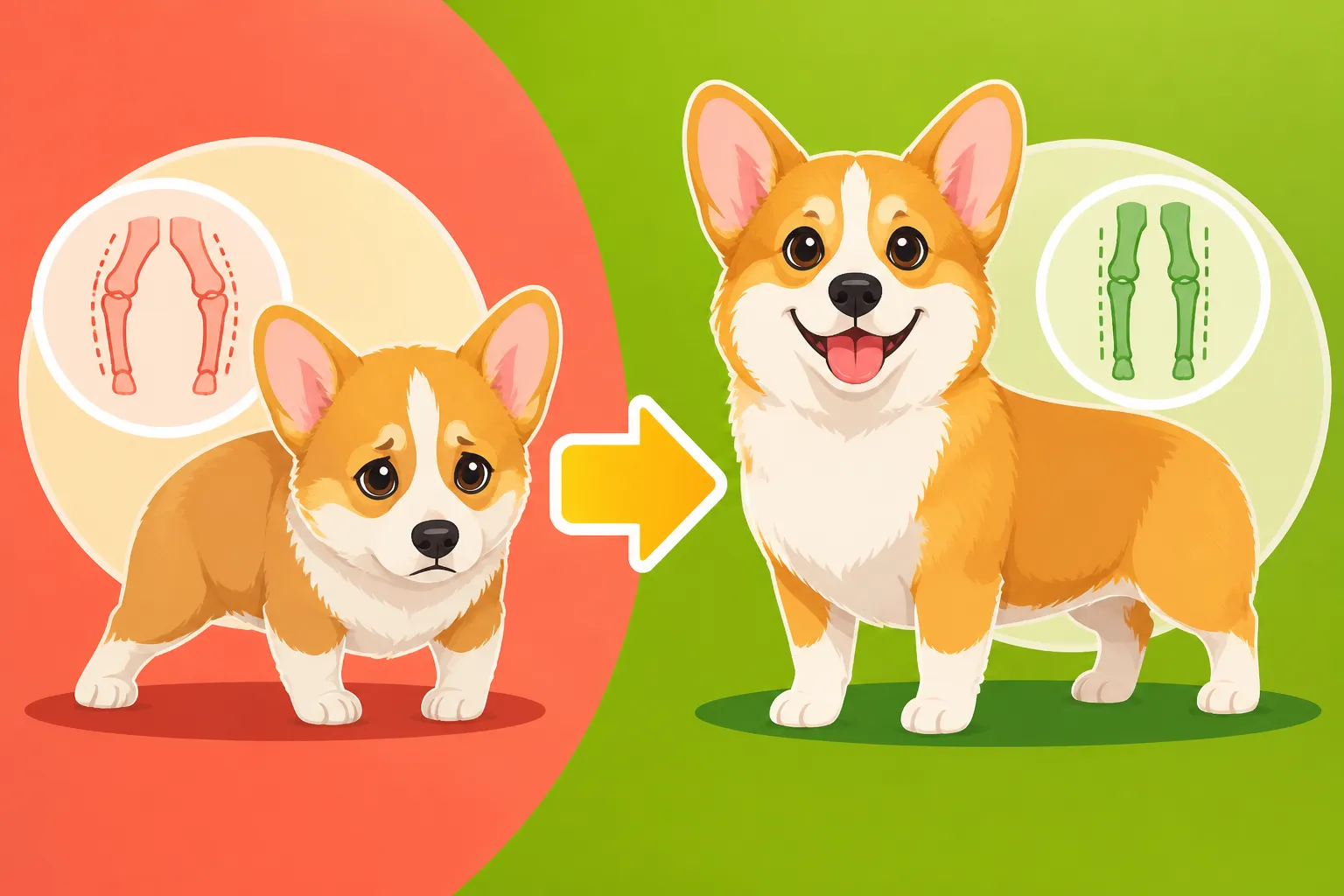
This temporary awkwardness is typically due to a few factors. First, their bones are growing quickly, and their muscles and ligaments are still developing and strengthening to support their unique frame. They’re like toddlers learning to use their bodies, still figuring out balance and coordination. Their joints might have a bit more laxity than an adult dog, contributing to that splayed appearance when they relax. As they mature and their muscles gain strength, you'll often see these initial "wonky" appearances resolve into the typical sturdy Corgi stance. It’s a normal phase, and unless you notice pain or difficulty moving, it’s usually nothing to worry about.
Spotting the Difference Between Normal Growth and Potential Problems
While a Corgi's short, often bowed legs are completely normal, there are certainly instances when a puppy's leg development indicates something more serious is going on. It’s crucial for owners to understand the subtle distinctions between typical puppy awkwardness and signs that warrant a veterinary consultation.
Key Indicators That Warrant Veterinary Attention
As a Corgi puppy grows, their movements should become more coordinated and confident. If you observe any of the following, it’s time to consult your veterinarian:
- Persistent Limping or Lameness: If your puppy consistently favors a leg, avoids putting weight on it, or limps after activity, this is a clear red flag.
- Obvious Pain or Discomfort: Whining, yelping, reluctance to play, or aggression when a leg is touched are all signs of pain. A Corgi that cries when lifted under the chest might also be experiencing discomfort in their front end.
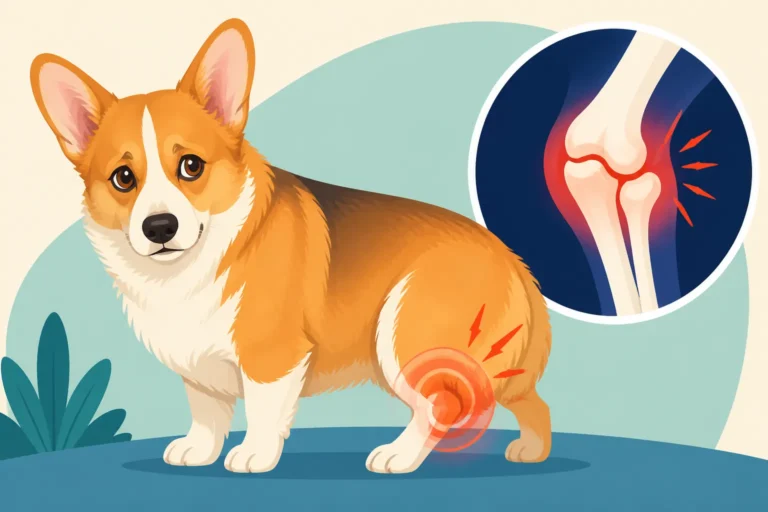
- Increasing Bowing or Deformity: While a slight bow is normal, if a leg appears to be bowing excessively or worsening over time, or if one leg looks significantly different from the others, it could indicate a developmental issue.
- Difficulty Moving: Trouble standing up, an inability to jump even small heights, or struggling with basic movements that other puppies manage easily can be concerning.
- Uneven Growth: If one leg seems shorter or longer than its counterpart, this could point to a growth plate injury or another orthopedic anomaly.
- Knuckling Over: If your puppy's paws repeatedly curl under, causing them to walk on the tops of their feet, this needs immediate veterinary attention.
Early detection of these signs is vital. Your vet can perform a thorough examination, and depending on their findings, may recommend diagnostic imaging like X-rays. Addressing issues promptly can significantly improve outcomes for your Corgi.
Common Leg and Joint Issues in Corgi Puppies
Even with their sturdy build, Corgis are not immune to certain orthopedic conditions. Some of these can manifest during puppyhood and may mimic or exacerbate their naturally bowed appearance.
- Patellar Luxation: This condition involves the kneecap slipping out of place, often creating a skip in your Corgi's gait. While it can range from mild to severe, a veterinarian can diagnose it through physical examination. Small dogs, including Corgis, are prone to this.
- Elbow Dysplasia: This is a complex condition involving abnormal development of the elbow joint, leading to pain and lameness. It's often genetic and can become noticeable as early as four to seven months of age. If you're seeing signs like a puppy who bows their front legs more dramatically than expected or seems uncomfortable, it's worth investigating. For more in-depth information, you can read about Elbow and Front Leg Problems in a Corgi.
- Hip Dysplasia: Though often associated with larger breeds, Corgis can also be affected by hip dysplasia, where the hip joint doesn't form correctly. Early signs might include a "bunny hop" gait, reluctance to run or jump, or pain in the hindquarters. Reputable breeders will screen their breeding stock for this. You can learn more about assessing a Corgi's hip health by checking out Corgi Hips and Front-End Structure.
| Observation Point | Normal Corgi Puppy Leg Appearance | Concerning Corgi Puppy Leg Appearance |
|---|---|---|
| Bowing/Turn Out | Slight, symmetrical bow of front legs; stable gait | Increasing, uneven, or severe bowing; unstable gait |
| Rear Leg Position | "Frog legs" when resting, strong when active | Persistent splaying, difficulty standing/walking |
| Movement | Playful, sometimes clumsy; improves with age | Persistent limping, stiffness, reluctance to move |
| Pain Signs | None; enjoys touch and play | Whining, yelping, avoids touch, aggression |
| Muscle Development | Proportional and firm | Atrophy (wasting), uneven muscle mass |
| Energy Level | High, active, eager to play | Lethargy, avoids activity, appears uncomfortable |
It's important to remember that diagnosing these conditions requires veterinary expertise. If you have any concerns, don't hesitate to reach out to your vet. They are your best resource for ensuring your Corgi puppy grows up healthy and strong.
Nurturing Strong and Healthy Corgi Legs
Beyond understanding what's normal and what's not, Corgi owners play a crucial role in promoting healthy leg development. A combination of thoughtful nutrition, appropriate exercise, a safe environment, and consistent veterinary care can make a significant difference in your puppy's long-term well-being.
Smart Nutrition and Mindful Exercise for Growing Bodies
Proper nutrition is the cornerstone of healthy development for any puppy, and Corgis are no exception. Feeding a high-quality puppy food specifically formulated for their age and expected adult size is essential. Avoid generic "all-life-stages" foods unless specifically recommended by your vet, as puppy-specific diets are balanced for rapid growth. The most critical aspect for Corgis is maintaining a lean body condition. Overfeeding a puppy, especially a Corgi with their unique spinal and joint structure, can lead to excessive weight gain that puts undue stress on their developing joints and growth plates. This can exacerbate any underlying orthopedic issues or even create new ones. Learn more about healthy puppy feeding in our guide on Feeding a Corgi Puppy Without Letting It Round Out and how portions change as they mature in What a Corgi Puppy Eats Adult Portions.
When it comes to exercise, the key word is "mindful." Corgi puppies have boundless energy, but their bones and joints are still soft and developing. Avoid high-impact activities like excessive jumping, long forced runs, or repetitive stair climbing. Short, frequent play sessions on soft surfaces are ideal. Think gentle games of fetch on the lawn, short walks on varied terrain (like grass and dirt, rather than concrete), and supervised playtime with other well-behaved dogs. Encourage mental stimulation with puzzle toys rather than relying solely on strenuous physical activity. This approach helps build strong muscles that support the joints without putting them at risk for injury during their critical growth period.
Crafting a Corgi-Friendly Environment
Your home environment can significantly impact your Corgi puppy's developing legs and spine. Given their low stature and predisposition to back problems later in life, prevention starts early. One of the biggest culprits for joint strain is slippery flooring. Hardwood, tile, and laminate can cause puppies to splay out, slip, and put unnatural stress on their joints. Consider runners, area rugs, or anti-slip mats in high-traffic areas where your Corgi spends time. This provides better traction and reduces the risk of falls and injuries.
Another critical consideration is jumping. Corgis, with their enthusiastic personalities, often love to jump on and off furniture. While this might seem adorable, repeatedly jumping from heights can put immense strain on their developing spine and leg joints. Invest in dog ramps or steps for access to sofas, beds, and even cars. Teaching your puppy to use these from a young age can become a lifelong habit that protects their back and joints. Our article on Ramps and Steps That Save a Corgi's Back offers excellent advice, and for general home safety, you'll find great tips in Floors and Rugs That Stop a Corgi Slipping. By making these simple adjustments, you create a safer, healthier environment that supports their unique physiology.
The Critical Role of Proactive Veterinary Care and Support
Regular veterinary check-ups are non-negotiable for a growing Corgi puppy. Your vet will monitor their growth, assess their gait, and feel their joints for any signs of abnormality. These routine visits, especially the initial puppy series outlined in The Vet Visits a Corgi Puppy Needs First, are the perfect opportunity to discuss any concerns you have about your Corgi's legs or overall development. Don't hesitate to bring up questions about their bowing, walking, or any unusual movements you've observed. Your vet can often spot subtle issues that might go unnoticed by an untrained eye.
Beyond routine care, it's also wise to consider proactive measures like genetic screening if you're not already certain of your puppy's lineage. Responsible breeders often run comprehensive tests, as detailed in The DNA Tests a Corgi Breeder Should Run, to identify predispositions to conditions like hip or elbow dysplasia. Even with the best breeding, accidents and unexpected health issues can arise, making pet insurance a crucial consideration. Companies like Healthy Paws offer comprehensive coverage that can provide significant peace of mind if your Corgi puppy develops an orthopedic issue requiring expensive diagnostics or treatment. Investing in insurance early, as suggested in Insuring a Corgi Before Its First Back Episode, ensures that any condition that develops isn't considered "pre-existing," allowing for full coverage when you need it most.
Looking Ahead: A Lifetime of Healthy Corgi Strides
As your Corgi puppy matures from a clumsy, adorable fuzzball into a confident adult, your understanding of their unique body will deepen. While their legs might not "straighten out" in the traditional sense, they will become strong and capable, provided they receive the right care throughout their life.
The Reality of Corgi Leg "Straightening"
It’s important to manage expectations about your Corgi's leg appearance. Their legs will always be short and may retain a slight bow or turn-out—this is, after all, part of their breed standard. The "straightening" you might hope for isn't about them suddenly having long, straight legs like a Golden Retriever. Instead, it refers to the resolution of the temporary puppy awkwardness, the strengthening of muscles, and the firming up of ligaments around their joints. As they gain muscle tone and their growth plates close, their gait will become more stable, confident, and less "wobbly."
A healthy adult Corgi should move with purpose and agility, capable of performing all normal dog activities without pain. The goal isn't a perfectly straight limb, but a functional, pain-free one that allows them to enjoy a full and active life. Continue to monitor their movement and consult your vet if you notice any changes in their gait or an increase in stiffness or limping as they age.
Ongoing Care and Senior Corgi Leg Health
Even after your Corgi puppy outgrows their initial awkward phase, ongoing proactive care remains paramount. Maintaining an ideal body weight is perhaps the single most critical factor in protecting your Corgi's joints and spine throughout their life. Even a few extra pounds can place significant strain on their short legs and long back, increasing the risk of conditions like intervertebral disc disease (IVDD) and early onset arthritis. Regular body condition scoring and controlled portions are essential.
As Corgis enter their senior years, around 8-10 years old, they become more susceptible to age-related orthopedic issues like arthritis. Early detection and management are key to maintaining their quality of life. Be vigilant for signs of stiffness, difficulty getting up, reluctance to climb stairs (even with ramps), or changes in their activity levels. Regular veterinary check-ups for senior Corgis should include a thorough orthopedic examination, and your vet might recommend supplements or pain management strategies. You can find more information on spotting these signs in our article about Early Arthritis in a Corgi and proactive measures in Screening an Older Corgi's Spine. Having pet insurance, like a policy from Healthy Paws, in place throughout your Corgi's life can be incredibly valuable, especially as vet bills for managing chronic conditions or unexpected injuries can add up quickly in their golden years. A good policy ensures you can always make decisions based on your Corgi's health needs, not just your budget.
By understanding your Corgi's unique build, providing appropriate care from puppyhood, and staying vigilant for any concerning signs, you can help ensure their short, powerful legs carry them through a happy, active, and long life.
Disclaimer
This article is intended for informational purposes only and does not constitute professional veterinary advice. Always consult with a qualified veterinarian regarding your Corgi's health and any specific concerns you may have about their leg development or other medical conditions.