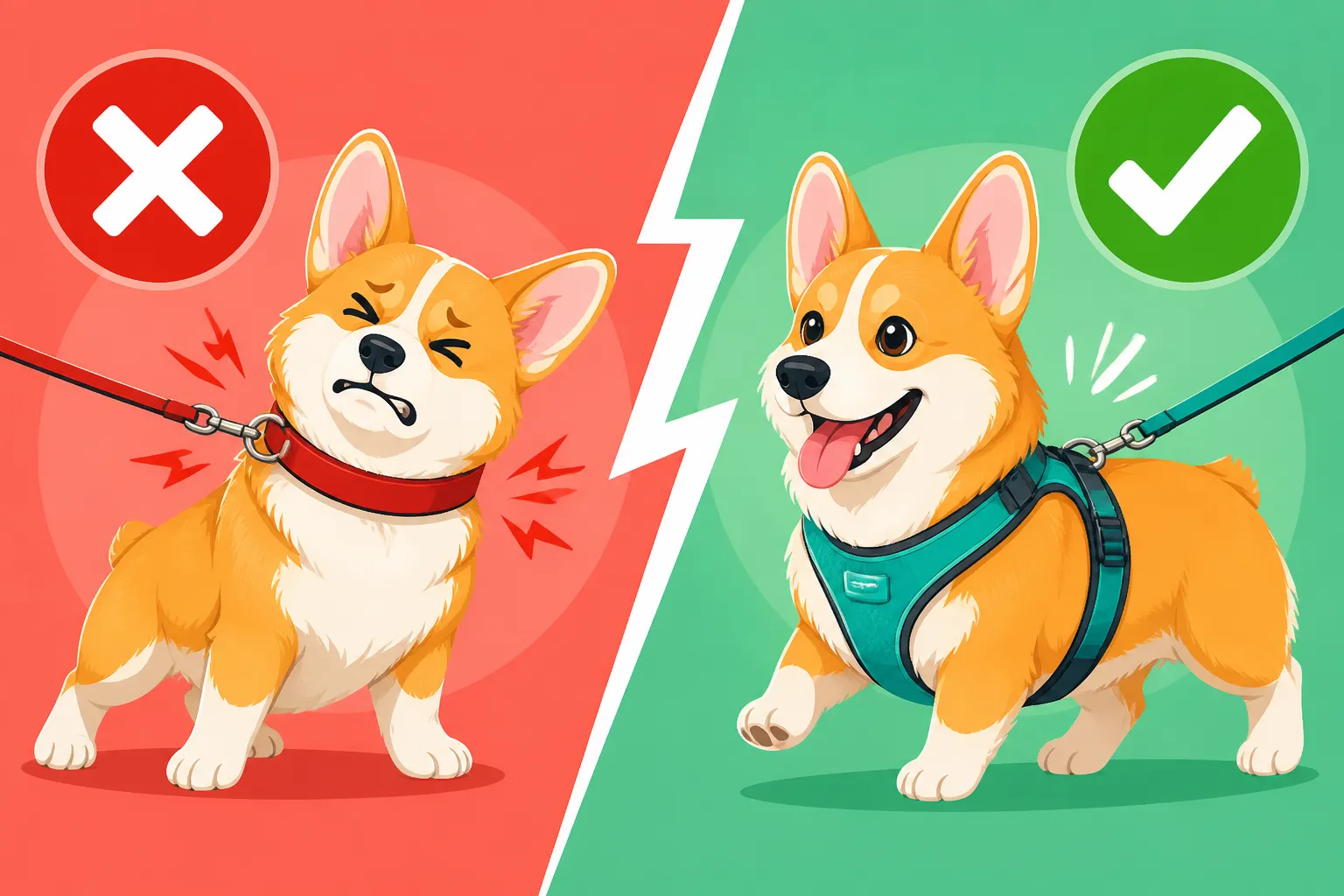
Whether a Corgi Should Wear a Harness Not a Collar
It’s a common scenario: you’re out on a walk with your adorable Corgi, and suddenly they lunge after a squirrel or pull hard towards another dog. That jolt you feel at the end of the leash can send a shiver down your own spine, let alone worry you about your beloved companion’s long back. Deciding between a collar and a harness for your Corgi isn’t just a matter of preference; it’s a critical health decision that directly impacts their delicate spinal well-being, and this guide will unpack why.
The Unique Vulnerabilities of a Corgi's Spine
Corgis are undeniably charming, with their stout bodies and short legs, but these very characteristics, which make them so distinctive, also come with specific anatomical predispositions that owners need to be acutely aware of. Their long backs and compact build aren't just for show; they're a result of their chondrodystrophic genetics, the same genetic trait responsible for their short legs.
Understanding Their Chondrodystrophic Build
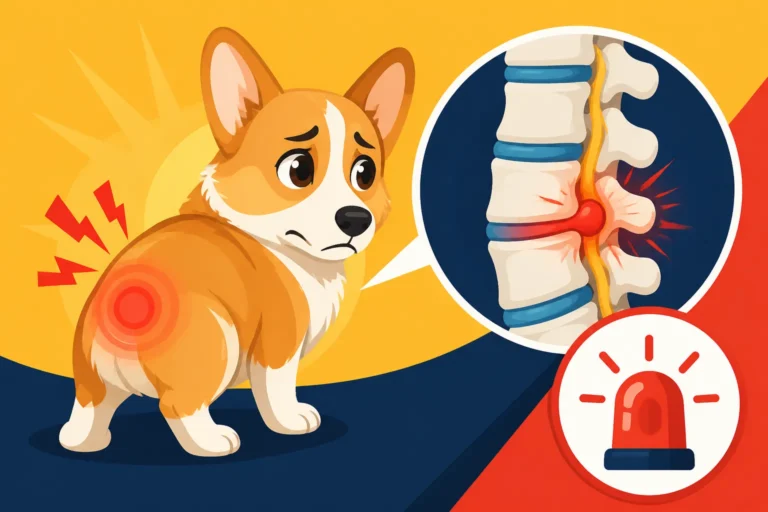
The term "chondrodystrophic" simply means abnormal cartilage development. In Corgis, this genetic trait results in shortened limbs and a longer, more horizontally positioned spine compared to many other breeds. While adorable, this specific body structure makes them inherently more susceptible to certain spinal issues, most notably Intervertebral Disc Disease, or IVDD. This isn't just a minor risk; it's a significant concern for all Corgi owners, as approximately 1 in 4 Corgis will experience some form of disc disease in their lifetime. Their discs, which act as cushions between the vertebrae, are more prone to degeneration and herniation. You can learn more about how their unique structure impacts their health by reading about Why a Corgi's Back Is Built the Way It Is.
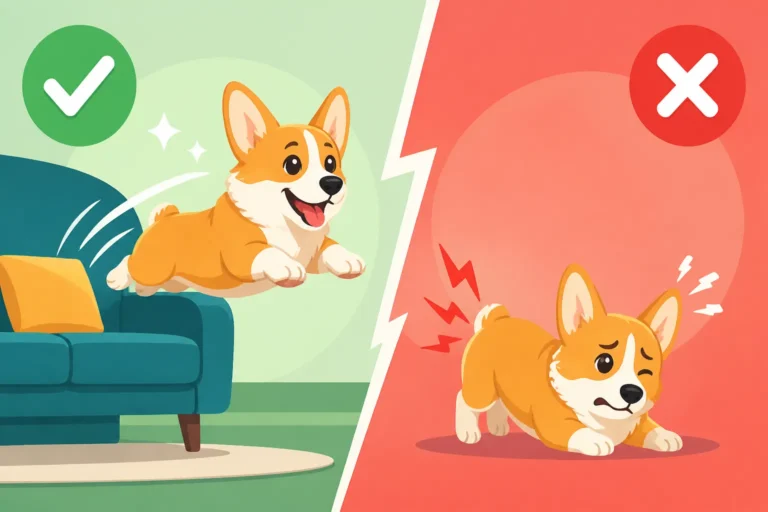
Any sudden pressure or jolt to the neck and spine can exacerbate these predispositions. Imagine the strain on a bridge if force is applied unevenly or abruptly; that's somewhat analogous to what happens to a Corgi's spine. Their short legs mean they're closer to the ground, but their spine is still quite long and less flexible than some other breeds, making it vital to protect this central support system from undue stress.
The Connection Between Neck Strain and Spinal Health
When a Corgi wears a traditional neck collar, any pulling, lunging, or sudden stops apply direct and concentrated pressure to their neck. This isn't just superficial pressure on the skin and muscles; it impacts deeper structures. The cervical spine, or the neck portion of the spine, is a direct extension of the rest of the spinal column. It's a critical pathway for nerves and blood vessels that serve the entire body.
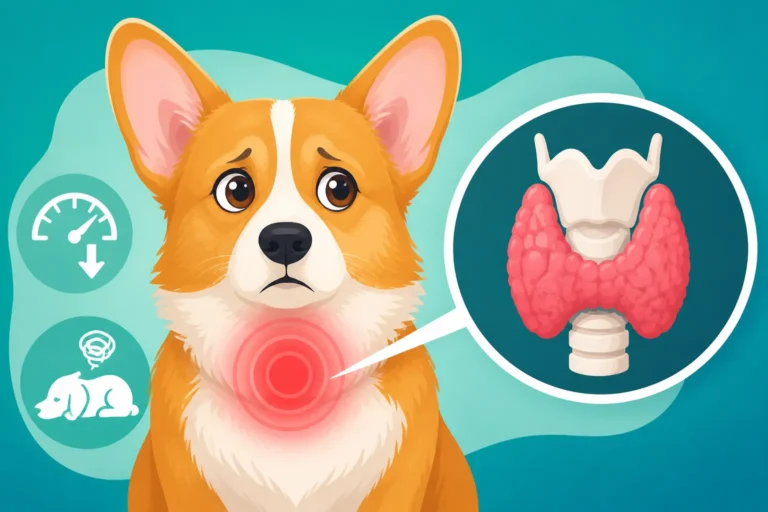
A sudden pull on a collar can lead to immediate issues like tracheal collapse (windpipe damage), laryngeal paralysis, or even damage to the delicate thyroid glands located in the neck. More insidiously, over time, repeated jolting from a collar can contribute to chronic neck pain, muscle strain, and even accelerate disc degeneration in the cervical area. This kind of strain can have a domino effect, potentially leading to issues further down the spine. It’s a frustrating reality for Corgi parents, especially when their otherwise healthy, energetic dog might suffer simply from the wrong choice of walking gear.
The Hidden Dangers of Collars for Corgis
For most Corgis, a traditional neck collar, especially one used for leash attachment during walks, presents more risks than benefits. While they are indispensable for holding identification tags, their function as a primary walking tool is deeply problematic for a breed with such specific anatomical vulnerabilities.
Direct Pressure on the Trachea and Thyroid
When a Corgi pulls on a collar, the force is directly concentrated on the front of their neck. This area houses the trachea (windpipe), which is a relatively fragile tube made of cartilage rings. Imagine putting pressure on a garden hose – it will collapse. The same can happen to a Corgi's trachea, leading to coughing, gagging, and a distinctive "goose honk" sound. This isn't just uncomfortable; repeated or severe tracheal compression can lead to inflammation, chronic cough, and even permanent tracheal damage. It's a heartbreaking sight to see your Corgi struggling to breathe just because they got excited on a walk.
Beyond the trachea, the thyroid glands are also located in the neck, just below the larynx. While less commonly discussed, persistent pressure from a collar could potentially impact these glands over time, though definitive studies linking collar use directly to thyroid dysfunction in Corgis are sparse. However, the immediate and visible distress of tracheal compression is enough reason for many Corgi owners to reconsider collars for walking.
Increased Risk of Spinal Injury from Pulling
This is perhaps the most significant concern for Corgis. Their long backs are prone to conditions like IVDD, where the spinal discs can rupture or bulge. A sudden, strong pull on a collar can act like a whiplash effect on their cervical spine, transmitting that force directly down their vertebral column. Even if it doesn't cause an immediate, catastrophic disc rupture, chronic minor trauma from daily pulling can contribute to the gradual degeneration of discs. This could be particularly risky if your Corgi is already showing signs of a stiff gait or scuffing their back nails, which can be early indicators of spinal issues. In such cases, distinguishing between a slipped disc and myelopathy becomes crucial, a topic thoroughly explored in Telling a Corgi's Slipped Disc From Myelopathy.
Think about an excited Corgi lunging at a squirrel; the sudden stop at the end of the leash sends all that forward momentum directly to a small area of their neck and, consequently, their spine. This concentrated force can be far more damaging than the diffuse pressure distributed by a harness. Over time, these small traumas can add up, increasing the likelihood of a disc event, which can be incredibly painful and costly to treat, even with the best pet insurance plans from providers like Healthy Paws.
Escape Artists and Other Collar Concerns
Corgis are surprisingly agile and can be quite determined when they want to get somewhere. A poorly fitted collar, or even a correctly fitted one, can be slipped surprisingly easily by a Corgi determined to chase something. If the collar is too loose, they can simply back out of it. If it's too tight, it's uncomfortable and still poses the health risks discussed above. This escape artistry can lead to dangerous situations, from running into traffic to getting lost.
Furthermore, some Corgis develop a persistent scratch or rub spot behind their ears or under their jaw from constant collar wear, particularly if the material isn't smooth or breathable. While these might seem like minor irritations, they speak to the general discomfort a collar can impose on a breed already facing unique physical challenges. For daily walks and anything beyond quick trips to the yard, the risks of a collar often far outweigh the convenience.
Why a Harness is a Corgi's Best Friend
Given the distinct anatomical considerations of a Corgi, a well-fitting harness emerges as the overwhelmingly superior choice for leash walks and activities. It offers a protective embrace rather than a restrictive choke, ensuring both safety and comfort for your low-riding companion.
Distributing Pressure Evenly Across the Body
The fundamental advantage of a harness is its ability to distribute pressure across a larger, more robust area of your Corgi's body. Instead of concentrating all the force on the delicate neck and trachea, a harness, particularly one designed with a Y-front or H-back style, spreads the pressure across the chest, shoulders, and sometimes the back. These areas are much stronger and better equipped to absorb the impact of pulling or sudden movements without putting undue strain on the spine.
This pressure distribution is crucial for preventing the neck and tracheal damage associated with collars. When your Corgi gets excited and pulls, the pressure is redirected away from their windpipe, allowing them to breathe freely and comfortably. This is especially vital for preventing long-term issues that could compromise their quality of life. Even if your Corgi tends to be a strong puller, a properly designed harness ensures that their enthusiasm doesn't come at the cost of their spinal health. This proactive approach to their care can help avoid unforeseen vet visits and expensive treatments later on, something that comprehensive pet insurance like that offered by Healthy Paws can significantly assist with.
Better Control and Training Opportunities
Beyond just protecting their physical health, harnesses can be invaluable tools for training, especially for Corgis who tend to pull on the leash. A front-clip harness, where the leash attaches to a ring on the chest, is particularly effective for this. When your Corgi pulls forward, the leash connection redirects their body to the side, gently turning them away from their intended direction. This subtle redirection discourages pulling without causing any pain or discomfort, making walks more pleasant for both of you.
This type of control allows for more effective positive reinforcement training. Instead of constantly correcting with a jolt to the neck, you can use the harness to guide them gently and reward them for walking nicely by your side. It fosters a more positive association with walks and leash training, making the experience less stressful for your Corgi and more enjoyable for you. It empowers you to maintain control without resorting to methods that could compromise their health.
Enhancing Safety and Comfort
A well-fitted harness is inherently more secure than a collar, significantly reducing the risk of your Corgi slipping out and darting away. The multiple straps and secure buckles ensure that once the harness is on, it stays on, providing peace of mind during walks in busy areas or when unexpected distractions arise. This enhanced security is vital for a breed that can be surprisingly quick and determined.
Moreover, harnesses are generally much more comfortable for Corgis to wear for extended periods. There's no constant pressure on their neck, allowing for natural movement and breathing. This comfort means they are more likely to enjoy their walks and outdoor adventures. For active Corgis, or those participating in activities like therapy work or even just enjoying a good run in the park, a harness provides the necessary support and safety. Making sure your Corgi is comfortable and safe on their walks is a fundamental part of responsible ownership, and choosing the right gear is a big step in that direction.
Choosing the Right Harness for Your Corgi
Navigating the world of harnesses can feel a bit overwhelming with so many options available. However, understanding the different types and what to look for in terms of fit and material can make all the difference in safeguarding your Corgi's unique physique.
Types of Harnesses and Their Pros and Cons
Not all harnesses are created equal, and some styles are better suited for Corgis than others. Here’s a quick breakdown:
- Back-Clip Harnesses: These have a leash attachment point on the Corgi's back, usually between the shoulder blades.
- Pros: Generally comfortable, easy to put on, and good for Corgis who don't pull excessively. They avoid any pressure on the throat.
- Cons: Can still allow strong pullers to lean into the harness and pull with their full body weight. Some designs can put pressure on the shoulder joints if the chest strap isn't well-designed.
- Front-Clip Harnesses: The leash attachment is on the chest, often near the sternum.
- Pros: Excellent for training Corgis who pull, as the leash attachment redirects them to the side when they try to pull forward, effectively turning them. No pressure on the throat or back. They offer great control.
- Cons: Some dogs may find the front clip a bit awkward initially. The leash can get tangled under their legs if not managed.
- Dual-Clip Harnesses: These offer both front and back attachment points, providing versatility for different situations or training needs.
- Pros: The best of both worlds, allowing you to switch between front and back clips as needed.
- Cons: Can be more complex to put on due to more straps.
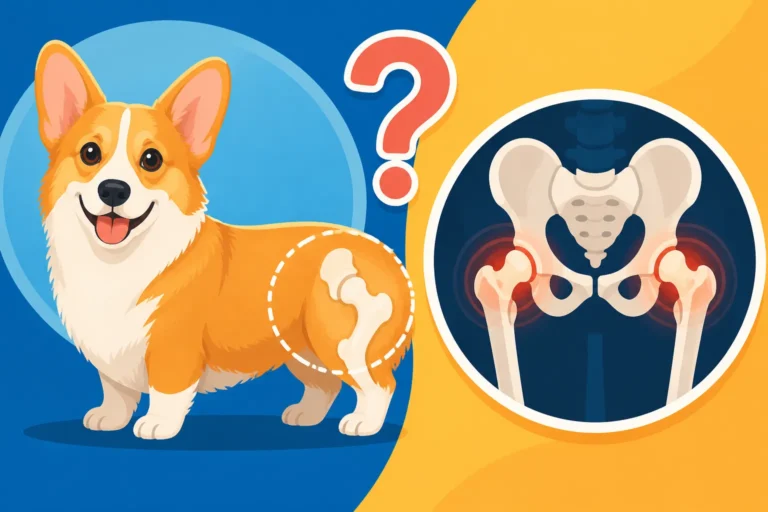
When considering a harness, always prioritize a "Y-front" or "H-style" design. These designs ensure that the straps go around the chest and behind the front legs, rather than straight across the chest. A strap that goes horizontally across the chest can restrict natural shoulder movement and put pressure on the delicate structures of the shoulder joint, which is particularly important for Corgis, who already have a somewhat unique front-end structure. For more on their structure, consider reading about Corgi Hips and Front-End Structure.
Here’s a comparative table to help visualize the differences:
| Feature / Type | Traditional Collar | Back-Clip Harness | Front-Clip Harness | Dual-Clip Harness |
|---|---|---|---|---|
| Spinal Pressure | High (especially pulling) | Low | Very Low | Very Low |
| Tracheal Pressure | High | None | None | None |
| Control for Pulling | Poor (encourages pulling) | Moderate (can still pull) | Excellent (redirects) | Excellent (front clip) |
| Escape Risk | Moderate (can slip out) | Low | Low | Low |
| Comfort for Corgi | Low (constant neck pressure) | High | High | High |
| Ideal Use for Corgi | ID tags only (supervised) | Casual walks (non-pullers) | Training, daily walks (pullers) | Versatile training & walks |
Importance of Proper Fit and Material
Once you've decided on a harness style, proper fit is paramount. A poorly fitting harness can be just as problematic as a collar, leading to chafing, restricted movement, or even escape. Always measure your Corgi' carefully according to the manufacturer's guidelines, typically around the chest circumference behind the front legs and sometimes the neck. When fitted, you should be able to comfortably slide two fingers underneath all straps.
The harness should sit snugly but not tightly, allowing full range of motion for their shoulders and legs. Watch for any rubbing, especially in the armpit area, which can cause skin irritation or sores. The material should be soft, durable, and breathable. Nylon webbing is common and robust, but padded neoprene or air mesh can offer extra comfort, especially for Corgis with sensitive skin. Regularly check the harness for wear and tear, and keep it clean. Brands like Ruffwear, Blue-9 Balance, and Freedom No-Pull Harness are popular choices that offer good designs and adjustability for various dog shapes, including Corgis. Remember, even with the best gear, unexpected incidents can occur. Being prepared with pet insurance from a reputable provider like Healthy Paws can truly make a difference in managing potential vet costs if an accident or illness arises.
When a Collar Might Still Be Useful
While a harness is strongly recommended for walks and any leash-attached activities, collars still have their place in a Corgi's life. A lightweight, flat collar is perfect for holding your Corgi's identification tags, rabies tag, and microchip information. This is crucial for their safety in case they ever get lost, even if they are microchipped.
However, even for ID purposes, consider a breakaway collar, especially if your Corgi spends time playing with other dogs. Breakaway collars are designed to snap open under pressure, preventing accidental strangulation if the collar gets snagged on something or another dog's jaw. These are strictly for ID and home use, not for leash attachment. For walks, always transition to a harness to protect that precious Corgi spine and ensure their comfort and safety. Proactive care, from choosing the right gear to installing Ramps and Steps That Save a Corgi's Back, helps ensure your Corgi lives a long, happy, and healthy life.
Disclaimer
This article provides general information and recommendations based on common veterinary understanding and Corgi-specific health considerations. It is not a substitute for professional veterinary advice. Always consult with your veterinarian for specific concerns regarding your Corgi's health, training, and equipment choices.