Whether Supplements Protect a Corgi’s Discs
It’s a natural instinct to want to do everything in our power to protect our beloved Corgis, especially when we know about their unique susceptibility to back problems. The worry about disc issues, particularly Intervertebral Disc Disease (IVDD), can keep us up at night, leading many Corgi parents to wonder if there’s a magic pill, or at least a helpful supplement, that can safeguard their furry friend's spine. This comprehensive guide will delve into the reality of supplements and their actual role in Corgi disc health.
Understanding Corgi Disc Health and IVDD
Corgis, with their signature long backs and short legs, are adorable, but this very body structure also makes them highly predisposed to spinal issues. This isn't just a quirky breed trait; it's a serious genetic predisposition that owners need to understand.
The Anatomy of a Corgi's Spine and IVDD Risk
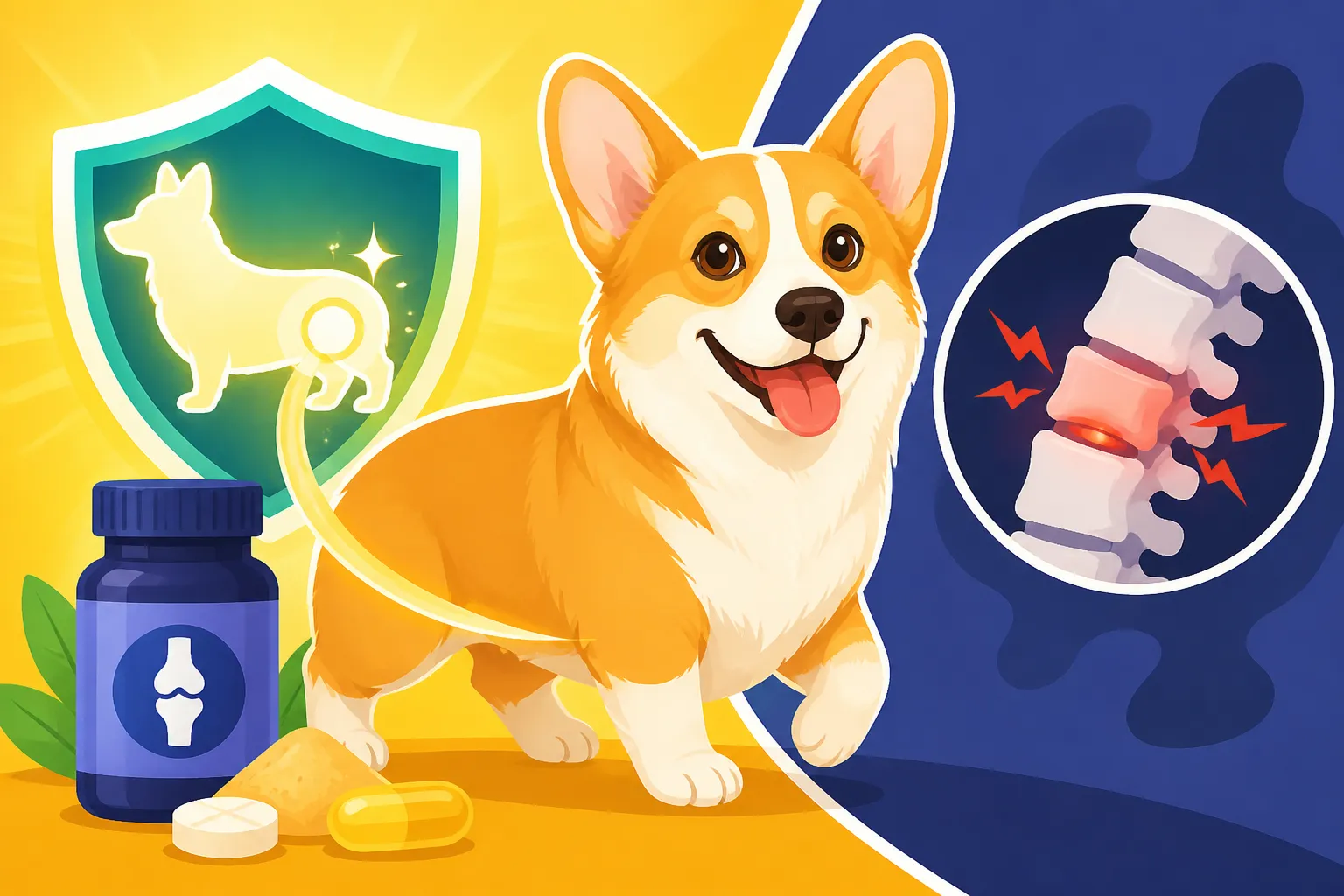
The Corgi's unique build is a result of a genetic condition called chondrodystrophy, which essentially means abnormal cartilage development. While it gives them their distinctive appearance, it also means the discs in their spine are prone to premature degeneration. Unlike other breeds where discs might slowly degenerate over many years, in chondrodystrophic breeds like Corgis, these discs can harden and calcify much earlier, sometimes even in young adulthood. This hardened material can then rupture or bulge out, pressing on the spinal cord. This condition is known as Intervertebral Disc Disease, or IVDD, and it’s a significant concern for all Corgi owners. If you want to learn more about What Chondrodystrophy Means for a Corgi, understanding this genetic background is key to managing their health.
This disc degeneration can occur anywhere along the spine, but it most commonly affects the mid-back (thoracolumbar spine) and neck (cervical spine). The hardened discs lose their ability to cushion the vertebrae, making them vulnerable to sudden impacts or even everyday movements. The age Corgi disc problems usually appear can vary, but many owners start seeing signs between three and seven years old, though it can strike younger or older.
The Causes of Disc Degeneration Beyond Supplementation
While genetics lay the groundwork for IVDD in Corgis, other factors heavily influence when and if a disc episode occurs. It's not simply a matter of bad luck; daily life choices play a huge role. For instance, high-impact activities like jumping off furniture or vigorously playing fetch with sudden stops and starts put immense stress on an already compromised spine. Imagine the force on those delicate discs when a Corgi launches itself off a sofa to greet you – it's like a tiny, low-rider cannonball impact.
Beyond acute trauma, chronic stress from excess weight is a major culprit. When a Corgi carries even a few extra pounds, it significantly increases the load on their spine. This constant, added pressure accelerates disc degeneration and makes a rupture more likely. It’s a bit like driving a car that's perpetually overloaded; the suspension will wear out much faster. We'll dive deeper into this later, but for now, understand that while supplements might seem like a quick fix, they don't address these fundamental biomechanical stressors. Environmental factors, combined with their inherent genetic predisposition discussed in Disc Disease in a Long-Backed Corgi, contribute far more to disc health than anything a supplement can offer.
What Supplements Claim to Do for Discs
When you walk into any pet store or browse online, the shelves are brimming with supplements touting benefits for joint health, mobility, and even spinal support. It’s easy to get swept up in the hope these products offer, especially when your Corgi's health is at stake.
Common Ingredients and Their Purported Benefits
Many of these supplements contain ingredients you might recognize from human joint health products. The most common include:
- Glucosamine and Chondroitin: These are often found together. Glucosamine is a natural compound found in cartilage, while chondroitin is a major component of cartilage. The theory is that supplementing with these can help replenish cartilage, improve its elasticity, and reduce wear and tear.
- MSM (Methylsulfonylmethane): This sulfur-containing compound is believed to have anti-inflammatory and pain-relieving properties, which could theoretically help reduce discomfort associated with disc issues or arthritis.
- Omega-3 Fatty Acids: Often sourced from fish oil, these are renowned for their powerful anti-inflammatory effects. They are generally considered beneficial for overall health, including skin, coat, and general joint inflammation. Brands like Healthy Paws often highlight the importance of preventative care, and sometimes Omega-3s are included in that discussion for general well-being.
- Turmeric/Curcumin: This spice contains curcumin, a compound with strong anti-inflammatory and antioxidant properties, similar to NSAIDs but without some of the side effects. It's often included in supplements aimed at reducing pain and inflammation.
- Hyaluronic Acid: A natural lubricant found in joints, sometimes added to improve joint fluid viscosity.
The idea behind these ingredients is often to support the integrity of cartilage, reduce inflammation, and alleviate pain. On paper, it sounds like a perfect solution for a Corgi prone to disc issues.
The Science Behind Disc Supplementation in Corgis
Here's where we need to be realistic and a little critical. While many of the ingredients listed above do have some scientific backing for supporting joint health and reducing inflammation in conditions like osteoarthritis, the evidence for their ability to protect against IVDD or prevent disc ruptures in chondrodystrophic breeds like Corgis is, unfortunately, very limited and largely anecdotal.
Think about it this way: IVDD is fundamentally a structural problem where the discs prematurely harden and calcify. Supplements, while they might offer some general cartilage support or anti-inflammatory effects, cannot reverse this genetic predisposition or physically strengthen a degenerating disc to prevent it from rupturing. It’s like trying to fix a crumbling foundation with a fresh coat of paint – it might look better, but the underlying structural issue remains.
Many studies on glucosamine and chondroitin, for example, focus on their efficacy in managing symptoms of degenerative joint disease (arthritis) rather than their ability to stop the process of disc herniation. While a Corgi with IVDD might also develop secondary arthritis in their spine, treating the arthritis isn't the same as preventing the primary disc event. Your veterinarian, when discussing treatment options for conditions like a Corgi That Cries When Lifted Under the Chest due to disc pain, might recommend supplements for symptomatic relief, but they would likely emphasize that these are not a substitute for more direct interventions or preventative measures.
In summary, while these supplements are generally safe and might offer some overall joint support or reduce mild inflammation, there's no robust scientific consensus, particularly in breed-specific studies for Corgis, that they can reliably protect discs from rupture.
Realistic Expectations for Supplement Use
Given the nuances of Corgi spinal health, it’s crucial to approach supplements with a clear understanding of their potential benefits and, more importantly, their limitations. They are not a magic bullet, and relying solely on them can give a false sense of security.
Supplements as Part of a Holistic Approach, Not a Standalone Solution
If you’re considering supplements for your Corgi, view them as a small piece of a much larger, holistic puzzle – not the entire picture. They might offer some adjunctive support, but they absolutely do not replace fundamental preventative care. The real heavy lifting in protecting your Corgi's discs comes from lifestyle management. This includes strict weight control, creating a safe home environment, and consistent, appropriate exercise.
For example, ensuring your Corgi maintains The Body Condition Score a Corgi Should Hold is far more impactful than any supplement. If your Corgi is carrying extra weight, supplements won't counteract the added stress on their spine. Similarly, allowing your Corgi to repeatedly jump off high furniture undermines any potential benefit from a joint supplement. This is where you, as an owner, have the most power to make a difference. Many pet insurance plans, like Healthy Paws, emphasize comprehensive care, and while supplements might be covered under some wellness plans, they always recommend a full preventative strategy.
Regular veterinary check-ups are also paramount. Your vet can help you assess your Corgi's gait, range of motion, and overall health. They might recommend Screening an Older Corgi's Spine if they suspect underlying issues, a measure far more effective than generic supplements in identifying and managing potential problems.
When Supplements Might Be Considered (and When They Won't Help)
So, when might supplements be a reasonable addition to your Corgi’s regimen?
- For General Joint Health in Older Corgis: As Corgis age, they are more prone to general arthritis, not just IVDD. In these cases, supplements like glucosamine and chondroitin might help reduce inflammation and discomfort associated with wear-and-tear arthritis, improving their overall quality of life. This is often an attempt to ease existing pain rather than prevent future disc issues.
- As Supportive Care for Mild, Non-Surgical Disc Issues: If your Corgi has experienced a mild disc bulge that’s being managed conservatively with crate rest and anti-inflammatory medications, your vet might suggest a joint supplement as an additional measure to support overall spinal health during recovery. However, this is always alongside strict rest and medication, not instead of it.
- Post-Surgery Support: After spinal surgery, some vets may recommend joint supplements to aid in the healing process and support the remaining healthy discs, alongside a comprehensive physiotherapy plan.
What supplements won't do is prevent a sudden disc rupture or reverse advanced disc degeneration. If your Corgi is already showing signs like A Corgi That Scuffs Its Back Nails or A Corgi Whose Back Legs Cross Over, these are serious neurological signs that warrant immediate veterinary attention, not just a supplement. At this point, the disc damage has likely already occurred, and while supplements might offer some comfort, they won't fix the underlying problem. It's crucial to consult your veterinarian before starting any supplement, as they can guide you on appropriate choices, dosages, and interactions with other medications.
Proactive Measures That Truly Protect Corgi Discs
While the allure of a simple supplement is strong, the most effective strategies for protecting your Corgi's delicate discs involve consistent, mindful care in their daily lives. These are the preventative actions that truly make a difference.
Weight Management and Its Critical Role
This cannot be stressed enough: maintaining an ideal weight is perhaps the single most impactful thing you can do for your Corgi's spine. Every extra pound on a Corgi is magnified due to their short stature and long back, placing immense, undue pressure on their intervertebral discs. Imagine carrying a backpack filled with bricks all day, every day – that's what being overweight feels like to a Corgi's spine.
Your Corgi isn't meant to look round and barrel-chested. An ideal Corgi weighs typically between 25-30 pounds for Pembrokes, though this can vary by individual. Instead of guessing, learn The Body Condition Score a Corgi Should Hold by feeling their ribs – you should be able to feel them easily under a thin layer of fat, but not see them. They should also have a noticeable "tuck" in their waist. Regularly weighing your Corgi at home or at vet visits helps keep track.
Diet plays a huge role here. Feeding a high-quality, measured diet and limiting treats is essential. If your Corgi needs to lose weight, your vet can recommend a specific weight management plan, perhaps including a prescription diet. The long-term health benefits, especially for their spine, far outweigh the short-term difficulty of dietary changes. When discussing Why Corgi Weight Is a Spinal Problem, many vets agree that it is a leading preventable cause of exacerbated IVDD issues.
Environmental Modifications and Safe Handling
Creating a Corgi-safe home environment is crucial for preventing the sudden impacts that can trigger a disc rupture.
- Ramps and Steps: Invest in ramps or pet steps for all furniture your Corgi might want to access, like sofas and beds. Even a small jump can cause significant trauma. Teach them to use these aids consistently. Our article on Ramps and Steps That Save a Corgi's Back offers great tips on how to introduce these.
- No Jumping: Actively discourage jumping off or onto furniture, and avoid encouraging them to jump up for toys or treats. It's hard to resist their enthusiasm, but it's vital for their long-term health.
- Safe Car Travel: Use a car ramp or lift your Corgi in and out of the car. Many disc ruptures occur from Corgis launching themselves out of vehicles.
- Flooring: While not a direct cause of IVDD, slippery floors (hardwood, tile) can lead to slips and falls that exacerbate underlying disc issues. Consider runners or rugs in high-traffic areas to provide better traction.
- Proper Lifting: When you do need to lift your Corgi, always support both their chest and their hindquarters, keeping their spine straight and level. Never pick them up by only their front legs or under their armpits, as this can strain their back. Our guide on Picking a Corgi Up Without Hurting It details the correct technique.
- Harness vs. Collar: For walks, a well-fitting harness that distributes pressure across their chest, rather than pulling on their neck, is generally recommended. This avoids unnecessary strain on the cervical spine. You can explore Whether a Corgi Should Wear a Harness Not a Collar for more information.
Appropriate Exercise and Regular Veterinary Care
Consistent, controlled exercise is vital for maintaining muscle tone, which supports the spine. However, the type of exercise matters immensely.
- Controlled Exercise: Daily walks on a leash are excellent. These help maintain a healthy weight, build core strength, and keep joints limber without excessive impact.
- Avoid High-Impact Activities: Steer clear of activities that involve sudden twists, turns, high jumps, or extended periods of running and stopping, such as intense fetch sessions or agility training that isn't specifically modified for Corgis. While it's tempting to let them zoom around, these movements put their fragile discs at risk.
- Water-Based Exercise: Swimming or hydrotherapy can be fantastic for Corgis, as it allows them to exercise muscles without weight-bearing impact on their joints and spine. If your Corgi ever needs Physiotherapy for a Corgi Losing Its Legs, hydrotherapy is often a key component.
Regular veterinary check-ups are also indispensable. Your vet can monitor your Corgi's weight, assess their gait, and discuss any changes in mobility or behavior. Early detection of any subtle signs of discomfort can lead to earlier intervention, potentially preventing a more severe disc episode. It's often during these routine visits that issues like The Corgi Years When the Back End Gives Out can first be identified, prompting a proactive management plan. Your vet can also advise you on whether your Corgi needs Whether a Corgi Needs Surgery or Rest if a disc issue arises, and a good pet insurance like Healthy Paws can be a financial lifesaver if costly interventions are required.
Remember, truly protecting your Corgi's discs is about making informed choices every day, not just adding a supplement to their bowl.
Common Corgi Joint Supplements: Claims vs. Reality for Disc Protection
Below is a table outlining some common supplements you might encounter, their general claims, and a more realistic perspective on their ability to protect a Corgi's discs from IVDD.
| Supplement Ingredient | Common Claims for Joint Health | Realistic Impact on Corgi Disc Protection (IVDD) |
|---|---|---|
| Glucosamine & Chondroitin | Supports cartilage health, reduces wear and tear. | Limited/No direct evidence for preventing disc herniation. May support general joint health and reduce arthritis symptoms, which can be secondary to IVDD. |
| MSM (Methylsulfonylmethane) | Reduces inflammation, alleviates pain. | No direct evidence for preventing disc herniation. Primarily an anti-inflammatory that might help manage pain from secondary arthritis or muscle soreness. |
| Omega-3 Fatty Acids | Reduces inflammation, supports overall joint health. | No direct evidence for preventing disc herniation. Excellent for overall health and general anti-inflammatory benefits, which can indirectly aid comfort. |
| Turmeric/Curcumin | Natural anti-inflammatory, antioxidant properties. | No direct evidence for preventing disc herniation. Similar to MSM, can help manage pain and inflammation from secondary joint issues. |
| Hyaluronic Acid | Improves joint lubrication, enhances cartilage elasticity. | No direct evidence for preventing disc herniation. Primarily benefits synovial joints (like hips and knees), less directly relevant to spinal discs. |
| Collagen | Supports connective tissue, improves joint flexibility. | Limited/No direct evidence for preventing disc herniation. May contribute to overall tissue health, but not a direct IVDD preventative. |
This table highlights the crucial distinction between general joint support and specific disc protection against IVDD. While these supplements may offer some benefits for overall musculoskeletal well-being or managing symptomatic arthritis, they do not have the power to stop the inherent disc degeneration that Corgis are genetically predisposed to.
Disclaimer
The information provided in this guide is for general educational purposes only and should not be considered a substitute for professional veterinary advice. Always consult with a qualified veterinarian regarding your Corgi's health, diagnosis, and treatment plan, especially concerning spinal issues and before starting any new supplements.