Cruciate Injury in a Heavy Corgi
It’s a heart-stopping moment for any Corgi owner: one minute your furry loaf is zipping around, doing their signature zoomies, and the next, they let out a yelp or suddenly refuse to put weight on a back leg. While Corgis are known for their sturdy build, their low-slung bodies and active nature, especially when coupled with extra weight, make them surprisingly vulnerable to a particular orthopedic nightmare: a cranial cruciate ligament (CCL) injury. This comprehensive guide will walk you through understanding why this happens to our beloved Corgis, how to spot the signs, and what steps you can take for diagnosis, treatment, and crucial prevention.
Understanding the Canine Cruciate Ligament and Why Corgis Are Susceptible
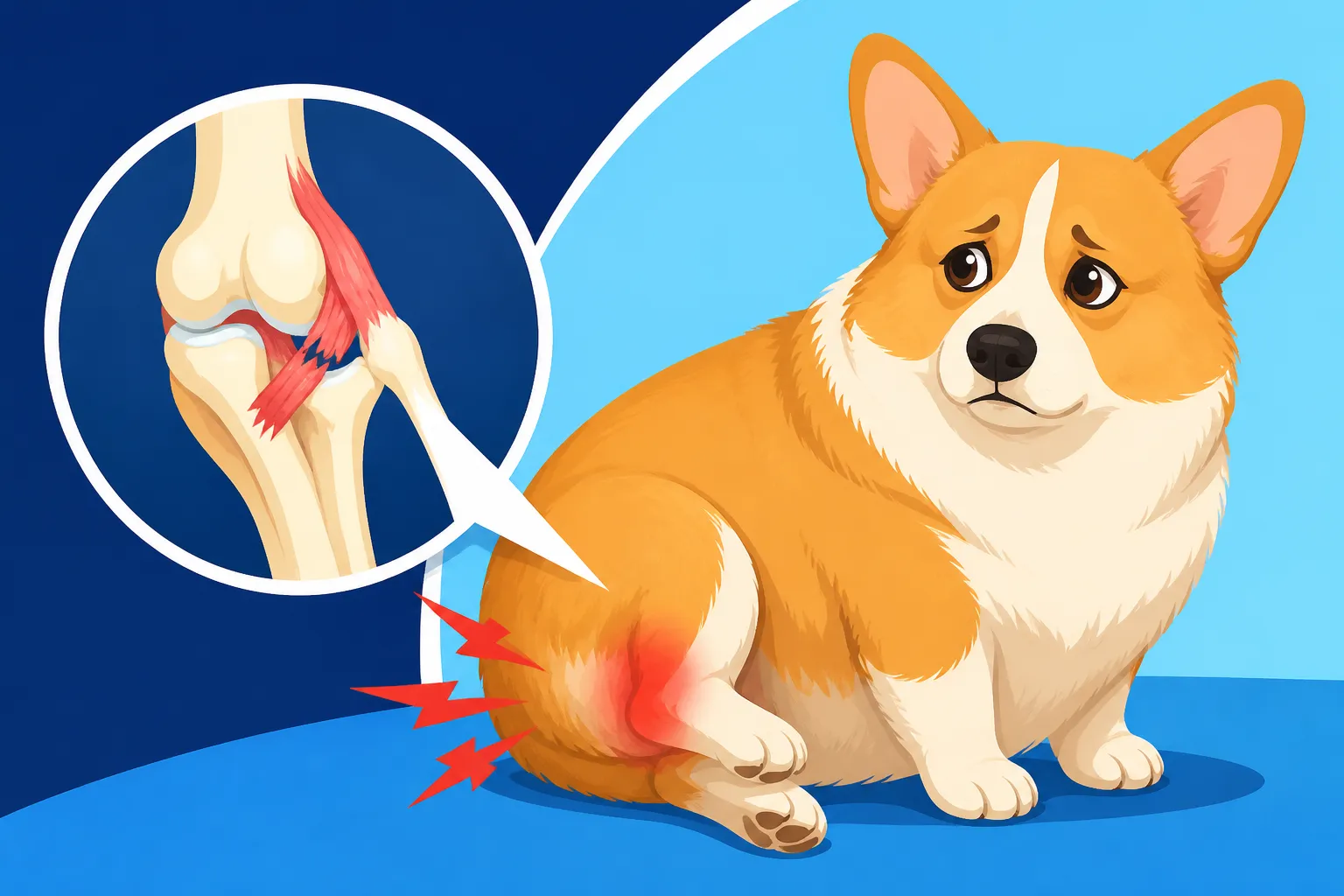
The cranial cruciate ligament in dogs is essentially the canine equivalent of the ACL in humans. It's a vital band of tissue located inside the knee joint (stifle) that connects the femur (thigh bone) to the tibia (shin bone), stabilizing the knee and preventing the tibia from sliding forward relative to the femur. When this ligament tears, either partially or completely, it leads to instability, pain, and lameness.
The Role of Anatomy and Breed Predisposition
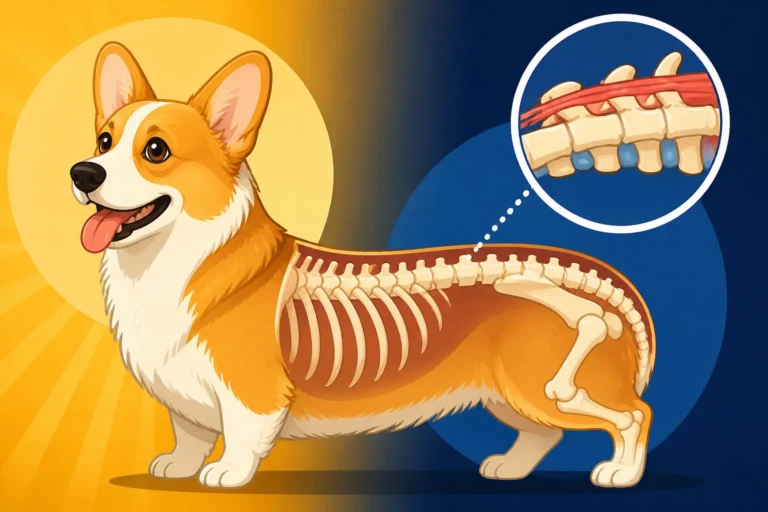
While CCL tears are most commonly associated with larger, athletic breeds, Corgis, particularly the Pembroke Welsh Corgi, are not immune. Their unique body structure, characterized by short legs and a long back, means their joints are under constant, unique stress. The biomechanics of a Corgi's gait, especially when they're running, jumping, or making quick turns, can put torsional forces on their knees that predispose them to injury. Think about how much leverage their body has over those relatively short legs and joints!
Furthermore, Corgis are chondrodystrophic breeds, meaning they have a genetic predisposition for abnormal cartilage and bone development, which can indirectly affect joint health. While this characteristic is more directly linked to intervertebral disc disease (IVDD), it contributes to a general vulnerability in their musculoskeletal system. It's a good idea to understand What Chondrodystrophy Means for a Corgi for broader insights into their skeletal health.
The Heavy Corgi Factor: A Significant Risk Multiplier
This is where the "heavy Corgi" aspect truly comes into play, making an already vulnerable joint even more precarious. Every extra pound your Corgi carries puts exponentially more stress on their joints, especially the knees. Imagine carrying a backpack filled with bricks all day – that's what those extra pounds feel like to your Corgi's knees and back. Over time, this constant overload can weaken the cruciate ligament, making it more prone to tearing even during seemingly innocuous activities, like simply stepping off a curb or twisting while playing.
Obesity is a silent killer for Corgis, exacerbating not just cruciate injuries but also other common Corgi health concerns like disc problems. We've talked before about Why Corgi Weight Is a Spinal Problem and What Extra Weight Does to a Corgi Spine, and the same principles apply to their knees. A Corgi that should ideally weigh around 25-30 pounds, but is carrying an extra 5-10 pounds, is putting immense, unnatural pressure on its stifle joints. This added burden isn't just about acute injury; it's about chronic degeneration of the ligament over time, making a sudden rupture almost inevitable.
Recognizing the Signs of a Cruciate Injury in Your Corgi
Spotting a cruciate injury can sometimes be tricky because the symptoms can range from subtle to overtly dramatic, depending on whether it's a partial tear or a complete rupture. As Corgi owners, we're already keenly attuned to their unique quirks and movements, which gives us an advantage in noticing these changes early.
Initial Lameness and Guarding the Leg
The most common and immediate sign of a CCL injury is sudden lameness in a hind leg. Your Corgi might:
- Hold the leg up: This is especially true for complete ruptures. They might refuse to put any weight on it, holding it bent up while standing or walking.
- Toe-touching: With a partial tear or a less severe complete rupture, your Corgi might still attempt to use the leg, but only lightly touch their toes to the ground, avoiding putting full weight on it. This looks like they're trying to walk on eggshells with that particular paw.
- Reluctance to bear weight: You might notice them favoring the other leg, shifting their weight, or sitting with the injured leg held out to the side rather than tucked under. This can be particularly noticeable after they've been resting or sleeping, and then try to get up.
A clear differentiator from some other back problems (like disc disease, which often affects both hind legs, though sometimes one more than the other) is that a cruciate injury typically affects one knee joint. If you're ever struggling to tell the difference, an article like Telling a Corgi's Slipped Disc From Myelopathy might offer some insights into hind leg issues, but remember a vet visit is always paramount.
Swelling, Pain, and Changes in Movement
Beyond obvious lameness, keep an eye out for these more subtle indicators:
- Swelling around the knee: While Corgis are low to the ground, careful palpation might reveal some warmth or swelling around the stifle joint. You might feel a subtle enlargement compared to the uninjured leg.
- Pain response: If you gently try to manipulate the knee, your Corgi might yelp, pull away, or show signs of discomfort. They may also vocalize when trying to stand up or lie down.
- Stiffness or "bunny hopping": In cases of bilateral (both knees) CCL tears, or even with one severe tear, a Corgi might start moving in a "bunny hopping" fashion, using both hind legs simultaneously to reduce stress on the painful joint. This is a clear red flag.
- Muscle atrophy: Over time, if the injury goes untreated, the muscles in the affected leg will start to waste away due to disuse. You might notice the injured leg appears thinner than the healthy one.
Observing these changes in your Corgi's normal gait and behavior is crucial. Don't dismiss a sudden limp, especially if it persists for more than a day or two. It's always better to get things checked out promptly.
Diagnosis and Treatment Options for a Corgi Cruciate Tear
When you notice your Corgi showing signs of a potential cruciate injury, a prompt visit to your veterinarian is the absolute next step. Early diagnosis and intervention can significantly impact the outcome and your Corgi's long-term comfort and mobility.
The Veterinary Examination and Diagnostics
Your vet will perform a thorough physical examination, paying close attention to your Corgi's gait, posture, and the affected leg. The key diagnostic test for a CCL tear is often a physical manipulation of the knee joint to detect what's called "cranial drawer" or "tibial thrust."
- Cranial drawer test: This involves your vet gently attempting to slide the tibia forward relative to the femur. If the cruciate ligament is torn, the tibia will move abnormally forward, like a drawer opening.
- Tibial thrust test: This test assesses the instability of the joint under weight-bearing conditions.
These tests can be painful, so your vet might recommend light sedation to get an accurate assessment and keep your Corgi comfortable.
- X-rays: While X-rays don't directly show the ligament, they are invaluable for assessing secondary signs of joint disease (like arthritis, which quickly develops in an unstable knee), ruling out other bone issues, and helping to plan surgical approaches if needed.
- MRI: In some complex cases or to rule out other soft tissue injuries, an MRI might be recommended, especially if initial findings are inconclusive or other problems are suspected. However, for a straightforward CCL tear, physical manipulation is usually sufficient.
Conservative Management vs. Surgical Intervention
Once diagnosed, your vet will discuss treatment options. For Corgis, especially those carrying extra weight, surgery is often the recommended path for complete CCL tears to provide the best long-term stability and pain relief. However, conservative management might be considered for very small, partial tears or for Corgis with other significant health issues that make surgery too risky.
Conservative Management (Non-Surgical):
This approach typically involves:
- Strict rest: Often several weeks of limited activity, sometimes including crate rest, to allow any inflammation to subside and scar tissue to form. However, scar tissue alone usually isn't enough to stabilize a Corgi's knee long-term.
- Anti-inflammatory medications: NSAIDs (non-steroidal anti-inflammatory drugs) to manage pain and inflammation.
- Weight management: Absolutely critical. If your Corgi is overweight, getting them to an ideal body condition score is paramount. This will reduce stress on both knees. We often discuss The Body Condition Score a Corgi Should Hold to help owners identify an appropriate weight.
- Physical therapy: Gentle, controlled exercises to maintain muscle mass and range of motion.
The success rate for conservative management of complete CCL tears in Corgis is generally lower than for surgical repair, often leading to progressive arthritis and ongoing lameness.
Surgical Intervention:
Surgery aims to stabilize the knee joint, reduce pain, and slow the progression of arthritis. There are several surgical techniques commonly performed, each with its pros and cons. Your veterinary orthopedic surgeon will discuss the best option for your Corgi based on their size, activity level, and the surgeon's expertise.
- Tibial Plateau Leveling Osteotomy (TPLO): This is one of the most common and effective procedures. It involves cutting and rotating the top part of the tibia (tibial plateau) to change the angle of the joint, effectively neutralizing the tibial thrust and making the ligament unnecessary for stability.
- Tibial Tuberosity Advancement (TTA): Similar to TPLO, TTA involves cutting and advancing a portion of the tibia to change the biomechanics of the joint.
- Lateral Suture (Extracapsular Repair): This technique involves placing a strong suture material outside the joint to mimic the function of the torn CCL. It's often less invasive but can sometimes be less durable for larger or very active dogs. However, for some Corgis, it can be a viable option.
The decision for surgery can be overwhelming, especially considering the financial implications. Procedures like TPLO can easily run into several thousands of dollars. Having pet insurance, perhaps with a provider like Healthy Paws, can be a lifesaver in these situations, helping to cover a significant portion of the costs for diagnosis, surgery, and follow-up care. It’s worth looking into Insuring a Corgi Before Its First Back Episode to understand how crucial early enrollment is for orthopedic conditions.
Here's a quick comparison of common surgical techniques:
| Surgical Technique | Principle | Common Use | Pros | Cons |
|---|---|---|---|---|
| TPLO (Tibial Plateau Leveling Osteotomy) | Changes the angle of the tibial plateau to prevent forward thrust of the tibia, eliminating the need for the ligament. | Highly effective for most dogs, including Corgis. | Excellent long-term stability, rapid return to function, less arthritis progression. | More invasive, higher cost, requires specialized equipment and surgeon expertise. |
| TTA (Tibial Tuberosity Advancement) | Advances the tibial tuberosity (front part of the shin bone) to neutralize tibial thrust. | Alternative to TPLO, often used for similar cases. | Good stability, generally less bone cutting than TPLO, faster recovery for some. | Similar to TPLO in cost and invasiveness, not suitable for all knee anatomies. |
| Lateral Suture (Extracapsular Repair) | Places a strong artificial ligament outside the joint capsule to stabilize the knee. | Smaller dogs, less active dogs, or as a secondary option. | Less invasive, lower cost, quicker procedure. | Potentially less durable for very active dogs, higher risk of suture breakage, possible more arthritis over time. |
Managing Recovery and Preventing Future Issues in Heavy Corgis
The journey doesn't end with surgery or the start of conservative management. The recovery period is critical for a successful outcome, and long-term prevention is key to avoiding future injuries, especially in Corgis prone to weight gain.
Post-Operative Care and Rehabilitation
Regardless of the chosen treatment, the recovery phase is intensive and requires commitment.
- Strict confinement: This is non-negotiable for several weeks, often 6-12 weeks post-surgery. Your Corgi will need to be confined to a small area or crate to prevent running, jumping, or climbing stairs. Leash walks for potty breaks only, gradually increasing in duration as advised by your vet. If you’ve ever had a Corgi on restricted activity, you know it's a challenge, but vital! We have a whole article on Crate Rest for a Corgi With a Bad Back that offers great tips applicable to knee recovery too.
- Pain management: Your vet will prescribe pain medications and anti-inflammatories to keep your Corgi comfortable during healing. Stick strictly to the schedule.
- Physical therapy (rehab): This is perhaps the most important part of recovery. It involves a tailored program of exercises, often including:
- Passive Range of Motion (PROM): Gentle flexion and extension of the joint to prevent stiffness.
- Therapeutic exercises: Specific movements to rebuild muscle strength and improve balance.
- Hydrotherapy (underwater treadmill): A fantastic low-impact way to build muscle and improve gait without stressing the healing joint.
- Laser therapy and acupuncture: Can help reduce pain and inflammation and speed healing.
Physiotherapy is incredibly effective and can make a huge difference in how quickly and completely your Corgi recovers, much like we see in Physiotherapy for a Corgi Losing Its Legs for other hind-end issues.
Recovery is a marathon, not a sprint. While some Corgis show amazing Recovery Rates After Corgi Disc Surgery, knee surgery recovery also requires patience and consistency. Full recovery can take 4-6 months, with continued improvement for up to a year. Regular follow-up appointments with your vet or surgeon are essential to monitor progress.
Lifelong Weight Management and Environmental Adjustments
For heavy Corgis, a cruciate injury serves as a stark reminder that weight management isn't just about aesthetics; it's about life-saving preventative healthcare. This must become a lifelong commitment.
- Calorie control: Work with your vet to determine an appropriate daily calorie intake for your Corgi's ideal weight. Measure food precisely – don't eyeball it! Cut out excessive treats and table scraps. There's good information about What an Ideal Corgi Weighs that can help you set realistic goals.
- Regular, controlled exercise: Once fully recovered, consistent, low-impact exercise is crucial. Think regular leash walks, swimming, and mental enrichment activities. Avoid high-impact activities like jumping or sudden stops and starts, which can re-injure the knee or strain the other, now more vulnerable, knee.
- Ramps and steps: Invest in ramps or pet steps for sofas, beds, and vehicles to eliminate jumping, which puts tremendous stress on all joints. This is especially important for Ramps and Steps That Save a Corgi's Back, and equally beneficial for their knees.
- Joint supplements: Your vet might recommend supplements like glucosamine, chondroitin, and omega-3 fatty acids to support joint health, especially after injury and throughout their lives. Brands like Dasuquin or Glycoflex are often recommended.
Monitoring for Future Issues
It's a tough truth that once a Corgi has torn one CCL, there's a significant chance (around 50-60%) that they will eventually tear the CCL in the other knee, often within 1-2 years. This is because the uninjured leg takes on increased load and stress during the recovery of the first. Therefore, vigilant monitoring is essential.
- Regular vet check-ups: Ensure your vet checks both knees at every visit.
- Early detection: Be extra alert for any signs of lameness or discomfort in the previously healthy leg. Catching a partial tear early can sometimes allow for less invasive intervention or better outcomes.
- Maintain ideal weight: Reiterate – this is your absolute best defense against a second injury.
Dealing with a cruciate injury in a Corgi is a challenging experience, both emotionally and financially. However, with prompt veterinary care, appropriate treatment, dedicated rehabilitation, and a steadfast commitment to preventative measures like weight management, your beloved Corgi can recover well and enjoy a happy, active life for years to come.
Disclaimer
The information provided in this article is for general informational purposes only and is not a substitute for professional veterinary advice, diagnosis, or treatment. Always seek the advice of your veterinarian or other qualified animal health provider with any questions you may have regarding a medical condition or the health and welfare of your Corgi.