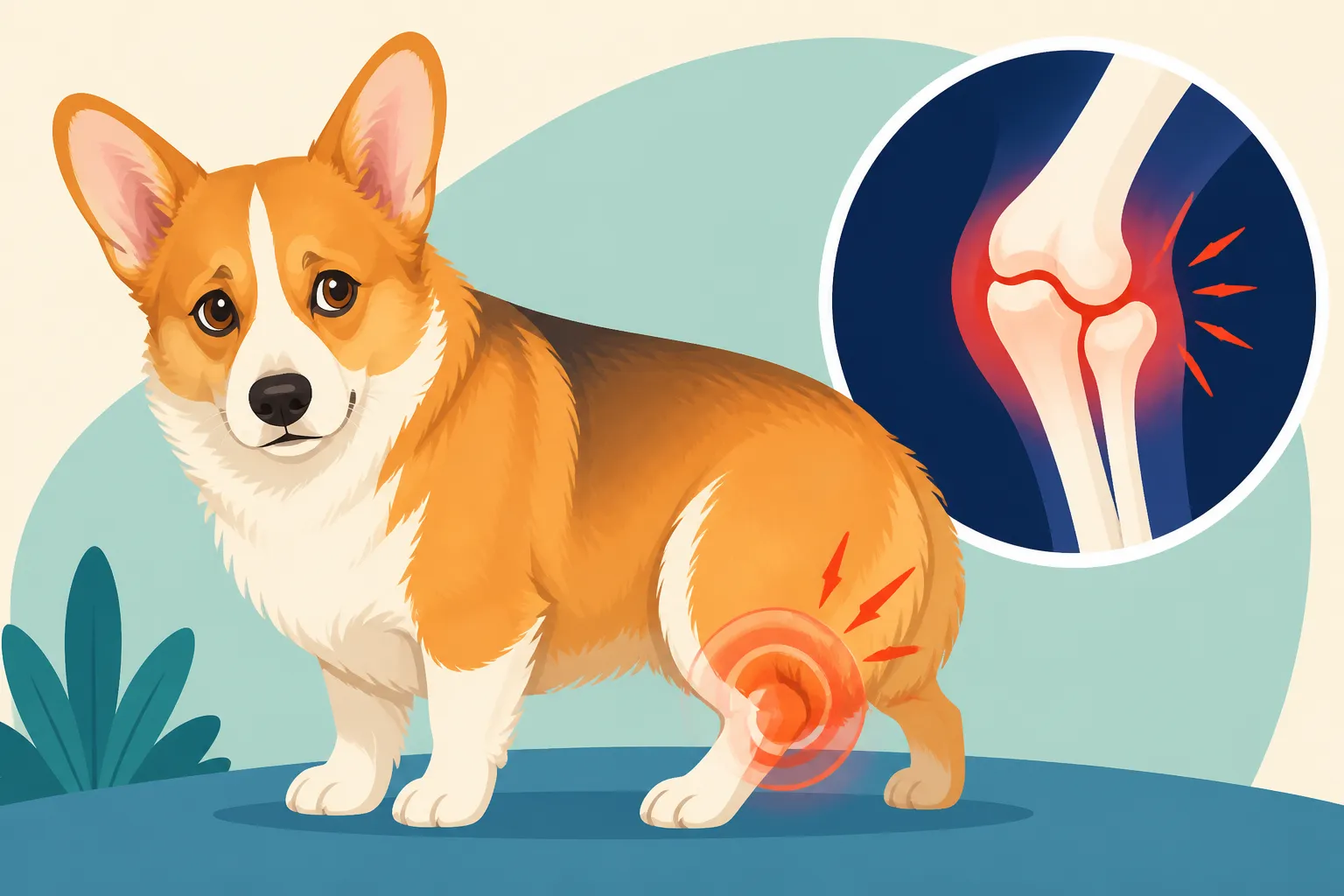
Early Arthritis in a Corgi
It's heartbreaking to see your beloved Corgi, normally a bundle of energetic joy with their characteristic wiggle, start to slow down. That little hitch in their step, the reluctance to jump onto the sofa, or the subtle stiffness after a nap isn't just 'getting old'; it could be the quiet onset of early arthritis. Many Corgi owners grapple with the worry of their dog's long-term mobility, given their unique physique. This comprehensive guide aims to shed light on what early arthritis looks like in our low-rider companions, how to spot those crucial initial signs, and what proactive steps you can take to help them live a comfortable, happy life for as long as possible.
Understanding Early Arthritis in Corgis
Arthritis, or osteoarthritis, is a progressive and often painful condition characterized by the inflammation and degeneration of one or more joints. Essentially, the cartilage that cushions the bones within a joint begins to wear down, leading to bone-on-bone friction, pain, and reduced mobility. For Corgis, this isn't just a concern for aging dogs; their unique conformation makes them particularly susceptible to developing joint issues at a younger age than many other breeds.
The Corgi's Predisposition to Joint Issues
Our Corgis are what we call a "chondrodystrophic" breed. This fancy word simply means they have a genetic trait that leads to disproportionate dwarfism, giving them their iconic short legs and long bodies. While this look is undeniably adorable and part of their herding heritage, it also places significant stress on their joints and spine. This body type naturally creates leverage and pressure points that other breeds don't experience to the same degree. Over time, the constant stress on their hips, elbows, stifles (knees), and especially their long spinal column can accelerate cartilage wear and tear, paving the way for arthritis to develop. Issues like hip and elbow dysplasia, which are genetic conditions, can also set the stage for early arthritis by causing abnormal joint development. Understanding these underlying structural realities helps us appreciate why diligent observation and proactive care are so vital for our Corgis.
Common Joints Affected by Early Onset Arthritis
While arthritis can theoretically affect any joint, certain areas are more commonly impacted in Corgis due to their build and activity levels. The hips are often a primary concern, especially in dogs with underlying Corgi Hips and Front-End Structure. Elbows can also show early signs, as can the stifles (knees). However, given their distinctive long backs, the joints and discs in their spine are perpetually under strain. While spinal disc disease (Intervertebral Disc Disease, or IVDD) is a different condition, chronic stress on the spinal column can contribute to arthritic changes in the small facet joints of the vertebrae. It's a complex interplay, and often, what starts as mild discomfort in one area can lead to compensatory issues in others, exacerbating the problem. For instance, a Corgi favoring a painful hip might put more strain on a shoulder or an opposite leg, leading to secondary arthritis in those areas. This interconnectedness means a holistic approach to joint health is always best.
Identifying the Subtle Signs of Corgi Arthritis
Spotting early arthritis in Corgis can be tricky because their stoic nature and strong desire to please often mean they'll try to hide their discomfort. Plus, some signs might be mistaken for normal aging or just a Corgi being a Corgi. The key is to be observant and pay attention to subtle shifts in behavior or mobility.
Behavioral Changes That Signal Discomfort
One of the first indicators that something isn't quite right might be a change in your Corgi's personality or daily routine. Have you noticed them being less enthusiastic about their favorite walk or toy? Are they sleeping more, or perhaps struggling to find a comfortable position to rest? They might become more irritable when you try to pet them in certain areas, particularly around their hips or lower back, or show a sudden reluctance to engage in play sessions they once loved. A previously outgoing Corgi might become withdrawn or even display uncharacteristic snapping or growling if a painful joint is inadvertently touched. They might also start avoiding certain activities, like jumping into the car or climbing onto the sofa, or hesitate at the bottom of stairs. These aren't just signs of an aging dog; they can be critical clues that pain is present.
Mobility Changes to Watch For
The more overt signs of arthritis usually manifest as changes in how your Corgi moves. This is where your careful observation truly comes into play. You might notice a slight stiffness, particularly after they've been lying down for a while, that seems to "warm up" after a few minutes of movement. They might start limping, favoring one leg, or even doing a peculiar "bunny hop" when running, especially with their hind legs. Watch them walk: do their back nails scuff on the ground occasionally? This can be a sign of altered gait. Are they struggling to get up from a lying position, perhaps pushing up with their front legs first before slowly leveraging their back end? Any new reluctance to jump, or a slower, more deliberate movement when descending stairs, should raise a red flag. These subtle changes, while seemingly minor, can be significant indicators of developing joint pain.
Physical Indicators and Differentiating from Other Conditions
Beyond behavior and mobility, there can be some physical signs. Over time, you might notice a loss of muscle mass in one or both hind legs, making them appear thinner than their front legs, as they try to avoid putting weight on a painful joint. They might also begin licking, chewing, or even over-grooming a specific joint area. Gently running your hands over their joints might reveal warmth, swelling, or even a crackling sound (crepitus).
It’s incredibly important to distinguish early arthritis from other common Corgi health issues, particularly those affecting the back. Conditions like Degenerative Myelopathy (DM) or Intervertebral Disc Disease (IVDD) can present with similar symptoms, such as hind leg weakness or changes in gait. While arthritis is a joint condition, IVDD is a neurological emergency caused by a ruptured disc in the spine, and DM is a progressive neurological disease. A Corgi with arthritis might be stiff and painful, but generally has good proprioception (awareness of where their limbs are), whereas a dog with IVDD or DM might drag their feet, cross their legs, or show a loss of coordination and balance. A visit to the vet, and potentially diagnostic imaging like X-rays, MRI, or CT scans, is essential for an accurate diagnosis, especially if you're concerned about Telling a Corgi's Slipped Disc From Myelopathy. Don't hesitate to seek veterinary advice; catching these issues early is crucial.
Here's a quick reference table to help differentiate some common observations:
| Observation | Early Arthritis Indication | Normal Aging / Corgi Quirk | More Serious Neurological Issue (DM/IVDD) |
|---|---|---|---|
| Difficulty with stairs/jumps | New reluctance, struggling, crying out, avoiding. | Slightly slower due to less muscle strength, still attempts. | Complete refusal, loss of balance, sudden paralysis. |
| Stiffness after rest | Noticeable limping/stiffness that "warms up" after a few minutes of movement. | Takes a moment to stretch, then moves freely. | Stumbling, dragging paws, persistent weakness regardless of activity. |
| Decreased activity | Marked drop in desire to play, shorter walks, easily tired. | Still eager for walks/play, just shorter sessions. | Rapid decline in activity, obvious pain or neurological deficit. |
| Licking/chewing joints | Persistent licking or chewing at a specific joint. | Occasional self-grooming, no specific joint focus. | No direct link, but self-mutilation from nerve pain is possible. |
| Irritability/resisting touch | Snapping, growling when touched in certain areas. | Generally tolerant, enjoys petting. | Extreme pain upon touch, especially along the spine. |
| Gait/Foot Placement | Shortened stride, slight limp, less flexible movement. | Slower, but deliberate and controlled steps. | Knuckling over, crossing back legs, dragging feet, loss of coordination. |
Managing Early Arthritis for Your Corgi
Once you have a diagnosis of early arthritis from your veterinarian, the good news is there are many strategies we can employ to manage the condition and improve your Corgi's quality of life. The goal is always to minimize pain, maintain mobility, and slow the progression of joint degeneration.
Weight Management and Nutritional Support
One of the most impactful things you can do for an arthritic Corgi is to manage their weight rigorously. Every extra pound your Corgi carries puts exponentially more stress on their already compromised joints. Think of it like carrying a heavy backpack all day – it adds strain to your knees and back. For a Corgi, whose low-slung body already puts pressure on their spine and limbs, maintaining an ideal body condition score is absolutely paramount. Your vet can help you determine The Body Condition Score a Corgi Should Hold and recommend a tailored diet plan. Often, this involves carefully measured portions of a high-quality kibble, potentially a prescription joint-support diet, and limiting high-calorie treats. Weaning them off table scraps, no matter how much they beg, is a tough love move that pays dividends in comfort.
Alongside strict weight control, certain supplements can be highly beneficial. Glucosamine and chondroitin, often found together, are building blocks for cartilage and can help reduce inflammation and support joint health. Omega-3 fatty acids, particularly EPA and DHA from fish oil, are powerful natural anti-inflammatories. Always discuss any supplements with your vet to ensure they're appropriate for your Corgi and to get the correct dosages. Brands like Nutramax's Dasuquin and Cosequin are commonly recommended by veterinarians for their efficacy. While supplements are great, remember they aren't a standalone cure, but rather part of a comprehensive management plan. You might be interested in Whether Supplements Protect a Corgi's Discs too.
Environmental Modifications and Low-Impact Exercise
Making your home Corgi-friendly is another crucial step. Eliminate situations that require jumping or excessive stair climbing. Investing in pet ramps for sofas, beds, and vehicles can significantly reduce the strain on their joints. Think about installing Ramps and Steps That Save a Corgi's Back in your home. Non-slip rugs on slick floors (hardwood, tile) can provide much-needed traction, preventing slips and falls that can worsen joint pain. Orthopedic dog beds offer superior support, conforming to their body and cushioning joints during rest.
When it comes to exercise, the mantra is "low-impact and consistent." Short, frequent walks on soft surfaces like grass are preferable to long, strenuous hikes on pavement. Avoid high-impact activities like frisbee jumping or intense ball chasing that involve sudden stops and turns. Swimming or hydrotherapy is fantastic for arthritic dogs because it allows them to move their joints through their full range of motion without bearing weight, building muscle strength safely. Many physical therapy centers offer specialized hydrotherapy pools for dogs.
Veterinary Medical Interventions and Therapies
Your vet is your most important partner in managing Corgi arthritis. They can prescribe non-steroidal anti-inflammatory drugs (NSAIDs) to reduce pain and inflammation, such as Rimadyl, Galliprant, or Deramaxx. These medications are typically given as needed or on a low-dose daily regimen, always under veterinary supervision due to potential side effects. Other pain medications like Gabapentin might be used in conjunction with NSAIDs, especially for nerve pain. Injectable treatments like Adequan (polysulfated glycosaminoglycan) can also help improve joint fluid quality and protect cartilage.
Beyond medication, there's a growing field of complementary therapies. Acupuncture, performed by a certified veterinary acupuncturist, can provide significant pain relief for some dogs. Laser therapy uses specific wavelengths of light to reduce inflammation and promote healing at a cellular level. Physiotherapy for a Corgi Losing Its Legs can involve tailored exercises, massage, and stretching to improve strength, flexibility, and overall mobility. For more advanced cases, a veterinary orthopedist might discuss surgical options, though these are less common for general arthritis and more for specific issues like severe hip dysplasia.
When those vet bills start adding up for diagnostics or treatments, having a good pet insurance plan like one from Healthy Paws can truly be a lifesaver. Being able to choose the best course of action for your Corgi without worrying solely about the financial burden can make a huge difference in their care. It's always wise to look into options like Healthy Paws before conditions become pre-existing.
Preventative Measures and Long-Term Wellness
While we can't fully prevent arthritis, especially in a breed predisposed to it like the Corgi, there's a great deal we can do to minimize its severity, delay its onset, and ensure our Corgis live their healthiest, happiest lives.
Early Life Choices and Responsible Breeding
The journey to preventing early arthritis often begins even before your Corgi puppy comes home. Choosing a responsible breeder who screens their breeding dogs for inheritable conditions like hip and elbow dysplasia is crucial. Breeders should provide health clearances from organizations like the Orthopedic Foundation for Animals (OFA) or PennHIP. These tests help ensure that the parents have sound joint structure, reducing the likelihood of passing on genetic predispositions to their offspring. Don't be shy about asking for these health records; a good breeder will be transparent and proud to share them. Understanding your Corgi's lineage and any potential genetic weaknesses can provide valuable insight into their future health. You might want to ask about The DNA Tests a Corgi Breeder Should Run.
During puppyhood, it's important to provide appropriate exercise without overdoing it. While Corgi puppies have bursts of energy, their joints are still developing. Avoid excessive jumping, long forced runs, or activities that put undue stress on their growing bones and cartilage. Short, frequent play sessions are better than one long, intense one. Always prioritize proper nutrition for healthy growth, ensuring they don't grow too quickly or become overweight, even as puppies. Your The Vet Visits a Corgi Puppy Needs First are essential to establish a baseline of good health.
Lifestyle Adaptations for Longevity
As your Corgi matures, maintaining an active, healthy lifestyle becomes a cornerstone of arthritis prevention. Consistent, moderate exercise helps keep muscles strong around the joints, providing natural support. Think regular walks, gentle games of fetch on soft ground, or even beginner-friendly obedience and scent work that engages their minds without taxing their bodies. Avoid activities that involve repetitive high-impact movements or twisting. Consider whether Whether a Corgi Should Ever Jump Off a Sofa is a good idea. Even seemingly small jumps can add up over time.
Diet plays a colossal role. Keeping your Corgi lean and at an ideal weight is perhaps the single most important preventative measure. Even a few extra pounds can make a significant difference in joint health over a The Twelve to Fifteen Year Corgi Lifespan. Regularly assess their body condition – you should be able to easily feel their ribs without seeing them, and they should have a discernible waistline when viewed from above. If you're unsure, your vet can guide you on portion control and appropriate caloric intake.
Consider proactive environmental modifications even before signs of arthritis appear. Start ramp training early for access to furniture and cars. Lay down non-slip runners on slick floors to prevent slips and falls that could damage joints. Provide comfortable, supportive bedding from a young age. These measures, integrated into daily life, can protect their joints over the years.
The Role of Regular Veterinary Care
Routine veterinary check-ups are not just for vaccinations; they are vital for monitoring your Corgi's overall health, including their joint condition. During these visits, your vet can perform a thorough physical examination, palpate joints, and assess their gait. Early detection allows for earlier intervention, which can significantly slow the progression of arthritis and improve long-term outcomes. Discuss any changes you've noticed, no matter how minor, with your vet.
As your Corgi approaches their senior years, Screening an Older Corgi's Spine and other joints becomes even more important. Your vet might suggest annual check-ups that include specific attention to mobility and joint health. This proactive approach ensures that if arthritis does begin to develop, it's caught at its earliest stages, allowing you to implement management strategies like those discussed above before significant pain and mobility loss occur. Investing in pet insurance, like a plan from Healthy Paws, early in your Corgi's life, especially before any pre-existing conditions are identified, can provide peace of mind and financial support for any necessary treatments or long-term care as they age. This forward-thinking approach can make all the difference in ensuring your Corgi enjoys their golden years with as much comfort and joy as possible.
Disclaimer
Please note that the information provided in this article is for educational purposes only and should not be considered a substitute for professional veterinary advice. Always consult with a qualified veterinarian for any health concerns or before making any decisions about your Corgi's care, diet, or treatment plan.