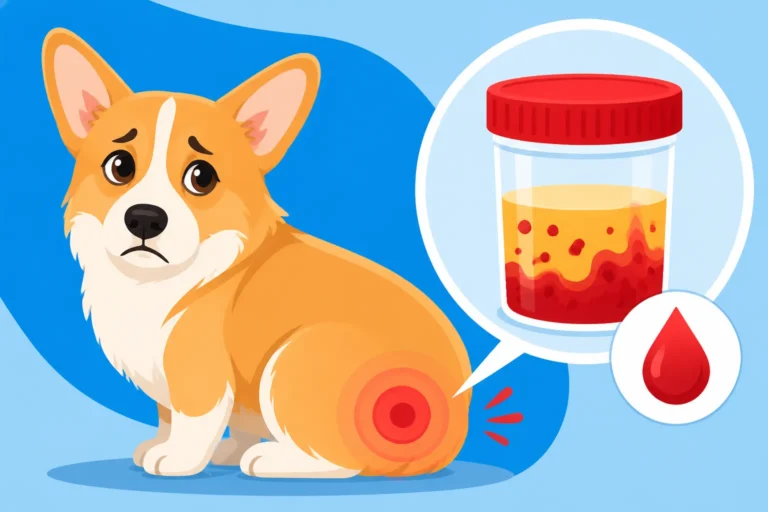
Blood From a Corgi’s Nose or Gums
Seeing a Corgi with blood coming from their nose or gums can send any loving pet parent into an immediate panic. It's a truly alarming sight, leaving you questioning what happened, how serious it is, and what you need to do right now. This guide is here to walk you through the various reasons your Corgi might be bleeding from these areas, what steps you can take, and when it’s absolutely critical to seek veterinary help without delay.
Immediate Concerns: When to Seek Emergency Vet Care for Bleeding
When you spot blood, whether it's a dribble from the nose or a streak on their favorite chew toy, your first instinct is likely to be worry. And rightfully so. While some instances of bleeding can be minor, others are signs of serious underlying health issues that require urgent attention. Knowing when to rush to the vet versus when you can monitor at home is crucial for your Corgi's well-being.
Assessing the Severity and Source of Bleeding
Before you can react appropriately, try your best to assess the situation calmly. Is the bleeding a few drops, a constant trickle, or a gush? Is it bright red and fresh, or darker and clotted? A small amount of blood, perhaps a speck after a vigorous chew session, might not be an emergency. However, persistent bleeding, a significant volume of blood, or any bleeding accompanied by other concerning symptoms like weakness, pale gums, difficulty breathing, or collapse, warrants an immediate trip to an emergency veterinary clinic. Even seemingly minor bleeding can sometimes escalate quickly, especially if your Corgi has a predisposition to certain conditions. For instance, some Pembrokes carry The Bleeding Disorder Pembrokes Carry, which can make even a small injury lead to excessive blood loss.
The source also matters. Blood from the nose (epistaxis) can be trickier to pinpoint the cause for than blood from the gums, which often points to dental issues or oral injury. Check both nostrils; if it's coming from only one, it might indicate a localized problem like a foreign object. If it's bilateral, it suggests a more generalized issue or systemic problem. For gum bleeding, gently try to open their mouth to locate the exact spot if your Corgi allows. Look for cuts, punctures, or swollen, inflamed areas around the teeth. If they are refusing to let you examine their mouth, or acting as if they are in pain, do not force the issue, as you could stress them further or get bitten.
First Aid Steps You Can Take at Home
While a vet visit is paramount for serious cases, there are a few first aid steps you can take to manage the bleeding in the short term and keep your Corgi as comfortable as possible. For a nosebleed, try to keep your Corgi calm and still. Excitement or activity will only increase blood pressure and worsen the bleeding. You can apply a cold compress (like a bag of frozen peas wrapped in a thin towel) to the bridge of their nose for a few minutes. This can help constrict blood vessels. Do not tilt their head back, as this can cause them to swallow the blood, which may lead to vomiting or aspiration.
For gum bleeding, if you can safely do so, apply gentle pressure directly to the bleeding site with a clean piece of gauze or a soft cloth. Again, keeping them calm is key. If the bleeding is related to a missing or loose tooth, avoid touching the area. Keep an eye on their breathing and overall demeanor. Any sign of distress, increased bleeding, or worsening symptoms means it's time to head to the nearest emergency vet. Remember, these are only temporary measures to stabilize your Corgi until professional medical help is available. Having pet insurance, like a plan from Healthy Paws, can certainly alleviate some of the financial stress during these unexpected emergency situations, allowing you to focus on your Corgi's care without hesitation.
Common Causes of Nosebleeds in Corgis
Nosebleeds in Corgis, or epistaxis, can be quite alarming because they can appear suddenly and sometimes profusely. The causes range from relatively benign local irritations to more serious systemic diseases, making a proper veterinary diagnosis essential.
Trauma and Foreign Objects
Just like kids, Corgis can be prone to bumping their noses during enthusiastic play or exploring. A minor bump against furniture or roughhousing with another pet could result in a superficial nosebleed. More serious trauma, such as being hit by a car or falling from a height, could lead to fractures and significant bleeding.
Beyond visible trauma, Corgis, with their curious noses always to the ground, are particularly susceptible to getting foreign objects lodged in their nasal passages. Think about tiny grass seeds, foxtails, or small pieces of debris they might sniff up during a walk in a field or even just in your backyard. These foreign bodies can cause irritation, inflammation, and damage to the delicate lining of the nose, leading to bleeding. If a foreign object is suspected, your Corgi might also be sneezing excessively, pawing at their face, or showing signs of discomfort. If you notice any Bleeding Signs in a Corgi that point to nasal irritation, it's worth a vet visit.
Infections and Inflammation
The nasal passages can also be a site for various infections and inflammatory conditions that lead to bleeding. Bacterial, fungal, or even viral infections can cause inflammation of the nasal lining, making blood vessels more fragile and prone to rupture. Fungal infections, such as those caused by Aspergillus, are particularly notorious for causing chronic nasal discharge, sneezing, and nosebleeds in dogs. These infections can be stubborn and often require specific antifungal treatments.
Allergies can also contribute to nasal inflammation, though direct bleeding from allergies alone is less common unless the inflammation is severe or accompanied by vigorous sneezing. In some cases, polyps or benign tumors can grow within the nasal cavity. These growths, while not always cancerous, can become irritated and bleed, sometimes causing intermittent nosebleeds that can be quite frustrating to diagnose without specialized imaging like a CT scan.
Systemic Health Issues
Sometimes, a nosebleed isn't just a nosebleed; it's a red flag for a broader health problem affecting your Corgi's entire system. One of the most critical systemic causes is a clotting disorder. Corgis, particularly Pembrokes, can be predisposed to Von Willebrand's Disease (vWD), a genetic bleeding disorder. If your Corgi has vWD, their blood doesn't clot properly, meaning even a minor injury or irritation can result in prolonged or excessive bleeding. This is why How Many Corgis Carry Von Willebrand is a common concern for breeders and owners alike. Other clotting deficiencies, often acquired rather than inherited, can also cause nosebleeds.
Conditions like severe high blood pressure (hypertension) can put excessive strain on delicate nasal capillaries, leading to rupture and bleeding. Certain toxins or medications can also impact blood clotting or vessel integrity. For example, some anti-inflammatory drugs or even certain foods can worsen bleeding tendencies. Liver disease or kidney failure can also disrupt clotting factor production or clearance, contributing to generalized bleeding issues. If your Corgi is on any medication, discussing potential side effects that might involve bleeding with your vet is a good idea. Should your pet ever need extensive medical care for a serious condition, a comprehensive pet insurance plan from Healthy Paws can be a lifesaver, covering a significant portion of diagnostic and treatment costs.
Understanding Gum Bleeding in Corgis
Bleeding gums in Corgis can be just as concerning as a nosebleed, but often the cause is more localized and, thankfully, sometimes easier to identify. It frequently points to issues within the oral cavity itself, though systemic problems can also manifest here.
Dental Disease and Gum Health
The most prevalent reason for bleeding gums in adult Corgis is dental disease. Periodontal disease, which starts with plaque and tartar buildup, leads to inflammation of the gums (gingivitis). As the disease progresses, the gums become red, swollen, and increasingly sensitive. They can bleed easily when chewed on, brushed, or even spontaneously. This is why addressing Corgi Dental Disease is so important. Left untreated, periodontal disease can lead to painful infections, tooth loss, and even systemic health problems as bacteria from the mouth enter the bloodstream.
Even in puppies, sometimes vigorous chewing on hard toys or rough play can cause minor gum irritation and bleeding. However, consistent bleeding, especially in conjunction with bad breath or difficulty eating, is a clear sign that a dental check-up is in order. Regular dental care, including brushing at home and professional cleanings, is paramount in preventing these issues.
Injuries to the Mouth
Corgis love to chew, and sometimes that chewing can lead to accidents. They might chew on something too hard, like bones, rocks, or inappropriate toys, which can cause cuts or punctures to the gums, tongue, or roof of the mouth. Splinters from sticks or fragments from broken toys can also become lodged, leading to localized bleeding and potential infection.
Burns in the mouth, perhaps from chewing an electrical cord (a serious hazard), can also cause tissue damage and bleeding. If you suspect an oral injury, and your Corgi allows, a careful inspection of their mouth might reveal the source. Look for bright red blood, lacerations, or swelling. If the bleeding is profuse or doesn't stop with gentle pressure, or if you cannot identify the source, a vet visit is essential. Even if the immediate bleeding stops, an underlying injury could still be present, leading to complications later.
Underlying Medical Conditions
While dental issues are the primary culprit, gum bleeding can also be a symptom of more serious, systemic medical conditions, similar to nosebleeds. Clotting disorders, including inherited conditions like Von Willebrand's Disease or acquired problems like low platelet counts, can manifest as easy bruising and gum bleeding. If your Corgi has had A Corgi Cut That Will Not Stop Seeping elsewhere on their body, it might indicate a more generalized bleeding tendency.
Certain autoimmune diseases or cancers of the oral cavity can also cause gum bleeding. Oral tumors, while sometimes appearing as masses, can also cause unexplained bleeding, especially if they are irritated or ulcerated. Furthermore, kidney disease or certain medications can sometimes lead to changes in gum tissue or clotting ability, resulting in bleeding. It's important for your veterinarian to rule out these more serious conditions, especially if the gum bleeding is persistent, recurrent, or accompanied by other symptoms like lethargy, loss of appetite, or significant weight loss. For any major diagnostic work-ups or treatments related to these underlying conditions, having pet insurance from a provider like Healthy Paws can provide much-needed financial support, covering aspects from specialist consultations to medications.
Diagnosing and Treating Bleeding Issues
Once you've managed the immediate concern and gotten your Corgi to the vet, the next step is to accurately diagnose the cause of the bleeding. This might involve a series of tests and a thorough examination.
The Veterinary Examination and Diagnostics
Your veterinarian will start with a comprehensive physical examination, paying close attention to your Corgi's nose, mouth, and overall condition. They'll ask you detailed questions about when the bleeding started, how much blood you observed, if there were any preceding events (like an injury or chewing incident), and if your Corgi has any other symptoms.
To get to the bottom of the issue, your vet might recommend several diagnostic tests:
- Blood Work: A complete blood count (CBC) can check for anemia (due to blood loss), platelet count (essential for clotting), and signs of infection or inflammation. A biochemistry panel assesses organ function (liver, kidneys), which can impact clotting.
- Coagulation Profile: These specific tests measure how quickly your Corgi's blood clots. This is vital for diagnosing conditions like Von Willebrand's Disease or other clotting factor deficiencies. Your vet might run Clotting Tests Before a Corgi Goes Under any procedure, especially if there's a history of bleeding.
- Imaging: For nosebleeds, X-rays of the skull or more advanced imaging like a CT scan or MRI can help identify foreign objects, tumors, or fungal infections within the nasal passages. For gum issues, dental X-rays are crucial for assessing the extent of periodontal disease and checking for root abscesses or bone loss.
- Endoscopy/Rhinoscopy: A small camera can be inserted into the nasal passages (rhinoscopy) or mouth/throat (endoscopy) to directly visualize the source of bleeding, remove foreign objects, or take biopsies.
- Biopsy: If a growth or abnormal tissue is found, a biopsy may be taken to determine if it's benign, malignant, or inflammatory.
Based on these findings, your vet can develop a targeted treatment plan. This diagnostic process, while thorough, can sometimes be costly. This is where pet insurance, such as Healthy Paws, really comes into its own, helping to manage the unexpected expenses associated with advanced diagnostics and specialist care.
Treatment Approaches for Different Causes
Treatment for nose or gum bleeding will vary significantly depending on the underlying cause.
- Trauma/Foreign Objects: If a foreign object is present, it will need to be carefully removed, often under sedation or anesthesia. Lacerations or punctures in the mouth might require sutures.
- Infections: Bacterial infections will be treated with antibiotics, while fungal infections may require specific antifungal medications, sometimes for extended periods. Anti-inflammatory drugs might also be used to reduce swelling and discomfort.
- Dental Disease: For gum bleeding due to dental disease, a professional dental cleaning (scaling and polishing) under anesthesia is typically needed. Severely diseased teeth may require extraction. Your vet may also prescribe antibiotics before or after the procedure, especially if there's significant infection.
- Clotting Disorders: If a bleeding disorder is diagnosed, treatment focuses on managing the condition. For vWD, sometimes a transfusion with specific blood products containing clotting factors might be necessary in an emergency or before surgery. For other clotting issues, identifying and treating the primary cause (e.g., liver disease, toxin exposure) is key. Care must be taken with Medications That Worsen Corgi Bleeding.
- Systemic Diseases: Underlying conditions like high blood pressure, kidney disease, or autoimmune disorders will require ongoing medical management specific to that disease. This might involve medications, dietary changes, or other therapies.
In severe cases of blood loss, your Corgi may need supportive care such as intravenous fluids or even a blood transfusion to stabilize them.
Long-term Management and Prevention
Preventing future bleeding episodes often involves a combination of ongoing care and environmental adjustments.
- Regular Veterinary Check-ups: Consistent vet visits, especially The Vet Visits a Corgi Puppy Needs First and annual exams for adults, are crucial for early detection of dental disease, high blood pressure, or other underlying conditions.
- Oral Hygiene: Regular tooth brushing at home with canine-specific toothpaste, along with appropriate dental chews and professional dental cleanings as recommended by your vet, are vital for preventing gum disease.
- Safe Environment: Ensure your home and yard are free from hazards that could cause trauma or foreign object ingestion. Supervise outdoor play, especially in areas with tall grass or debris. Providing safe, size-appropriate chew toys can help satisfy their chewing needs without risking injury.
- Diet and Weight Management: A balanced diet supports overall health and can help prevent conditions that contribute to bleeding. Maintaining a healthy weight is also important, as obesity can exacerbate many health problems.
- Managing Underlying Conditions: If your Corgi has a chronic condition like vWD or kidney disease, diligent adherence to their long-term treatment plan is essential to minimize the risk of bleeding complications. Regular blood work might be necessary to monitor their condition and medication efficacy.
- Awareness: Always be observant of any unusual Bleeding Signs in a Corgi and report them promptly to your vet. Being proactive can make a significant difference in outcomes.
By staying vigilant and working closely with your veterinarian, you can help ensure your Corgi lives a long, healthy, and happy life, free from the worries of unexplained bleeding. While it’s impossible to prevent every medical issue, being prepared for potential costs with a good pet insurance plan from Healthy Paws can provide invaluable peace of mind when your furry family member needs it most.
Disclaimer
This article is intended for informational purposes only and does not constitute medical advice. Always consult with a qualified veterinarian for any health concerns or before making any decisions about your Corgi's medical care.