Whether a Corgi Back Is as Fragile as a Dachshund’s
One of the biggest worries that keeps Corgi parents up at night is the health of their beloved dog's back. With their adorably long bodies and short legs, it’s only natural to wonder if their spine is as delicate and prone to problems as, say, a Dachshund's. This is a very real, very valid concern, and navigating the complexities of their unique anatomy can feel overwhelming. This comprehensive guide will delve deep into the similarities and crucial differences in spinal health between Corgis and Dachshunds, helping you understand the specific risks your Corgi faces and how to best protect them.
Understanding the Unique Spinal Anatomy of Corgis and Dachshunds
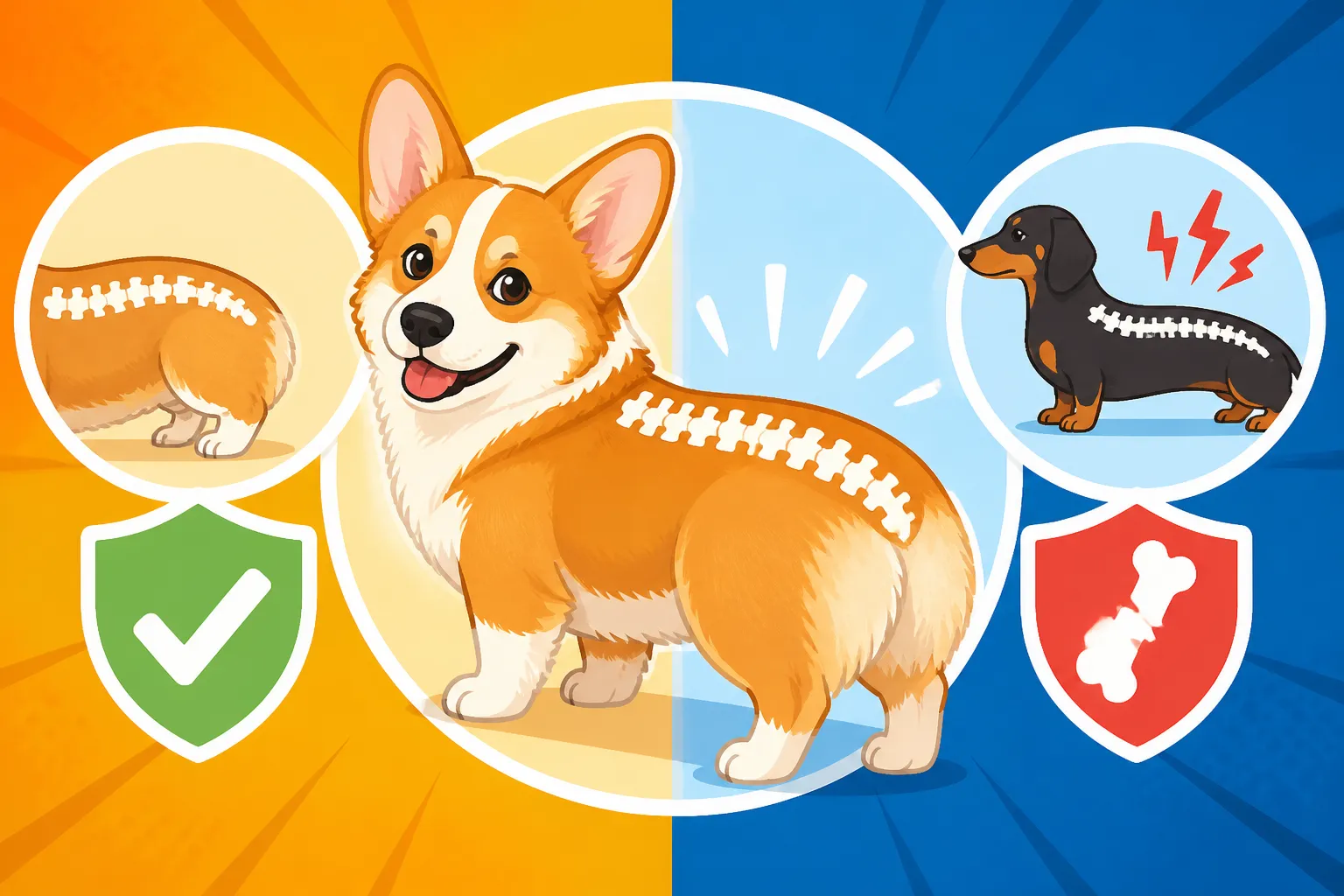
When you look at a Corgi and a Dachshund, their long backs and short legs immediately stand out. This distinctive body shape isn't just for looks; it's a direct result of a genetic trait called chondrodystrophy. While it gives them their charming low-rider appearance, it also comes with a predisposition to certain spinal issues. However, despite this shared characteristic, there are subtle but important distinctions in how this affects their spines and overall back health.
Chondrodystrophy: A Shared Predisposition
Chondrodystrophy is a fancy word for a disorder of cartilage development, which in turn leads to abnormally short limbs. Both Corgis and Dachshunds carry this gene, and it impacts the structure of their intervertebral discs. These discs act as cushions between the vertebrae, allowing for flexibility and absorbing shock. In chondrodystrophic breeds, these discs can undergo premature degeneration, leading to a condition known as Intervertebral Disc Disease (IVDD).
Imagine the discs in your dog's spine like jelly donuts. In a healthy spine, the jelly (nucleus pulposus) is soft and resilient, and the donut (annulus fibrosus) is strong and fibrous, holding everything in place. In a dog with chondrodystrophy, these "jelly donuts" can start to harden prematurely. Instead of remaining pliable, the jelly can become calcified and brittle. This means they're not as good at absorbing impacts, and they're much more prone to rupturing or bulging out. When this happens, they can press on the spinal cord, causing immense pain, nerve damage, and potentially paralysis. This is a common and terrifying reality for many owners of these breeds, and it's why understanding What Chondrodystrophy Means for a Corgi is so vital.
Subtle Structural Differences and Their Impact
While both breeds share chondrodystrophy, their overall build and musculature can slightly influence how their spines handle stress. Dachshunds are often bred to be exceptionally long-bodied relative to their height, sometimes with a more delicate, elongated spinal column. This extreme length, coupled with their often finer bone structure, can make their discs particularly vulnerable to sudden movements, twists, or impacts. Think of it like a very long, slender bridge – any concentrated stress point can be a weakness.
Corgis, particularly Pembroke Welsh Corgis, tend to have a more robust, sturdy build. While still long, their backs often appear broader, and they carry more muscle mass across their topline. This isn't to say their backs are "stronger" in the sense of being immune to disc problems, but the slightly different proportions and muscular support might offer a minuscule degree of added resilience in some cases compared to the more extreme elongation seen in some Dachshund lines. However, this is a nuanced point, and the underlying disc degeneration due to chondrodystrophy remains the primary concern for both. The common Corgi back is still a structure that needs careful handling, and even the smallest jump off a sofa can contribute to injury. Many owners find themselves grappling with the question of Whether a Corgi Should Ever Jump Off a Sofa.
The Specific Back Conditions Affecting Corgis vs. Dachshunds
Both Corgis and Dachshunds are indeed highly susceptible to debilitating back problems. However, the type of primary spinal concern differs significantly, adding a layer of complexity for Corgi owners. While IVDD is a major threat to both, Corgis carry an additional, heartbreaking risk that Dachshunds typically do not.
Intervertebral Disc Disease (IVDD): A Shared Burden
IVDD is the most prevalent back problem for both Corgis and Dachshunds. As mentioned, their chondrodystrophic genes lead to the premature degeneration of intervertebral discs. This can manifest in two main ways:
- Type I IVDD: This is the more acute and dramatic form, often seen in younger dogs (typically 3-7 years old, though it can happen earlier or later). The brittle, calcified disc ruptures or "herniates" suddenly, spilling its contents into the spinal canal and compressing the spinal cord. This can happen during a seemingly innocuous movement – a jump, a twist, or even just running. The onset is usually sudden, causing intense pain, weakness, and often paralysis in the hind limbs. It's truly terrifying when your dog suddenly can't walk, and recognizing Emergency Signs of a Corgi Disc Injury is paramount.
- Type II IVDD: This type is more chronic and insidious, where the outer fibrous layer of the disc bulges or protrudes into the spinal canal slowly over time. It typically affects older dogs and causes more gradual signs of pain, weakness, and neurological deficits. While less dramatic than Type I, it can still lead to significant discomfort and mobility issues.
The severity of IVDD depends on the degree of spinal cord compression. Symptoms can range from mild back pain and reluctance to move, to knuckling over, weakness in the hind legs, loss of coordination, and in severe cases, complete paralysis and loss of bladder/bowel control. Both Corgis and Dachshunds require immediate veterinary attention if IVDD is suspected, as early intervention can significantly improve outcomes.
Degenerative Myelopathy (DM) in Corgis: A Distinctive Threat
Here's where the paths diverge significantly. While Dachshunds are thankfully not typically affected by Degenerative Myelopathy (DM), it is a serious, progressive neurological disease that sadly affects a significant number of Pembroke Welsh Corgis. DM is an inherited condition that targets the white matter of the spinal cord, leading to a slow but relentless deterioration of nerve fibers. It's often compared to ALS in humans.
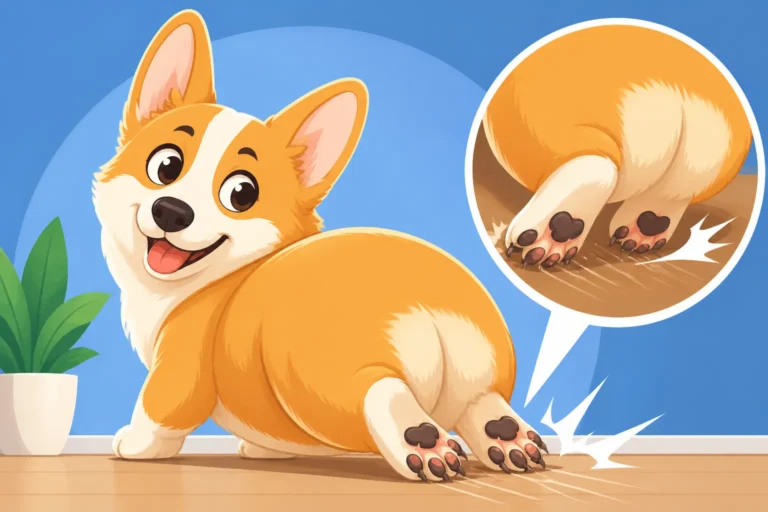
Unlike IVDD, which is a structural problem of the discs, DM is a neurological disease affecting the nerves themselves. The terrifying thing about DM is that it’s not painful in its early stages. The first signs are usually subtle hind limb weakness, scuffing of the back nails, or a slight wobble when walking. These signs often mimic arthritis or a mild disc issue, making diagnosis challenging. However, DM progresses inevitably, eventually leading to complete paralysis of the hind limbs, then the front limbs, and eventually affecting breathing. Knowing The First Signs of DM in a Corgi can help owners prepare and support their dogs.
A key difference is that DM is a genetic disease, identified by a specific gene mutation (SOD1). This means responsible Corgi breeders can and should perform DNA testing to reduce the incidence of DM in future generations. Dachshunds do not carry this mutation. This genetic predisposition means that while a Dachshund owner's primary back worry is IVDD, a Corgi owner faces a dual threat, potentially having to distinguish between Telling a Corgi's Slipped Disc From Myelopathy.
Here's a quick comparison of the two breeds regarding back issues:
| Feature | Corgi (Pembroke Welsh) | Dachshund (Standard & Miniature) |
|---|---|---|
| Chondrodystrophy | Yes, highly prevalent | Yes, highly prevalent |
| Primary IVDD Risk | High | Very High (often considered the poster child for IVDD) |
| Degenerative Myelopathy | High risk, inherited neurological disease | Not typically affected |
| Typical Onset of Back Issues | IVDD: 3-8 years; DM: 8+ years (though can be earlier) | IVDD: 3-7 years |
| Progression of Symptoms | IVDD: Sudden or gradual; DM: Inevitably progressive | IVDD: Sudden or gradual |
| Pain Associated | IVDD: Usually painful; DM: Not painful in early stages | IVDD: Usually painful |
| Genetic Testing Available | Yes, for DM (SOD1 gene) | No specific genetic test for IVDD predisposition, but research ongoing |
Mitigating Risk Factors and Proactive Prevention
Given the dual threats Corgis face with IVDD and DM, and the significant IVDD risk for Dachshunds, proactive prevention and management are not just helpful, they are absolutely crucial. While we can't completely eliminate genetic predispositions, we can certainly reduce the likelihood and severity of back problems for our beloved companions.
Weight Management and Safe Exercise Practices
Excess weight is arguably one of the biggest preventable risk factors for both IVDD and exacerbating DM symptoms. Imagine carrying a backpack filled with bricks all day – that’s what extra pounds feel like on an already compromised spine. For a Corgi, Why Corgi Weight Is a Spinal Problem cannot be overstated. Every extra pound puts undue stress on those fragile discs, increasing the chance of a rupture.
- Calorie Control: It's tough when they give you those puppy-dog eyes, but strict portion control is essential. Measure their food precisely and avoid free-feeding. Treats should be healthy and given sparingly, or better yet, use a portion of their daily kibble as rewards.
- Regular, Controlled Exercise: While intense, high-impact activities should be avoided, regular, moderate exercise is vital for maintaining muscle tone and a healthy weight. Think leash walks, gentle swimming, or playing fetch on flat, even surfaces. Avoid activities that involve repetitive jumping, twisting, or sharp turns, such as agility without proper modification or leaping off furniture. Many Corgi owners invest in ramps and steps to help their dogs navigate furniture and vehicles safely, understanding that Ramps and Steps That Save a Corgi's Back are not a luxury, but a necessity.
- Environmental Adjustments: Smooth, slippery floors can be a major hazard. Consider runners or rugs to provide traction, especially in high-traffic areas. This prevents slips and falls that can twist or jar the spine.
Genetic Screening and Responsible Breeding
For Corgis, genetic screening plays a profound role in reducing the incidence of Degenerative Myelopathy. Reputable breeders are committed to ethical practices, and this includes testing their breeding stock.
- DM Testing for Corgis: Before purchasing a Corgi puppy, ask to see the parents' DNA test results for the SOD1 gene. The results will typically be "Clear," "Carrier," or "At-Risk." A "Clear" dog has two normal copies of the gene. A "Carrier" has one normal and one mutated copy. An "At-Risk" dog has two copies of the mutated gene and has a very high probability of developing DM in their lifetime. While Carrier dogs typically don't develop DM themselves, breeding two Carriers can produce At-Risk puppies. Reputable breeders will only breed a Carrier to a Clear dog to ensure no At-Risk puppies are produced. This diligence is why The DNA Tests a Corgi Breeder Should Run is a critical piece of information for prospective owners.
- IVDD Screening: While there isn't a simple DNA test for IVDD susceptibility as there is for DM, ethical breeders for both Corgis and Dachshunds will often perform health checks and X-rays on breeding animals to look for signs of disc calcification. While not definitive, it can help make informed breeding decisions. They also prioritize dogs with good overall conformation and stable temperaments. Always look for a breeder who is transparent about health testing and willing to discuss potential health concerns openly.
The Value of Pet Insurance
Let's be real, treating back issues in either a Corgi or a Dachshund can be incredibly expensive. From emergency vet visits to MRIs, surgery, and long-term rehabilitation, the costs can quickly climb into the thousands. This is where pet insurance can be a true lifeline. Companies like Healthy Paws offer comprehensive plans that can cover a significant portion of these unexpected expenses.
- Financial Peace of Mind: Knowing you have financial support allows you to make medical decisions based on what's best for your dog, rather than being solely driven by cost.
- Coverage for Accidents and Illnesses: Policies from providers like Healthy Paws typically cover a wide range of conditions, including IVDD. It's crucial to enroll your Corgi early, ideally before any signs of back trouble appear. Once a condition like IVDD manifests, it can be classified as a pre-existing condition, which most insurance policies will not cover. So, Insuring a Corgi Before Its First Back Episode is a smart, forward-thinking move.
- Rehabilitation Costs: Often, recovery from spinal surgery or severe IVDD requires physical therapy, hydrotherapy, or acupuncture. Many Healthy Paws plans cover these crucial rehabilitation costs, helping your dog regain mobility and quality of life.
Diagnosis and Management of Corgi Back Problems
Dealing with a Corgi experiencing back problems can be incredibly distressing. The sudden onset of pain or the slow decline in mobility leaves owners feeling helpless. Knowing what to look for and what to expect during diagnosis and treatment can empower you to advocate for your furry friend.
Recognizing Early Signs and Seeking Veterinary Care
The key to better outcomes for both IVDD and DM is early detection and intervention. Because Corgis are so stoic, they may not always vocalize their pain explicitly. You need to be vigilant for subtle changes in behavior and movement.
- Subtle Behavioral Changes: Your Corgi might become withdrawn, less enthusiastic about walks, or reluctant to jump or use stairs. They might seem hesitant to move, or cry out when picked up or when trying to get comfortable. Sometimes, they'll show a decreased appetite or avoid their favorite activities.
- Changes in Gait: Look for stumbling, wobbling, or a drunken-like walk in their hindquarters. They might start "knuckling over" on their back paws, where the top of their foot drags instead of the pad. Dragging one or both back feet, often indicated by worn toenails on one side, is another red flag. Some owners describe their Corgi walking as if they are drunk or as if their back legs are crossing over.
- Physical Signs: A hunched back, muscle spasms, or sensitivity when you touch their spine are clear indicators of pain. In severe IVDD cases, your dog might suddenly lose the ability to move their hind legs or lose bladder and bowel control. If you notice A Corgi That Scuffs Its Back Nails or any other sudden change, don't wait. Contact your veterinarian immediately.
Upon suspecting a back issue, your vet will perform a thorough neurological exam. This will include checking reflexes, pain response, and proprioception (awareness of paw position). To get a definitive diagnosis, especially for IVDD, imaging is usually required. X-rays can show some changes, but a Myelogram, CT scan, or MRI (Magnetic Resonance Imaging) are the gold standard for visualizing disc compressions and identifying the exact location and severity of the problem. For DM, a definitive diagnosis often relies on ruling out other conditions and a genetic test, though confirmation usually requires a post-mortem spinal examination.
Treatment Options: From Conservative Management to Surgery
The treatment plan for a Corgi's back problem depends heavily on the diagnosis, severity, and the individual dog's condition.
- Conservative Management: For mild IVDD cases, or when surgery isn't an option, conservative management is often recommended. This typically involves strict crate rest for several weeks – often 4 to 6 weeks. This means no running, jumping, stairs, or even long walks, only short trips outside for potty breaks, carried if necessary. This sounds simple but can be incredibly challenging to enforce with an active Corgi, making Six Weeks of Crate Rest With a Corgi a true test of patience and dedication. Alongside rest, anti-inflammatory medications and pain relievers are prescribed to reduce swelling and manage discomfort. Muscle relaxants may also be used.
- Surgical Intervention: For severe IVDD cases, especially those involving paralysis or significant neurological deficits, emergency surgery is often the best course of action. A veterinary neurologist or surgeon will perform a procedure (like a hemilaminectomy) to remove the herniated disc material and relieve pressure on the spinal cord. This is a delicate and expensive procedure, but it offers the best chance for recovery in many severe cases. Recovery after surgery is a long road, often involving several weeks of strict rest followed by physical rehabilitation.
- Rehabilitation and Support: Whether your Corgi undergoes surgery or conservative management, physical therapy and rehabilitation are critical for a full recovery and to prevent recurrence. This can include hydrotherapy (underwater treadmill), laser therapy, acupuncture, and therapeutic exercises to rebuild muscle strength and coordination. For Corgis with DM, while there's no cure, supportive care like physiotherapy and mobility aids can significantly improve their quality of life as the disease progresses. Physiotherapy for a Corgi Losing Its Legs can help maintain muscle mass and prevent secondary complications.
- Mobility Aids: For Corgis dealing with chronic weakness or paralysis, whether from severe IVDD or advanced DM, mobility aids like slings and custom wheelchairs can provide incredible support and allow them to continue to enjoy life. Seeing your Corgi zoom around in a cart after losing the use of their hind legs is truly heartwarming and reminds you of their incredible resilience.
Healthy Paws, and other pet insurance providers, can be invaluable during these challenging times. The cost of an MRI can easily run into thousands of dollars, and surgery can be many more thousands. Follow-up appointments, medications, and rehabilitation can further add up. Having a good insurance policy in place means you can focus on your Corgi's health without the added stress of overwhelming vet bills.
Living With a Corgi's Back Needs
The reality is that owning a Corgi means being mindful of their back health throughout their lives. It's not about treating them like they're made of glass, but rather about making informed choices and creating an environment that supports their unique anatomy.
Creating a Spine-Safe Home Environment
Your home environment plays a huge role in protecting your Corgi's back. This isn't just for puppies, but for adult and senior Corgis as well.
- No-Jump Zones: This is probably the biggest piece of advice. Block access to furniture they might jump off, or better yet, provide ramps or doggy steps for sofas and beds. For cars, use a ramp to help them get in and out, rather than lifting them or letting them jump. Even a small drop can create significant force on their spine.
- Traction Control: Hardwood, tile, and laminate floors can be incredibly slippery. Invest in area rugs, runners, or even non-slip socks for your Corgi to provide better grip. This prevents those sudden slips and splits that can injure their back.
- Supportive Beds: Ensure your Corgi has a comfortable, orthopedic bed that supports their entire body without sagging. This helps keep their spine aligned while they rest.
- Carrying Techniques: When you do need to pick up your Corgi, always support their entire body, from chest to hindquarters, to keep their spine straight and prevent twisting. Avoid picking them up solely by the front legs or under the armpits.
Remember, a Corgi's body structure is intrinsically linked to their health. While we adore their low-rider stature, it does come with a responsibility to understand and mitigate potential risks. For those considering getting a Corgi, especially those living in apartments or without extensive outdoor space, it's wise to consider Whether a Corgi Is Affordable Without a Yard and the environmental modifications needed.
Ongoing Care and Monitoring
Even after an acute episode, ongoing care and vigilant monitoring are essential. Regular vet check-ups are important, and if your Corgi has a history of back issues, discussing a proactive spine screening with your vet as they age, perhaps starting around age 7 or 8, might be beneficial. Your veterinarian can advise on appropriate exercises, diet adjustments, and supplements that might support joint and spinal health.
As they age, even Corgis that have never had a severe disc issue can develop more subtle signs of back pain or stiffness. This could be due to more chronic, low-grade disc degeneration or early signs of DM. Being attuned to these changes allows for earlier intervention and a better quality of life for your aging companion.
The Verdict: Fragile, But Differently
So, is a Corgi's back as fragile as a Dachshund's? The answer is nuanced, but largely, yes, Corgi backs are equally, if not more, susceptible to serious and debilitating problems, though the types of problems can differ.
- Shared IVDD Risk: Both breeds are highly, highly prone to IVDD due to their chondrodystrophic genetics. A disc rupture in a Corgi is just as serious, painful, and potentially paralyzing as it is in a Dachshund. In this regard, their backs share a significant fragility.
- Corgi's Unique DM Risk: The added vulnerability of Degenerative Myelopathy in Corgis introduces another layer of "fragility" that Dachshunds typically don't face. DM is a progressive, incurable neurological disease that slowly robs a dog of their mobility, a truly heartbreaking reality for Corgi families.
Therefore, while a Dachshund might be the poster child for IVDD, a Corgi owner must contend with both the very real threat of IVDD and the specter of DM. This dual predisposition arguably makes a Corgi's back more complex and uniquely vulnerable than even a Dachshund's, requiring comprehensive preventative care and a thorough understanding of both conditions. The common perception of fragility in Dachshunds should serve as a stark warning and a call to action for every Corgi owner to be proactive, vigilant, and prepared for their beloved companion's spinal health journey.
Disclaimer
The information provided in this article is for general informational purposes only and is not intended as a substitute for professional veterinary advice. Always consult with a qualified veterinarian or veterinary specialist for any health concerns or before making any decisions related to your Corgi's health and treatment.