Whether a Clear Corgi Can Still Get DM
It’s truly disheartening when you’ve done everything right: you chose a reputable Corgi breeder, you understood the importance of genetic testing, and you received a clear bill of health for your beloved companion regarding Degenerative Myelopathy. But then, as they age, you start seeing those familiar stumbles, the hind leg weakness, and the scuffing nails, sending a wave of panic and confusion through you. This guide is here to unravel the complex truth behind DM testing and explain why, even if your Corgi is "DM clear," similar symptoms can still arise due to other common Corgi health challenges.
Understanding Degenerative Myelopathy and Genetic Testing
The journey to understanding your Corgi's health often begins with genetics, especially concerning conditions like Degenerative Myelopathy (DM). When a breeder provides genetic test results, it gives you a snapshot of your dog's predisposition to certain inherited diseases. But what exactly does "DM clear" truly signify, and what are its boundaries?
What it Means to Be "DM Clear"
When your Corgi is declared "DM clear," it means they have tested negative for the specific genetic mutation in the SOD1 gene that is strongly associated with Degenerative Myelopathy. This gene, Superoxide Dismutase 1, plays a critical role, and a mutation can lead to the breakdown of nerve cells in the spinal cord, causing progressive weakness and paralysis, typically in the hind limbs.
To break it down further, genetic testing for DM usually categorizes Corgis into three groups:
- Clear (N/N): This is the gold standard. Your Corgi has two normal copies of the SOD1 gene, meaning they are extremely unlikely to develop DM related to this specific mutation. They also cannot pass the mutated gene on to their offspring.
- Carrier (N/A): These Corgis have one normal copy and one mutated copy of the SOD1 gene. While they are unlikely to develop DM themselves (though it's not impossible, especially later in life), they can pass the mutated gene to their puppies. For more on this, you might find insight in our article on Why a Corgi Carrying the DM Gene Usually Stays Well.
- At-Risk (A/A): These Corgis have two copies of the mutated SOD1 gene, making them genetically predisposed to developing DM. However, it's crucial to understand that "at-risk" doesn't mean they will definitely develop the disease, or that it will necessarily shorten their The Twelve to Fifteen Year Corgi Lifespan. Some at-risk Corgis live long, healthy lives without ever showing symptoms of DM, which is a key topic in How Few Corgis Actually Develop DM.
So, when your Corgi is N/N, you breathe a sigh of relief. It means the primary genetic risk factor for DM has been ruled out, which is a fantastic start for any Corgi owner and speaks volumes about a responsible breeder's efforts to reduce hereditary disease in the breed.
The Limitations of Genetic Testing for DM
While receiving a "DM clear" result is incredibly reassuring, it's vital to grasp that genetic testing, for all its advancements, is not a crystal ball for all potential health issues. The test specifically identifies the known SOD1 mutation. It doesn't screen for every conceivable neurological condition or age-related ailment that could affect your Corgi's spinal cord or mobility.
Think of it this way: a "clear" result means your Corgi doesn't have that specific genetic vulnerability to DM. It does not mean they are immune to all other forms of spinal degeneration, nerve damage, or conditions that might present with very similar symptoms. There are numerous other diseases and injuries that can mimic the clinical signs of DM, leading to hind end weakness, ataxia (uncoordinated gait), and even paralysis.
Moreover, DM is often a diagnosis of exclusion in living dogs. This means veterinarians typically rule out all other possible causes for a Corgi's neurological symptoms before settling on a DM diagnosis. The genetic test helps confirm a predisposition, but a definitive diagnosis of DM typically requires a post-mortem examination to confirm the characteristic spinal cord lesions. So, while your clear Corgi won't develop genetic DM, they could develop something else that looks very much like it, making the diagnostic journey just as challenging.
When "DM Clear" Corgis Show Similar Symptoms
This is where the confusion and heartbreak often set in for Corgi owners. You have a "DM clear" dog, yet you're observing symptoms that align suspiciously with descriptions of Degenerative Myelopathy. It's not a medical anomaly; it's a stark reminder that our Corgis, despite their charmingly robust appearance, are prone to other significant health challenges, particularly those affecting their backs and mobility.
Other Neurological Conditions Mimicking DM
For Corgis, with their signature long backs and short legs, the spine is always a point of vulnerability. This unique body structure, while adorable, predisposes them to a variety of conditions that can easily be mistaken for DM, especially by an untrained eye.
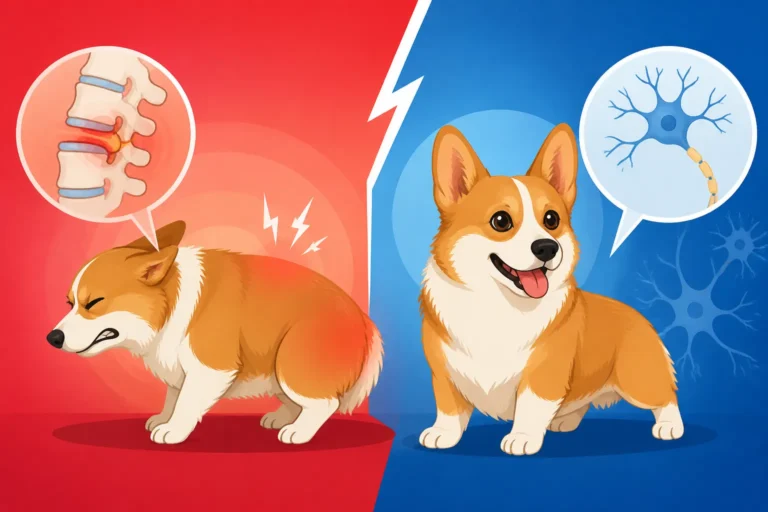
Let’s talk about the big one for Corgis: Intervertebral Disc Disease (IVDD). This condition is rampant in breeds like Corgis because of their chondrodystrophic (dwarfism) genes, which affect cartilage development. Essentially, the discs that cushion the vertebrae in their spine can harden and rupture or bulge, pressing on the spinal cord. The symptoms can mirror DM almost perfectly: sudden or gradual weakness, wobbliness, an uncoordinated gait, reluctance to move, pain (which is a key differentiator from DM, as DM is not painful), and in severe cases, paralysis. It’s a terrifying experience, and often owners rush to conclusions about DM when IVDD is the true culprit. Our detailed piece on Disc Disease in a Long-Backed Corgi delves deeper into this issue. Knowing how to differentiate can be critical, as discussed in Telling a Corgi's Slipped Disc From Myelopathy.
Beyond IVDD, other conditions can also present a similar clinical picture:
- Cervical Spondylomyelopathy (Wobbler Syndrome): While less common in Corgis than IVDD, this condition involves compression of the spinal cord and nerve roots in the neck region. It can lead to a wobbly gait, particularly in the hind limbs, and general weakness, sometimes making it appear as if the dog is struggling with their back end, even if the primary issue is in their neck.
- Fibrocartilaginous Embolism (FCE): This is a sudden and non-progressive spinal cord stroke. It often occurs during strenuous activity, where a tiny piece of fibrous cartilage breaks off a disc and blocks a blood vessel in the spinal cord. The onset is usually acute, leading to sudden pain followed by weakness or paralysis, typically on one side or in one limb, though it can affect both hind limbs. While terrifying, many dogs can recover significantly with physical therapy.
- Polyneuropathy: This is a general term for a disorder affecting multiple peripheral nerves. It can result in generalized weakness, muscle wasting, and exercise intolerance. These symptoms can sometimes be mistaken for the progressive weakness seen in DM.
- Lumbosacral Stenosis (Cauda Equina Syndrome): This condition affects the lower back, where the spinal canal narrows, compressing the nerve roots in the lumbosacral region. It can cause pain, weakness, difficulty jumping, and sometimes incontinence. It typically affects older dogs and can mimic the hind end weakness of DM. Screening an Older Corgi's Spine can help identify such issues early.
The Role of Aging and Other Health Factors
Even if your Corgi avoids specific neurological diseases, the natural process of aging brings its own set of challenges that can mimic the early signs of DM. As Corgis get older, typically past The Age Corgi Myelopathy Usually Starts (which is usually around 8-10 years for DM), their bodies, like ours, begin to show wear and tear.
- Arthritis and Joint Degeneration: Arthritis is incredibly common in older dogs, especially in the hips and knees of a breed like the Corgi, whose low-slung body puts extra strain on joints. This can lead to stiffness, pain, reluctance to move, and a visible weakness or instability in the hind legs, easily mistaken for a neurological problem. They might start to scuff their nails or appear wobbly.
- Muscle Atrophy: With age and decreased activity, dogs naturally lose muscle mass, particularly in their hindquarters. This can contribute to general weakness and make their gait less steady.
- Obesity: This is a silent killer for many Corgis and a massive contributor to spinal problems. Even a few extra pounds can put tremendous strain on their long backs and joints, exacerbating IVDD, arthritis, and overall mobility issues. An overweight Corgi might move less, develop stiff joints, and appear weak in the hind end, symptoms that could be confused with DM. This is why Why Corgi Weight Is a Spinal Problem is such an important read.
- General Systemic Illnesses: Other health problems, such as heart disease, kidney disease, or endocrine disorders like Cushing's disease, can also manifest as generalized weakness, lethargy, and reduced mobility in older dogs, making it harder to pinpoint the exact cause of their struggles without a thorough veterinary workup.
The key takeaway here is that while your Corgi might be genetically clear of DM, their body is still susceptible to the ravages of time, gravity, and the inherent structural challenges of their breed. Regular veterinary check-ups become even more crucial as they age, helping to differentiate between these various conditions and ensuring accurate diagnosis and timely intervention.
Protecting Your Corgi's Spinal Health and Mobility
Knowing that your DM-clear Corgi can still face debilitating spinal and mobility issues might feel overwhelming. But it also empowers you to take proactive steps to protect them. Prevention and early intervention are your best allies in ensuring a long, comfortable life for your companion.
Proactive Care and Environmental Management
Living with a Corgi means being hyper-aware of their unique physical needs, particularly concerning their back. Their long bodies and short legs, while endearing, require us to be vigilant architects of their environment and daily routines.
Firstly, weight management is paramount. Every extra pound on a Corgi's frame is a pound that strains their already vulnerable spine and joints. Work with your veterinarian to establish an ideal weight for your Corgi and stick to a strict feeding plan. Measure their food precisely, and factor in treats as part of their daily caloric intake. This simple step can dramatically reduce the risk of IVDD and alleviate pressure on arthritic joints.
Secondly, appropriate exercise is key. Corgis are active herding dogs, not sedentary couch potatoes, but their exercise needs to be managed carefully. Avoid high-impact activities like jumping off furniture, vigorous dog park wrestling with much larger dogs, or excessive stair climbing. Focus instead on controlled walks on a leash, gentle games of fetch on level ground, and mental stimulation through training or puzzle toys. These activities help build strong core muscles that support the spine without putting it at undue risk. If you notice The First Signs of DM in a Corgi or other mobility issues, consulting with a vet for appropriate exercise modifications is crucial.
Environmental modifications are non-negotiable for Corgi owners. Ramps and steps should be installed wherever your Corgi might be tempted to jump – onto and off sofas, beds, and into/out of the car. This eliminates the sudden, jarring impact that can lead to disc ruptures. Our article on Ramps and Steps That Save a Corgi's Back offers excellent guidance. Additionally, consider non-slip runners or rugs on hardwood or tile floors to provide better traction, preventing slips and falls that can also injure their backs.
Finally, invest in supportive beds. As Corgis age, orthopedic beds can provide crucial cushioning and support for their joints and spine, promoting comfortable rest and reducing stiffness. Always ensure they have a comfortable, firm place to rest that supports their entire body evenly. For walks, always use a harness that distributes pressure across their chest and shoulders, rather than a collar that can strain their neck and exacerbate any underlying spinal issues.
Early Detection and Veterinary Intervention
Despite your best efforts, health issues can still arise. Knowing what signs to look for and when to seek professional help is critical for managing any spinal or neurological condition your Corgi might face.
Be observant of any changes in your Corgi's gait or behavior. Are they:
- Scuffing their back nails?
- Wobbly or uncoordinated in their hindquarters?
- Reluctant to jump, climb stairs, or even get up from a lying position?
- Showing signs of pain, such as crying when lifted, arching their back, or shivering?
- Having accidents in the house (which could indicate nerve compression affecting bladder/bowel control, common in severe IVDD or DM)?
These symptoms, whether pointing to DM, IVDD, or another condition, warrant immediate veterinary attention. Don't wait. The sooner a problem is identified, the better the prognosis for many spinal injuries, especially IVDD.
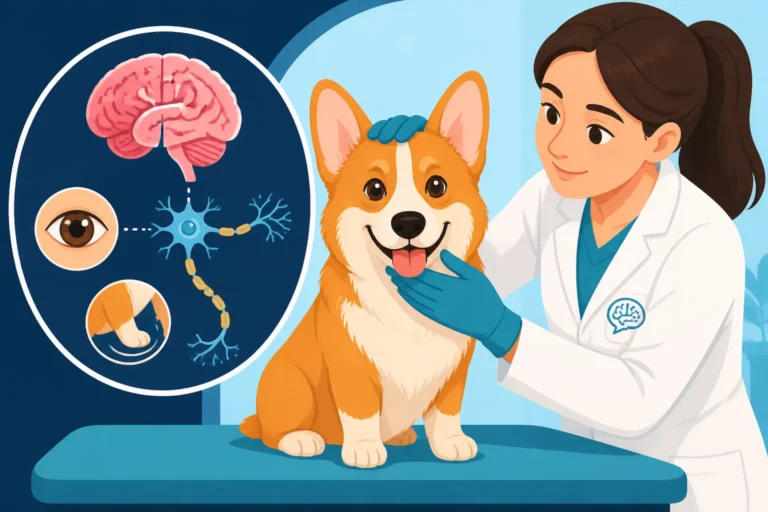
Your veterinarian will perform a thorough neurological exam, which includes checking reflexes, muscle tone, and proprioception (the awareness of limb position). To get a clear picture of what's happening internally, they might recommend diagnostic imaging. While X-rays can show bone changes, an MRI (Magnetic Resonance Imaging) is the gold standard for visualizing soft tissues like spinal discs and the spinal cord, making it essential for diagnosing IVDD. An MRI can definitively show a disc rupture or compression that X-rays might miss, which is crucial for determining the best course of treatment. Learning What an MRI Shows in a Corgi Back can help you understand this process.
Based on the diagnosis, treatment options can range from conservative management (strict crate rest, pain medication, anti-inflammatories, physical therapy) to surgical intervention (for severe IVDD). For conditions that cause progressive weakness, like DM, supportive care such as Physiotherapy for a Corgi Losing Its Legs and mobility aids like harnesses or even wheelchairs can significantly improve their quality of life.
Living with a Corgi and Unforeseen Health Challenges
Even with all the preventative measures and genetic testing, the reality of dog ownership means facing health challenges. The emotional and financial toll can be considerable, especially when symptoms don't align with what you initially expected.
The Emotional Toll of Misdiagnosis and Uncertainty
It's absolutely heartbreaking to see your Corgi struggling, especially when you've done your due diligence in choosing a "DM clear" puppy. The initial panic of seeing hind-end weakness can lead to immense frustration and confusion. You might think, "But he's clear! How can this be happening?" This emotional rollercoaster is entirely valid. The fear of a debilitating, untreatable condition like DM, even if it's eventually ruled out, can weigh heavily on a pet parent's heart.
The diagnostic process itself can be grueling, involving multiple vet visits, specialist referrals (a veterinary neurologist is often key in these cases), and expensive tests. Waiting for results, or for conservative treatment to show results, feels like an eternity. This period of uncertainty can be incredibly stressful, both for you and your Corgi.
It's crucial during this time to advocate for your dog, ask questions, and seek second opinions if you're not comfortable with a diagnosis or treatment plan. Work closely with your veterinary team, particularly if they recommend a neurological specialist, as they have the expertise to differentiate between complex conditions that present similarly. Once a definitive diagnosis, whether it's IVDD, a nerve issue, or severe arthritis, is made, there's often a sense of relief, even if the road ahead is challenging. Knowing what you're fighting allows you to focus on the how of treatment and supportive care.
The Importance of Comprehensive Pet Insurance
This is where planning ahead can truly make a difference, not just for your Corgi's health but for your peace of mind. Veterinary care for spinal and neurological conditions can be incredibly expensive. An MRI can run into thousands of dollars, specialist consultations are not cheap, and surgery for IVDD can easily cost upwards of $5,000 to $10,000, not including post-operative care and rehabilitation. These are not small numbers, and they can force owners into agonizing decisions.
This is precisely why comprehensive pet insurance, like that offered by providers such as Healthy Paws, is so vital. Enrolling your Corgi when they are young and healthy means that conditions that arise later in life – including IVDD, arthritis, or other unforeseen neurological issues – will likely be covered (provided they are not considered pre-existing conditions).
It’s important to understand that while a DM diagnosis itself (as a specific genetic disease) might have particular clauses or be excluded by some insurers if genetic testing wasn't done, or if symptoms appeared before enrollment, other conditions causing similar symptoms, such as IVDD, FCE, or severe arthritis, are generally covered by accident and illness policies. This can encompass the costs of diagnostics (like that critical MRI), medication, surgery, and even physical therapy or hydrotherapy sessions. Imagine the relief of knowing you can say "yes" to the best treatment options without being crushed by the financial burden.
Having a robust pet insurance plan in place means you can focus entirely on your Corgi's recovery and well-being, rather than agonizing over veterinary bills. It's an investment in your Corgi's future and your peace of mind, allowing you to provide the best possible care throughout their life, even when unexpected health challenges arise.
| Feature / Condition | Degenerative Myelopathy (DM) | Intervertebral Disc Disease (IVDD) |
|---|---|---|
| Cause | Genetic (SOD1 gene mutation) | Degeneration of spinal discs due to chondrodystrophy; often triggered by trauma/activity |
| Pain Level | Typically painless | Often very painful |
| Onset | Gradual, progressive | Can be sudden (acute) or gradual |
| Age of Onset | Usually 8-10+ years | Can occur at any age, common 3-7 years, but also in older dogs |
| Key Symptoms | Hind-end weakness, uncoordinated gait, scuffing nails, eventual paralysis; symmetrical | Pain, hind-end weakness/paralysis, reluctance to move, hunched back, crying out, incontinence; can be asymmetrical |
| Diagnosis | Genetic test (predisposition), neurological exam, diagnosis of exclusion, post-mortem confirmation | Neurological exam, X-rays (to rule out other bone issues), MRI/CT scan (definitive) |
| Progression | Always progressive and terminal | Can improve with rest/surgery, but recurrence is possible |
| Prevention | Selective breeding (testing parents), careful management of activity/weight (minimizing strain) | Weight management, avoiding jumping/stairs, ramps, supportive bedding |
Disclaimer
The information provided in this article is for general informational purposes only and is not a substitute for professional veterinary advice. Always consult with a qualified veterinarian or veterinary specialist for any health concerns or before making any decisions related to your Corgi's care.