How Breeders Cut the Corgi DM Rate
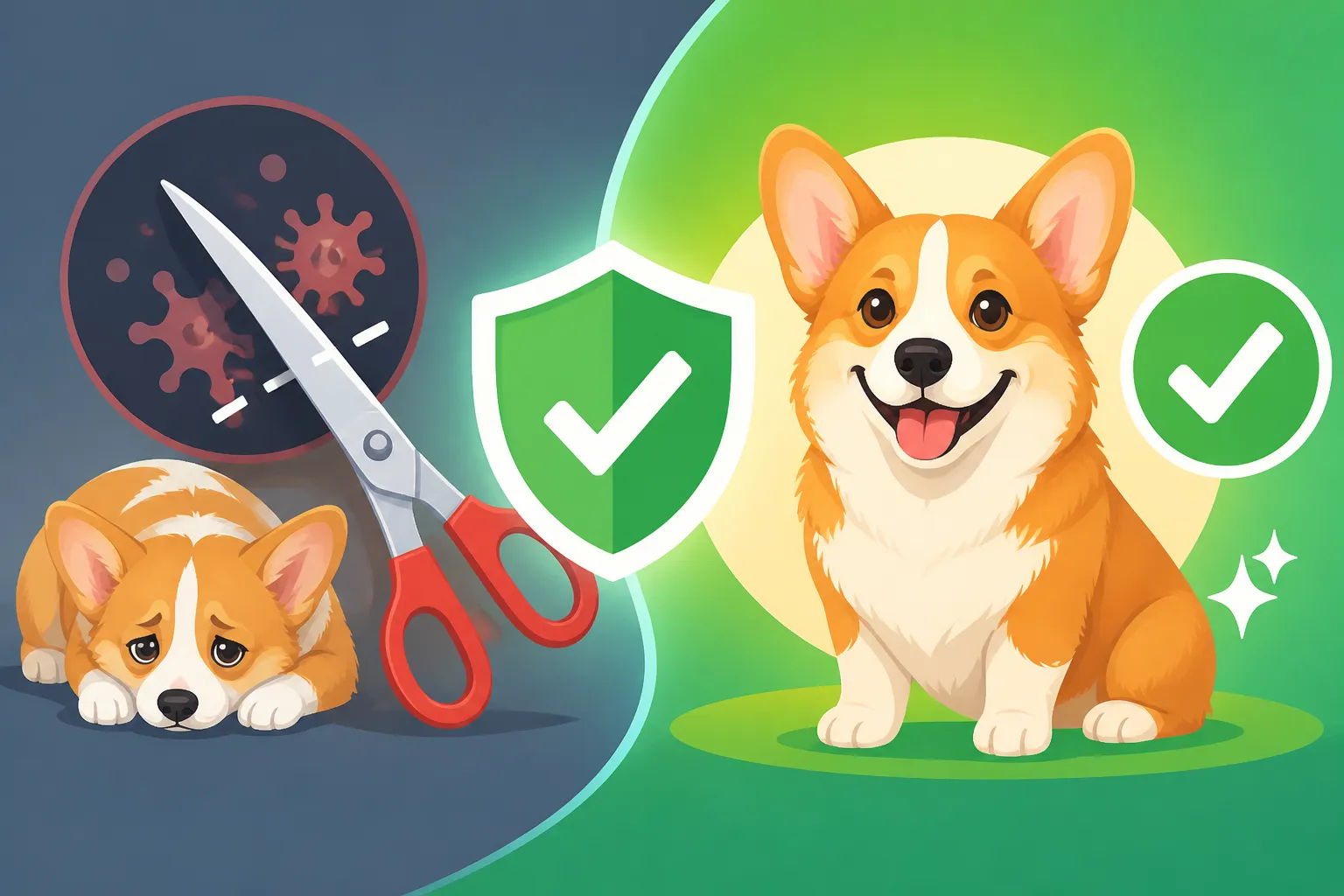
It's a gut-wrenching moment for any Corgi owner to hear the words "Degenerative Myelopathy" or even just think about the possibility of their beloved, low-riding companion developing this devastating disease. The worry is real, and the desire to protect our furry family members from this progressive neurological condition is paramount. This guide will walk you through the proactive and responsible steps breeders are taking to significantly reduce the incidence of Degenerative Myelopathy (DM) in Corgis, offering peace of mind and a healthier future for the breed.
Understanding Degenerative Myelopathy in Corgis
Degenerative Myelopathy, often abbreviated to DM, is a cruel, progressive neurological disease that affects the spinal cord in older dogs, leading to weakness and eventual paralysis of the hind limbs. For Corgi owners, the mere mention of it can send shivers down the spine, as our charming, stumpy-legged friends are known to be particularly susceptible. It’s not just a physical struggle for the dog; it’s an emotional and often financially burdensome journey for their human companions. The disease typically affects Corgis in their senior years, usually starting around 8 to 14 years of age, but the genetic predisposition is present from birth.
The Genetic Link to DM
At its heart, DM is a genetic condition caused by a mutation in the SOD1 gene. This gene is responsible for producing an enzyme that neutralizes free radicals in the body. When mutated, it leads to a breakdown of the protective myelin sheath around the nerves in the spinal cord, disrupting the communication between the brain and the limbs. Imagine a crucial electrical wire slowly losing its insulation; the signals get weaker and eventually stop. That’s what happens with DM.
The complexity lies in how this gene is inherited. Dogs can be "Clear" (N/N), meaning they don't have two copies of the mutated gene and won't develop DM due to this specific mutation. They can be "Carriers" (N/A), meaning they have one copy of the mutated gene but usually won't develop the disease themselves, though they can pass it on. Or they can be "At-Risk" (A/A), meaning they have two copies of the mutated gene and are genetically predisposed to developing DM. The tricky part is that being "At-Risk" doesn't guarantee a dog will develop DM; some live their entire lives without showing symptoms. This nuance is why understanding the genetic test results, as discussed in Reading a Corgi SOD1 Test Result, is so important for breeders and owners alike. It's a spectrum of risk, not a definitive sentence, which can be confusing and frustrating for those trying to make informed decisions.
Early Signs and Misdiagnosis
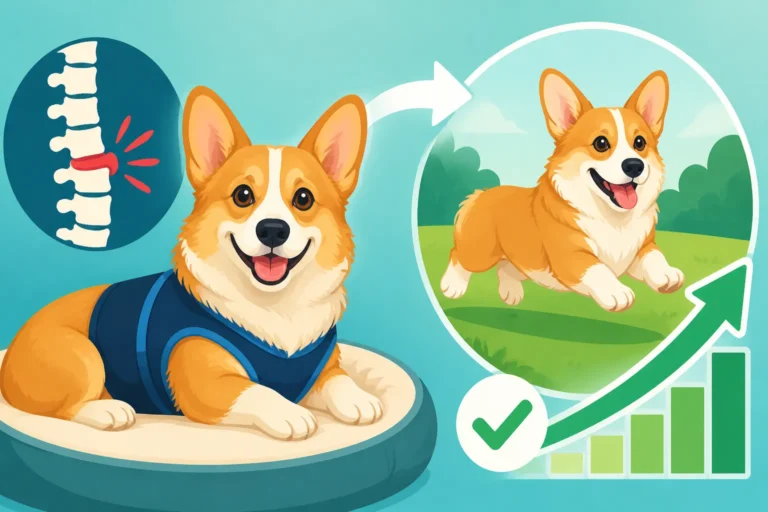
The initial signs of DM often manifest as subtle changes in gait: a slight weakness in the hind legs, a wobbly walk, or perhaps a tendency for the dog to scuff its back nails when walking. You might notice them having trouble getting up from a lying position, or struggling with stairs they once bounded up. These symptoms can be heartbreakingly similar to other common Corgi ailments, especially those related to their long backs, such as intervertebral disc disease (IVDD). It can be agonizing for owners to discern what’s truly happening, and getting an accurate diagnosis is crucial but challenging without a post-mortem exam to definitively confirm Corgi myelopathy. This diagnostic dilemma underscores the importance of genetic screening for breeders, as it provides a piece of the puzzle long before symptoms might ever appear. You might want to understand more about Telling a Corgi's Slipped Disc From Myelopathy to help you recognize the differences.
The Role of Genetic Testing in Reducing DM
For years, DM was a mystery, a heartbreaking disease that seemed to strike Corgis randomly, leaving owners feeling helpless. The advent of genetic testing for the SOD1 mutation revolutionized how responsible breeders approach Corgi health. This simple, non-invasive test has become an indispensable tool in the fight to reduce DM rates and offers clarity in an otherwise complex health landscape.
Understanding the DM Gene Test
The DM gene test, often conducted through a simple cheek swab or blood sample, identifies which version of the SOD1 gene a Corgi carries. The results classify a dog into one of three categories:
- N/N (Clear): These dogs do not carry the mutated gene. They will not develop DM due to this gene, nor will they pass the mutated gene to their offspring.
- N/A (Carrier): These dogs carry one copy of the mutated gene. They typically do not develop DM themselves, but they can pass the mutated gene to 50% of their offspring. This is where a lot of misunderstandings can arise; just because a dog is a carrier doesn't mean it's destined for illness, as we discussed in Why a Corgi Carrying the DM Gene Usually Stays Well.
- A/A (At-Risk): These dogs carry two copies of the mutated gene. They are genetically predisposed to developing DM, meaning they have a significantly higher chance of developing the disease in their lifetime, though it's still not a 100% guarantee. They will pass two copies of the mutated gene to all of their offspring.
Several reputable laboratories offer this testing, and many breeders register their results with organizations like the Orthopedic Foundation for Animals (OFA), making it easy for prospective puppy buyers to verify. You can learn more about Which Labs Run the Corgi DM Test to understand the options available.
Strategic Breeding Decisions Based on Results
Responsible breeders leverage these genetic test results to make informed, ethical breeding decisions. The primary goal is to avoid producing puppies that are "At-Risk" (A/A) for DM. This doesn't mean immediately removing all carrier dogs from the breeding pool, as that would drastically shrink the available gene pool and could introduce other genetic problems. Instead, it’s about strategic pairing.
Here's a simplified breakdown of breeding strategies:
| Dam's Genotype | Sire's Genotype | Expected Offspring (Approximate) | Breeding Recommendation |
|---|---|---|---|
| N/N (Clear) | N/N (Clear) | 100% N/N (Clear) | Ideal, reduces DM risk |
| N/N (Clear) | N/A (Carrier) | 50% N/N, 50% N/A | Acceptable, produces carriers, no at-risk |
| N/A (Carrier) | N/A (Carrier) | 25% N/N, 50% N/A, 25% A/A | Discouraged, produces at-risk puppies |
| N/N (Clear) | A/A (At-Risk) | 100% N/A (Carrier) | Acceptable if dog is exceptional, but all offspring are carriers |
| N/A (Carrier) | A/A (At-Risk) | 50% N/A, 50% A/A | Strongly Discouraged, produces at-risk puppies |
| A/A (At-Risk) | A/A (At-Risk) | 100% A/A (At-Risk) | Unethical, all offspring are at-risk |
This table clearly illustrates why pairing two carrier dogs (N/A x N/A) is generally avoided, as it carries a 25% chance of producing "At-Risk" puppies. The best scenario for reducing DM is to breed a "Clear" dog with another "Clear" dog. However, if a breeder has an exceptional Corgi that is a carrier and contributes positively to other aspects of the breed standard (temperament, conformation, other health clearances), they might choose to breed it with a "Clear" partner. This responsible approach ensures that while genetic diversity is maintained, the risk of producing affected puppies is minimized. Prospective owners should certainly ask about Whether a Corgi Puppy Should Be Screened for DM as part of their due diligence.
Ethical Breeding Practices and Responsible Selection
Cutting the Corgi DM rate isn't just about running a single genetic test. It's about a holistic approach to breeding that prioritizes the overall health, temperament, and longevity of the breed. Responsible breeders understand that while DM is a significant concern, it's one piece of a much larger health puzzle. Their commitment extends beyond a single gene to encompass a comprehensive selection process.
Beyond the DM Test: A Holistic Approach
While the SOD1 gene test is a powerful tool, it’s far from the only consideration for a truly responsible Corgi breeder. They invest time and resources into numerous other health screenings to ensure their breeding stock is as healthy as possible. These typically include:
- Hip and Elbow Dysplasia Screenings: Due to their chondrodystrophic (dwarf-like) build, Corgis can be prone to hip and elbow issues. Reputable breeders will have their dogs evaluated by organizations like OFA or PennHIP.
- Eye Examinations: Annual eye exams by a board-certified veterinary ophthalmologist (CERF/OFA Eye Certification) screen for conditions like Progressive Retinal Atrophy (PRA), which can lead to blindness.
- Von Willebrand's Disease (vWD): This is a common inherited bleeding disorder, and a DNA test can identify affected and carrier dogs.
- Cardiac Evaluations: Screening for heart conditions.
A comprehensive breeder will share results for all these tests readily, demonstrating their dedication to producing healthy puppies. You can learn more about The DNA Tests a Corgi Breeder Should Run to know what to look for. This multi-faceted approach means they aren’t just trying to avoid DM; they're striving for a well-rounded, healthy dog that will thrive for its entire lifespan.
Maintaining Genetic Diversity
One of the greatest challenges in breeding to eliminate a specific genetic disease like DM is doing so without inadvertently reducing genetic diversity too much. If every carrier dog were immediately removed from the breeding pool, the gene pool would shrink, potentially leading to an increase in other genetic problems down the line. It's a delicate balancing act.
Ethical breeders work to maintain genetic diversity by carefully selecting partners for their carrier dogs, ensuring those partners are "Clear" and bring strong, diverse lines to the pairing. This strategy allows them to continue valuable lines that might contribute other excellent traits while still moving towards a lower incidence of the DM mutation in future generations. Organizations like the Pembroke Welsh Corgi Club of America (PWCCA) provide resources and guidelines to help breeders navigate these complex decisions, encouraging responsible breeding while preserving the beloved characteristics of the breed. They understand that the health of the breed is a long-term project, not a quick fix.
The Breeder's Commitment to Transparency
A hallmark of a truly responsible breeder is their commitment to transparency. They will openly discuss their breeding philosophy, the health tests performed on their dogs, and the rationale behind their breeding choices. They understand that prospective owners have concerns, and they are prepared to educate them. They will provide copies of health clearances, including DM test results, for both parents of a puppy.
They also act as a lifelong resource for their puppy buyers, offering guidance and support. This ongoing relationship is invaluable, especially as a Corgi ages and potential health concerns arise. While a comprehensive plan from providers like Healthy Paws can be a lifesaver for unexpected illnesses or accidents, it's essential to understand that many hereditary conditions, if present before enrollment, might be excluded if not disclosed or understood. A good breeder will prepare you for these conversations and considerations, ensuring you are as informed as possible about the long-term health prospects of your Corgi.
Supporting the Future of Corgi Health
As prospective Corgi owners, you play a vital role in supporting responsible breeding practices and the continued improvement of the breed's health. Your choices directly impact the demand for ethical breeders and, in turn, help to reduce the incidence of diseases like DM. It's about being an educated consumer and a dedicated pet parent.
What Prospective Owners Should Look For
When you're searching for a Corgi puppy, arm yourself with knowledge and don't be afraid to ask tough questions. A good breeder will welcome them.
- Ask for Health Clearances: Always ask to see proof of genetic testing for DM (SOD1 N/N, N/A, A/A), as well as OFA or PennHIP clearances for hips and elbows, vWD status, and current eye certifications for both parents. If a breeder cannot provide these, walk away. They should also be transparent about The Share of Corgis Testing At Risk within their lines or the broader breed population.
- Inquire About Breeding Philosophy: A responsible breeder will be able to articulate why they chose a particular pairing, especially if one parent is a DM carrier. They will prioritize health and temperament above all else.
- Meet the Parents: Observe the dam (and sire, if available) to assess their temperament and overall health. They should be well-socialized, friendly, and appear in good physical condition.
- Reputable Breeder Affiliations: Look for breeders who are members of the national breed club (e.g., Pembroke Welsh Corgi Club of America) or local Corgi clubs. These organizations often uphold high ethical standards and provide educational resources for their members.
Remember, a lower price tag on a puppy often comes with a hidden cost: potential future vet bills due to un-screened health issues. Investing in a puppy from a health-tested line is an investment in your Corgi's long-term well-being. And while a robust pet insurance plan from a company like Healthy Paws can certainly help cover unexpected costs, starting with a genetically sound puppy is always the best foundation.
Lifelong Care for Your Corgi
Even with the most responsible breeding, a Corgi's health is a partnership between genetics and environment. As an owner, your commitment to their well-being is crucial.
- Maintain a Healthy Weight: Corgis are prone to obesity, which puts immense strain on their long backs and can exacerbate conditions like IVDD, and potentially complicate DM symptoms. Keeping your Corgi at an ideal weight is one of the most important things you can do to protect their spine and overall health. Find out more about Why Corgi Weight Is a Spinal Problem and make it a priority.
- Appropriate Exercise: While Corgis are energetic, their short legs and long backs mean certain activities, like repetitive jumping off high furniture, should be avoided. Provide opportunities for safe exercise, such as walks and mentally stimulating games, to keep them fit without risking injury. You might consider using ramps or steps to help them access furniture safely.
- Regular Vet Check-ups: Consistent veterinary care is essential to catch any health issues early. Your vet can monitor for signs of DM or other conditions and help you manage your Corgi's health as they age.
- Mental Stimulation: Keep your Corgi's mind active with puzzle toys, training, and new experiences. A happy, engaged Corgi is often a healthier Corgi.
By choosing a puppy from a reputable, health-conscious breeder and committing to responsible, lifelong care, you are not only giving your individual Corgi the best chance at a long, healthy life, but you are also actively contributing to the overall health and vitality of the Corgi breed for generations to come.
Disclaimer
The information provided in this article is for general informational purposes only and is not a substitute for professional veterinary advice. Always consult with a qualified veterinarian or animal health professional for any health concerns or before making any decisions related to your pet's care.