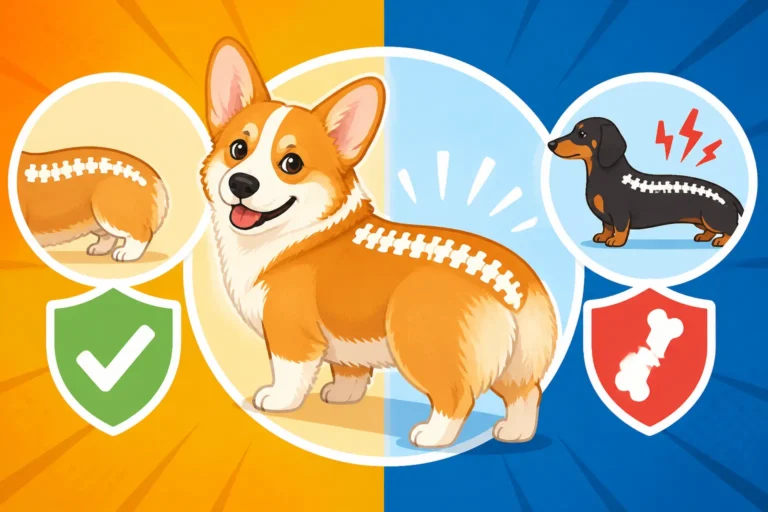
The Share of Corgis Testing At Risk
It’s a truly disheartening moment when you hear that your beloved Corgi, or a prospective puppy, has "tested at risk" for a serious health condition. That phrase alone can conjure up visions of a dog with debilitating illness, and it's completely natural to feel a knot of anxiety tighten in your stomach. The reality is that genetic testing has become a crucial tool in responsible Corgi breeding and ownership, but understanding what an "at-risk" result truly means, and how prevalent these results are, can be incredibly confusing. This guide aims to clear up some of that confusion, providing clarity on the share of Corgis testing at risk for common genetic conditions.
Deciphering "At-Risk" in Corgi Genetic Testing
When a Corgi "tests at risk" for a genetic condition, it doesn't always mean they are doomed to develop the disease. The term can be a bit broad, and its exact meaning depends heavily on the specific condition being tested for and the genetic mutation involved. Generally, it means that the dog carries one or two copies of a specific gene mutation known to be associated with an increased likelihood of developing a particular disease. It's like having a higher probability on a genetic lottery ticket, but not a guaranteed win for the illness.
Carrier vs. Affected Status
One of the most crucial distinctions to understand when you receive genetic test results is the difference between a "carrier" and an "affected" or "at-risk" individual. For many recessive genetic diseases, like Degenerative Myelopathy (DM) or Progressive Retinal Atrophy (PRA), dogs inherit two copies of each gene – one from their mother and one from their father.
- Clear (N/N): A dog that is "clear" has two normal copies of the gene and will not develop the genetic disease nor pass the mutated gene to its offspring.
- Carrier (N/DM or N/Affected): A "carrier" dog has one normal copy of the gene and one mutated copy. These dogs typically do not show symptoms of the disease themselves because the normal gene copy compensates. However, they can pass the mutated gene to their puppies. This is a critical factor for responsible breeders to consider, as pairing two carriers can result in affected offspring. If your Corgi tests as a carrier, it's not a death sentence; it simply means you need to be mindful of breeding choices. You can learn more about Why a Corgi Carrying the DM Gene Usually Stays Well in our dedicated article.
- Affected / At-Risk (DM/DM or Affected/Affected): An "affected" or "at-risk" dog has two copies of the mutated gene. These dogs are highly likely, though not always guaranteed, to develop the disease. For some conditions, like DM, a dog might be genetically "at-risk" (DM/DM) but never show clinical signs in their lifetime due to other genetic or environmental factors. However, the probability is significantly higher. For others, like some forms of PRA, two mutated copies almost invariably lead to the disease. Understanding Reading a Corgi SOD1 Test Result can provide deeper insight into how these specific results are interpreted for DM.
Why Testing Is So Important
The primary reason for genetic testing is to equip breeders and owners with the knowledge to make informed decisions. For breeders, this means making responsible pairing choices to reduce the incidence of genetic diseases in future generations. For owners, it's about being prepared, understanding potential health challenges, and providing proactive care or monitoring. It also helps differentiate symptoms if and when they arise. For example, knowing your Corgi's DM status can help veterinarians Telling a Corgi's Slipped Disc From Myelopathy, which is often crucial for timely and appropriate treatment. Many dedicated breeders routinely run The DNA Tests a Corgi Breeder Should Run before considering a breeding pair to minimize risks.
Common Genetic Conditions Affecting Corgis and Their "At-Risk" Share
Corgis, like many purebred dogs, have certain predispositions to genetic conditions. While they are generally robust, awareness of these conditions is key. The "at-risk" share refers to the percentage of the Corgi population that carries or is affected by these specific genetic mutations based on available testing data. It's important to remember that these percentages are estimates and can vary based on the specific population tested, geographical location, and how "at-risk" is defined by the study or testing lab.
Degenerative Myelopathy (DM)
This is arguably the most well-known and feared genetic condition in Corgis. DM is a progressive neurological disease that affects the spinal cord, leading to weakness, loss of coordination in the hind limbs, and eventually paralysis. It's similar to Amyotrophic Lateral Sclerosis (ALS) in humans. The SOD1 gene mutation is responsible for DM in Corgis.
Based on widespread testing data, a significant portion of the Corgi population carries the DM mutation. Estimates vary, but many sources indicate that:
- Approximately 30-40% of Pembroke Welsh Corgis are carriers (N/DM). This means they have one copy of the mutated gene but are unlikely to develop the disease themselves.
- Roughly 5-10% of Pembroke Welsh Corgis test as genetically "at-risk" or "affected" (DM/DM). These are the dogs with two copies of the mutated gene, making them highly predisposed to developing DM. However, it's crucial to understand that not all DM/DM Corgis will develop clinical signs within their lifetime. Some live long, healthy lives without ever showing symptoms. This nuance is thoroughly explored in How Few Corgis Actually Develop DM.
The prevalence can be slightly lower in Cardigan Welsh Corgis, though they are not immune. The sheer number of carriers highlights the importance of genetic testing in breeding to avoid pairing two carriers, which can produce affected offspring. You can dive deeper into Degenerative Myelopathy and the Corgi for a complete picture of this challenging condition.
Von Willebrand Disease Type I (vWD)
Von Willebrand Disease is a common inherited bleeding disorder in dogs, and Type I is most often seen in Pembroke Welsh Corgis. It's caused by a deficiency in von Willebrand factor, a protein necessary for normal blood clotting. Dogs affected by vWD may experience excessive bleeding from minor cuts, during surgery, or spontaneously from the nose or gums.
Testing for vWD is crucial, especially before any surgical procedures. The prevalence of the vWD mutation in Pembroke Welsh Corgis is also quite notable:
- About 10-15% of Pembroke Welsh Corgis are estimated to be carriers. Like DM, these dogs typically don't show symptoms but can pass the gene on.
- A smaller percentage, likely under 1-2%, are affected. These dogs have two copies of the mutated gene and are at risk for bleeding episodes.
While these numbers are lower than DM, the implications of a bleeding disorder can be severe, making testing highly advisable. Understanding The Bleeding Disorder Pembrokes Carry can help owners recognize the signs and prepare for potential issues.
Progressive Retinal Atrophy (PRA)
PRA refers to a group of genetic diseases that cause the degeneration of the retina, leading to progressive vision loss and ultimately blindness. There are different forms of PRA, and Corgis can be affected by some of them.
While specific prevalence numbers for Corgis across all forms of PRA can be harder to pin down compared to DM or vWD due to the variety of gene mutations involved, reputable breeders routinely screen for known forms affecting the breed:
- For specific forms of PRA, carrier rates can be present in a small percentage of the population (e.g., a few percent), with an even smaller fraction testing as affected.
Symptoms often begin with night blindness and progress to complete blindness over time. Early testing can help owners prepare for a dog with vision impairment. Our article on Corgi Eye Disease and PRA offers more in-depth information on this topic.
Table of Common Corgi Genetic Condition Risks
To give you a clearer overview, here's a table summarizing the approximate "at-risk" shares for some key genetic conditions in Pembroke Welsh Corgis based on current data. Please remember these are general estimates.
| Genetic Condition | Carrier (N/M) Prevalence (Approx.) | At-Risk/Affected (M/M) Prevalence (Approx.) | Implications for Affected Dogs |
|---|---|---|---|
| Degenerative Myelopathy (DM) | 30-40% | 5-10% | Progressive neurological decline, hind-end weakness. |
| Von Willebrand Disease Type I | 10-15% | <1-2% | Increased risk of bleeding episodes. |
| Progressive Retinal Atrophy | Low (few percent) | Very Low | Progressive vision loss, eventual blindness. |
Note: M/M refers to two copies of the mutated gene, making the dog "at-risk" or "affected." N/M refers to one copy, making the dog a "carrier."
What to Do If Your Corgi Tests "At-Risk"
Discovering your Corgi, or a potential Corgi puppy, tests "at-risk" can be alarming. However, it's crucial to react with information and proactive steps, not panic. The path forward depends on whether your Corgi is a carrier or affected, and for which condition.
For Carriers (N/DM, N/vWD, etc.)
If your Corgi is a carrier for a recessive genetic condition, like DM or vWD, they typically won't develop the disease themselves. Your primary responsibility is to ensure that if you ever consider breeding your Corgi, they are only paired with a dog that has tested "clear" (N/N) for the same condition. This ensures no affected puppies will be produced. It's a fundamental aspect of responsible breeding and helps to reduce the overall prevalence of these diseases in the breed population. You can explore Whether an At-Risk Corgi Should Be Bred for ethical considerations and best practices.
For pet owners, a carrier status typically means little change to your Corgi's daily life or health outlook. They are functionally healthy with regard to that specific condition.
For At-Risk/Affected Dogs (DM/DM, vWD/vWD, etc.)
This is where the term "at-risk" truly becomes significant. If your Corgi has two copies of a mutated gene, they have a high probability of developing the associated condition.
- Consult Your Veterinarian: The absolute first step is to sit down with your vet to discuss the specific condition, its symptoms, typical progression, and what you can do to monitor and potentially mitigate its effects. A veterinary neurologist might be recommended for conditions like DM.
- Proactive Monitoring: For conditions like DM, regular vet check-ups will be crucial. Your vet might suggest specific neurological exams to look for The First Signs of DM in a Corgi, such as scuffing nails or subtle gait changes. Early detection can help manage the progression and allow you to adapt your home and lifestyle.
- Lifestyle Adjustments: For conditions that impact mobility or stability, like DM, consider adjustments to your home environment. Using ramps instead of stairs, providing non-slip surfaces, and carefully managing exercise can be beneficial. Regular physical therapy or hydrotherapy might be recommended to maintain muscle strength and mobility. You could look into strategies like Physiotherapy for a Corgi Losing Its Legs.
- Financial Preparedness: Genetic conditions, especially those requiring ongoing care or specialized vet visits (like neurology consultations), can incur significant costs. While pet insurance often doesn't cover pre-existing conditions or genetic testing, having a comprehensive policy from providers like Healthy Paws can be invaluable for covering the costs of diagnostics, treatments, and ongoing care once a condition actually manifests. This is especially true if you enroll your Corgi before any symptoms appear, as the condition wouldn't yet be considered pre-existing. Understanding potential expenses, such as Emergency Neurology Fees for a Corgi or regular vet visits, can help you plan.
- Emotional Support: Dealing with a Corgi that may develop a serious genetic condition can be emotionally taxing. Connect with support groups or forums for Corgi owners facing similar challenges. Sharing experiences and advice can be incredibly helpful.
The Bigger Picture: Responsible Ownership and Breeding
Ultimately, understanding the share of Corgis testing at risk isn't just about managing individual dogs; it's about contributing to the health of the breed as a whole. Reputable breeders use these tests to make informed decisions, aiming to produce healthy puppies and reduce the incidence of these conditions over generations.
For current and prospective owners, this information empowers you to ask the right questions of breeders, understand the genetic background of your Corgi, and be prepared for potential health journeys. While a genetic test might show an "at-risk" status, it's merely a piece of the puzzle. With proper care, monitoring, and a loving home, Corgis with genetic predispositions can still lead full and happy lives. The initial investment in understanding The Cost of a Corgi DM Test or other genetic screenings is always worth it for the peace of mind and preparedness it provides. Many owners also consider pet insurance plans, such as those offered by Healthy Paws, to help manage unexpected veterinary expenses, as it's better to enroll your Corgi and have coverage in place Insuring a Corgi Before Its First Back Episode.
Disclaimer
The information provided in this article is for general informational purposes only and is not a substitute for professional veterinary advice. Always consult with a qualified veterinarian or veterinary specialist regarding any health concerns or before making any decisions about your Corgi's care or treatment. Genetic testing results and their implications should always be discussed with a professional who can interpret them in the context of your individual dog.