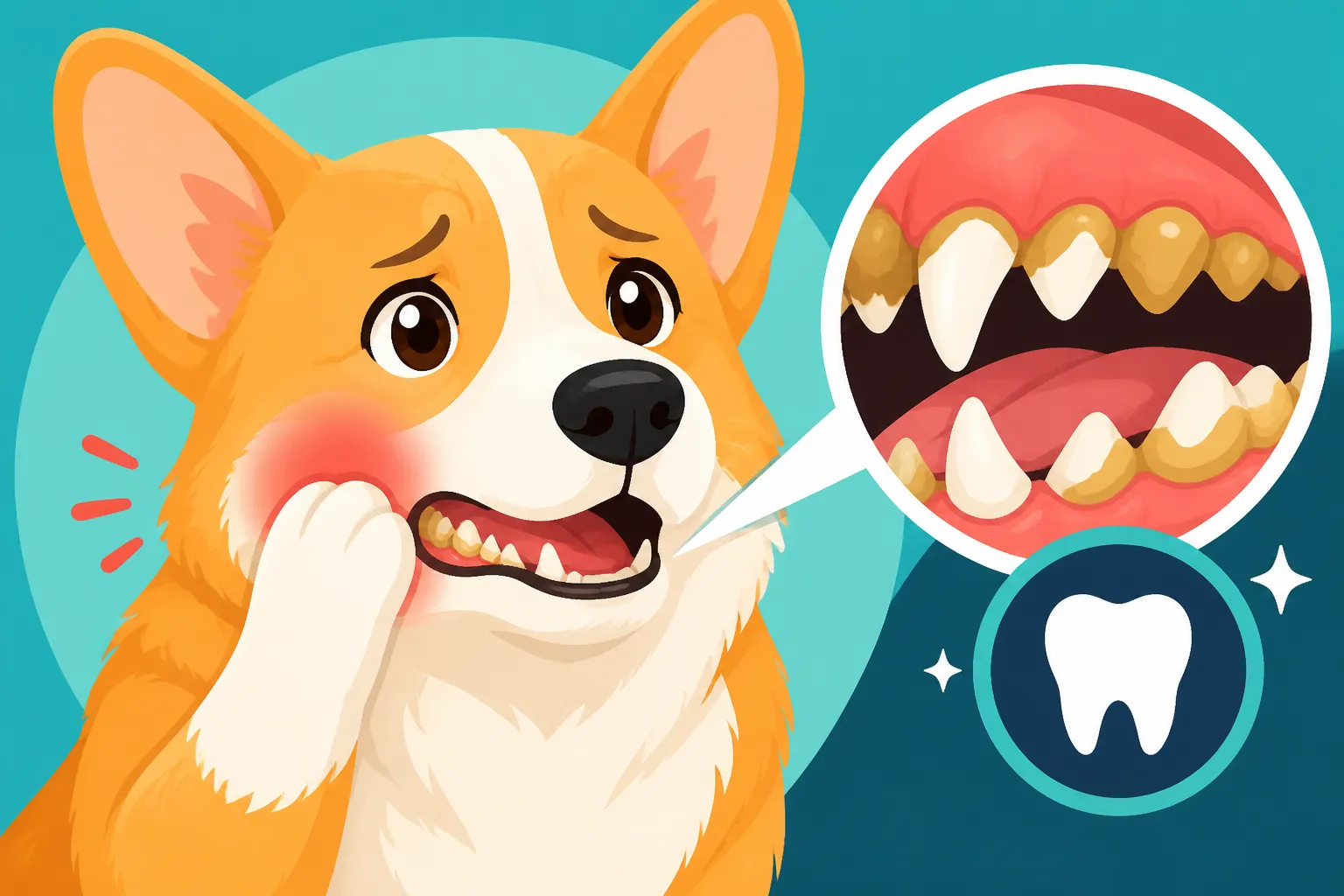
Corgi Dental Disease
One of the most insidious health problems Corgi owners face, often sneaking up silently, is dental disease. It's not just about bad breath; what starts as a seemingly minor issue can quickly escalate into painful infections, tooth loss, and even systemic health problems that impact your beloved Corgi's overall well-being and lifespan. This comprehensive guide will walk you through everything you need to know about keeping your Corgi's teeth healthy, from understanding their unique oral challenges to proactive prevention and professional care.
Understanding Corgi Dental Anatomy and Common Issues
Our short-legged, long-bodied companions might be adorable, but their mouths, like those of many small to medium breeds, come with their own set of potential dental pitfalls. It's easy to overlook what's going on behind those happy Corgi smiles, but a little knowledge goes a long way in preventing serious problems.
The Unique Challenges of a Corgi's Mouth
Corgis, particularly the Pembroke Welsh Corgi, often have mouths that are a bit more crowded than their size might suggest. While they have the same number of teeth as a much larger dog, their jaws are shorter. This can lead to teeth being packed in tightly, sometimes overlapping or being rotated. When teeth don't align perfectly or have enough space, it creates tiny crevices and hard-to-reach areas where food particles and bacteria can easily accumulate. Think of it like trying to floss a very crowded set of human teeth – it's just plain harder to keep clean. This anatomical quirk sets the stage for dental issues to develop more rapidly if not properly managed.
Moreover, the breed's conformation can mean that some Corgis have slightly different bite alignments, which can exacerbate the problem. An overbite or underbite, even a subtle one, can alter how teeth wear down naturally and how food is chewed. This can mean certain teeth are more prone to plaque buildup, while others might experience abnormal wear. It's a silent struggle that many owners don't even realize is happening until a vet points it out.
How Tartar and Plaque Build Up in Corgis
Plaque is essentially a sticky, colorless film of bacteria that constantly forms on your Corgi's teeth. Every time they eat, tiny food particles mix with this bacteria, and if not removed, it begins to harden. Within just a few days, this soft plaque transforms into tartar, a rough, calcified deposit that is a yellowish-brown color. Unlike plaque, tartar cannot be brushed away by you at home. It’s like the barnacles on a ship – once it’s there, it needs a professional scraping.
In Corgis, especially those with crowded teeth, plaque and tartar can accumulate quickly and in places that are almost impossible to reach with a standard dog toothbrush. The back molars and the outer surfaces of the canine teeth are often the worst culprits, but tartar can form anywhere. This constant buildup acts like a magnet for more bacteria, creating an environment ripe for infection. You might start noticing a change in their breath, which is one of the earliest signs that plaque is taking hold.
Why Corgis Are Prone to Periodontal Disease
The real danger isn't just tartar on the visible tooth surface; it's what happens under the gum line. Tartar buildup irritates the gums, causing inflammation, known as gingivitis. This is the first stage of periodontal disease and is reversible with proper care. However, if left untreated, the inflammation progresses. The bacteria in the plaque and tartar start to migrate below the gum line, forming pockets of infection that destroy the supporting tissues and bone around the teeth.
Corgis, unfortunately, are genetically predisposed to developing periodontal disease earlier and more severely than some other breeds. Their crowded teeth, as mentioned, make them excellent hosts for this bacterial growth. Once the ligaments holding the tooth in place are compromised, the tooth becomes loose, painful, and often needs to be extracted. This progressive destruction can lead to significant pain, difficulty eating, and even jaw fractures in severe cases. It's a painful reality that many Corgi owners unfortunately face, often because they weren't aware of the severity of the problem until it was too late.
Recognizing the Signs of Dental Disease in Your Corgi
It’s heartbreaking to think our furry friends might be in pain, and dental disease is a common culprit. The trick is knowing what to look for, especially since dogs are masters at hiding discomfort. Don't wait for your Corgi to scream in pain; by then, the problem is likely advanced.
Bad Breath and Behavioral Changes
The most common, and often the earliest, sign of dental disease is halitosis, or really bad breath. If your Corgi's breath smells like something far worse than just dog breath – we're talking truly foul, rotten odors – that's a strong indicator of bacterial overgrowth in their mouth, a hallmark of plaque and tartar. This isn't just an unpleasant smell; it's a warning sign. Don't just dismiss it as "normal dog breath."
Beyond the scent, pay close attention to subtle shifts in your Corgi's behavior. Are they suddenly avoiding their favorite hard kibble or dental chew, opting for softer foods instead? Do they seem reluctant to play with chew toys they once loved? Perhaps they're dropping food more frequently while eating, or chewing predominantly on one side of their mouth. Some Corgis might become irritable, withdrawn, or even less enthusiastic about being petted around their face and muzzle. If you notice your Corgi showing less interest in mealtime or becoming unusually picky, it could very well be due to pain associated with dental issues.
Visual Cues and What to Look For
While bad breath is a strong signal, a quick visual inspection can also reveal a lot. Gently lift your Corgi’s lips to examine their gums and teeth. Healthy gums should be a healthy pink color and lie tightly around the teeth. If you see gums that are red, swollen, or bleeding, particularly where they meet the tooth, that’s a clear sign of gingivitis.
Look closely at the teeth themselves. Do you see a yellow or brown accumulation on the tooth surface, especially along the gum line? That’s tartar. The accumulation tends to be heaviest on the back teeth and the outside surfaces. You might also notice missing teeth or teeth that appear discolored or unusually worn down. Sometimes, you'll even see a visible lump or swelling on their jaw or below their eye, which could indicate an abscess from a severely infected tooth. Early detection of issues like Plaque on an Older Corgi's Molars can prevent much worse outcomes.
When to Seek Veterinary Attention
If you notice any of the signs mentioned above – persistent bad breath, changes in eating habits, red or bleeding gums, visible tartar, or swelling – it's time to schedule an appointment with your veterinarian without delay. Don't wait until your Corgi is clearly in distress. Early intervention is key to managing dental disease and preventing it from advancing to more painful and costly stages.
Your vet will conduct a thorough oral examination and may recommend a professional dental cleaning under anesthesia. This allows them to fully assess the extent of the disease, including issues below the gum line that aren't visible to the naked eye. They can also take X-rays to check the tooth roots and jawbone for damage. Remember, addressing Tartar and Tooth Loss in an Older Corgi early can make a huge difference in their quality of life.
Preventative Dental Care at Home for Corgis
The best offense is a good defense when it comes to Corgi dental health. Consistent home care can significantly slow down plaque and tartar accumulation, reducing the frequency and intensity of professional cleanings your Corgi might need.
Brushing Your Corgi's Teeth: A Step-by-Step Guide
Brushing your Corgi’s teeth daily is the gold standard for at-home dental care, much like it is for us! It might sound daunting, but with patience and a positive approach, most Corgis can learn to tolerate, and even enjoy, the routine. You'll need a dog-specific toothbrush (finger brushes work well for many Corgis, or a small brush with soft bristles) and dog-friendly toothpaste – never use human toothpaste, as it contains ingredients toxic to dogs.
- Start Slow and Positive: Begin by simply letting your Corgi lick a tiny bit of the flavored dog toothpaste off your finger. Make it a fun, treat-filled experience.
- Introduce Touch: Once they're happy with the toothpaste, gently rub a small amount on their gums and teeth with your finger for a few seconds. Praise them profusely.
- Add the Brush: When they're comfortable with your finger, introduce the brush. Let them lick toothpaste off the brush, then gently lift their lip and brush a few teeth for a few seconds. Focus on the outside surfaces of the back teeth first, as these accumulate the most plaque. Slowly work your way up to brushing all teeth.
- Technique Matters: Use small, circular motions, focusing on the gum line where plaque and tartar tend to accumulate. The goal is to gently scrub away the plaque before it hardens into tartar. Don't forget to practice Brushing Along a Corgi's Back Teeth.
- Consistency is Key: Aim for daily brushing. If daily isn't feasible, every other day is better than nothing. Always keep it positive with praise and rewards.
| Dental Care Method | Pros | Cons | Frequency |
|---|---|---|---|
| Toothbrushing | Most effective at removing plaque; reaches gum line. | Requires training and consistency; can be challenging for some dogs. | Daily/Every other day |
| Dental Chews | Can help scrape off mild plaque; palatable for dogs. | Not a substitute for brushing; some are high in calories; may not reach all teeth. | Daily, as a treat |
| Water Additives | Easy to administer; helps reduce bacteria in water. | Less effective than direct cleaning; some dogs may dislike the taste. | Daily with water change |
| Dental Diets | Kibble designed to mechanically scrub teeth. | Requires dog to eat specific food; not all dogs benefit equally. | With every meal |
Dental Chews, Water Additives, and Diet Considerations
While brushing is king, other options can complement your routine. Dental chews can help reduce plaque and tartar through mechanical abrasion as your Corgi chews. Look for chews that are appropriately sized for your Corgi and have been scientifically proven to be effective by organizations like the Veterinary Oral Health Council (VOHC). Remember, these are not a magic bullet and should not replace brushing. Be mindful of the calorie content of chews, especially for Corgis who are prone to weight gain. For some ideas, consider Chews That Suit a Corgi's Bite.
Water additives are another convenient option, designed to reduce bacteria in your Corgi's drinking water, thereby helping to control plaque and freshen breath. Simply add the recommended amount to their water bowl daily. Some Corgis may notice a slight taste change, so introduce it gradually.
Lastly, certain prescription dental diets are formulated with special kibble shapes and textures to scrub the teeth as your Corgi eats, or with ingredients that help reduce plaque formation. Discuss these options with your vet to see if they're a good fit for your Corgi's specific needs and dietary requirements, especially if they are already on a special diet.
Making Dental Care a Positive Experience
The key to long-term success with at-home dental care is making it a positive, non-stressful experience for your Corgi. Force and fear will only make them dread the routine, making it harder for both of you.
- Positive Reinforcement: Always use praise, gentle words, and a small, high-value treat immediately after any dental interaction. Even if you only manage a few seconds of brushing, reward them for their cooperation.
- Short and Sweet: Keep sessions brief, especially when starting out. A minute or two of effective brushing is far better than a prolonged struggle that leaves both of you frustrated.
- Establish a Routine: Dogs thrive on routine. Choose a consistent time each day for dental care, so your Corgi learns to anticipate it. This could be after their evening meal or before bedtime.
- Patience is a Virtue: Some Corgis will take longer than others to adjust. Don't get discouraged if progress is slow. Celebrate small victories and remember that every little bit helps.
Professional Dental Cleanings and Treatments for Corgis
While home care is crucial, it's generally not enough to prevent all dental issues in the long run. Professional veterinary care plays an indispensable role in maintaining optimal oral health for your Corgi.
The Importance of Regular Veterinary Dental Exams
Even with diligent home care, plaque and tartar will eventually build up, especially in those hard-to-reach areas and below the gum line. Regular veterinary dental exams, usually annually or every six months depending on your Corgi's needs, are vital. During these check-ups, your vet can identify early signs of dental disease that you might miss, such as gingivitis, minor fractures, or subtle changes in alignment. They can recommend professional cleaning when necessary, catching problems before they become severe.
Think of it like your own dental check-ups – you brush and floss, but you still need your dentist to deep clean and check for issues. For Corgis, these exams often happen as part of their annual wellness visit. Early detection and treatment can prevent significant pain, tooth loss, and expensive procedures down the road. It also helps your vet determine if your Corgi needs Pre-Anesthetic Testing on a Corgi That Bleeds before any dental work, ensuring their safety.
What Happens During a Professional Dental Cleaning
A professional dental cleaning for a Corgi is a far more involved process than a quick brush at home, primarily because it's performed under general anesthesia. Anesthesia allows the veterinary team to conduct a thorough and pain-free examination, cleaning, and treatment without causing stress or injury to your Corgi.
The typical procedure involves:
- Pre-Anesthetic Assessment: Before anesthesia, your Corgi will undergo a physical exam and often blood tests to ensure they are healthy enough for the procedure.
- Anesthesia and Monitoring: Once safely under anesthesia, your Corgi's vital signs will be continuously monitored by a dedicated team member.
- Oral Examination: The vet will perform a comprehensive oral exam, probing for gum pockets, checking for loose teeth, and looking for any abnormalities.
- Scaling: Using ultrasonic and hand scalers, the veterinary technician will meticulously remove all plaque and tartar from the tooth surfaces, both above and, crucially, below the gum line. This deep cleaning is impossible on an awake dog.
- Polishing: After scaling, the teeth are polished to smooth out any microscopic scratches left by the scaling tools. This creates a smooth surface that's harder for plaque to adhere to.
- Dental X-rays: In many cases, full-mouth dental X-rays are taken. These are essential for identifying hidden problems like bone loss, root abscesses, un-erupted teeth, or fractured roots that are not visible during a surface examination.
- Extractions or Other Treatments: If severe periodontal disease, fractured teeth, or other issues are found (often through X-rays), the vet will perform necessary extractions or other treatments.
- Recovery: After the procedure, your Corgi will be carefully monitored during recovery from anesthesia.
This thorough process ensures that not only the visible parts of the teeth are clean, but also the crucial areas under the gums where the most damaging disease often lurks. Understanding What Keeping a Corgi's Teeth Clean Costs includes these professional services.
Addressing Advanced Dental Disease and Extractions
Unfortunately, if dental disease progresses unchecked, extractions become necessary. This isn't a failure, but rather a crucial step to alleviate pain and prevent further health complications. Advanced periodontal disease can lead to teeth so compromised that they are a constant source of infection and discomfort for your Corgi. Ignoring such issues means your Corgi is living with chronic pain, which impacts their appetite, energy levels, and overall mood.
When extractions are needed, the veterinarian will carefully remove the affected tooth or teeth, ensuring that the root is completely extracted and the gum is properly sutured. Pain management is a critical component of this process, with pain medication prescribed to keep your Corgi comfortable during recovery. While losing a tooth might seem significant, removing a painful, infected tooth dramatically improves your Corgi's quality of life. They will feel much better and be able to eat more comfortably once the source of infection and pain is gone. Sometimes, even Soft Food for a Corgi With Bad Teeth might be prescribed during recovery.
Long-Term Dental Health and Overall Well-being
Thinking about your Corgi's dental health isn't just about their teeth; it's about their entire body. Neglecting their oral care can have far-reaching consequences that impact their health as they age.
The Connection Between Oral Health and Systemic Health
It's a common misconception that dental disease is confined to the mouth. The truth is, the mouth is a gateway to the rest of the body. The chronic inflammation and bacteria associated with periodontal disease can have systemic effects. Bacteria from infected teeth and gums can enter the bloodstream, traveling to major organs like the heart, kidneys, and liver. This can exacerbate existing conditions or contribute to the development of new ones. For instance, heart disease in Corgis can be worsened by bacterial endocarditis originating from oral infections.
Maintaining good oral hygiene, therefore, isn't just about fresh breath; it's about reducing the overall bacterial load on your Corgi's system, thereby supporting the health of their vital organs. It's a proactive step in ensuring your Corgi enjoys a longer, healthier life, potentially adding valuable years to their The Twelve to Fifteen Year Corgi Lifespan.
Managing Dental Care for Senior Corgis
As Corgis age, they become even more susceptible to dental problems. Just like in humans, years of wear and tear, coupled with a lifetime of plaque and tartar accumulation, can take a toll. Senior Corgis are more likely to have advanced periodontal disease, loose teeth, or root abscesses. It's crucial not to neglect their dental care in their golden years, even if you worry about anesthesia. Modern veterinary anesthesia protocols are very safe, especially with pre-anesthetic blood work and careful monitoring.
You might find that your senior Corgi needs more frequent dental check-ups and cleanings. Home care becomes even more important to maintain the health of any remaining teeth and to keep them comfortable. If they've lost several teeth, switching to softer foods or hydrating their kibble can make eating much easier for them. Regular vet visits for Blood Panels for a Corgi Over Ten can also help monitor organ function, which is especially important if dental disease has been chronic.
Planning for Dental Costs and Insurance
The cost of professional dental care, especially if extractions or advanced treatments are needed, can be a significant financial burden for Corgi owners. This is where proactive financial planning and pet insurance can make a huge difference.
- Savings Fund: Some owners prefer to set aside a dedicated savings fund specifically for veterinary care, including dental work. This allows you to cover costs as they arise.
- Pet Insurance: Many pet insurance providers offer plans that cover a percentage of unexpected veterinary costs, which can include dental disease treatments (though not always routine cleanings unless part of a wellness add-on). It's vital to enroll your Corgi before any dental issues arise, as pre-existing conditions are typically not covered. Companies like Healthy Paws are well-regarded for their comprehensive coverage, but always read the policy details carefully to understand what is and isn't included. Having pet insurance can provide immense peace of mind, especially when your Corgi might face something like a sudden dental emergency. This kind of planning can help mitigate the impact of The Two Ages a Corgi Gets Expensive.
- Wellness Plans: Some veterinary clinics offer wellness plans that bundle routine care, sometimes including a dental cleaning. These can be a cost-effective way to manage preventative care.
Investigating options from providers like Healthy Paws early in your Corgi's life can save you thousands of dollars and ensure your Corgi gets the best possible care when they need it most. Good dental health truly is an investment in your Corgi's overall happiness and longevity.
Disclaimer
The information provided in this article is for general informational purposes only and is not a substitute for professional veterinary advice. Always consult with a qualified veterinarian for any health concerns or before making any decisions related to your Corgi's health and treatment.