Whether Blue Merle Is Allowed in a Pembroke
It’s easy to be drawn in by unique colors and patterns when looking for a Corgi puppy. You might have seen photos online or heard whispers of "blue merle Pembrokes" and wondered if this stunning, mottled coat pattern is a legitimate variation for the breed you love. The truth, however, is far more complex than a simple color preference, touching on breed standards, genetics, and responsible breeding practices. This guide will unravel the mystery of the blue merle coat and its relationship to the Pembroke Welsh Corgi, helping you understand what's truly behind such claims and what it means for the health and integrity of these wonderful dogs.
The Pembroke Welsh Corgi's Recognized Palette
When we talk about purebred dogs, breed standards are the blueprints that guide breeders and judges alike. They define the ideal characteristics of a dog, from temperament and structure to, yes, coat color and markings. For the Pembroke Welsh Corgi, this standard is quite specific, and it doesn't include blue merle.
Standard Colors and Markings
The Pembroke Welsh Corgi breed standard, as recognized by major kennel clubs, outlines a very clear set of acceptable coat colors. These traditionally include red, sable, fawn, and black and tan.
- Red Corgis are a vibrant, solid reddish-brown, often with white markings.
- Sable Corgis feature a base color of red or fawn with black tipping on the guard hairs, giving them a shaded or "smoky" appearance, especially over the back and shoulders.
- Fawn Corgis are a lighter, more dilute shade of red, often appearing almost golden or cream.
- Black and Tan Corgis have a black body with tan points on their muzzle, chest, legs, and above their eyes.
All of these base colors can (and usually do) come with white markings. These white areas are typically found on the legs, chest, neck, muzzle, and sometimes as a narrow blaze between the eyes. These white markings are not just tolerated, but often expected, and contribute to the iconic look of the Pembroke. What you won't find in this list, or in the detailed description of acceptable markings, is any mention of merle. Anything outside of these specific parameters is generally considered a fault in the show ring and deviates from the established look of a purebred Pembroke. For more on the specifics, you can always check The AKC Pembroke Welsh Corgi Standard.
Why Breed Standards Exist for Pembrokes
You might wonder why these standards are so strict, especially when a unique color like blue merle can be so visually appealing. But breed standards are about much more than just aesthetics. They are fundamental to preserving the historical integrity, unique characteristics, and, crucially, the overall health of a breed. These standards describe the physical and temperamental traits that were originally selected for a dog's function – in the Corgi's case, herding cattle. A strong, well-proportioned body, specific ear set, and even their characteristic "expression" are all part of what makes a Corgi a Corgi.
When breeders adhere to a standard, they are aiming to perpetuate these qualities in a responsible manner. This includes screening for genetic conditions, ensuring good structure that supports their working ability (even if they're now cherished companions), and maintaining the temperament that makes them such beloved family members. Deviating from the standard by introducing non-standard colors often means introducing genes from other breeds or breeding without a full understanding of the genetic consequences. This can sometimes inadvertently introduce new health concerns or dilute the very traits that define the breed.
The Merle Gene: A Cardigan Hallmark, Not a Pembroke Trait
This is where the plot thickens, and the clear distinction between the two Corgi breeds becomes absolutely vital. While they share part of their name and that undeniable Corgi charm, Pembrokes and Cardigans are distinct breeds with their own unique histories and genetic makeups.
Genetic Distinctions Between Corgi Breeds
Let's be very clear: Pembroke Welsh Corgis and Cardigan Welsh Corgis are two separate, distinct breeds. They aren't just variations of the same dog. They were officially separated by The Kennel Club in 1934, a pivotal moment that solidified their individual paths and ensured distinct breeding lines. This historical separation means they have different genetic pools, and consequently, different acceptable traits and inherent predispositions. You can read more about this significant event in The 1934 Split Into Pembroke and Cardigan.
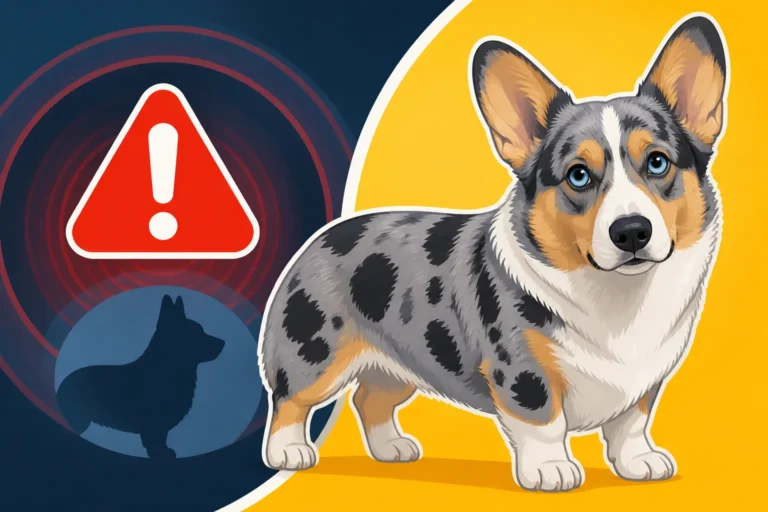
The merle gene, which produces patterns like blue merle, red merle, or sable merle, is a naturally occurring and desirable trait in Cardigan Welsh Corgis. In fact, blue merle is one of their most striking and recognizable coat patterns. It’s celebrated as part of the Cardigan's diverse color possibilities. For a Cardigan, a beautiful blue merle coat is a hallmark of the breed and something sought after by many enthusiasts. However, for a Pembroke, it's an entirely different story because the purebred Pembroke lineage simply does not carry the merle gene. This is a key differentiator that highlights Why the Cardigan and Pembroke Are Not Related genetically in terms of coat color.
Understanding the Merle Gene and Its Expression
To grasp why blue merle is a big deal for a Pembroke, we need a quick dive into basic genetics. The merle gene, technically known as the M Locus, is a dilution gene. What it does is dilute the base coat color in irregular patches, creating that characteristic mottled, speckled, or marbled effect. For example, on a black base coat, it creates blue merle (patches of black, gray, and often tan points). On a red base coat, it creates red merle (patches of red, lighter red, and sometimes white).
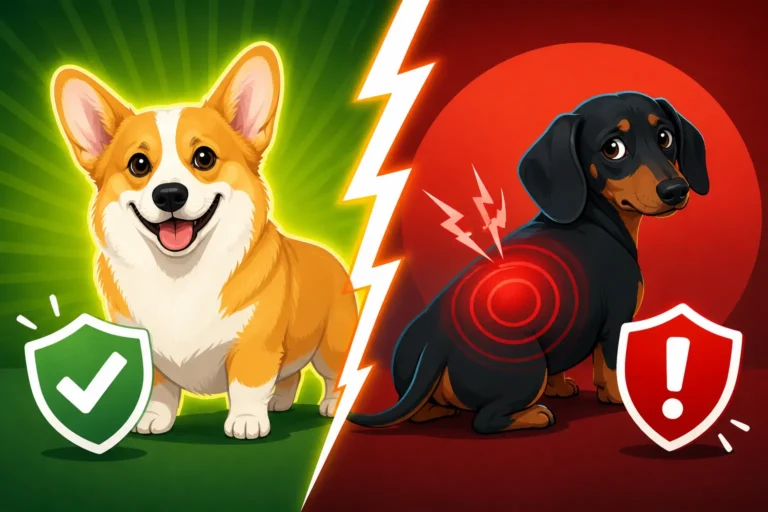
The crucial aspect of the merle gene is that it's an incomplete dominant gene. This means that a dog only needs one copy of the gene (Mm, heterozygous) to express the merle pattern. However, problems arise when a dog inherits two copies of the merle gene (MM, homozygous), often referred to as "double merle." Breeding two merle-patterned dogs together significantly increases the risk of producing double merle offspring, which can lead to severe health issues. These issues predominantly affect vision and hearing, ranging from minor defects to complete deafness and blindness. This is why responsible Cardigan breeders are extremely careful never to breed two merle dogs together. Given that purebred Pembrokes don't carry this gene, the issue of double merle simply wouldn't arise if their lineage was unmixed.
Decoding "Blue Merle Pembroke" Claims
So, if the blue merle gene isn't naturally part of the Pembroke Welsh Corgi's genetic makeup, what does it mean when you see a dog advertised as a "blue merle Pembroke"? It means you need to exercise extreme caution and do some serious investigation.
Common Scenarios for Misidentification
When you encounter a dog marketed as a "blue merle Pembroke," it is almost invariably one of a few scenarios, none of which involve a true, purebred Pembroke of standard lineage:
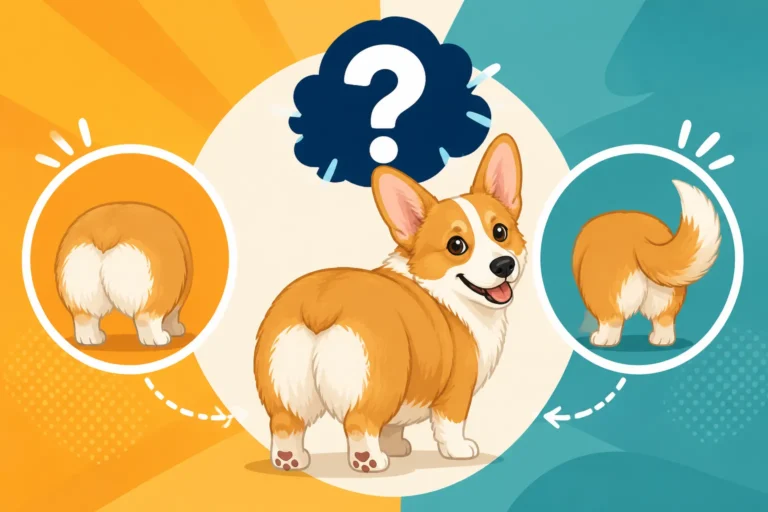
- A Cardigan Welsh Corgi Misidentified: This is perhaps the most common and innocent explanation. Both Pembrokes and Cardigans are Corgis, short-legged, long-bodied dogs, and to the untrained eye, they can look similar. However, Cardigans naturally come in blue merle, and they have distinct differences such as their tail (Cardigans have long, fox-like tails, while Pembrokes are naturally bobtailed or docked where legal) and ear shape (Cardigans typically have larger, rounder ears). If someone isn't familiar with these subtle distinctions, they might genuinely mistake a Cardigan for a Pembroke. Understanding Telling a Pembroke From a Cardigan on Sight can help clear up this confusion quickly.
- A Mixed-Breed Corgi: Another very common scenario is a Corgi that is a mix of a Pembroke and a Cardigan (sometimes called a "Pardigan"), or even a Pembroke crossed with another merle-carrying breed like an Australian Shepherd. In these cases, the dog might have some Pembroke characteristics but inherited the merle gene from the Cardigan or other merle parent. These dogs are not purebred Pembrokes, regardless of how much they resemble one.
- Poorly Bred or Unscrupulous Breeding: This is the most concerning scenario. An irresponsible breeder might intentionally introduce a merle-carrying dog (likely a Cardigan or another breed) into a Pembroke line to create "designer" or "rare" blue merle Pembrokes for profit. These breeders often prioritize novelty colors over health and breed integrity. They might not perform the necessary health testing or understand the genetic risks involved, leading to puppies with potential health problems. This practice goes against ethical breeding principles and devalues the integrity of the Pembroke breed.
Health Implications and Ethical Breeding Concerns
The casual introduction of the merle gene into a breed where it does not naturally occur, or breeding without proper genetic knowledge, carries significant health risks. As mentioned earlier, the most severe concerns arise with "double merle" dogs, which are homozygous for the merle gene (MM). These dogs have a substantially higher risk of developing severe ocular defects (ranging from microphthalmia – abnormally small eyes – to complete blindness, often with colobomas or other structural abnormalities) and auditory defects (deafness, partial deafness, or other ear abnormalities).
Beyond the severe double merle risks, even single merle dogs from unknown backgrounds can potentially carry other recessive genetic diseases not commonly found in pure Pembroke lines. Ethical breeders for any breed are committed to producing healthy puppies with good temperaments, and they do so by thoroughly understanding genetics, health testing their breeding stock, and adhering strictly to their breed's standard. A breeder offering "blue merle Pembrokes" is almost certainly not upholding these ethical responsibilities. This is why Why a Blue Merle Pembroke Is a Warning Sign is a critical piece of information for anyone considering such a dog. They are either ignorant of basic canine genetics and breed standards or deliberately misleading potential buyers, both of which are major red flags. Reputable breeders perform extensive The DNA Tests a Corgi Breeder Should Run to ensure the health of their lines.
The Path to a Healthy, Well-Bred Corgi
It's natural to be drawn to dogs with striking appearances, but when it comes to bringing a Corgi into your home, focusing on health, temperament, and ethical breeding practices will always lead to a more joyful and less heartbreaking experience in the long run.
Prioritizing Health and Temperament Over Novelty Colors
While a blue merle Corgi might catch your eye, remember that true beauty in a companion animal lies in its health, personality, and the joy it brings to your life. The years you spend with your Corgi will be filled with funny antics, loyal companionship, and maybe a little sass – none of which are determined by a rare coat color. Instead, these qualities stem from good breeding, proper socialization, and loving care.
When you choose a Corgi, you're looking for that iconic sturdy build, that alert and intelligent expression, and that famously outgoing personality. These traits are carefully preserved by breeders who adhere to the breed standard and prioritize the well-being of their dogs. Spending time researching and finding a dog with a solid health background and a stable temperament will mitigate many potential heartaches and expensive vet bills down the road. Places like Chewy offer fantastic educational resources on breed-specific health concerns and general dog care, helping you be prepared for a healthy, happy Corgi companion.
Finding a Reputable Corgi Breeder
The best way to ensure you are getting a healthy, well-adjusted Pembroke Welsh Corgi (or a Cardigan Welsh Corgi, if a blue merle pattern is what you genuinely desire) is to seek out a reputable breeder. These individuals are passionate about their breed and are committed to producing the best possible puppies. Here’s what to look for:
- Transparency: A good breeder will be open about their breeding practices, allow you to visit their facility (or conduct thorough video calls), and happily answer all your questions.
- Health Testing: They will perform extensive health screenings on their breeding dogs for conditions relevant to the breed, such as hip dysplasia, elbow dysplasia, eye issues, and for Pembrokes, degenerative myelopathy (DM). They should be able to provide proof of these tests for the parent dogs. This is a crucial step for What a Corgi Breeder Should Be Testing For.
- Understanding Genetics: Reputable breeders have a deep understanding of canine genetics and will never intentionally breed outside the recognized standard or create designer mixes without full disclosure. They will not offer "blue merle Pembrokes" because they know it's not a true Pembroke trait.
- Pedigree and Papers: They will provide you with the necessary registration papers (such as AKC for Pembrokes in the US) and a detailed pedigree for your puppy. They'll also typically have a contract outlining guarantees and responsibilities. Learn more about The Papers a Corgi Puppy Should Come With.
- Support: A responsible breeder will be a lifelong resource for you, offering advice and support long after you take your puppy home.
If a breeder is marketing "blue merle Pembrokes" or cannot provide clear documentation of health testing and pedigree, it’s a strong indication that they are not a responsible source. While the idea of a uniquely colored dog can be tempting, the potential health risks and ethical concerns associated with such claims are simply not worth it. Embrace the beautiful and varied standard colors of the Pembroke Welsh Corgi, like red, sable, fawn, and black and tan Red, Sable, Fawn and Black-and-Tan Corgis, and appreciate the unique blue merle patterns that are a true hallmark of their Cardigan cousins.
When choosing between a Pembroke and a Cardigan, or simply trying to understand the differences, here’s a quick comparison of some key features:
| Feature | Pembroke Welsh Corgi | Cardigan Welsh Corgi |
|---|---|---|
| Coat Colors | Red, Sable, Fawn, Black and Tan (with white markings) | Red, Sable, Brindle, Black and White, Blue Merle (with or without tan/brindle points) |
| Merle Gene | NOT present in purebred Pembrokes | Present and recognized in purebred Cardigans |
| Tail | Naturally bobbed or docked (where legal) | Long, fox-like tail that reaches the ground |
| Ears | Pointed, slightly smaller, often more 'foxy' | Larger, more rounded at the tips |
| Head Shape | More refined, fox-like | Broader, often described as 'wolf-like' |
| Body Shape | Slightly lighter bone structure | Slightly heavier bone structure |
| Historical Role | Herded cattle by nipping at heels (often without tail) | Herded cattle (tail used for balance and communication) |
Ultimately, choosing a Corgi should be about welcoming a healthy, happy, and well-bred companion into your life. The captivating appearance of a blue merle Corgi belongs to the Cardigan Welsh Corgi, a distinct and equally wonderful breed. Understanding and respecting these breed distinctions ensures that you contribute to responsible breeding practices and bring home a dog that will thrive for years to come.
Disclaimer
This article is for general informational purposes only and does not constitute professional advice. Laws, prices and regulations vary by location and change over time. Consult a qualified professional for guidance on your specific situation.