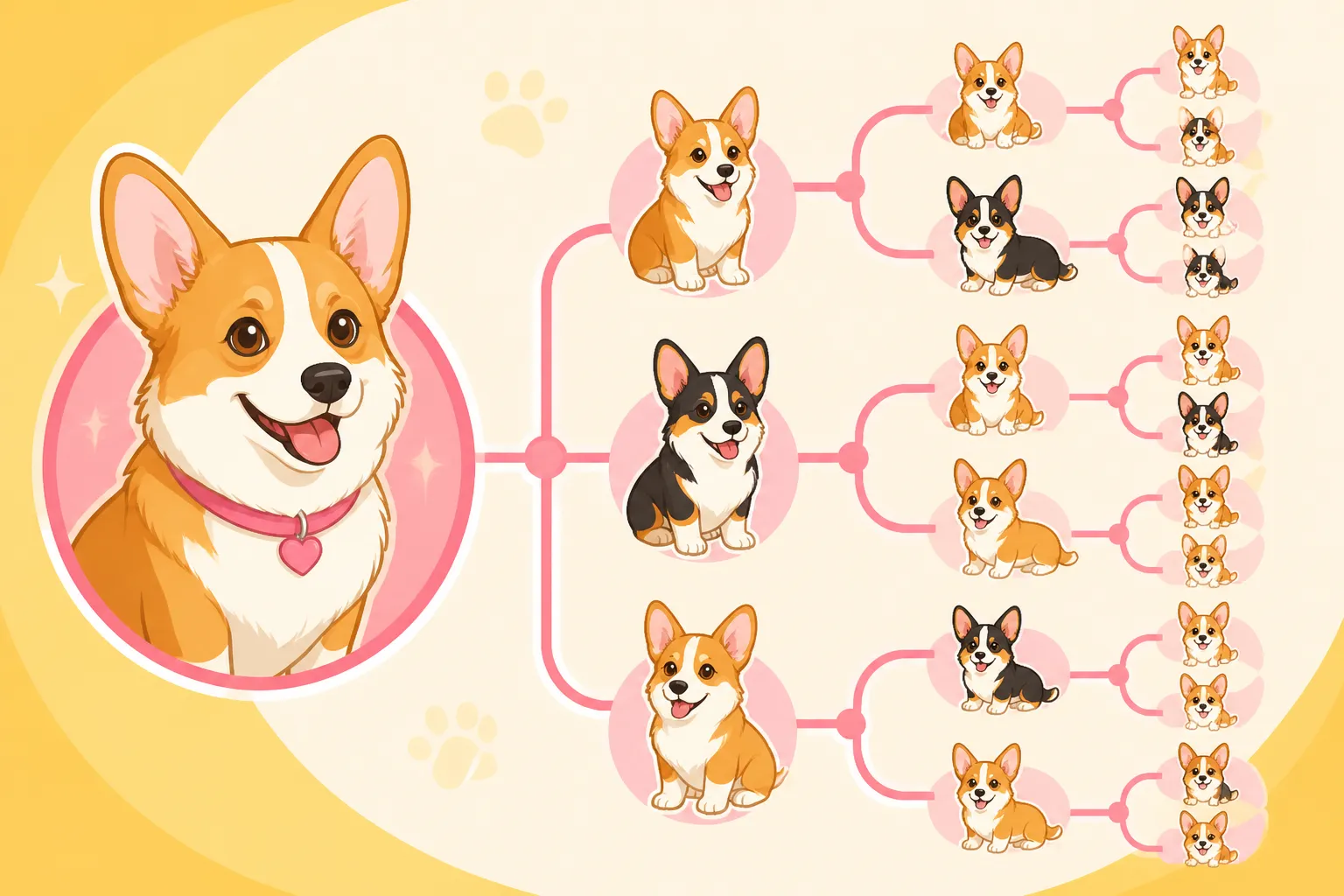
How Many Corgi Generations Came From Susan
It's an absolute treat to dive into the stories behind our beloved Corgis, especially when it comes to the legendary lineage of Queen Elizabeth II's canine companions. Many of us know the late Queen had a profound love for these short-legged, big-hearted dogs, but tracing the exact generational depth of her Corgi family can feel like trying to untangle a very fluffy knot. This guide will walk you through the fascinating journey of the royal Corgi line, exploring how many generations truly stemmed from her cherished first dog, Susan, and what that legacy means for the breed today.
The Genesis: Queen Elizabeth II's First Corgi, Susan
The story of the royal Corgis, and indeed a significant part of Corgi history, begins with a very special dog named Susan. It's truly incredible to think about the impact one little Corgi had, not just on a monarch, but on the global perception of an entire breed. Susan wasn't just a pet; she was a beloved companion who accompanied then-Princess Elizabeth everywhere, even on her honeymoon! She was a gift for the Princess's eighteenth birthday in 1944, and from that moment on, the world began to associate Corgis with royalty.
Susan's personality was typical Corgi: full of spirit, intelligent, and sometimes a little mischievous. She was known for her loyalty and her strong bond with the Princess, a bond that would set the tone for all the Corgis that followed. This wasn't just a passing fancy; it was the start of a deep, lifelong connection that would see the Queen surrounded by her Corgis for decades. She wasn't simply an owner; she was deeply involved in their lives, their care, and eventually, their breeding. Which Corgi the Queen Got for Her Eighteenth Birthday truly highlights this pivotal moment.
Tracing the Royal Line: How Many Generations?
Now, to the heart of the matter: how many Corgi generations actually came from Susan? It's a question that captivates many Corgi enthusiasts, eager to understand the depth of this unique lineage. The Queen famously bred Corgis from Susan's line for many decades, ensuring a direct familial connection to her original beloved dog. This wasn't a casual endeavor; it was a carefully managed breeding program within the royal household.
The Early Generations and Controlled Breeding
From Susan, born in 1944, the Queen embarked on a breeding program that saw over 14 generations of Corgis directly descended from her. Susan had two puppies, Sugar and Honey, and these two became the foundation for a dynasty. For many years, the Queen preferred to breed dogs from within this established line, occasionally introducing new dogs only if they were clear relatives or very carefully selected to maintain the specific traits she valued. This approach meant that the Corgis in the royal kennels were indeed a tightly-knit family, sharing a common ancestor in Susan. The focus was on continuity and keeping that cherished connection alive. This meticulous record-keeping is part of what makes the royal Corgi story so compelling, offering a clear genealogical path back to the original. You can imagine the care taken with each litter, the excitement of new puppies, all part of continuing Susan and the Corgi Line That Followed.
The Later Years and Shifting Practices
As the Queen aged, her approach to breeding shifted. In her later years, she reportedly made the decision to stop breeding new litters to ensure that no Corgis would be left behind after her passing. The last litter from Susan's line was born in 2003, bringing an end to the active breeding program that had spanned nearly 60 years. This meant that while there were still royal Corgis and "Dorgis" (Dachshund-Corgi crosses, some also part of the royal family), the direct generational progression from Susan had come to its planned conclusion. So, while the breeding program ended, the legacy of all those generations, often exceeding 14, remains a powerful testament to her dedication. The decision itself was a poignant one, demonstrating her deep love and concern for their welfare, ensuring their future comfort. How Many Corgis the Queen Owned gives you a sense of the sheer number of lives she touched.
Beyond the Palace Walls: Susan's Lasting Influence on the Breed
The Queen's enduring affection for her Corgis, originating with Susan, had an undeniable impact far beyond the palace gates. It put the Pembroke Welsh Corgi firmly on the international stage and influenced how people viewed and desired the breed.
The "Royal" Look and Temperament
While there isn't an official "royal standard" for Corgis different from the breed standard, the sheer visibility of the Queen's dogs certainly shaped public perception. Many people began to associate the breed with a certain regal bearing, even if they were just tumbling around the palace grounds. There was a perception of a calm, intelligent, and loyal companion, reflecting the dogs seen with the Queen. This heightened awareness also meant that responsible breeders faced increased demand, while unfortunately, less reputable breeders sometimes tried to capitalize on the "royal" allure without focusing on health or temperament. It’s a delicate balance when a breed becomes so popular.
Public Fascination and Breed Awareness
The constant presence of Corgis in media alongside the Queen created an enormous amount of public interest. They became symbols of British royalty, instantly recognizable worldwide. This fascination sparked a boom in Corgi ownership in many countries. People wanted to know more about them, their care, and their unique personalities. This widespread attention, especially amplified in recent years by shows like "The Crown," meant that Corgis weren't just a niche breed; they were global canine celebrities. How Corgi Popularity Changed After The Crown is a great read if you want to understand this phenomenon more deeply. This elevated profile led many new owners to consider the breed, which has its pros and cons for any breed's long-term health and welfare.
The Practical Legacy: What It Means for Corgi Owners Today
So, what does this rich history of royal Corgi generations mean for those of us who share our homes with these wonderful dogs today? It's more than just a fun fact; it underscores important aspects of responsible pet ownership and appreciation for breed lineage.
Understanding Pedigrees and Lineage
The royal Corgi line is a prime example of how important a well-documented pedigree can be. For reputable breeders today, tracing lineage is crucial for ensuring the health and integrity of the breed. While most Corgis today aren't directly descended from Susan's royal line, understanding a dog's pedigree helps to predict potential health issues, gauge temperament, and ensure responsible breeding practices. It allows breeders to avoid inbreeding and to make informed decisions that contribute to the overall health of the breed. Always ask about a puppy's parents and their health clearances. What a Corgi Pedigree Should Show can guide you on what to look for when you're considering bringing a Corgi into your family. It's about ensuring you're supporting ethical breeding that prioritizes the dogs' well-being.
Health Considerations in Any Line
Despite the careful management of the royal Corgi line, any closed breeding program, even one as well-intentioned as the Queen's, can highlight the importance of genetic diversity. While the royal Corgis were generally healthy and lived long lives, focusing on a single lineage for many generations can potentially concentrate certain genetic predispositions within that group. For current Corgi owners and prospective owners, this reinforces the absolute necessity of health testing. Regardless of how famous a Corgi's ancestors might be, all lines need diligent screening for common Corgi ailments.
We're talking about conditions like Degenerative Myelopathy and the Corgi, which is a serious spinal cord disease, and The Bleeding Disorder Pembrokes Carry, known as Von Willebrand Disease. These are crucial considerations for any Corgi breeder worth their salt. Genetic tests for these conditions are widely available and should be a standard part of any responsible breeding program. When you're looking for a Corgi puppy, always ask to see the health clearances for the parents. A good breeder will be transparent and proud to show you their documentation. You can also explore resources on sites like Chewy for information on breed-specific health concerns, or even to find specialized diets or supplements that might support your Corgi's long-term health, as their needs can change with age. The goal is always to ensure the healthiest, happiest life for our furry companions. The DNA Tests a Corgi Breeder Should Run offers more detailed insight into these vital screenings.
This table provides a snapshot of the key aspects of the Royal Corgi lineage:
| Aspect | Description | Significance for the Breed Today |
|---|---|---|
| Origin Point | Susan, Queen Elizabeth II's 18th birthday gift in 1944. | Established the public image of Corgis as royal companions. |
| Generations | Over 14 direct generations bred by the Queen. | Showcases dedication to a specific lineage; highlights careful breeding. |
| Breeding Philosophy | Largely kept within Susan's direct line, with limited outside introductions. | Emphasizes line breeding for desired traits, but also the need for diversity. |
| End of Breeding | Last litter born in 2003, ensuring no Corgis were left after the Queen's passing. | A thoughtful decision reflecting deep care for animal welfare. |
| Public Impact | Global recognition, increased popularity, and association with royalty. | Led to widespread adoption; underscores the responsibility of ethical breeding. |
| Health Focus | While managed, any closed line emphasizes the importance of ongoing genetic screening for all Corgis. | Stresses DNA testing for conditions like DM and vWD in all breeding stock. |
The journey of the royal Corgis, starting with Susan and spanning over a dozen generations, is a testament to a deep, personal connection between a monarch and her dogs. It's a story that has shaped public opinion and brought immense joy to countless Corgi lovers worldwide. By understanding this rich history, we can better appreciate our own Corgis and continue to advocate for their health and well-being.
Disclaimer
This article is for general informational purposes only and does not constitute professional advice. Laws, prices and regulations vary by location and change over time. Consult a qualified professional for guidance on your specific situation.