Why Drovers Wanted a Corgi’s Height
Many Corgi owners, enchanted by their low-slung, sturdy companions, might wonder about the origins of their unique build. It's a question that often comes up: why are Corgis so close to the ground? The answer lies deep in their history as working dogs, specifically as drovers of livestock in the rugged Welsh countryside, where their stature wasn't just a quirk, but a vital advantage that kept them safe and effective in a dangerous profession. This guide will delve into the ingenious purpose behind the Corgi's height, explaining how it served their ancient handlers.
The Ancient Art of Droving and the Corgi's Ancestral Role
Imagine the challenging life of a drover in medieval Wales. These were hardy individuals responsible for moving livestock, primarily cattle, across vast distances, often to market towns or new pastures. This wasn't a job for the faint of heart, nor for a fragile dog. The Welsh countryside was rough, the weather unpredictable, and the cattle, especially large, semi-wild beasts, were formidable. A dog aiding in this task needed specific traits to survive and be effective.
What Was Droving? Moving Livestock Across the Land
Droving was an essential part of the agricultural economy for centuries. It involved literally "driving" herds of animals, sometimes hundreds strong, along ancient tracks and rudimentary roads. These journeys could last for days or weeks, requiring dogs that could endure long hours, harsh conditions, and maintain control over often stubborn or aggressive animals. The drover's dogs were their most valuable tools, their partners in this arduous work. Without them, managing a large, sprawling herd would have been nearly impossible. You can read more about What a Welsh Corgi Did on a Farm All Day.
The Corgi, in its ancestral form, was perfectly suited for this demanding role. Their compact size, powerful legs, and innate herding instinct were honed over generations to make them masters of cattle control. They weren't just running alongside; they were actively managing the herd, using their wits and agility to influence movement without getting trampled. The very essence of their physical design, particularly their height, was a direct response to the demands of this ancient profession.
Why Herding Cattle is Different From Herding Sheep
When we think of herding dogs, many people picture Border Collies expertly gathering sheep, using their "eye" and stealth. Herding cattle, however, is a very different game. Sheep are generally smaller, more tightly knit, and less prone to attacking a dog. Cattle, on the other hand, are enormous, powerful, and possess a strong defensive instinct, especially cows with calves. A misplaced step or a moment of inattention could mean serious injury or worse for a dog working a herd of cattle.
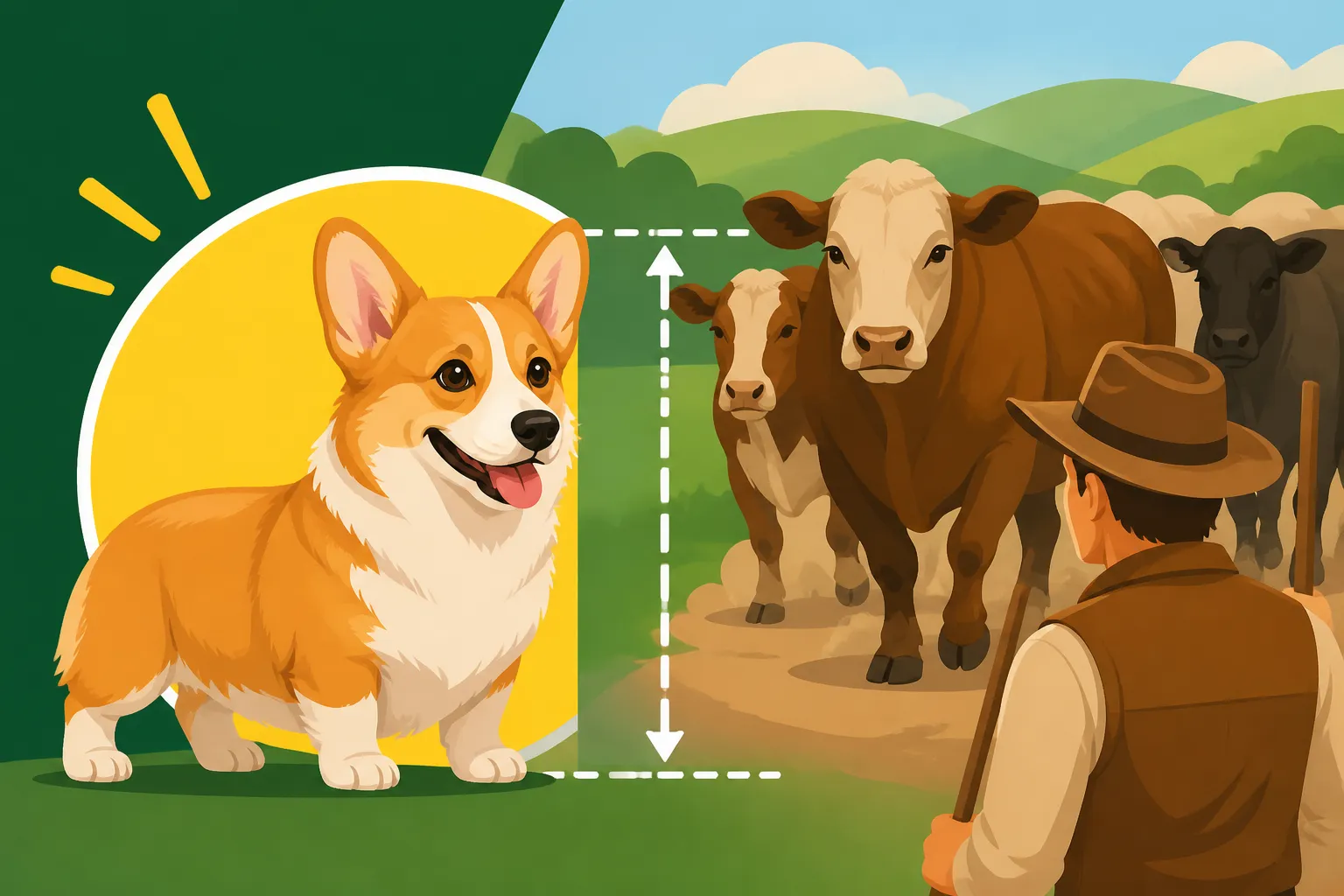
Unlike the larger herding breeds that might use their presence and bark to move cattle from a distance, the Corgi's method was far more intimate and strategic. They were "heel nippers," designed to dart in, deliver a quick nip to the cattle's lower legs, and then quickly duck out of the way. This specific technique required a particular physical attribute: an extremely low center of gravity and a height that placed them directly beneath the animals' most dangerous weapons – their hooves. This isn't just about being small; it's about being strategically small.
The Perilous Job: Why Being Low Was a Lifesaver for Corgis
Working massive, hoofed animals like cattle comes with inherent dangers. A single kick from a cow or bull could be lethal. The Corgi's short stature wasn't an aesthetic choice; it was a fundamental survival mechanism developed through generations of selective breeding.
Dodging the Deadly Kicks of Cattle
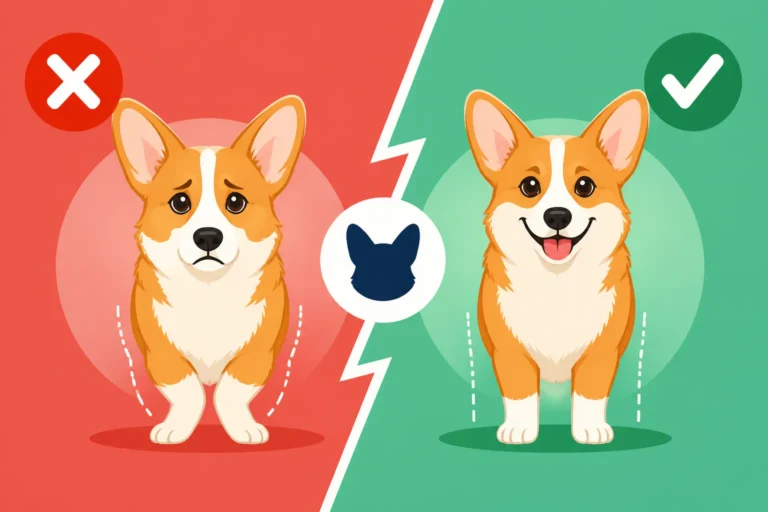
Cattle kick. It's a simple, undeniable fact, and their kicks are powerful enough to break bones. A dog standing eye-level with a cow's belly or mid-leg is in constant danger. But a dog that is only a few inches high, like the Corgi, literally moves under the danger zone. When a cow lashes out, its hoof swings over the Corgi's head. This instinctual defensive maneuver of the cattle, which would be devastating to a taller dog, often sailed harmlessly over the Corgi's low back.
This protective design meant that Corgis could get incredibly close to the cattle, often right under their bellies, to deliver those vital nips to the hocks and heels. They could work effectively without constantly risking life and limb, making them incredibly valuable assets to the drovers. It allowed them to be audacious and persistent, knowing that their unique build offered a degree of safety. The success of the Corgi as a droving dog was inextricably linked to this brilliant adaptation. You can delve deeper into How a Corgi Moved Cattle Without Being Kicked.
The Low Profile Advantage for Stamina and Agility
Beyond simply avoiding kicks, the Corgi's low profile contributed to their stamina and agility in other ways. Their long, strong bodies and short, powerful legs made them incredibly stable. They could maneuver quickly through the uneven terrain of fields and hills, darting around and under cattle without losing balance. This agility was crucial for their heel-nipping strategy, allowing them to make quick, precise movements, and then disappear from harm's way in an instant.
Moreover, being low to the ground meant a lower center of gravity, which could be an advantage when navigating tricky terrain or making sharp turns. They weren't fighting against their own height or bulk; they were built to be compact, efficient, and incredibly robust. This combination of protective height, powerful build, and inherent agility meant they could work tirelessly for hours, keeping the herd moving without fatiguing quickly or getting injured.
Strategic Herding: How Low Stature Enabled Effective Cattle Control
It wasn't just about safety; the Corgi's height was also a strategic tool, directly enabling their unique and highly effective herding style. Their ability to work directly at the heels of cattle was paramount to their success.
The Heel-Nipping Technique: Precision from Below
The core of the Corgi's herding method is the "heel nip." These dogs would approach cattle from behind, swiftly nip at their heels or hocks, and then immediately drop to the ground or dart away. This sudden, sharp sensation would prompt the cattle to move forward, effectively guiding them in the desired direction. This technique is incredibly effective for large animals that might ignore a dog barking from a distance.
The Corgi's height was fundamental to this technique. To deliver a precise nip to the heel, a dog needs to be positioned exactly at that level. A taller dog would have to bend or contort its body, making the movement less efficient and more dangerous. The Corgi, being naturally low-slung, was perfectly aligned. They could quickly approach, deliver the stimulus, and then, thanks to their agility and low profile, disappear before the startled animal could retaliate. This explains Where the Corgi Heel Nip Comes From.
Influencing Herd Movement Without Direct Confrontation
Drovers needed dogs that could influence the herd's movement without causing panic or engaging in direct, dangerous confrontations. A large dog might be seen as a direct threat, leading cattle to become defensive or stampede. The Corgi's method was subtle yet firm. They could break away individual cattle from a group, or encourage the entire herd to pick up pace, all through these targeted nips.
The Corgi's ability to remain largely unseen until the exact moment of the nip was another advantage of their height. They could blend into the lower scrub or simply be overlooked by the towering cattle until they made their move. This element of surprise made their nips more effective and less likely to be anticipated, contributing to their impressive control over the herd. This low visibility, combined with their quick action, made them master manipulators of livestock, proving that sometimes, the smallest solution is the most powerful.
Beyond the Fields: Legacy of Height in Modern Corgis
While most Corgis today are beloved family pets, their distinctive build remains a clear echo of their working past. Understanding "why drovers wanted a Corgi's height" helps us appreciate our modern companions and provides insight into their unique needs.
Understanding the Corgi's Physical Design Today
The same low-slung, long-backed structure that made Corgis exceptional droving dogs also presents certain considerations for modern owners. Their unique physique, a hallmark of the breed, means they are predisposed to certain back conditions, such as Intervertebral Disc Disease (IVDD). This isn't a fault in their design, but a consequence of a body specifically adapted for a very demanding historical role.
Today, we appreciate the Corgi's sturdy frame and powerful legs for their adorable waddle and surprisingly fast bursts of speed, but it's vital to remember the origins. Their short legs and long back are what made them safe and effective under the hooves of cattle. This knowledge empowers owners to make informed decisions about their Corgi's care, from managing their weight to preventing risky jumps. Just like a good drover would, modern Corgi owners must be vigilant about their dog's physical well-being.
Modern Care for a Historically Built Dog
Because of their unique body structure, modern Corgi owners often need to take specific precautions to protect their dog's spine. This includes preventing them from jumping on and off furniture, which can put excessive strain on their long backs. Many owners invest in ramps or steps to help their Corgi navigate furniture safely. Ramps and Steps That Save a Corgi's Back is a great resource for this.
Weight management is also crucial. An overweight Corgi places even more stress on its spine, exacerbating the risks associated with its long-backed build. A healthy, lean body condition helps support their ancestral design. Many owners rely on consistent feeding plans and quality food, perhaps even sourcing specific items from reputable pet supply retailers like Chewy, to maintain their Corgi's ideal weight and overall health. Furthermore, a firm, supportive dog bed, easily found through services like Chewy, can provide vital spinal support during rest. Their heritage as working dogs also means they thrive on mental and physical exercise, even if it's not herding cattle. Engaging in activities like scent work or trick training can fulfill their innate drive without putting undue stress on their backs.
The Corgi's Place Among Herding Breeds
When you compare the Corgi to other herding breeds, its unique adaptation for cattle droving becomes even clearer. Most herding dogs are taller, using their height and speed to command a wider field of view and presence.
| Characteristic | Corgi (Pembroke/Cardigan) | Border Collie | Australian Shepherd |
|---|---|---|---|
| Average Height | ~10-12 inches | ~18-22 inches | ~18-23 inches |
| Original Role | Heel nipping cattle drover | All-purpose herder | All-purpose herder |
| Primary Herding Method | Drives from below, nips heels | Gathers, uses "eye" and body | Gathers, uses body and bark |
| Risk from Kicks | Very Low | Moderate | Moderate |
| Visibility to Stock | Low | High | High |
This table illustrates how distinct the Corgi's role and physical adaptations were compared to breeds designed for different herding tasks. The Corgi was, and still is, a master of a very specific herding niche – working under the radar, literally, to manage large, dangerous animals. This is why Driving Cattle With a Corgi Six Inches Tall was not just a clever phrase, but a functional description of their job. Their entire physical makeup, from their powerful, short legs to their long, flexible spine, was engineered for this precise and perilous job. It's a testament to the power of selective breeding and how deeply intertwined the physical traits of a breed are with its historical purpose. The Corgi's height isn't a random trait; it's a badge of honor from a storied past.
Disclaimer
This article is for general informational purposes only and does not constitute professional advice. Laws, prices and regulations vary by location and change over time. Consult a qualified professional for guidance on your specific situation.