Why the Two Corgi Breeds Were Kept Apart
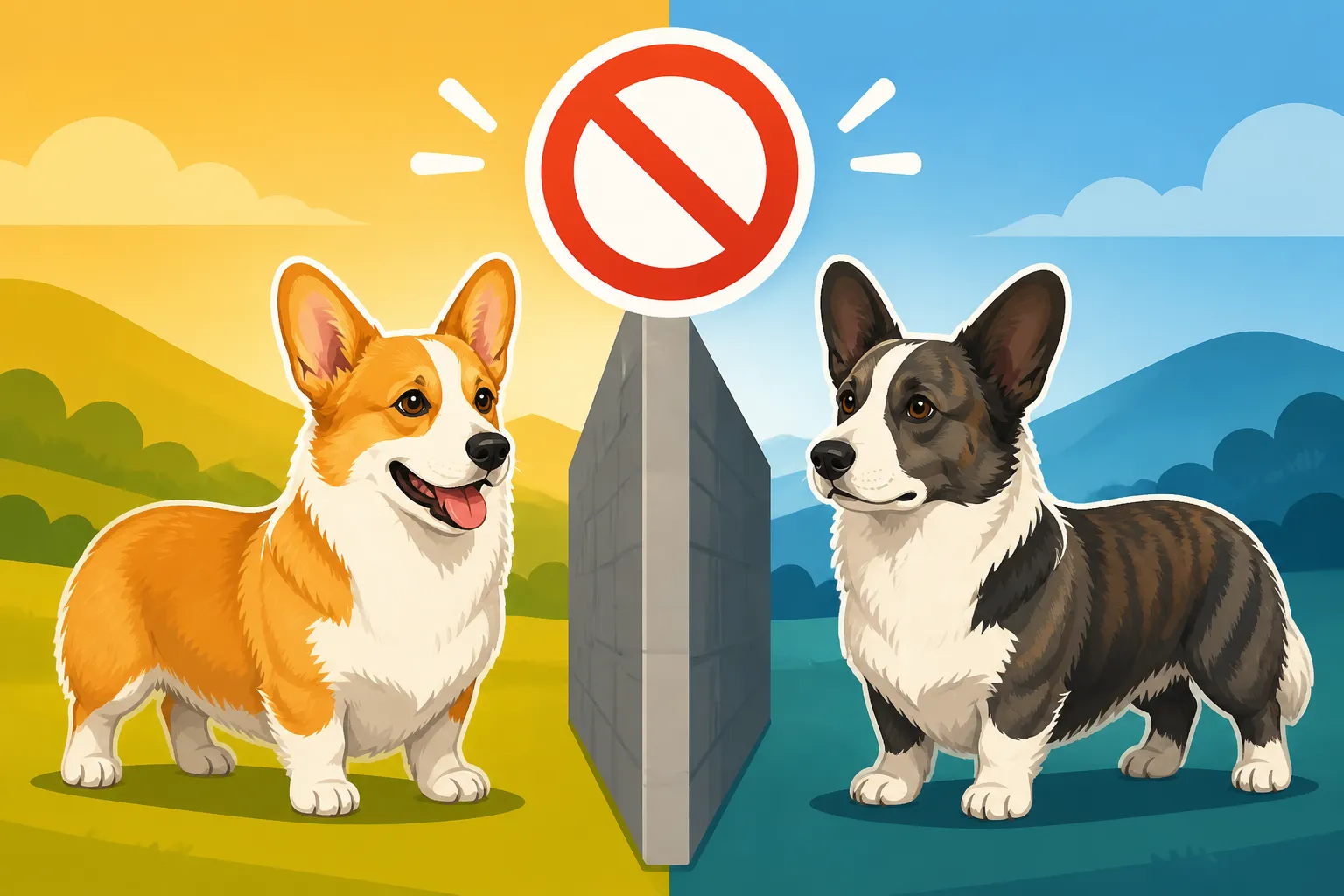
Oh, the Corgi! Those adorable, low-slung, big-eared bundles of joy often get lumped together in people's minds as just "Corgi." But if you're a true enthusiast or, like me, you've spent years with these remarkable dogs, you know there's a world of difference between a Pembroke Welsh Corgi and a Cardigan Welsh Corgi. It's not just a matter of a tail or no tail; these two breeds, while both undeniably Corgi, have distinct histories, appearances, and even temperaments, which is exactly why they've been recognized as separate breeds for so long.
The Ancient Divergence: Deep Roots in Different Lands
It’s easy to assume that because both Corgi breeds hail from Wales, they must be intimately related, perhaps diverging from a common ancestor just a few centuries ago. But the truth is far more fascinating and ancient. The Cardigan and Pembroke Corgis developed in different geographical areas of Wales, largely isolated from each other for centuries, which led to their distinct evolutionary paths. Their separation wasn't an arbitrary decision by kennel clubs but a recognition of their already established differences rooted deep in history and geography.
Cardigan: The Older, More Primitive Line
Imagine the rugged, wild landscape of Cardiganshire in West Wales. This is the ancestral home of the Cardigan Welsh Corgi, a place where life was tough and dogs needed to be hardy, resourceful, and incredibly resilient. The Cardigan is widely considered the older of the two breeds, with a lineage that stretches back over a thousand years, perhaps even to the Bronze Age, linked to the dogs brought by Celtic tribes. They are thought to be descendants of the Teckel family of dogs, which also includes the Dachshund, evidenced by their larger bones and more robust build. This ancient heritage means they have a more primitive appearance, often described as fox-like, with a broad skull and larger, rounded ears.
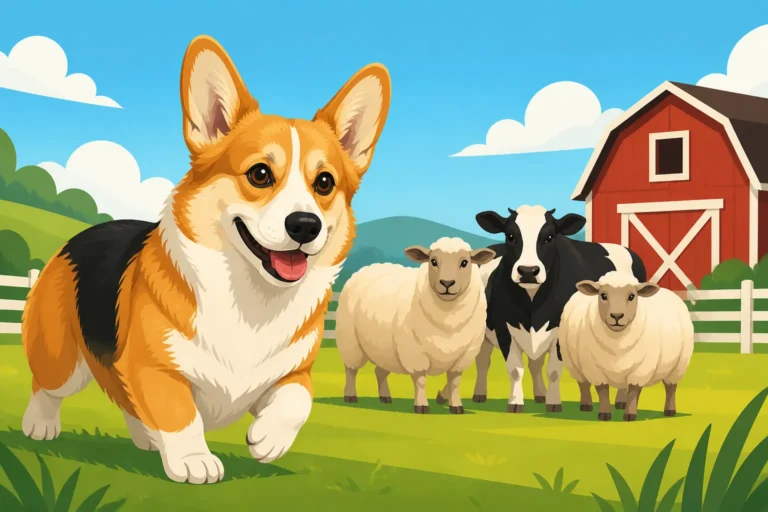
Their development was driven by the needs of the drovers and farmers of Cardiganshire, who required a dog that could work large herds of cattle across challenging terrain. This wasn't a job for a dainty dog; it required strength, stamina, and an independent spirit. The Cardigan's distinct look and robust nature weren't just for show; they were essential for survival and for effectively performing their duties as cattle dogs. They were literally "yard-long dogs" (the meaning of "Corgi" in some interpretations), perfect for nipping at the heels of cattle and ducking under their kicks. You can really get a sense of their long history when you read about The Cardigan's Twelve Hundred BC Origins.
Pembroke: A Newer Arrival with Scandinavian Influence
Contrast that with the Pembroke Welsh Corgi, whose story begins in Pembrokeshire, a different county in Southwest Wales. The Pembroke's lineage is generally thought to be much more recent, likely around the 10th century. Their ancestors are believed to have been Spitz-type dogs, brought to Wales by Flemish weavers who migrated to the area. These dogs were likely similar to the modern Swedish Vallhund or even the Norwegian Elkhound, which explains some of the Pembroke’s more foxy appearance, pointed ears, and sometimes a slightly more refined structure compared to the Cardigan.
These Flemish settlers used their dogs for herding and guarding geese, as well as cattle. The job required a quick, agile, and often more vocal dog, able to manage various types of livestock in more enclosed village settings than the wide-open spaces of Cardiganshire. The Pembroke's history, therefore, reflects a different set of working demands and a different genetic contribution. It's a fascinating thought that dogs from completely different ancestral lines ended up fulfilling similar roles in different parts of the same country. This distinct origin story is a huge part of Why the Cardigan and Pembroke Are Not Related in any direct, recent sense.
Physical Distinctions: More Than Just a Tail
For the casual observer, the most glaring difference between a Pembroke and a Cardigan might seem to be the tail, or lack thereof. But if you look closer, these breeds have a host of other physical characteristics that set them apart, reflecting their separate developmental paths and ancestral influences. It’s these consistent differences across generations that necessitate separate breed standards and why they are indeed recognized as Pembroke and Cardigan Are Two Different Breeds.
Head and Body Structure Variations
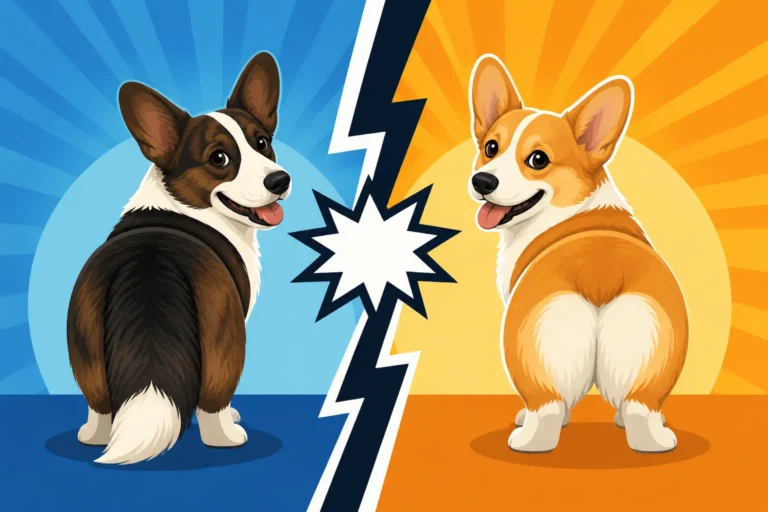
Let's start with their heads. A Cardigan typically has a broader skull, more prominent ears that are usually larger and more rounded at the tips, often set a bit wider apart. Their expression tends to be more earnest, sometimes even a touch serious or thoughtful. The muzzle might be slightly blunter. Their bodies are generally longer in proportion to their height, often described as having a more rectangular or "brick-like" outline. They tend to have a heavier bone structure overall, contributing to their robust appearance. When you feel a Cardigan's bones, they just feel more substantial.
The Pembroke, on the other hand, usually has a more foxy head, with ears that are more pointed and set slightly higher and closer together, often tilting forward. Their expression is often described as more mischievous or alert. The muzzle is a bit more tapered. Pembrokes also tend to be shorter in body length relative to their height, giving them a slightly squarer profile. Their bone structure is usually finer than a Cardigan's, which contributes to their more agile and less weighty appearance. The Corgi Head and Ear Set is a great way to visually compare these subtle yet significant differences, once you know what to look for.
The Iconic Tail: A Key Identifier
Of course, we can't ignore the tail. This is often the first thing people notice when trying to tell the two breeds apart, and for good reason! Most Pembrokes are born with a naturally bobbed tail or have their tails traditionally docked where legal and customary. Historically, docking was done because Pembrokes were working dogs, and a long tail could get caught or injured while herding. While many Pembrokes now sport full, undocked tails due to changing regulations and preferences, the breed standard still often allows for a short tail.
Cardigans, however, are renowned for their long, bushy, fox-like tails that are carried low. This is a signature feature of the breed, and their tails are never docked. Their tail is an extension of their spine and is an important part of their balance, especially when making quick turns while working livestock. It's so integral to their identity that it's often referred to as a "fox brush." So, if you see a Corgi with a magnificent, flowing tail, you’re almost certainly looking at a Cardigan. This difference is stark and easily verifiable when you delve into Cardigan Tails Against Pembroke Tails.
Size and Proportions: Subtle Yet Significant
While both breeds are undeniably "dwarf" dogs with short legs, there are subtle differences in their overall size and weight that differentiate them. Cardigans tend to be a bit larger and heavier than Pembrokes. They might stand an inch or so taller at the shoulder and often weigh several pounds more. For instance, a male Cardigan might weigh closer to 30-38 pounds, while a male Pembroke typically weighs 28-30 pounds. This difference in mass reflects the Cardigan’s heavier bone structure and slightly more substantial build, which aligns with their ancient, robust working dog lineage.
This difference in size, while not dramatic, contributes to their overall silhouette and how they carry themselves. A Cardigan often looks and feels more "solid" when you greet one, while a Pembroke might feel a bit more compact and agile. These variations, though small, are consistent enough to be included in their breed standards and contribute to their distinct identities. It’s these very details that help answer the question of What a Pembroke Weighs Against a Cardigan. When considering a Corgi, especially for activities or fitting into specific spaces, these nuanced differences in size can matter. For those looking for supplies, remember that things like harnesses or larger beds might be needed for the generally bigger Cardigan, available from retailers like Chewy.
Temperament and Working Styles: Different Jobs, Different Personalities
It's not just their looks; the Corgi breeds also display nuances in their personalities and how they approach life, stemming from the different demands of their original working roles. While both are intelligent, affectionate, and capable herding dogs, their historical occupations subtly shaped their temperaments, leading to identifiable traits that endure today.
The Cardigan's Steady, Thoughtful Demeanor
The Cardigan Welsh Corgi often presents as the more laid-back, somewhat serious, and exceptionally thoughtful of the two. Their ancient roots in more isolated, rugged farming communities meant they needed to be self-reliant and possess a strong sense of purpose. They often have a longer "fuse" and a more placid nature, not easily ruffled. This isn’t to say they aren’t playful or energetic—they certainly are—but they might approach new situations with a bit more caution and observation before diving in. They are known for their unwavering loyalty and deep bond with their families. Many Cardigan owners describe their dogs as having a certain gravitas, a wisdom in their eyes that speaks of centuries of careful observation.
Their working style involved covering vast distances, often independently guiding large cattle. This required a dog that could think for itself, make decisions on the fly, and persist in its task without constant human direction. This independence translates into a dog that, while highly trainable, might take a moment to process a command before executing it, not out of stubbornness, but out of thoughtful consideration. They are often described as having a "big dog" personality in a small dog's body, robust and courageous.
The Pembroke's Spirited, Quick-Witted Nature
The Pembroke Welsh Corgi, by contrast, is often described as more vivacious, outgoing, and possessing a boundless zest for life. With their origins tied to the more compact farms and villages, and perhaps even some early roles guarding geese, they developed a quicker, more reactive intelligence. Pembrokes are often seen as more overtly playful, eager to be the center of attention, and sometimes a bit more "talkative" with their barks and characteristic "Corgi chatter." They are often very keen to please and respond enthusiastically to training, thriving on interaction and mental stimulation.
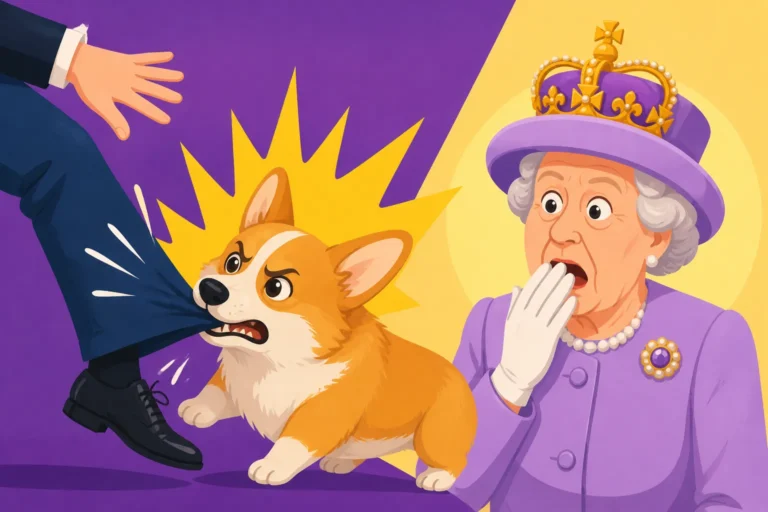
Their traditional work involved quick bursts of activity, nipping at heels, and moving smaller, faster livestock like geese. This required speed, agility, and a cheerful disposition to keep things moving. This energy and quick wit translate into a dog that is often more impulsive, ready for action, and delights in being involved in all family activities. They can be quite bossy and have a strong herding instinct that sometimes expresses itself by nudging or attempting to "herd" family members, especially children. If you find your Corgi consistently nipping at ankles, you're experiencing that strong herding drive firsthand, a trait that’s often more pronounced in Pembrokes. Providing engaging chew toys from Chewy can sometimes redirect these natural instincts.
Early Recognition and Kennel Club Decisions: Formalizing the Split
Despite their separate origins and distinct characteristics, the two Corgi breeds were, for a time, grouped together and exhibited as one. It wasn't until the early 20th century that their differences were formally recognized, leading to their official separation by kennel clubs. This decision was pivotal in preserving the unique traits of each breed and acknowledging their long-standing divergence.
Competing as One, Then Splitting
In the early days of dog shows and kennel club registrations, particularly in the UK, the nuances between the Cardigan and Pembroke Corgis were often overlooked or simply not fully understood. They were frequently shown together under the generic classification of "Welsh Corgi." This situation was confusing for judges and breeders alike, as dogs with vastly different appearances and histories were being judged against a single, often vague, standard. Imagine trying to compare a sleek Whippet with a sturdy Greyhound under one "Sighthound" category! It just didn't make sense to breed and improve distinct lines if they weren't recognized for what they were.
This period highlighted the need for clearer definitions. Breeders dedicated to either the Cardigan or the Pembroke lines began to advocate for separate recognition, emphasizing the consistent differences in their physical traits, temperament, and historical backgrounds. They saw the potential for dilution of their beloved breeds if the distinctions were not formalized. They knew these were not just variations of the same dog, but truly distinct entities that deserved their own place in the canine world.
The 1934 Separation: A Landmark Decision
The persistent efforts of breeders and enthusiasts eventually paid off. In 1934, the British Kennel Club officially recognized the Pembroke Welsh Corgi and the Cardigan Welsh Corgi as two distinct breeds. This was a landmark decision that validated centuries of separate development. From that point on, each breed would have its own breed standard, its own classes at dog shows, and its own lineage tracking. This meant that breeders could focus on refining the specific characteristics of their chosen breed without the pressure of conforming to a generalized "Corgi" ideal.
This separation was crucial for maintaining the genetic integrity of both breeds. It prevented cross-breeding between the two, which could have blurred their unique lines and potentially introduced undesirable traits from one into the other. For instance, imagine if the distinct tail of the Cardigan or the foxy head of the Pembroke became diluted through indiscriminate mixing. This formal split also played a role in how they were recognized internationally, with other kennel clubs following suit. You can learn more about this historical moment by reading The 1934 Split Into Pembroke and Cardigan. It truly cemented their individual identities in the modern dog world.
Maintaining Distinct Breed Standards
Following the official split, both the Pembroke and Cardigan breeds were given their own detailed breed standards. These documents meticulously describe the ideal physical appearance, temperament, and movement for each breed. They cover everything from ear set and eye color to body proportions and gait. These standards serve as blueprints for ethical breeders, guiding their breeding programs to produce dogs that embody the essence of their respective breeds.
For instance, the Cardigan standard specifically calls for a long, fox-like tail, while the Pembroke standard allows for a naturally bobbed or docked tail (where permissible). The Cardigan standard describes a heavier bone structure and a slightly longer body, while the Pembroke standard emphasizes a more foxy appearance and a slightly less elongated body. These distinct standards ensure that even as breeders strive for excellence, they are working towards different, specific goals for each Corgi type. This commitment to maintaining separate standards has ensured that despite their shared "Corgi" name and endearing short stature, the distinct qualities of each breed continue to thrive. Breeders meticulously track pedigrees and perform health testing to ensure they are adhering to these standards, often purchasing testing kits and supplies through reputable pet retailers like Chewy.
Genetic Heritage and Health Profiles: Underlying Differences
Beyond the visible distinctions and historical anecdotes, there are also underlying genetic differences that underscore why the Cardigan and Pembroke Corgis were kept apart. While they share some common breed health concerns due to their chondrodystrophic (dwarfism) genetics, their separate gene pools mean they are predisposed to different specific conditions, further solidifying their status as distinct breeds.
Distinct Gene Pools and Inherited Conditions
The genetic separation of the Cardigan and Pembroke means they have largely independent gene pools. While both breeds are predisposed to conditions related to their long backs and short legs, such as intervertebral disc disease (IVDD) – a risk for any chondrodystrophic breed – they also carry different genetic markers for other health issues. For example, the Pembroke Welsh Corgi is known to be at a higher risk for Degenerative Myelopathy (DM), a progressive neurological condition. While Cardigans can also be affected by DM, the prevalence and specific genetic mutations (like SOD1) associated with it tend to be more thoroughly studied and discussed within the Pembroke community. Degenerative Myelopathy and the Corgi is a serious concern for Pembroke owners and highlights the importance of genetic testing.
Conversely, Cardigans might have a slightly different set of genetic predispositions. For instance, progressive retinal atrophy (PRA), an eye condition that can lead to blindness, has been identified in both breeds, but the specific forms and genetic markers can differ. There are also subtle differences in hip and elbow dysplasia rates, though both breeds are screened for these conditions. The DNA Tests a Corgi Breeder Should Run are vital for both breeds, but the panel of tests often includes specific markers relevant to each individual Corgi type, reflecting their distinct genetic risks. This divergence in genetic health profiles further supports the decision to recognize them as separate breeds, allowing for targeted health screening and responsible breeding practices within each line.
Breeding Practices and Genetic Diversity
The formal separation into two distinct breeds has also profoundly impacted breeding practices. Responsible breeders of Pembrokes focus on health clearances and genetic testing relevant to their breed's specific predispositions, while Cardigan breeders do the same for theirs. This focused approach helps to maintain genetic diversity within each individual breed while simultaneously working to reduce the incidence of known genetic health problems. Without this separation, cross-breeding could have inadvertently introduced or exacerbated health issues by mixing different genetic predispositions.
Maintaining separate breeding programs also allows breeders to preserve the unique physical and temperamental traits that define each Corgi type. Imagine if a breeder, aiming for a Pembroke's foxy head, accidentally bred in a Cardigan's broader skull shape. While both are charming, it would blur the distinct characteristics established over centuries. The efforts to keep these breeds apart, both historically and through modern breeding practices, are a testament to the appreciation for their individual legacies. It’s a way of honoring their unique journeys and ensuring that future generations of Corgi lovers can appreciate the delightful differences that make each breed so special. When picking a puppy, asking a breeder about the specific health tests for their breed, available from various labs or through kits found on Chewy, is always a smart move.
Table of Key Differences Between Pembroke and Cardigan Corgis
To help visualize the distinctions we've discussed, here's a quick comparison of some key characteristics:
| Feature | Pembroke Welsh Corgi | Cardigan Welsh Corgi |
|---|---|---|
| Origin | Pembrokeshire, Wales (Flemish/Spitz influence) | Cardiganshire, Wales (Teckel/Celtic influence) |
| Tail | Naturally bobbed or docked (historically) | Long, fox-like, undocked |
| Head Shape | More foxy, tapered muzzle, pointed ears | Broader skull, larger rounded ears |
| Body Shape | Slightly shorter in body, more compact | Longer body, more robust, heavier bone |
| Size/Weight | Generally smaller, lighter (e.g., 28-30 lbs male) | Generally larger, heavier (e.g., 30-38 lbs male) |
| Temperament | Often more outgoing, vivacious, quick-witted | Often more placid, thoughtful, steady |
| Ancestry | Spitz-type dogs (e.g., Swedish Vallhund) | Teckel family (e.g., Dachshund) |
| Ear Set | Pointed, set higher and closer | Larger, rounded tips, set wider apart |
| Primary Colors | Red, sable, fawn, black & tan (with/without white) | All Corgi colors, including blue merle and brindle |
This table provides a snapshot, but as any Corgi owner will tell you, each dog is an individual! However, these distinctions are generally reliable markers for telling the breeds apart and understanding Telling a Pembroke From a Cardigan on Sight.
Disclaimer
This article is for general informational purposes only and does not constitute professional advice. Laws, prices and regulations vary by location and change over time. Consult a qualified professional for guidance on your specific situation.