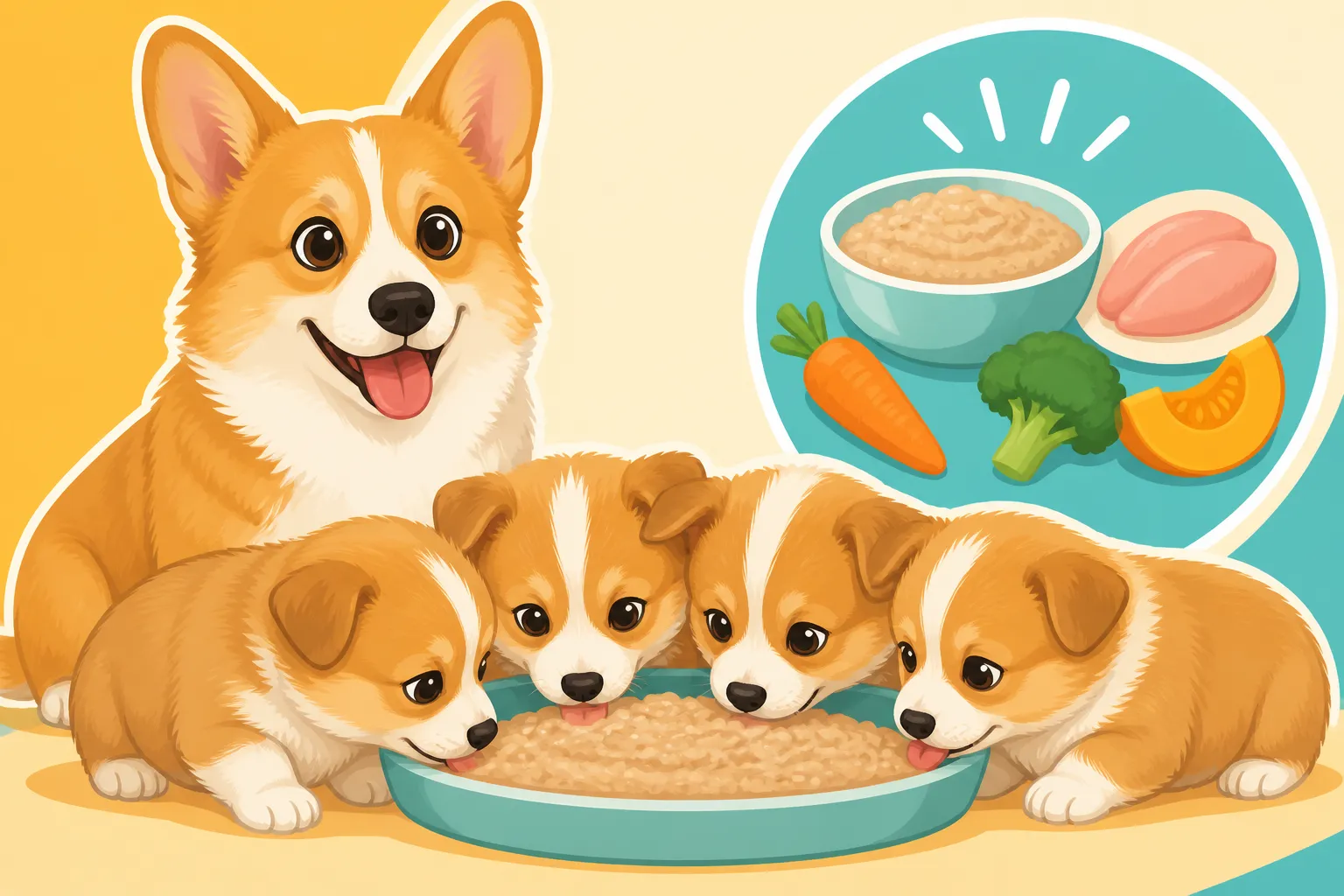
Weaning Food for a Corgi Litter
Bringing a litter of Corgi puppies into the world is an absolute joy, but it also comes with a lot of responsibility, and one of the most significant transitions for those little fluffballs is weaning. It's that messy, sometimes chaotic, but ultimately essential phase where they move from mama's milk to solid food. This guide is here to walk you through everything you need to know about introducing weaning food to your Corgi litter, helping you navigate this crucial developmental stage with confidence and a little less cleanup stress.
When to Start the Weaning Journey with Corgi Puppies
Deciding exactly when to start introducing solid food to a Corgi litter can feel like a guessing game for first-time breeders or even seasoned owners. You don't want to rush it and stress out the mom or the pups, but you also don't want to delay and miss a critical developmental window. It's all about observing those subtle cues from both the mother and the puppies themselves.
Observing Natural Milestones for Readiness
Generally, Corgi puppies, like most breeds, are ready to start the weaning process around 3 to 4 weeks of age. This isn't a hard and fast rule, but rather a guideline that aligns with several key developmental milestones. At this age, their eyes and ears are fully open, they're becoming more mobile and curious, and critically, their tiny puppy teeth are starting to erupt. If you gently feel their gums, you might notice those little needle-sharp nubs pushing through. These emerging teeth are a clear sign that they're physically capable of processing something more substantial than just milk.
Beyond physical signs, look for behavioral cues. Are the puppies starting to show interest in their mother's food bowl? Do they try to sneak a lick or a sniff when she's eating? Are they nursing more aggressively, perhaps causing some discomfort to the mother? These are all indicators that their nutritional needs are increasing beyond what their mother can comfortably supply, and their innate curiosity is leading them towards solid food. It's a natural progression, but we can help it along. You might also want to read about How Many Puppies a Corgi Usually Has to understand the litter size you're typically dealing with.
The Mother Dog's Role in Initiating Weaning
The mother dog, often referred to as the dam, plays a pivotal role in signaling when it's time to start weaning. Nature usually guides this process beautifully. Around the three to four-week mark, as her puppies' teeth begin to emerge, nursing can become quite uncomfortable for her. You might observe her starting to stand up more frequently during nursing sessions, or even gently nudging the puppies away when they try to latch.
Some Corgi mothers are very assertive in their weaning efforts, actively discouraging nursing and seeking short breaks from the constant demands of their rapidly growing litter. Others might be more tolerant, continuing to let the pups nurse longer than ideal. Regardless of her individual temperament, her milk production will also naturally start to decrease around this time, making it harder for the puppies to get their fill solely from her. By observing her behavior, you can gauge her readiness for a little relief and recognize that it's time to step in and offer supplementary food. Remember, supporting the mother through this transition is just as important as feeding the pups.
Choosing the Right First Foods for Your Corgi Litter
When it comes to introducing solid foods, the quality and type of food you offer are paramount for setting your Corgi puppies up for a lifetime of good health. You're aiming for something highly digestible, nutrient-dense, and palatable to encourage them to eat.
The Ideal Consistency and Temperature
For their very first forays into solid food, Corgi puppies need something that's incredibly easy to lap up and swallow, preventing any choking hazards or digestive upset. Think of a gruel-like consistency, similar to a very thick milkshake or a thin oatmeal. You can achieve this by taking a high-quality puppy kibble and soaking it thoroughly in warm water or unflavored, unsweetened goat's milk (never cow's milk, as many puppies are lactose intolerant). Let it sit until the kibble is fully softened, then mash it with a fork or blend it lightly to create a smooth, easy-to-eat paste.
The temperature is also key. It should be lukewarm, mirroring the warmth of their mother's milk. Testing a small dab on your wrist, just like you would a baby's bottle, is a good practice. Food that's too hot can burn their delicate mouths, and food that's too cold might be unappealing or even cause stomach upset. Offer small portions at first, spread thinly on a low, shallow dish, giving them plenty of room to explore and get messy.
Selecting a High-Quality Puppy Food Base
The foundation of your weaning food should always be a high-quality, complete, and balanced puppy formula. Do not be tempted to use adult dog food, as it lacks the concentrated nutrients and calories that rapidly growing Corgi puppies need. Look for brands that are specifically formulated for puppies or "all life stages," especially those catering to small or medium breeds, which Corgis typically fall under in terms of their nutritional needs. These foods are packed with the right balance of proteins, fats, vitamins, and minerals essential for healthy development.
When choosing a kibble, prioritize ingredients lists that feature real meat as the first ingredient (e.g., chicken, lamb, beef). Avoid foods with excessive fillers, artificial colors, or preservatives. Many reputable brands offer excellent puppy-specific formulas. You can often find a wide selection and read reviews on platforms like Chewy or Amazon, making it easier to compare options. Some owners even consider specialized services like Ollie, which can offer fresh, portioned meals, though for weaning a whole litter, traditional high-quality kibble softened with water is usually the most practical and veterinarian-recommended starting point. Make sure the food is appropriate for a growing pup, keeping in mind the long-term goal of maintaining Keeping a Growing Corgi Puppy on the Thin Side.
Avoiding Common Weaning Food Mistakes
It's easy to make mistakes during weaning, especially if you're new to the process. One of the biggest pitfalls is introducing adult dog food too early. Adult food simply doesn't provide the caloric density or the specific nutrient profile that a rapidly growing Corgi puppy requires for bone development, muscle growth, and immune system support. Their tiny bodies are working overtime, and they need fuel tailored to that intense growth phase.
Another common mistake is offering cow's milk. While it might seem intuitive, many puppies are lactose intolerant, and cow's milk can lead to diarrhea, stomach upset, and dehydration, which can be dangerous for young puppies. If you need a liquid other than water to soften kibble, plain, unsweetened goat's milk is a much safer alternative, as its composition is often better tolerated by canine digestive systems. Also, avoid sudden changes in food. If you decide to switch brands, do so gradually, mixing increasing amounts of the new food with decreasing amounts of the old over several days to prevent digestive upset. Finally, resist the urge to add human food scraps; these can upset their delicate stomachs or provide inappropriate nutrition. Be mindful of potential issues like A Corgi That Cannot Hold Its Dinner Down, which can be exacerbated by incorrect foods.
Step-by-Step Guide to Introducing Weaning Foods
Starting the weaning process requires patience and a gentle approach. Remember, it's a new experience for these little Corgi pups, and they'll need time to adjust.
The "Puppy Mush" Introduction
Your first step is to introduce the "puppy mush." Prepare a small amount of the gruel-like mixture as described above (high-quality puppy kibble softened with warm water or goat's milk). Place it in a shallow, wide-mouthed dish – something that won't tip over easily and allows multiple puppies to access it simultaneously without crowding too much. A baking dish or a large, heavy ceramic plate works well.
Choose a quiet time when the puppies are awake and a little hungry but not ravenous. This is usually after they've had a short nap but before they're desperately seeking their mother. Present the dish to them in their designated feeding area, perhaps inside their whelping box or a clean, easy-to-sanitize puppy pen. At first, they might just sniff it, walk through it, or even try to nurse the dish! You can gently dip a finger into the mush and offer it to them to lick, or even dab a tiny bit on their lips to stimulate interest. It might take a few tries over a day or two before they really start getting the hang of lapping. Plan for short sessions, maybe 5-10 minutes, a couple of times a day.
Gradual Transition to Solid Kibble
Once your Corgi puppies are confidently lapping up the mush, you can begin the gradual transition towards solid kibble. This isn't a race; slow and steady wins the game for happy puppy tummies. Over the next week or two, you'll progressively reduce the amount of liquid you add to the kibble, making the mixture thicker and less soupy. You might start by adding less water, then move to simply soaking the kibble without mashing it as much, allowing them to chew on softer pieces.
Eventually, you'll transition to offering dry kibble, initially mixing a small amount of dry with their softened food, then gradually increasing the dry proportion until they are eating entirely dry kibble. This process usually spans from about 4 weeks to 6-8 weeks of age. Simultaneously, you should increase the number of meals per day, perhaps offering three to four small meals, and also slowly increase the quantity of food at each meal. By the time they are 6-8 weeks old, they should be eating dry puppy kibble comfortably and primarily relying on solid food rather than their mother's milk. Refer to How Often a Corgi Puppy Is Fed Before Six Months for guidance on feeding frequency.
Managing the Mess and Maintaining Hygiene
Let's be realistic: weaning a litter of Corgi puppies is going to be messy. Very, very messy. Those short legs mean they'll be walking through their food, tracking it, and generally decorating the area. Embrace the chaos, but also be prepared with a solid cleanup strategy. Designate a specific, easy-to-clean area for feeding. This might be a puppy pen with washable flooring, old towels, or newspaper spread out beneath their dishes. After each feeding, remove the food dishes immediately. Don't leave wet food sitting out, as it can quickly become a breeding ground for bacteria.
After they finish eating, wipe down each puppy's face, paws, and belly with a warm, damp cloth. This prevents food from drying and caking on their fur, which can lead to skin irritation or attract flies. Regular cleaning of their feeding area and bedding is crucial to prevent the spread of parasites and maintain a healthy environment. Good hygiene is paramount for the health of the entire litter and helps prevent issues before they begin.
Important Considerations During Corgi Weaning
Weaning isn't just about food; it's a holistic process that requires careful observation of each puppy's overall well-being.
Monitoring Weight and Health
Throughout the weaning process, it's incredibly important to monitor each Corgi puppy's weight and general health daily. Puppies should be steadily gaining weight. A sudden plateau or, worse, a loss of weight, is a red flag that needs immediate attention. Use a kitchen scale to weigh them, ideally at the same time each day, and keep a record. This data will help you identify any individuals who aren't thriving or might need extra support.
Beyond weight, observe their overall demeanor. Are they energetic and playful? Are their stools firm and well-formed (though some soft stools can be normal during transition)? Look out for any signs of illness such as lethargy, vomiting, persistent diarrhea, coughing, or nasal discharge. If you notice any concerning symptoms, or if a puppy seems reluctant to eat, don't hesitate to contact your veterinarian. Early intervention can make a huge difference. Understanding The Body Condition Score a Corgi Owner Aims For will also be helpful as they grow.
Ensuring Adequate Hydration
As puppies consume less of their mother's milk, their need for an alternative water source increases dramatically. Always ensure there is fresh, clean drinking water readily available for your Corgi litter. Use a shallow, heavy ceramic bowl that won't tip over easily and is wide enough for several pups to drink from. Change the water frequently throughout the day to keep it fresh and clean.
Initially, some puppies might not understand how to drink from a bowl. You can gently dip your finger in the water and let them lick it, or tap the water surface to create ripples and pique their interest. Dehydration can be a serious risk for young puppies, especially if they experience diarrhea, so access to water is non-negotiable.
Addressing Picky Eaters or Overeaters
Just like humans, Corgi puppies have individual personalities, and that extends to their eating habits. You might find one or two particularly enthusiastic eaters who try to push others away, or a more timid pup who struggles to get enough food. To address this, consider feeding puppies separately in smaller groups if necessary, or use multiple feeding dishes to reduce competition. Observe them closely during feeding times to ensure everyone is getting their fair share.
For the picky eaters, persistence is key. Offer the mush at different times, try warming it slightly, or even add a tiny bit of low-sodium chicken broth (ensure no onion or garlic, which are toxic to dogs) to make it more appealing. Avoid hovering or making a big fuss, as this can inadvertently teach them that being picky gets attention. For those who seem to overeat, controlled portions are essential. Corgis are notoriously food-motivated and can easily become overweight, even as puppies. While a chubby puppy might look cute, it's important to remember that Whether a Chubby Corgi Puppy Is a Problem because excess weight at a young age can predispose them to health issues later on.
The Role of the Mother and Litter Dynamics During Weaning
Weaning is a transition for the mother dog as much as it is for the puppies. It also profoundly impacts the social dynamics within the litter.
Supporting the Mother Dog Through Weaning
The mother Corgi has worked incredibly hard, nursing her growing litter around the clock. As weaning progresses, it's crucial to support her physically and emotionally. Continue to feed her a high-quality, calorie-dense diet, as her body is still recovering and producing some milk. Monitor her mammary glands closely for any signs of engorgement or mastitis (redness, heat, pain, hard lumps). As the puppies rely less on her, her milk production should naturally decrease, but if her glands become overly full or painful, consult your vet.
It's also important to give her breaks from her demanding puppies. As they start eating solid food, you can gradually increase the time she spends away from them, allowing her to rest and recover. This also helps the puppies become more independent. Offer her a quiet, comfortable space where she can relax without the constant tugging of little mouths.
Observing Littermate Interactions
Weaning is a critical period for puppies to learn important social skills from their littermates. As they compete for food, they learn about sharing, boundaries, and hierarchy. You'll likely observe some playful nipping, growling, and jostling around the food bowl. This is normal and a healthy part of their development. It teaches them bite inhibition and how to communicate effectively with other dogs.
However, keep an eye out for any excessive aggression or bullying, where one puppy consistently prevents others from eating. In such cases, you might need to intervene by providing multiple feeding stations or separating the more dominant puppy for a short time to ensure everyone gets enough. This is also a good time to observe them for general social development, which will be important for their future interactions with other dogs and people.
The Final Stages of Full Weaning
By the time Corgi puppies reach 6 to 8 weeks of age, they should be fully weaned from their mother's milk and eating solid puppy food exclusively. This means they are no longer relying on their mother for nutrition, though she might still allow them to nurse occasionally for comfort or discipline. At this point, they should be robust, active, and gaining weight consistently on their solid food diet.
This milestone is important because it aligns with when puppies are typically ready to go to their new homes. They are metabolically independent and have developed foundational social skills with their littermates. This is also the age when they will start needing their first round of vaccinations and deworming. For more information on their early care, you might find The Vet Visits a Corgi Puppy Needs First helpful. It's a busy but incredibly rewarding time, preparing these little Corgis for their big adventure in the world!
| Weaning Stage (Approximate Age) | Key Milestones | Recommended Food Type & Consistency | Actions for Owners |
|---|---|---|---|
| 3-4 Weeks | Teeth erupting, increased mobility, curiosity. | Puppy kibble soaked to a thin, smooth gruel with warm water/goat's milk. | Introduce in shallow dishes 2-3 times/day. Dip finger in food. Monitor interest. Start with tiny portions. |
| 4-5 Weeks | Lapping confidently, more active. | Puppy kibble soaked to a thicker mush, less blending. | Increase portion size & frequency (3-4 times/day). Reduce liquid slightly. Monitor weight gain. |
| 5-6 Weeks | Eating mush well, stronger chewing. | Softened but recognizable kibble pieces, less water. | Gradually decrease water content. Encourage chewing. Ensure fresh water is always available. |
| 6-8 Weeks | Fully weaned, active, social. | Dry puppy kibble. | Offer dry kibble. Maintain 3-4 meals/day. Continue monitoring weight & health. Prepare for new homes. |
Disclaimer
This article is for general informational purposes only and does not constitute professional advice. Laws, prices and regulations vary by location and change over time. Consult a qualified professional for guidance on your specific situation.