Corgi Coat Color Changing With Age
It’s a common moment for Corgi parents: you look at your sweet pup one day and realize their fur isn't quite the same shade it was a few months ago. Maybe that vibrant red puppy coat has mellowed, or perhaps a hint of silver is appearing around their muzzle much sooner than you expected. This shift in Corgi coat color can be surprising, and sometimes a little worrying, but most often, it's a completely normal part of their journey. This guide will walk you through the fascinating world of Corgi coat transformations, helping you understand why these changes happen, what to expect at different life stages, and when a color change might warrant a closer look from your vet.
The Science Behind Corgi Coat Color Changes
Our Corgis are magnificent little creatures, and their coats are a big part of their charm. Those rich colors, from deep reds to striking black-and-tans, are the result of complex genetic interactions and biological processes. When you see a change in their coat color, it’s not magic; it’s science at play.
The Genetic Blueprint
Every Corgi's coat color is primarily determined by their genetics. Think of it like a carefully written instruction manual passed down from their parents. Genes control the type and amount of melanin produced in their hair follicles, which are the tiny structures in the skin responsible for growing hair. There are two main types of melanin: eumelanin, which produces black and brown pigments, and phaeomelanin, which creates red and yellow hues. The combination and intensity of these pigments, dictated by their unique genetic code, give your Corgi their distinctive color. For example, a Corgi that's genetically "sable" might have hairs that are red at the base but tipped with black, creating a beautiful, shaded appearance.
As Corgis mature, some of these genetic instructions can lead to subtle or even dramatic shifts. It's not that their genes are changing, but rather how those genes express themselves over time. Certain genes might dictate a different intensity of pigment production as the dog ages, leading to a natural lightening or darkening. This is why a puppy with a very dark, almost smoky, sable coat might mature into a lighter, clearer red sable, or a black-headed tri-color might develop more tan points than they had as a tiny pup. It's a predetermined journey, largely, though external factors can play a role.
Melanin Production and Pigmentation
The process of melanin production isn't a static one; it can fluctuate throughout a dog's life. Think of it like a tiny pigment factory in each hair follicle. This factory can speed up, slow down, or even change the type of pigment it produces. When your Corgi is a puppy, their follicles are often working overtime, laying down dense, rich color. As they grow, this process might stabilize, leading to the "true" adult color emerging.
Environmental factors can also influence how efficiently melanin is produced. Things like nutrition, hormonal balances, and even stress can impact the health of hair follicles and, by extension, the vibrancy and consistency of the coat color. For instance, sometimes a dull or fading coat can simply be a sign that the body isn't getting all the building blocks it needs to produce healthy, richly pigmented hair. It’s a delicate balance, and any disruption can show up in their lovely fur.
Environmental Influences
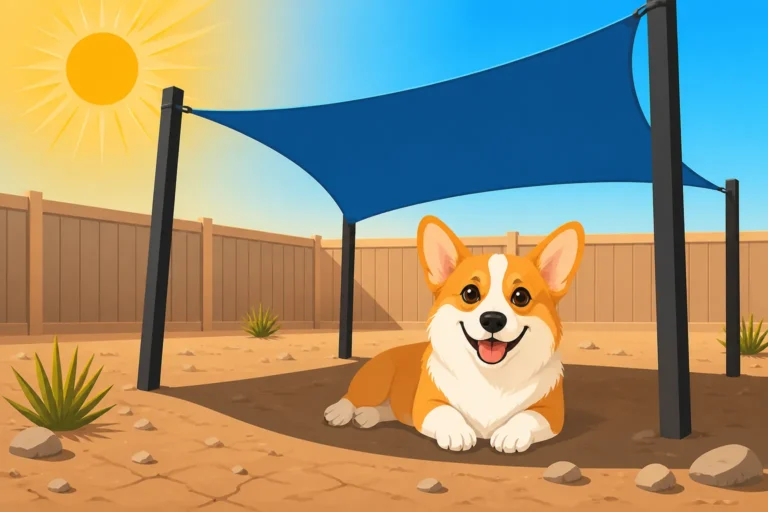
While genetics lay the groundwork, the environment your Corgi lives in can definitely have a say in their coat's appearance. The most obvious culprit? The sun. Just like human hair, a Corgi's coat can lighten or "bleach" with prolonged exposure to UV rays. Those beautiful red and sable coats are particularly susceptible to sun bleaching, often turning a lighter, more faded shade over the summer months.
Beyond the sun, other environmental factors, while less common for outright color changes, can affect the perceived vibrancy or health of the coat. Things like dirt, certain outdoor conditions, or even contact with specific chemicals (think lawn treatments or specialized shampoos) can temporarily alter the look or feel of the fur. However, these are usually surface-level and will either wash out or grow out. The more significant, lasting changes are typically linked to internal processes or consistent external stressors like sun exposure.
Common Color Transformations by Age
Watching a Corgi grow is a joy, and part of that journey involves seeing their coat evolve. What starts as a fluffy, sometimes indistinct, puppy coat will gradually transform into the dense, vibrant double coat of an adult, and then, inevitably, soften with the tell-tale signs of age.
The Puppy Coat Fades and Deepens
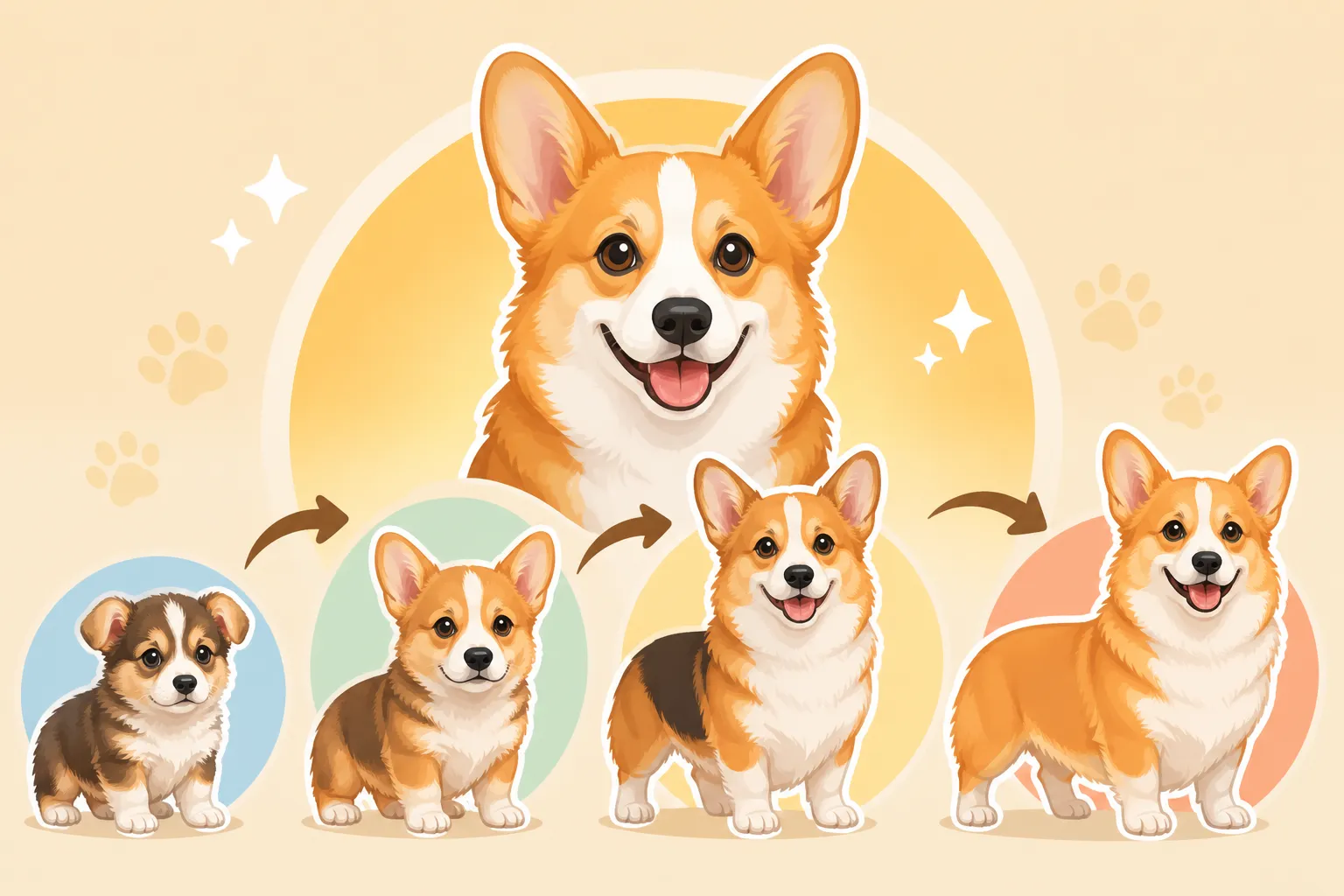
When you first bring home a Corgi puppy, their coat is often incredibly soft and, in many cases, a bit of a mystery! Puppy coats can be deceptive. A sable Corgi puppy might look very dark, almost black, with just a hint of red. Owners often wonder if their dog is truly sable or black and tan. This dark, smoky appearance is common, especially around their back and head. However, as they shed their soft puppy fur and their coarser, denser adult coat starts to come in, typically between 4 to 12 months, you'll start to see their true colors emerge.
That initial darkness often fades, and the red or fawn base color deepens and becomes clearer. The black tipping, if present, might become more defined or, conversely, recede to just a "saddle" on their back or the tips of their ears. This transition is completely normal and is often when the beautiful patterns and rich hues that define the breed truly shine. It's like a painting slowly revealing its masterpiece. Sometimes, even the white markings on a puppy's chest or paws can appear creamier initially, then become a starker, brighter white as they mature. This is a period of great change, so don't be surprised if your Corgi looks quite different from their puppy photos within their first year. For many, the richest colors really settle in by the time they are two years old.
Adult Coat Stabilization and Seasonal Shifts
Once your Corgi moves past the puppy phase, usually around 12 to 18 months, their coat color tends to stabilize. You'll see their definitive red, sable, fawn, or black-and-tan clearly established. However, "stabilize" doesn't mean "never changes." Corgis, with their thick double coats, are renowned for shedding, and this constant turnover of hair can also bring subtle color variations. How Much Hair a Twenty-Eight Pound Corgi Drops is quite a lot, and the new hairs growing in might have slightly different pigmentations based on the season.
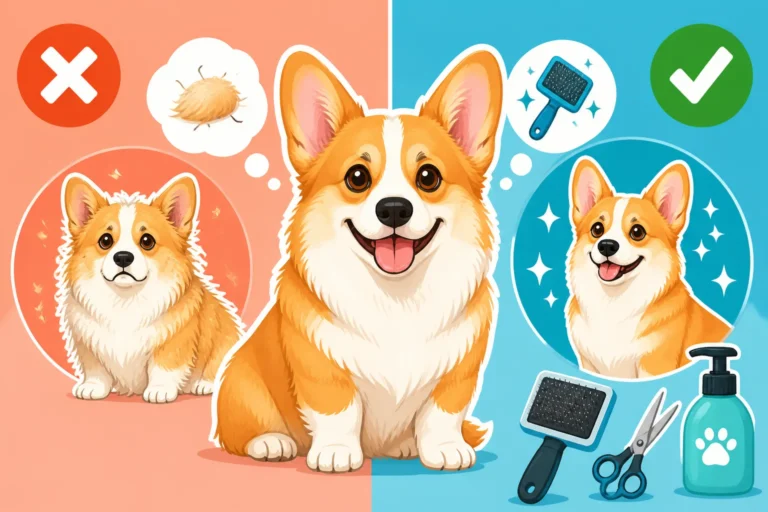
During warmer months, especially if your Corgi spends time outdoors, sun exposure can cause their coat to lighten or bleach, making reds appear more golden or faded. Conversely, after a heavy shed and the growth of a new winter coat, the colors might appear richer and deeper, as these new hairs haven't been exposed to the elements as much. It's a cyclical process. Pay attention to how the color shifts between their summer and winter coats. It’s usually a gradual, uniform change across their body, or in areas heavily exposed to sunlight, like their back. This type of seasonal variation is a hallmark of many double-coated breeds and nothing to worry about.
Senior Graying and Pigment Loss
Just like us, Corgis show their age. The most classic sign is the appearance of graying, typically starting around the muzzle and eyes. For many Corgis, this process begins in their middle years, sometimes as early as 5 or 6, but often becoming more pronounced around 8 or 9 years old. It's a gradual loss of pigment in the hair follicles, leading to white or gray hairs appearing in patches. This graying will then slowly extend to other areas, such as the chin, around the eyes, and even sprinkled throughout the rest of their body, especially their chest and legs.
It’s important to remember that the rate and extent of graying vary greatly from dog to dog. Some Corgis will maintain a fairly dark muzzle well into their senior years, while others will have a frosty face by the time they're six. It's mostly genetic, though stress can sometimes be associated with premature graying in humans, and some speculate it could play a minor role in dogs too. Beyond graying, older Corgis might also experience a general dulling or lightening of their overall coat color due to reduced melanin production. Their vibrant reds might soften to a fawn, or their black-and-tan markings might seem less intense. This is a natural part of When a Corgi Starts Being Treated as Old and generally indicates nothing more than the passage of time.
Here's a quick look at typical Corgi coat changes by age:
| Age Stage | Common Coat Color Changes | What to Expect |
|---|---|---|
| Puppy (0-1 year) | Darkening or lightening, "smoky" sable clarifies to red/fawn, black-and-tan points define. | Significant shifts from initial coloring; true adult color emerges. |
| Adult (1-7 years) | Stabilized base color, potential sun bleaching in summer, deeper color in winter. | Minor seasonal variations; overall color remains consistent year-round. |
| Senior (7+ years) | Graying around muzzle/eyes, general dulling/lightening of overall coat, more white hairs. | Gradual, noticeable graying; less vibrant colors; indicates aging. |
Factors Influencing Coat Color Changes Beyond Age
While age is a primary driver of coat color evolution, it's not the only factor. A range of environmental, nutritional, and health-related elements can also play a role in how your Corgi's coat looks and feels. Understanding these can help you better manage their health and appreciate the nuances of their unique coloring.
Sun Exposure and Bleaching
We all love seeing our Corgis sunbathe, stretched out in a patch of warmth, but prolonged sun exposure can have a noticeable effect on their fur. Just like human hair lightens in the sun, a Corgi's coat can undergo a process called photo-oxidation, or "sun bleaching." This is especially evident in Corgis with red, sable, or fawn coats. What was once a deep, rich red might start to look more orange, faded, or even yellowish after a few months of summer sunshine. The black tips on a sable Corgi's hair might turn a rusty brown.
This is a harmless cosmetic change, not a sign of poor health. The sun's UV rays break down the melanin pigments in the outer layers of the hair shaft. While it's generally nothing to worry about, excessive sun can also dry out the coat, making it brittle. To minimize bleaching and keep the coat healthy, you can limit prolonged direct sun exposure during peak hours, or consider dog-safe sun protective sprays if your Corgi spends a lot of time outdoors. Remember, How a Corgi Handles Hot Weather is also a concern for their overall well-being, not just their coat.
Diet, Nutrition, and Supplements
The old adage "you are what you eat" applies just as much to our Corgis as it does to us, and their coat is a shining (or dulling) indicator of their internal health. A Corgi's diet plays a crucial role in the health, texture, and vibrancy of their coat. A diet lacking in essential nutrients can lead to a dull, brittle coat and, in some cases, a noticeable fading or lightening of color. For instance, deficiencies in certain amino acids (the building blocks of protein), essential fatty acids like Omega-3 and Omega-6, or specific vitamins and minerals (like zinc or copper) can all impact melanin production and hair follicle health.
If your Corgi's coat seems to be losing its luster or its color depth, taking a close look at their food is a good first step. Are they on a high-quality, balanced diet? Are they getting enough protein? Brands like Chewy offer a wide selection of premium dog foods that prioritize these essential nutrients. Some Corgi owners explore fresh food options from providers like Ollie, which can also contribute to a vibrant coat. Sometimes, adding a fish oil supplement to their diet can make a world of difference, boosting healthy skin and a shiny coat. Just be mindful of What a Pembroke Should Weigh when considering dietary changes and supplements, as weight management is crucial for Corgis.
Health Conditions and Medications
While most coat color changes are benign, occasionally they can signal an underlying health issue. Certain medical conditions can affect a Corgi's metabolism, hormone levels, or overall skin health, which in turn can manifest as changes in coat color or quality. For example, Corgi Thyroid Problems, specifically hypothyroidism (an underactive thyroid), can lead to a dull, brittle coat, hair loss, and sometimes a change in color, making it appear lighter or faded. Adrenal gland disorders can also impact coat health.
Skin infections, allergies, or parasites can cause inflammation, excessive licking or scratching (hello, Itchy Skin Under a Corgi's Undercoat!), and subsequent changes in hair texture or even localized discoloration. In rarer cases, certain autoimmune diseases can cause pigment loss in the skin and hair, leading to white patches. Additionally, some medications, particularly long-term use of certain drugs, can sometimes have side effects that include coat changes, such as lightening or texture alteration. If you notice a sudden or dramatic change in your Corgi's coat color or quality, especially if accompanied by other symptoms like lethargy, changes in appetite, or skin irritation, it's always best to consult your veterinarian. They can perform tests, perhaps including Blood Panels for a Corgi Over Ten if your dog is older, to rule out any medical causes.
Distinguishing Normal Changes from Concerns
It's natural to be attentive to our Corgis, and noticing a change in their appearance can be unsettling. But most coat color shifts are perfectly normal and part of their life story. Knowing what to expect and when to seek professional advice is key to keeping your mind at ease and your Corgi healthy.
When to Expect Natural Evolution
As we've discussed, much of a Corgi's coat color evolution is a predetermined, natural process. You should expect significant changes during their first year as their puppy coat gives way to their adult coat. That adorable fluffy pup will mature, and their colors will settle into their permanent adult shade, which might be lighter or darker than you anticipated from their birth coat. For Red, Sable, Fawn and Black-and-Tan Corgis, these transitions are most pronounced.
Seasonal changes are also completely normal. Don't be surprised if your Corgi's coat appears lighter and more sun-bleached in the summer and then deepens again in the cooler months after a good shed. This is just their body's response to the environment. And, of course, the gradual graying of the muzzle and face is an inevitable sign of graceful aging. These changes typically occur slowly, consistently, and without any other concerning symptoms. They’re simply markers of time passing and a healthy Corgi living their best life.
Signs That Warrant a Vet Visit
While most changes are benign, there are certain red flags that should prompt a call to your vet. If you notice sudden, patchy, or uneven changes in coat color, especially if accompanied by hair loss, flaky skin, redness, itching, or a strange odor, it’s definitely time for a check-up. These could be signs of skin infections, allergies, parasites, or hormonal imbalances. For example, a sudden onset of dark, thickened skin or an oily, discolored patch might indicate a yeast infection or other dermatological issue.
Any extreme dullness, excessive brittleness, or a significant, unexplained loss of pigment (like large white patches appearing out of nowhere) should also be investigated. If the coat change is accompanied by other systemic symptoms – things like unusual thirst, changes in appetite, weight loss or gain, lethargy, or behavioral shifts – then a veterinary consultation is essential to rule out underlying illnesses. Remember, your Corgi can't tell you they feel unwell, so observing these physical cues, including coat changes, is crucial. If you're ever in doubt, a quick call to your vet or even ordering supplies for skin and coat health from Amazon can give you peace of mind while you await an appointment.
Recording Changes for Your Vet
If you do notice a coat change that concerns you, or even just one you'd like to track, being able to provide your vet with detailed information can be incredibly helpful. Vets rely on your observations to build a full picture of what's going on. Start by taking regular photographs of your Corgi in similar lighting conditions. This creates a visual timeline that can clearly show the progression or onset of any color changes, which is far more accurate than relying solely on memory.
Make a note of when you first noticed the change, where on their body it's occurring, and how quickly it seems to be progressing. Also, document any other symptoms you've observed, no matter how minor they seem, such as increased scratching, changes in eating habits, activity levels, or temperament. Keep track of any new foods, treats, supplements, or medications you've introduced, as these could sometimes be a factor. This detailed information will allow your vet to ask targeted questions, potentially narrow down causes more quickly, and decide if further diagnostics like skin scrapes, blood tests, or specialized diets are necessary. When it comes to your Corgi's health, being an informed and observant owner makes all the difference.
Disclaimer
This article is for general informational purposes only and does not constitute professional advice. Laws, prices and regulations vary by location and change over time. Consult a qualified professional for guidance on your specific situation.