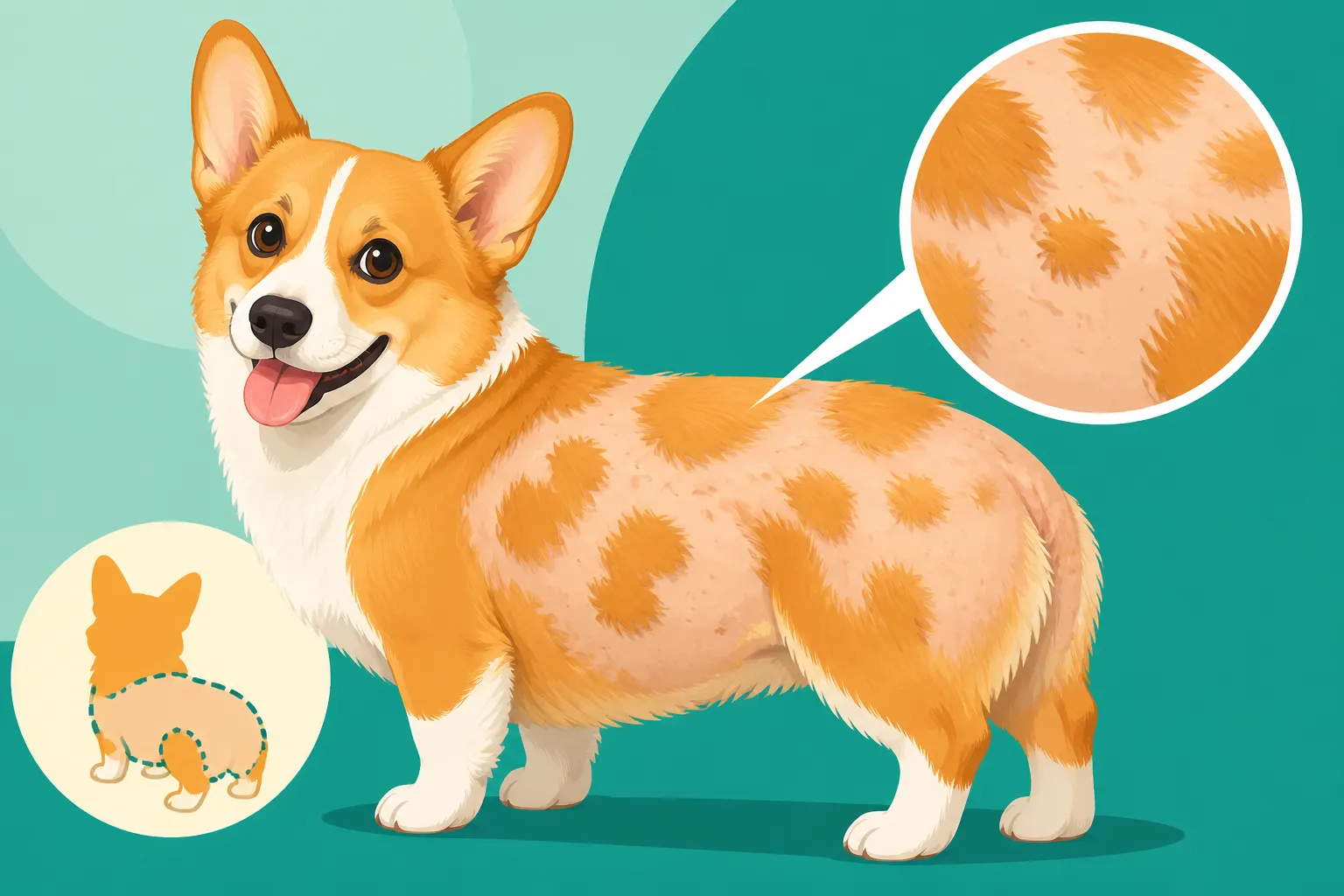
The Patchy Regrowth on a Clipped Corgi
It's absolutely heartbreaking to look at your beloved Corgi after a well-intentioned (or sometimes, emergency) clipping, only to see their once magnificent coat growing back in sad, patchy clumps. You might be staring at dull, uneven fur, feeling a pang of regret and wondering if it will ever return to its former glory. This guide is here to walk you through why that happens, what patchy regrowth looks like, and how you can support your Corgi's coat health moving forward.
Understanding the Corgi Double Coat and Why It’s Unique
Corgis are not just cute, fluffy loaves; they are purpose-bred working dogs, and their coat is a marvel of natural engineering, perfectly designed for their original job of herding cattle in unpredictable Welsh weather. When you look at your Corgi, you're seeing a highly functional, intricate system that regulates their body temperature, protects their skin, and keeps them comfortable in various climates. This unique structure is precisely why clipping can have such a detrimental and often long-lasting effect.
The Anatomy of the Corgi's Coat
A Corgi's coat is a classic "double coat," meaning it consists of two distinct layers, each with a specific job. First, there's the soft, dense undercoat. Think of this as your Corgi's natural insulation layer, a warm, downy blanket that traps air close to their body. In winter, it keeps them toasty, and in summer, it helps block heat and maintain a cooler internal temperature by preventing warm air from reaching the skin directly. This undercoat is what you see shedding in massive quantities during seasonal "blows." Then, you have the coarser, longer outer coat, often called guard hairs. These are tougher, more resilient hairs that lie over the undercoat. They're designed to be water-resistant, protecting the undercoat and skin from rain, snow, and dirt. They also provide a crucial barrier against UV rays, preventing sunburn on their delicate skin underneath. This combination is a masterpiece of natural design, and it’s meant to stay intact. How Much Hair a Twenty-Eight Pound Corgi Drops gives you an idea of the sheer volume of this undercoat.
The Role of the Guard Hairs
The guard hairs are often misunderstood, and sometimes, owners see them as just the "top layer" to be tidied. But these hairs are far more than aesthetic. They're the first line of defense for your Corgi. Imagine walking through tall grass or thorny bushes; those guard hairs are taking the brunt of it, preventing scratches and irritation to the skin. They're also vital for thermal regulation. By standing off the skin, they create an air pocket that acts as an additional insulating layer, keeping your Corgi cool in summer and warm in winter. When these guard hairs are clipped, you're not just removing hair; you're removing their natural armor, exposing their skin to sun, cold, and potential injury. This is why Why Clipping a Corgi Ruins the Coat is such an important topic for Corgi owners to understand.
Why Clipping Causes Patchy Regrowth
The short answer is: when you clip a Corgi, you indiscriminately cut both the guard hairs and the undercoat to the same length. This act fundamentally disrupts the natural growth cycle and balance that keeps their double coat healthy and functional. It’s not like shaving a human head, where hair typically grows back in a uniform manner. A Corgi’s coat has different types of hair programmed for different growth rates and textures, and once that balance is thrown off, it can take a very long time to correct, if it ever fully does.
Disrupting the Growth Cycle
The problem begins because the undercoat and guard hairs have different growth rates. The soft, fluffy undercoat grows much faster than the coarser, slower-growing guard hairs. When a Corgi's coat is clipped, both layers are cut down. The undercoat then races to grow back, often coming in softer, thicker, and more cotton-like than before. The guard hairs, however, take their sweet time, if they grow back at all to their original length and texture. This creates an imbalance: a dense, woolly undercoat pushing through, while the protective guard hairs struggle to emerge. This new, dense undercoat can trap heat, lead to skin irritation, and is far more prone to matting, which is the exact opposite of what the original coat was designed to do. You might notice your Corgi feeling hotter or seeming itchier than before the clip, because their natural air circulation system has been compromised.
Post-Clipping Complications: "Coat Funk" and Irritation
The term "post-clipping alopecia" or "coat funk" is often used to describe the phenomenon where a dog's coat simply doesn't grow back normally after being clipped or shaved. For Corgis, this can manifest as the patchy regrowth you're seeing – areas where the hair is sparse, completely absent, or grows back with an entirely different texture and color. The clipped hair follicles can become damaged or go dormant, refusing to produce the guard hairs that give the coat its structure and protection. This can leave your Corgi's skin exposed and vulnerable. I've heard from so many owners who say their Corgi's coat felt like cotton candy after a clip, completely lacking that characteristic coarse topcoat. This woolly texture doesn't repel water or dirt, and it makes shedding even more chaotic. It's a frustrating situation because what was meant to be a simple trim turns into a long-term coat struggle. Sometimes, the skin beneath the affected patches can even become irritated or discolored due to this exposure and lack of proper air circulation, making your Corgi uncomfortable.
What to Expect During Regrowth and How to Help
Seeing your Corgi's coat look so uneven and unhealthy after clipping can be disheartening, but there are steps you can take to support their coat's recovery. It's crucial to manage your expectations, as full recovery to the original coat can take a very long time, and sometimes, it may never be exactly the same. Think of this as a marathon, not a sprint, and focus on providing the best care possible to encourage healthy growth.
The Long Road to Recovery
When you're dealing with patchy regrowth, patience is truly a virtue. The natural hair growth cycle is slow, especially for those all-important guard hairs. It can take anywhere from 18 months to two years, and in some severe cases, even longer, for a Corgi's coat to potentially return to something resembling its original state. For some Corgis, especially those with underlying skin conditions or older dogs, the guard hairs may never fully grow back to their pre-clipping texture and length. This means the coat might remain softer, denser, and more prone to matting and heat retention. It’s important to accept that while you can improve things, you might be living with a slightly different Corgi coat than before. During this time, continue with regular, gentle grooming to prevent matting of the rapidly growing undercoat, and be vigilant for any signs of skin irritation or changes. The Corgi Years When the Back End Gives Out also often coincide with more delicate skin and coat changes, making clipping an even riskier proposition for older dogs.
Supportive Care and Grooming Strategies
While you wait for nature to take its course, there are several things you can do to promote healthy coat regrowth and keep your Corgi comfortable.
1. Gentle Brushing and Deshedding:
Focus on regular, gentle brushing to remove the dead undercoat and stimulate blood flow to the skin, which can encourage hair growth. Avoid harsh tools that might pull or break fragile new hairs. A good quality undercoat rake and slicker brush are your best friends. You can find excellent options on Chewy or Amazon, making sure to choose tools designed for double-coated breeds. Regular brushing helps prevent the woolly undercoat from matting and allows the skin to breathe. Remember, the goal is to carefully remove loose hair without further damaging the follicles. The Rake and Comb a Corgi Coat Actually Needs provides more specific guidance on tools.
2. Nutritional Support:
A healthy coat starts from within. Ensure your Corgi is on a high-quality, balanced diet rich in essential fatty acids (like Omega-3s and 6s). These nutrients are vital for skin health and hair growth. Consider talking to your vet about adding a fish oil supplement to their diet. Some owners have found success with fresh food delivery services like Ollie that focus on high-quality ingredients, which can sometimes give the coat an extra boost. Always ensure any dietary changes are discussed with your veterinarian.
3. Sun Protection:
With the guard hairs compromised, your Corgi's skin is more susceptible to sunburn. Limit prolonged exposure to direct sunlight, especially during peak UV hours. You might consider protective clothing for outdoor adventures, though finding something comfortable for a Corgi can be a challenge!
4. Avoid Further Clipping:
This might seem obvious, but it's crucial: do not clip your Corgi again unless medically necessary and advised by a vet. Clipping will only reset the growth cycle and prolong the patchy regrowth. Instead of clipping for heat relief, focus on proper deshedding, providing shade, and ensuring access to fresh water. Whether a Corgi's Coat Helps in Summer explains how their natural coat actually helps keep them cool.
Here's a quick overview of helpful strategies:
| Strategy | Description | Key Benefit |
|---|---|---|
| Gentle Brushing | Daily or every other day, using undercoat rakes and slicker brushes. | Removes dead undercoat, stimulates follicles, prevents matting. |
| Nutritional Boost | High-quality food rich in Omega fatty acids; vet-approved supplements. | Supports skin health and encourages strong new hair growth. |
| Sun Protection | Limit direct sun exposure, especially midday; consider dog-safe sunscreen or protective apparel. | Prevents sunburn on exposed skin, which can further impede regrowth. |
| No More Clipping | Unless medically advised, avoid shaving or clipping the coat further. | Allows natural growth cycle to re-establish and guard hairs to return. |
| Hydration | Always provide access to fresh, clean water. | Essential for overall health, including skin and coat quality. |
| Skin Checks | Regularly inspect the skin for irritation, dryness, or signs of infection under the patchy areas. | Early detection of issues that could hinder regrowth or cause discomfort. |
When to Talk to Your Vet or a Professional Groomer
If you're noticing extreme patchiness, irritation, redness, scaling, or constant scratching, it's definitely time to visit your veterinarian. These symptoms could indicate an underlying skin infection, allergies, or other dermatological issues that might be exacerbated by the clipped coat. Your vet can rule out medical conditions and provide appropriate treatment. They might also recommend specific shampoos, conditioners, or supplements to aid skin and coat health.
For grooming advice, seek out a professional groomer who specializes in double-coated breeds and understands the nuances of Corgi coats. They won't suggest clipping but can offer expert guidance on proper brushing techniques, tools, and products to manage the growing coat. They can also provide de-shedding treatments that are safe and effective for helping the coat normalize. A good groomer understands that The Only Trimming a Corgi Should Get is minimal and targeted, not a full shave. They can help you manage the shedding phases and keep the coat as healthy as possible throughout its recovery.
Disclaimer
This article is for general informational purposes only and does not constitute professional advice. Laws, prices and regulations vary by location and change over time. Consult a qualified professional for guidance on your specific situation.