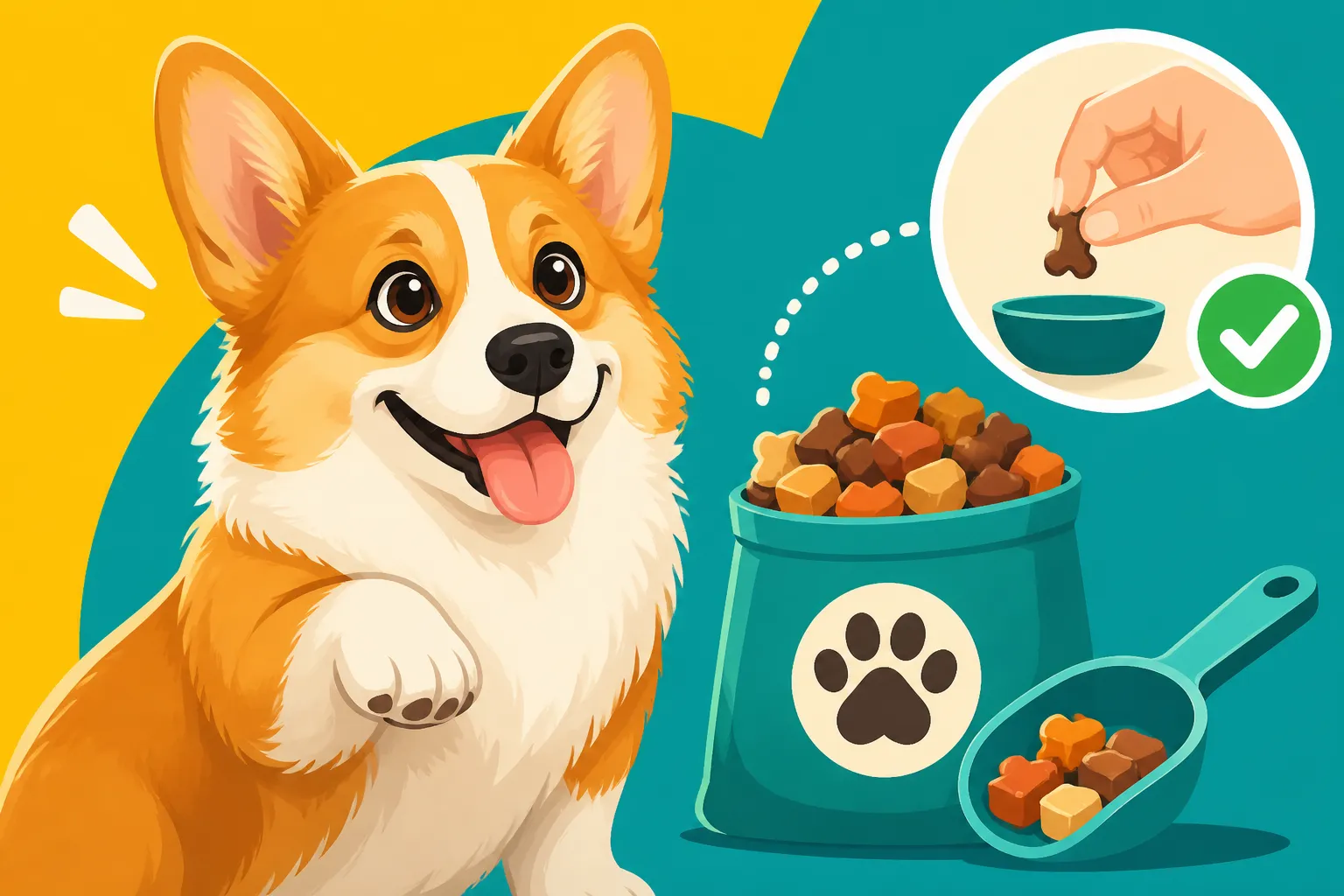
Training Treats That Fit a Corgi’s Allowance
It’s a tale as old as time for Corgi owners: you’ve got this incredibly smart, often stubborn, and almost always food-motivated little herder, and you want to teach them good manners, fun tricks, or maybe even prepare them for a bit of agility. The problem? Every "good boy!" comes with a treat, and those calories add up alarmingly fast on a dog already prone to weight gain. This guide is all about helping you navigate the tricky waters of training your Corgi effectively without letting them turn into a little round loaf.
Understanding Your Corgi's Calorie Budget
Before you even open the treat bag, you need to understand the golden rule of Corgi ownership: every single calorie counts. These are compact, low-slung dogs, and extra weight puts immense strain on their already unique spinal structure. What might seem like a tiny morsel to you could be a significant chunk of their daily allowance.
The Importance of Body Condition Score
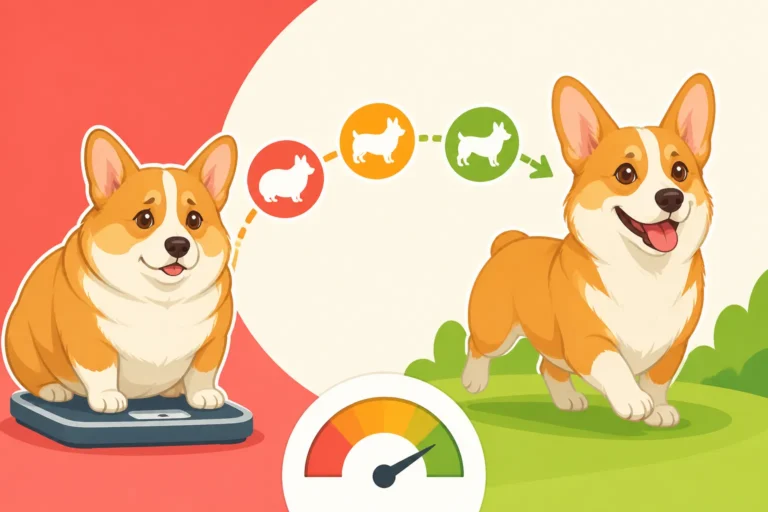
One of the biggest frustrations for Corgi owners is that their fluffy, barrel-chested dogs often look chunky even when they're not. And when they are chunky, it can be hard to tell under all that luxurious double coat! That's why relying on the visual "roundness" can be misleading. Instead, we focus on what's called a Body Condition Score (BCS), usually on a 1 to 9 scale, with 4-5 being ideal.
You should be able to easily feel your Corgi's ribs without pressing hard, like feeling the back of your hand. Their waist should be evident when viewed from above – a slight tuck behind the ribs, not a straight line or, heaven forbid, a bulge. From the side, you should see a gentle tuck-up in their abdomen, not a sag. If you’re struggling to feel those ribs, or if your Corgi looks more like a furry potato than a sleek herding dog, they’re likely carrying too much weight, and those training treats are a prime suspect. The Body Condition Score a Corgi Should Hold is a helpful resource here.
Calculating Daily Calorie Needs
Every Corgi is an individual, of course, but generally speaking, these aren't huge dogs that need massive amounts of food. Their calorie needs are surprisingly modest compared to their appetite and sheer enthusiasm for food. An active adult Pembroke Welsh Corgi might only need a certain number of calories per day, depending on their age, activity level, and whether they're spayed or neutered.
It's crucial to work with your veterinarian to get an accurate estimate of your Corgi's ideal daily caloric intake. They can help you determine the right number based on your dog's current weight, target weight, and lifestyle. Once you have that number, everything that goes into their mouth, from breakfast kibble to that tiny treat for 'sit,' needs to be accounted for. Many owners are shocked to realize how quickly even small training treats add up to hundreds of calories. This careful tracking is essential, especially when trying to maintain or reduce your Corgi’s weight.
Accounting for All Food Sources (and Sneaky Scraps)
This is where the real detective work comes in, and believe me, Corgis are masters of persuasion! Beyond their regular meals and your dedicated training treats, you need to factor in:
- Chews and Dental Sticks: These aren't calorie-free snacks. Check the packaging; some can be quite dense in calories.
- Table Scraps: Even a tiny bit of cheese, a lick of peanut butter from a Kong, or a bite of leftover chicken can derail your efforts. It’s hard to resist those pleading Corgi eyes, but your dog's health depends on it.
- Shared Snacks: Does another family member slip them a rogue biscuit? Do they snatch a dropped piece of toast? Awareness is key.
- Licks and Sneaky Sniffs: Even if they don't ingest it, they might get a taste. While this is less about calories and more about reinforcing begging, it's part of the bigger picture of food management.
The goal isn't to starve your Corgi, but to ensure that their entire caloric intake for the day supports their ideal body condition. Remember, a healthier weight now means less strain on their joints and spine later on. Why Corgi Weight Is a Spinal Problem underscores just how vital this is.
Choosing the Right Training Treats: Low Calorie, High Value
Okay, so we know every calorie counts. But how do you train a Corgi, who lives for food, without using treats? The good news is, you don't have to give up treats entirely! The trick is to be smart about what you offer and how you offer it.
Store-Bought vs. Homemade Options
When it comes to training treats, you have a vast array of choices.
Store-Bought:
- Pros: Convenient, often pre-portioned, consistent quality. Many brands now offer "mini" or "low-calorie" options specifically for training. Brands you might find on Chewy or Amazon often list calorie counts per treat, which is a huge help for tracking.
- Cons: Can still be high in calories if you’re not careful. Some contain fillers or ingredients you might prefer to avoid. The sheer variety can be overwhelming.
- Look For: Small size, soft texture (easy for quick chewing), and clear ingredient lists. Soft treats like Zuke's Mini Naturals or Pet Botanics Mini Training Rewards are popular choices because they can be easily broken into even smaller pieces.
Homemade Options:
- Pros: You have complete control over ingredients, often much lower in calories, and can be incredibly appealing to your Corgi.
- Cons: Requires preparation time, needs to be stored properly (often refrigerated), and can sometimes be messy.
- Examples:
- Cooked Chicken Breast: Plain, boiled chicken breast, cut into pea-sized pieces. Corgis go wild for this!
- Carrot Sticks or Green Beans: For some Corgis, a crisp carrot stick or a piece of green bean is surprisingly exciting. They're very low in calories.
- Dehydrated Liver: While higher in calories than vegetables, it’s incredibly high value and can be broken into tiny, dust-like pieces. You can make it yourself or buy it pre-made.
- Plain Scrambled Egg: Cooked without oil or butter, cooled, and crumbled. A little bit goes a long way.
- A Spoonful of Plain Pumpkin Puree: Can be dabbed onto a lick mat or offered from a spoon as a high-value, low-calorie reward.
Sometimes, even portions of fresh-prepared dog food, like those offered by Ollie, can be used as high-value, measured training treats if your Corgi responds well to them. The key is to find what motivates your individual Corgi the most while keeping calories in check.
Reading Labels Like a Pro
Don't just grab a bag that says "training treats." Become a label hawk!
- Calorie Count is King: If available, look for the calorie count per treat. This is your most important piece of information. Aim for treats that are very low, ideally 2-5 calories per piece.
- Ingredient List: Simple, recognizable ingredients are best. Avoid treats with a lot of artificial colors, flavors, or high sugar content. "Meat first" ingredients are often a good sign.
- Size Matters: A treat the size of your thumbnail might be perfect for a Golden Retriever, but it's a feast for a Corgi. Look for truly mini options.
Texture and Size Matter
The best training treats for a Corgi are small, soft, and palatable.
- Small: This cannot be stressed enough. Think pea-sized, or even smaller. A single soft chew can often be broken into 4-6 training-appropriate pieces.
- Soft: Soft treats are ideal because your Corgi can gobble them down quickly without having to stop and crunch. This keeps the training session moving and prevents them from getting distracted. Hard, crunchy treats take too long to chew, breaking the flow of training and delaying the next repetition.
- High Value: What makes a treat "high value" for your Corgi? It's simply whatever they're most excited to get. For some, it's a commercial soft chew. For others, it's a piece of cooked chicken. Experiment to find your Corgi's gold standard.
Strategies for Smart Training and Treat Distribution
Once you have your low-calorie, high-value treats, it's all about how you use them. This is where you become a Corgi training ninja, maximizing impact while minimizing caloric intake.
Breaking Treats into Tiny Pieces
This is arguably the most impactful strategy. A single commercial training treat that’s 3-5 calories can often be broken into 4-6 smaller pieces. That means you get 4-6 rewards for the caloric cost of one! Corgis are often just as happy with a tiny crumb as they are with a whole treat, especially if you deliver it with enthusiasm. Their brains register the "win" and the taste, not necessarily the volume.
I keep a small baggie of pre-broken treats with me during training sessions. Sometimes, I'll even use kitchen shears to cut soft treats into minuscule bits, especially if I'm doing a lot of repetitions. This also means your bag lasts longer, which is a nice bonus for your wallet!
Rewarding Smarter, Not Just More Often
Initially, when teaching a new behavior, you might need to reward every correct response. This is called continuous reinforcement. However, as your Corgi starts to understand the command, you can gradually transition to intermittent reinforcement. This means you don't reward every single time they do it right, but still often enough to keep them motivated.
You can also vary your rewards. Sometimes it's a tiny treat, sometimes it's verbal praise, a quick game of tug, or a belly rub. This teaches your Corgi that good behavior earns good things, not just food. For tasks that are particularly challenging or in distracting environments, use your highest-value, but still tiny, treat. For easier, known commands, a smaller reward or even just praise might suffice. This strategy helps Whether a Corgi Works for Anything but Food.
Utilizing Your Corgi's Regular Kibble
This is the ultimate low-calorie training hack! Why buy separate training treats when you can use a portion of your Corgi's regular, measured meal for training? If your Corgi is motivated by their kibble, you can set aside a portion of their breakfast or dinner and use it throughout the day for training sessions.
This method has several advantages:
- No Extra Calories: You're not adding any calories to their daily intake; you're just redistributing them.
- Readily Available: It’s always there, no need to buy special treats.
- Weight Management: It's incredibly effective for Corgis who need to lose a few pounds. Using a Corgi's Own Kibble as Training Currency offers more detailed advice on this.
Of course, some Corgis are kibble snobs. If yours turns their nose up at their regular food during training, then you'll need those high-value, low-calorie options mentioned above. But it's always worth a try!
Here's a quick comparison of popular low-calorie training treat options:
| Treat Type | Pros | Cons | Corgi Suitability |
|---|---|---|---|
| Plain Cooked Chicken | High value, low calorie, pure protein | Requires prep, can be messy, limited shelf life | Excellent |
| Plain Green Beans/Carrots | Very low calorie, healthy, crunchy (some Corgis love it) | Not all Corgis are keen, low palatability for complex tasks | Good (for some) |
| Store-bought Soft Minis | Convenient, easy to break, good palatability | Calories can add up if not broken, check ingredients | Excellent |
| Dehydrated Liver Bits | Very high value, easy to break into tiny pieces | Can be strong-smelling, often a bit pricier | Excellent |
| Corgi's Own Kibble | Zero extra calories, always available | Not high value for all Corgis | Variable |
When to Re-evaluate Your Corgi's Diet and Training Regimen
Even with the best intentions, it's easy for things to go off track. Regularly assessing your Corgi's weight and overall health is crucial for their long-term well-being.
Signs Your Corgi is Gaining Weight
Beyond the obvious visual changes, there are other subtle signs your Corgi might be putting on too much weight:
- Reduced Energy: Are they less enthusiastic about walks or play? Do they tire more easily?
- Reluctance to Move: Do they hesitate to jump on the sofa (even though you've ramp-trained them!) or climb stairs? This could be due to discomfort from extra weight.
- Changes in Coat Appearance: While not directly linked to weight, an unhealthy diet can affect coat quality.
- Increased Begging: While Corgis are champion beggars anyway, a sudden increase might mean they're truly feeling hungrier if their portion sizes haven't been adequately adjusted. Whether a Corgi Ever Says It Is Full probably leans towards "never"!
- Difficulty Breathing: In extreme cases, obesity can impact respiratory function, especially after exercise.
If you notice any of these signs, don't despair! It's just a signal to adjust your strategy. It’s far better to catch it early than to let it impact their mobility and spinal health. Remember, What Extra Weight Does to a Corgi Spine is not a risk you want to take.
Consulting with Your Vet or a Nutritionist
If you're finding it difficult to manage your Corgi's weight or feel unsure about their diet, your veterinarian is your best resource. They can:
- Accurately assess their Body Condition Score.
- Provide a precise calorie target.
- Recommend specific dog foods that are lower in calories or designed for weight management.
- Rule out any underlying medical conditions that might contribute to weight gain, like thyroid problems.
- Refer you to a veterinary nutritionist for a tailored diet plan, which can be invaluable for Corgis with complex needs or those struggling to lose weight.
Don't be shy about asking for help; it shows you're a responsible Corgi owner committed to their health. Whether a Weight Clinic Helps a Corgi Owner delves into this further.
Adjusting for Age and Activity Level
A Corgi's calorie needs aren't static throughout their life.
- Puppies: Growing Corgi puppies need adequate nutrition for development, but you still want to keep them on the lean side to protect their developing joints. Overfeeding a puppy can lead to rapid growth that puts stress on their skeletal system. Keeping a Growing Corgi Puppy on the Thin Side is crucial.
- Adults: As they mature, their metabolic rate often slows down, and their calorie needs might decrease, especially after spaying or neutering. Adjusting Corgi Food After the Spay is a common topic of discussion with vets.
- Seniors: Older Corgis often become less active, leading to a further reduction in calorie requirements. However, some senior Corgis might develop conditions that increase their calorie needs. Regular vet check-ups are essential to adjust their diet accordingly. Feeding an Old Corgi Fewer Calories is a good guideline.
Similarly, a Corgi who spends most of their day napping on the sofa will have vastly different caloric needs than one who regularly participates in scent work, obedience, or long walks. Be honest about your Corgi's activity level and adjust their food and treat allowances accordingly. Balancing these factors is a continuous process, but one that directly impacts your Corgi's health and happiness.
Ultimately, training your Corgi is a joyful experience that strengthens your bond. By being mindful of their unique needs, especially their propensity for weight gain and the impact it has on their long backs, you can ensure that those training treats are a tool for positive reinforcement, not a path to preventable health issues.
Disclaimer
This article is for general informational purposes only and does not constitute professional advice. Laws, prices and regulations vary by location and change over time. Consult a qualified professional for guidance on your specific situation.