Photographs That Show a Corgi Has Gained
One of the trickiest things about owning a Corgi is understanding their true body shape, especially when they start to pack on a few extra pounds. Their famously fluffy double coat and naturally long, low build can make subtle weight gain incredibly hard to spot with just a quick glance. Many owners only realize their beloved Corgi has become overweight when mobility issues or other health problems surface. This guide will walk you through how to use photographs as a powerful tool to objectively assess your Corgi's body condition and catch weight creep before it becomes a serious concern.
Why Visual Assessment is a Challenge with Corgis
Corgis are delightful, sturdy dogs, but their unique physique and luxurious fur can really play tricks on your eyes when it comes to weight. You might be looking at a Corgi who seems "just fine" and miss the signs that their health is slowly being compromised by extra weight.
The Corgi's Natural Silhouette
First off, let's talk about that iconic Corgi shape. They're built long and low to the ground, with a deep chest and often a somewhat barrel-shaped body. This build, while perfect for herding cattle by nipping at their heels and dodging kicks, isn't naturally svelte. Many people mistake a healthy Corgi's roundish appearance for being chubby, or conversely, assume a plump Corgi is just "big-boned." It's a fine line to walk, and without a keen eye for detail, it’s easy to misunderstand what "healthy" truly looks like for these dogs. We often validate the round look as "cute" or "fluffy," unknowingly letting a few extra pounds sneak on. This misunderstanding is a common frustration, making it hard to apply the usual visual cues you might use for a sighthound or a retriever.
The Deceiving Double Coat
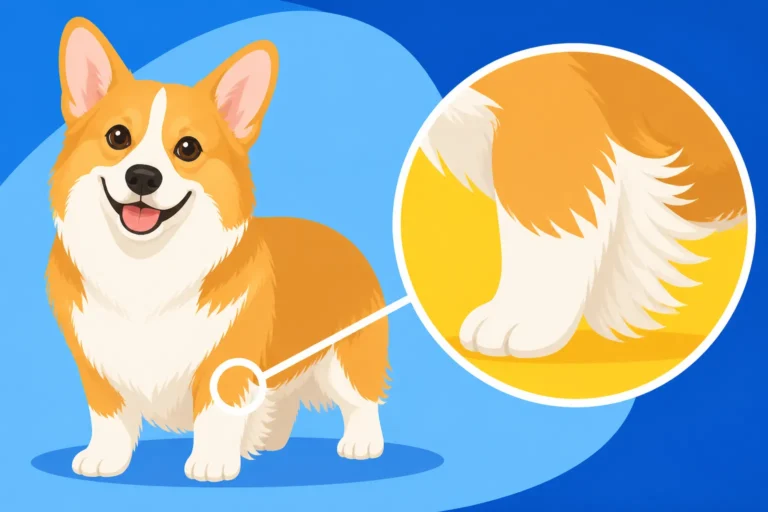
Then there's the magnificent double coat. Corgis are designed to withstand the elements, and their thick, dense undercoat provides incredible insulation. It also acts as a fantastic camouflage for any excess fat. You can often feel a Corgi's ribs when you run your hands along their sides, but visually, that thick fur can completely obscure any hint of a waistline or abdominal tuck. You might look down at your Corgi from above and see a relatively straight line from their shoulders to their hips, believing they're in good shape, when in reality, their fur is simply poofing out to create that illusion. This is particularly true during their heavy shedding seasons when the coat might appear thinner, only to fill out again, potentially hiding new weight gain. Owners often struggle with trying to Feeling for Ribs Through a Corgi's Undercoat without seeing them.
The Power of Photographic Evidence
Given the visual challenges, using photographs becomes an incredibly powerful and objective tool in your Corgi's weight management arsenal. It removes the subjectivity of day-to-day glances and gives you a concrete record to track changes over time.
Setting Up for Consistent Shots
The key to effective photographic assessment is consistency. You can't compare apples to oranges and expect meaningful results. Choose a specific spot in your home with good, consistent lighting – perhaps near a window or under a well-lit area. Have your Corgi stand in the same position each time, ideally on a non-slip surface like a mat or rug. Using a treat or a favorite toy can help them hold still for a moment.
Aim for a weekly or bi-weekly photo session. You're not looking for professional portraits; you're looking for honest, repeatable snapshots. Make it a routine, like bath time or nail trims. This consistency will eliminate variables and allow you to focus solely on changes in their body shape. Think of it as creating a visual diary of your Corgi's physique. Without this systematic approach, you're relying on memory, which can be surprisingly unreliable when subtle changes are occurring gradually over weeks or months.
The Angles That Reveal Truth
Different angles reveal different aspects of your Corgi's body. To get a complete picture, you need to capture a few key views:
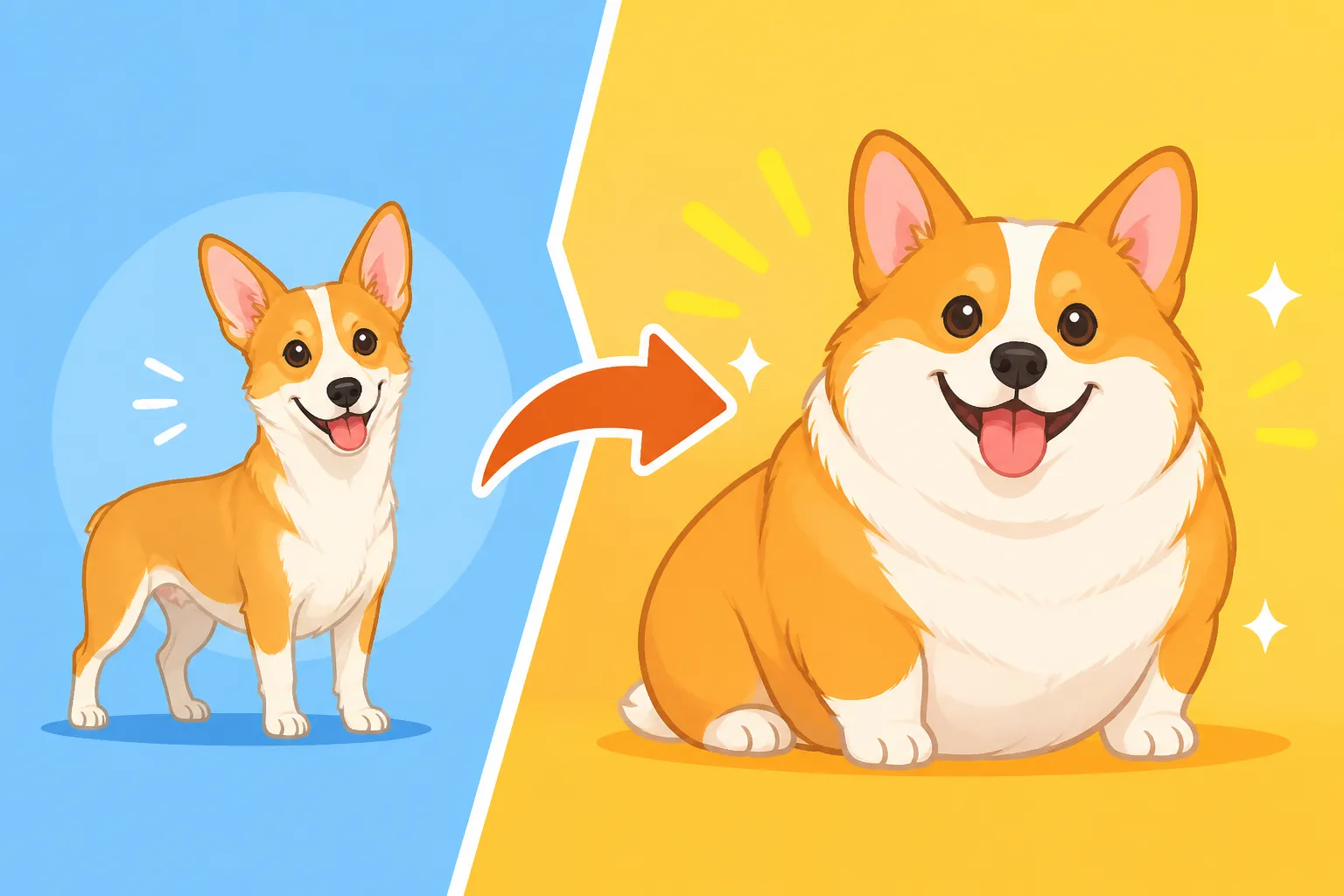
- Top-Down View: Stand directly over your Corgi and photograph their back from above. This angle is crucial for observing the waistline. In a healthy Corgi, you should see a gentle, discernible tuck-in behind the ribs before the hips. An overweight Corgi will appear more like a straight-sided barrel or even bulge slightly at the waist.
- Side Profile View: Get down to your Corgi's level and take a picture directly from their side. This angle is where you can assess the abdominal tuck. A healthy Corgi should have an abdomen that tucks up slightly from the bottom of their rib cage towards their hind legs. If their belly hangs low or appears rounded and full, that's a strong indicator of excess weight.
- Front-On View: While less critical for overall body condition, a front-on shot can sometimes show if their chest is becoming overly broad or if their legs appear more "pillar-like" rather than having distinct muscle definition. This can also give you a sense of overall muscle mass versus fat.
Remember to take these photos without them sitting or lying down, as these positions can distort their natural shape. They need to be standing squarely on all four legs. When you compare these shots over time, even small changes will become apparent. You'll be amazed at how much more you notice when comparing two photos side-by-side versus simply looking at your Corgi daily.
Key Visual Cues in a Corgi Photo
Once you have your consistent photographs, it's time to play detective. Knowing what to look for is paramount. Forget the cute fluff for a moment and focus on the underlying structure.
Checking the Waistline and Abdominal Tuck
This is arguably the most critical area for visual assessment in a Corgi.
- Waistline (Top-Down): In a healthy Corgi, when viewed from above, there should be a distinct narrowing behind the rib cage, creating an hourglass-like shape before the hips. It might not be as dramatic as in a greyhound, but it should be present. If your Corgi's silhouette from above is straight from shoulders to tail, or even bulging outwards, they've likely gained weight. This area is often the first to disappear under extra fat, and the thick fur makes it easy to miss in person.
- Abdominal Tuck (Side Profile): From the side, a healthy Corgi should have an abdomen that slopes upwards from the bottom of their rib cage to their groin. It shouldn't be a dramatic tuck, but a gentle upward curve. If their belly runs parallel to the ground, or worse, sags downwards, it's a clear sign of excess fat. This "straight line" or "pendulous belly" can signify significant weight gain that impacts their mobility and puts strain on their Why Corgi Weight Is a Spinal Problem. Regular photos help you track this, as a gradual decrease in tuck can be hard to notice day-to-day.
Spotting the Ribs and Spine (or Lack Thereof)
While you might not see the ribs due to the Corgi's dense coat, you should ideally be able to feel them easily with light pressure, like running your hand over knuckles.
- Ribs: In your side profile and top-down photos, look for any indication of definition around the rib cage area. While you won't see individual ribs, a lack of distinction between the chest and the abdomen, or a very rounded appearance, can mean there's a layer of fat obscuring the ribs. When you try to manually The Body Condition Score a Corgi Should Hold, feeling for these ribs is a primary indicator.
- Spine: From the top-down view, you should also observe the topline. While Corgis don't typically have a prominent spinal ridge, an overly flat or even dimpled appearance along the back can indicate fat deposits accumulating there. A healthy back should have a smooth, firm feel. If the top of their back looks wide and flat like a table, rather than slightly rounded, it’s a sign of a fat layer. These visual cues, combined with feeling for the ribs, can provide a more comprehensive picture.
The Profile and Overall Body Shape
Beyond the waist and tuck, consider the overall harmony of your Corgi's shape.
- Overall Roundness: Does your Corgi look consistently rounder everywhere? Are their legs appearing thicker or less defined? Look at their neck and the base of their tail. These are common areas for fat storage. If these areas seem chunkier in comparison to older photos, it's another piece of the puzzle.
- Changes in Posture or Gait: While photos don't show movement, subtle shifts in how your Corgi stands might be visible. If they are slumping slightly or seem less "perky" in their stance compared to previous photos, it could be an indicator that extra weight is making them uncomfortable. An overweight Corgi might stand with their legs slightly wider apart to accommodate their heavier body, or their posture might seem more compressed. This is an early warning sign that the extra pounds are affecting their ability to carry their weight comfortably, potentially leading to or exacerbating issues like Joint Damage From Corgi Weight Gain.
Tracking Progress and Staying Accountable
Taking photos is just the first step. The real magic happens when you use these images to track progress, make informed decisions, and stay motivated on your Corgi's weight management journey.
Building a Photo Journal
Create a dedicated folder on your phone or computer for your Corgi's weight photos. Date each photo clearly. This visual timeline is incredibly motivating, both for seeing gradual weight gain creep up and, more importantly, for celebrating progress when you start a weight loss plan. It’s hard to remember what your Corgi looked like six months ago, but a quick flick through your photo journal will show you instantly.
Comparing photos side-by-side, especially from the top-down and side profile, will highlight changes that you might otherwise miss. You'll see the waistline reappear, the abdominal tuck become more defined, and their overall shape become more athletic. This concrete evidence can be a huge morale booster during those times when you feel like you're not making headway. It also helps you understand How Slowly a Corgi Should Come Down in Weight by showing small, consistent changes rather than dramatic overnight transformations.
Sharing with Your Vet and Family
Your veterinarian is your best partner in managing your Corgi's weight. Bring your photo journal to vet appointments. These images can provide valuable context for your vet, especially if weight gain has been subtle or gradual. They can help your vet accurately assess your Corgi's What an Ideal Corgi Weighs and monitor their progress during check-ups. They might even suggest specific dietary adjustments or exercise routines, like The Calorie Target for a Twenty-Eight Pound Corgi or Whether a Corgi Needs a Vet Diet or Just Less.
Sharing these photos with family members is also important for accountability. If everyone in the household is aware of the goal and can visually track progress, it creates a unified front against sneaky treats and extra kibble. It helps everyone understand that even a small change, like a slight rounding of the belly, is significant. You can even use these photos to compare against images of What a Pembroke Should Weigh from reputable sources.
Practical Tips for Weight Management and Photo Success
Beyond the photos, there are practical steps you can take to manage your Corgi's weight and enhance the effectiveness of your visual tracking.
Accurate Food Measurement and Dietary Choices
Photos will show the results of your feeding, but precise measurement is key to controlling the cause of weight gain. Get a digital kitchen scale to weigh your Corgi's kibble. Scoops can be wildly inaccurate, leading to overfeeding without you even realizing it. Many Corgi owners are surprised to learn How Little an Adult Corgi Actually Eats to maintain a healthy weight.
Consider the type of food you're offering. Sometimes, a simple reduction in quantity isn't enough, especially if your Corgi isn't getting a lot of exercise. There are excellent weight management kibbles designed to be lower in calories while still providing essential nutrients and keeping your Corgi feeling full. You can find many options from retailers like Chewy or consult your vet about prescription diets. Brands like Ollie also offer fresh, pre-portioned meals that can make calorie counting much easier. Remember to factor in treats; these calories add up quickly! Learning Treats Priced Into a Corgi's Daily Ration is crucial.
Incorporating Safe Exercise and Activity
Exercise plays a vital role in weight management and overall Corgi health. While photos primarily focus on body shape, a Corgi that is regularly active will likely have better muscle tone and a healthier metabolism. Short, regular walks are great, but also consider low-impact activities like scent work or puzzle toys to keep their minds engaged without stressing their long backs.
If your Corgi has existing back issues or is very overweight, discuss appropriate exercise levels with your vet. Avoid high-impact activities like jumping off furniture or excessive stair climbing, which can exacerbate spinal problems. Using ramps around the house and for getting into the car (easily found on Amazon) can also prevent injuries and support their back health, making movement safer and easier, especially when they're carrying extra pounds. For a confined Corgi, managing Cutting Calories While a Corgi Is Confined is critical to prevent weight gain during recovery.
The Role of Your Vet and Regular Check-ups
Never underestimate the value of your veterinarian. They can provide an objective assessment of your Corgi's body condition, discuss ideal weight ranges, and help rule out any underlying medical conditions that might contribute to weight gain. During annual check-ups, your vet will perform a hands-on examination, which complements your photographic records. They can also offer tailored advice on nutrition and exercise, including calculating precise The Calorie Target for a Twenty-Eight Pound Corgi based on your Corgi's individual needs.
Your vet can help you set realistic weight loss goals and monitor your Corgi's progress. They can also perform necessary blood tests if they suspect other health issues, such as Corgi Thyroid Problems, which can sometimes contribute to unexplained weight gain. Establishing a good relationship with your vet for routine care is one of the best investments you can make in your Corgi's long-term health.
Table: Visual Cues for Corgi Weight Assessment
Here's a quick guide to what to look for in your Corgi's photos:
| Feature | Healthy Weight Corgi (Ideal) | Overweight Corgi (Needs Attention) |
|---|---|---|
| Waistline | Visible gentle tuck-in behind the ribs (top-down view) | Straight or bulging line from ribs to hips (top-down view) |
| Abdominal Tuck | Abdomen slopes slightly upward from ribs to hind legs (side view) | Abdomen is flat, hangs low, or is rounded (side view) |
| Ribs (Visual) | Subtle definition, can feel easily with light touch (not seen due to fur) | No definition, difficult to feel ribs under fat |
| Spine (Visual) | Smooth, firm topline; no obvious flat or dimpled appearance | Broad, flat, or dimpled appearance along the back |
| Overall Shape | Proportional, athletic build for a Corgi | Rounded, bulky, loss of muscle definition |
| Neck/Tail Base | Smooth transition | Thicker, noticeable fat deposits |
Keeping this table in mind while reviewing your Corgi's photographs will give you a clear, objective way to assess their body condition. It helps you look past the fluff and truly see your Corgi's health.
Disclaimer
This article is for general informational purposes only and does not constitute professional advice. Laws, prices and regulations vary by location and change over time. Consult a qualified professional for guidance on your specific situation.