Using a Corgi’s Own Kibble as Training Currency
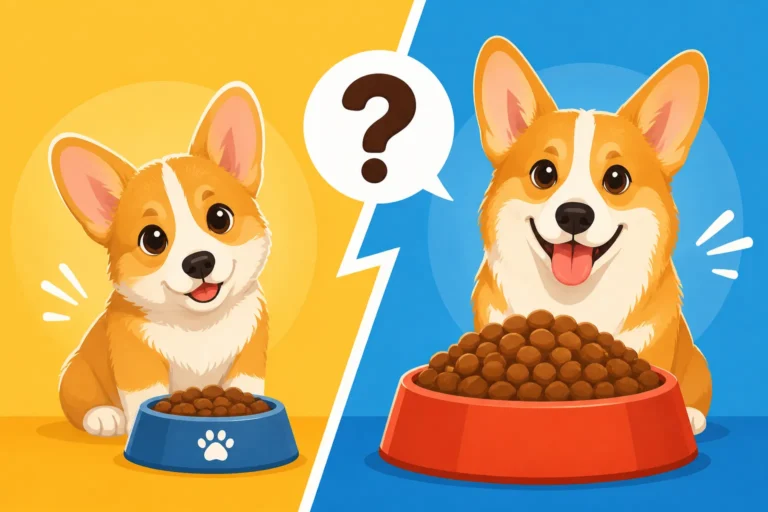
Corgis are notorious for their love of food, which, while endearing, often leads to a constant battle against weight gain. Many owners struggle to find a balance, wanting to reward their Corgi for good behavior without packing on the pounds. This comprehensive guide will show you how to leverage your Corgi's intense food motivation by transforming their daily kibble allowance into a powerful, healthy, and engaging training currency.
Why Your Corgi Sees Every Crumb as Gold
If you share your home with a Corgi, you've undoubtedly experienced "the stare" – that unwavering, hopeful gaze that accompanies every rustle of a food bag or opening of the refrigerator. Corgis have a well-earned reputation for being perpetually hungry, and this isn't just a quirky personality trait; it's deeply ingrained in their history and instincts. Understanding this innate drive is the first step toward using it constructively, ensuring it benefits their training and health rather than contributing to an expanding waistline.
The Herding Dog's Hunger
Cast your mind back to the rolling hills of Wales, where Corgis, small but mighty, were tasked with herding cattle. This was a demanding, high-energy job that required quick reflexes, unwavering focus, and constant physical exertion. To sustain such a lifestyle, these dogs needed a robust appetite and an efficient metabolism, wired to seize every opportunity to fuel their bodies. They weren't just pets; they were working animals, and a strong drive to eat was crucial for survival and performance. That ancient programming is still very much active in our modern Corgis, even if their "herding" now primarily involves directing family members to the treat cupboard.
Their unique low-slung build also plays a subtle role. Being so close to the ground means they're often the first to notice and investigate stray crumbs, dropped snacks, or anything else that might have escaped human attention. Their keen sense of smell, combined with generations of needing to support an active, working life, means their brains are hardwired to prioritize food acquisition. This intense focus makes them exceptionally trainable when food is used as a motivator, provided it's managed correctly.
When a Corgi Never Feels Full
It can feel like your Corgi possesses a magical, bottomless stomach. They might have just finished a meal, but the moment you so much as crinkle a bag, they're at your feet, acting as if they're on the brink of starvation. This perpetual "hunger" is a common Corgi characteristic that often leaves owners bewildered, and sometimes, a little guilty. You might even find yourself wondering if you're actually feeding them enough, despite adhering to recommended portion sizes. This persistent food drive, while excellent for motivation, poses a significant challenge when it comes to maintaining a healthy weight.
This "always hungry" disposition, combined with their short legs and long backs, makes Corgis particularly susceptible to the dangers of excess weight. Even a few extra pounds can place undue stress on their delicate spines, increasing the risk or severity of conditions like disc disease. We've explored in depth Why Corgi Weight Is a Spinal Problem and it’s a concern that should never be underestimated. The key is not to deny their love for food, but to redirect and utilize it. By transforming their everyday meals into interactive, mentally stimulating training opportunities, you can harness their food drive for positive outcomes, making every bite count for their health and happiness.
The Brilliant Strategy: Kibble as Training Currency
Using your Corgi's daily kibble ration as their primary training reward is arguably one of the most effective and responsible approaches you can take. It's a strategic move that addresses several core aspects of Corgi ownership: weight management, mental stimulation, and building a stronger bond. This method shifts away from relying on calorie-dense commercial treats, creating a healthier, more integrated training system.
Keeping Weight in Check
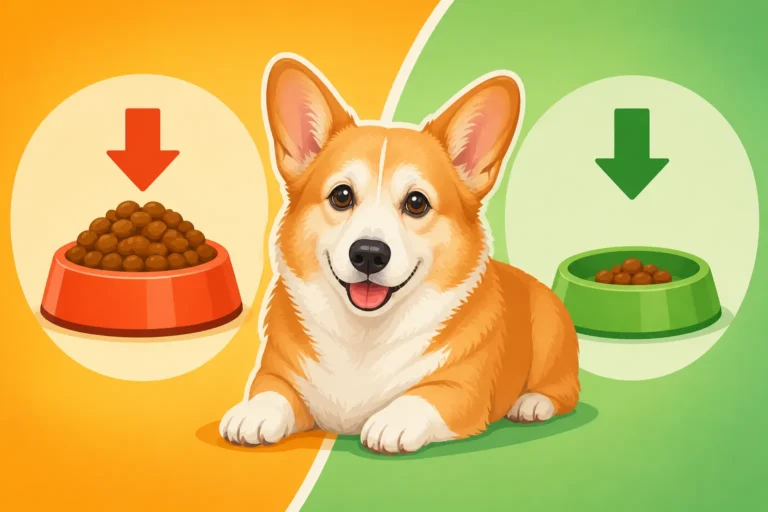
The struggle to maintain a Corgi's ideal weight is a real and constant battle for many owners. Their endearing roundness can quickly tip into obesity, and as we previously discussed in What Extra Weight Does to a Corgi Spine, the consequences for their long backs can be severe. Traditional training often involves a steady stream of commercial treats, which, while highly palatable, often come with a significant caloric load. A handful of these treats throughout the day, added on top of regular meals, can rapidly push your Corgi over their daily caloric needs, leading to insidious weight creep.
By substituting those high-calorie treats with their regular kibble, you effectively eliminate this hidden source of excess calories. Each piece of kibble given for a perfectly executed "sit" or a swift "come" is a calorie they would have consumed anyway as part of their daily meal. You're not adding to their diet; you're simply distributing their allocated food allowance in a more engaging and beneficial manner. This allows you to conduct more frequent and longer training sessions without the constant worry of your Corgi gaining unhealthy weight. It's about being smart with their entire food intake, striving to hit The Calorie Target for a Twenty-Eight Pound Corgi while still rewarding them generously.
Making Every Meal a Learning Opportunity
Consider the lost potential when your Corgi's entire day's food is simply poured into a bowl and devoured in moments. That's a significant amount of food motivation and mental engagement going untapped. Corgis are intelligent dogs that truly thrive when they have a "job," even if that job is as simple as learning a new trick or practicing polite manners. When their kibble becomes the reward for engaging their brains and offering desired behaviors, every interaction you have with them transforms into an opportunity to reinforce positive habits and foster their learning.
This approach elevates mealtime from a passive, routine event into an active, stimulating brain game. Instead of mindless consumption, your Corgi is actively thinking, problem-solving, and earning each delicious bite. This kind of mental exercise is just as crucial as physical activity for a Corgi, helping to ward off boredom, reduce destructive behaviors, and build their confidence. It also significantly strengthens your communication and deepens your bond, as they learn to look to you as the source of engaging activities and rewarding experiences. Whether you're working on basic obedience or an impressive new trick, every piece of kibble serves a dual purpose: nutrition and education.
Implementing Kibble as Training Currency
So, you're ready to transform that food bowl into a dynamic learning tool! It's a straightforward process, but success lies in the details. The goal is to make your Corgi perceive their everyday kibble as a highly valuable reward, integrating it seamlessly into their daily routine.
Measuring and Dividing the Daily Ration
The absolute foundation of this strategy is precise measurement. First, determine your Corgi's appropriate daily kibble allowance, ideally in consultation with your veterinarian, taking into account their age, activity level, and target weight. Once you have this exact amount, measure it out at the beginning of each day. This measured quantity represents their entire food budget for the next 24 hours. There are no exceptions – no extra bowls, no free feeding, and no "just a little bit more." This strict adherence is paramount to preventing unintended weight gain. For accurate tracking, you might find a digital kitchen scale invaluable, ensuring you're precise with A Month of Measured Food for a Corgi.
Once measured, divide this total ration into smaller portions. A good rule of thumb is to allocate a significant portion, perhaps two-thirds, for active training sessions, mental enrichment games, or scatter feeding. The remaining one-third can be given in a small bowl as a final "meal" at the end of the day, or as a consolidated reward for exceptionally good behavior. This flexible distribution ensures that the majority of their food is actively earned, maximizing its value as a training tool. You can even get creative by moistening some kibble and freezing it into small, high-value cubes, or stuffing it into a KONG for extended engagement. For a wide variety of kibble options and slow-feeder bowls, I often find myself perusing the selections on Chewy.
Making Kibble Exciting and Rewarding
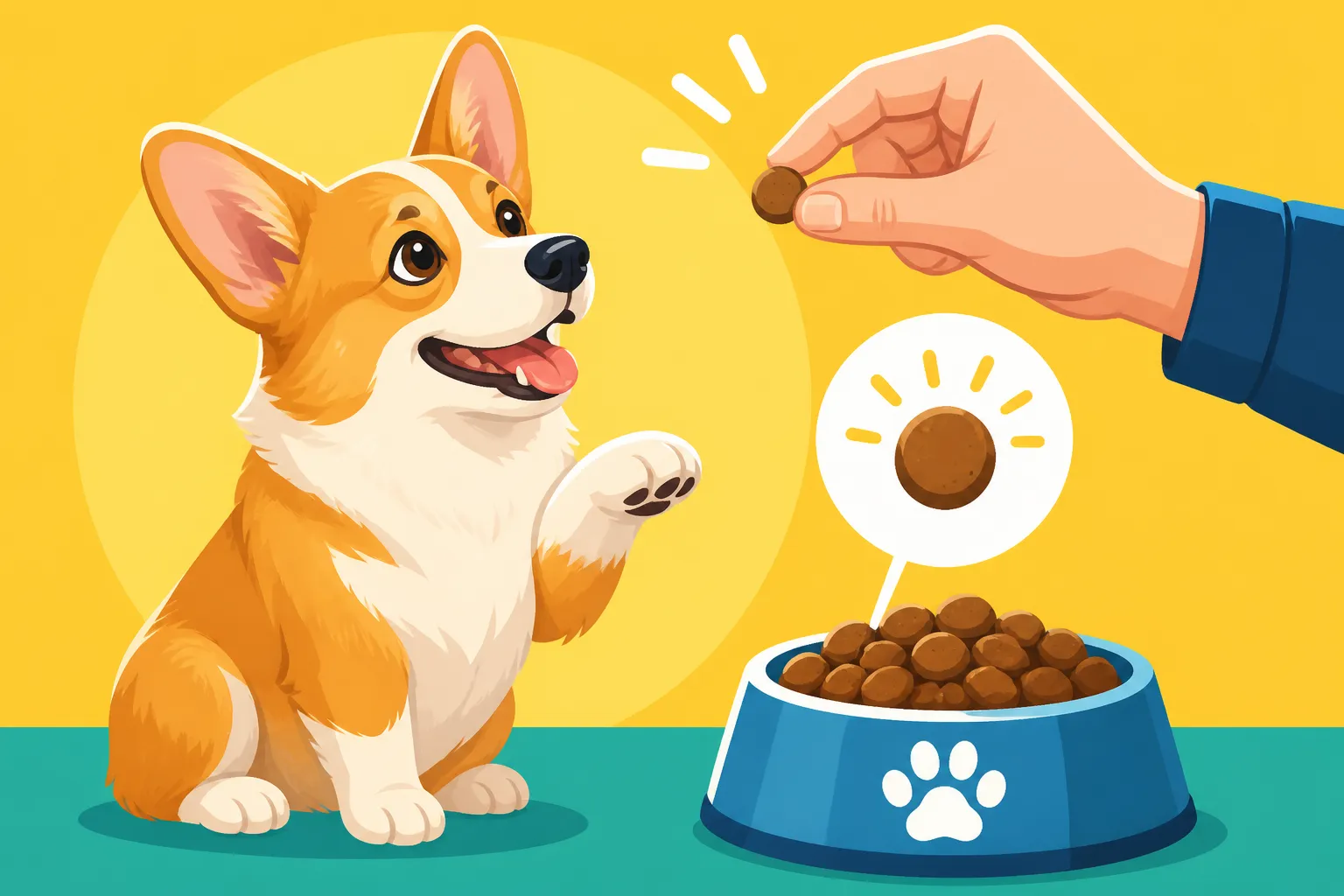
For kibble to truly function as effective training currency, it needs to be perceived as valuable by your Corgi. If your dog is accustomed to gourmet commercial treats, plain kibble might initially seem lackluster. The key is to elevate its desirability through enthusiastic delivery and strategic presentation. Start by making your training sessions brief, energetic, and overwhelmingly positive. A cheerful "YES! Good pup!" immediately followed by a quick, exciting delivery of kibble makes a monumental difference. Your tone of voice and enthusiasm are powerful motivators!
Consider the method of delivery, too. Instead of simply dropping a piece of kibble, try tossing it a short distance for your Corgi to chase (adding a touch of physical activity), or hold it momentarily in your hand, making them use their nose to find it. Varying how you present the reward keeps them engaged and prevents predictability. For particularly challenging behaviors or in moderately distracting environments, you can boost the appeal of kibble without resorting to high-calorie alternatives. Lightly dampen a few pieces with water, a tiny splash of dog-safe broth, or a minute sprinkle of an irresistible scent like parmesan cheese or liver powder. This small enhancement can bridge the gap and maintain high motivation when plain kibble might not quite cut it.
Beyond Hand-Feeding: Engaging Activities
While direct hand-feeding for specific cues is foundational, there are countless other ways to harness your Corgi's daily kibble ration for robust mental and physical enrichment. Puzzle toys are indispensable allies here. Stuff a KONG, spread kibble across a snuffle mat, or load an interactive dispenser with their measured food. These tools compel your Corgi to work to extract their meal, engaging their problem-solving skills and natural instincts. This is a brilliant method for slowing down enthusiastic eaters and providing crucial mental stimulation when you're unable to engage in active training. You can find an incredible array of these stimulating feeders and puzzle toys on Amazon.
Another fantastic technique is scatter feeding. Instead of using a bowl, scatter a portion of their meal across a clean patch of grass in your yard, or inside on a towel or blanket for them to sniff out. This taps directly into their natural foraging behaviors, offering a low-impact yet highly engaging mental exercise. You'll be astonished at the focus and determination your Corgi will exhibit to find every last piece. These diverse activities also cultivate patience and enhance problem-solving abilities, which are vital skills for a well-adjusted and happy Corgi. Remember, even Short Bursts of Training a Corgi Will Take are incredibly beneficial for their overall well-being. This method of feeding is a fantastic example of Feeders That Make a Corgi Work for Dinner.
Avoiding Common Pitfalls with Kibble Training
While leveraging kibble as training currency is a highly effective strategy, it's not without its potential stumbling blocks. Being aware of these common challenges will equip you to navigate them smoothly and ensure your Corgi consistently reaps the benefits.
The Risk of Overfeeding (Even with Kibble)
The most pervasive error, even when committed to using kibble, is inadvertently exceeding your Corgi's meticulously calculated daily allowance. It’s remarkably easy to lose track: a handful here for a quick recall practice, a few pieces there for a calm greetings, another small portion refilling a puzzle toy – these additions accumulate quickly. Your Corgi, embodying the "bottomless pit" syndrome we discussed, will happily accept every morsel you offer, regardless of whether it's within their prescribed ration. This is precisely why the initial, strict measurement of their entire day's food supply is absolutely non-negotiable.
If you consistently find that you're running out of kibble for training before the day is through, or if you're frequently reaching into the main food bag for "just a few more" pieces, it’s a strong indicator that you're likely overfeeding. Regular physical assessment of your Corgi is critical. You should be able to easily feel their ribs beneath a thin layer of muscle and skin, and they should exhibit a distinct waistline when viewed from above. If they are beginning to appear rounder, it’s a clear signal to re-evaluate your measurements and adhere rigorously to The Body Condition Score a Corgi Owner Aims For. This might necessitate a slight reduction in their overall daily allowance on particularly intensive training days, or simply a more diligent allocation of their measured portions.
When Kibble Isn't Enough Motivation
There will be moments when plain kibble, despite your best efforts, simply doesn't inspire the level of motivation required from your Corgi. This can occur with certain individual Corgis, or more commonly, in environments with exceptionally high distractions. If your Corgi displays indifference or reluctance to perform for kibble during a training session, it doesn't mean the strategy is a failure; it merely signifies that the current reward value isn't sufficient for the task or the level of external stimulus.
In such scenarios, you have several effective adjustments. Firstly, amplify your enthusiasm and the speed of your reward delivery. Often, the energy you bring to the reward presentation is more impactful than the food itself. Secondly, as previously mentioned, you can subtly enhance the kibble's appeal: moisten it, add a minute amount of an irresistible topping like a tiny dab of xylitol-free peanut butter, or warm it slightly to intensify its aroma. Thirdly, for truly high-stakes situations, such as critical safety cues or in profoundly distracting locations (like a bustling dog park), a temporary shift to truly high-value treats (e.g., small pieces of cooked chicken, cheese, or specialized commercial training treats) may be warranted. The crucial caveat here is to always deduct the caloric value of these high-value treats from their total daily kibble allowance. The ultimate goal is to transition back to kibble as quickly as feasible, but a strategic boost can be essential for ensuring success and maintaining your Corgi's engagement, especially when tackling challenging behaviors like improving Corgi Recall and the Herding Instinct. Refusing to work for kibble is often the Corgi's way of telling you that they've been used to getting "paid" more, a common issue explored in Whether a Corgi Works for Anything but Food.
Adjusting the Daily Ration and Long-Term Use
Adopting kibble as your primary training currency is a dynamic, long-term commitment that requires ongoing observation and flexible adjustment. A Corgi's nutritional requirements and activity levels are not static; they evolve throughout their lifespan, and your feeding and training strategy must adapt in tandem.
From Puppyhood to Golden Years
A Corgi's caloric and nutritional needs undergo significant changes as they progress from energetic puppyhood through their active adult years and into their senior phase. Growing Corgi puppies, for instance, demand a higher calorie intake and specific nutrient profiles to support their rapid development. Using kibble for positive reinforcement during puppyhood is excellent for foundational obedience and crucial early socialization. However, as they mature, you'll need to become even more diligent about precise portion control to prevent the onset of weight issues. We've previously outlined the nuances of Feeding a Corgi Puppy at Each Stage, which provides a comprehensive guide for their early life.
For senior Corgis, the landscape often shifts again. Their metabolism typically slows, and their activity levels may naturally decrease, leading to a reduction in their overall caloric requirements. Despite this, mental engagement remains incredibly vital. Utilizing kibble for gentle brain games, simpler tricks, or extended foraging activities can keep their minds sharp and content without contributing to unnecessary weight gain. This is particularly relevant for older Corgis who may be contending with age-related conditions such as arthritis or Disc Disease in a Long-Backed Corgi, which can limit their capacity for vigorous physical exercise. Adjusting their food down to account for these mental activities helps them stay active and stimulated without placing undue stress on their aging bodies. Learning about Feeding an Old Corgi Fewer Calories becomes a critical aspect of their senior care.
When to Re-evaluate Your Approach
The kibble-as-currency system is not a set-it-and-forget-it solution. It demands regular assessment of your Corgi's overall well-being, including their body condition, energy levels, and their sustained responsiveness to training. If you observe your Corgi gaining weight despite your best efforts, it's a clear signal to recalibrate their total daily kibble allowance downwards. Conversely, if they appear unusually lethargic, or if their food obsession escalates into problematic behaviors like resource guarding, it might indicate a need to adjust their mental enrichment strategies or seek guidance from a qualified professional dog trainer.
Conversely, if your Corgi is maintaining a healthy weight, demonstrating vibrant energy, and remaining consistently engaged in training, you’ve likely struck an excellent balance! However, life is dynamic. A significant shift in their activity level (perhaps due to an injury, a new household routine, or even seasonal changes) or an alteration in their health status can directly impact their nutritional requirements. Remain flexible, observe your Corgi keenly for any subtle cues, and do not hesitate to consult your veterinarian or a certified professional dog trainer if you have any concerns. This adaptable, thoughtful approach establishes a robust foundation of health and continuous engagement that will enrich your Corgi's life for years to come.
Troubleshooting and Advanced Tips for Kibble Training
Even with a well-thought-out plan, you might encounter a few bumps along the road with kibble training. Knowing how to troubleshoot common issues and employing some advanced tips can significantly enhance the success and longevity of your kibble-as-currency strategy.
My Corgi Ignores Kibble for Training
This can be incredibly frustrating, especially given a Corgi's generally fervent love for food. First, conduct a freshness check: stale kibble loses its potent aroma and appealing flavor, becoming less desirable. Second, evaluate the training environment. Are you attempting to train in a highly distracting area? Begin in a quiet, low-distraction space where your Corgi can fully concentrate on you and the task at hand. Third, as discussed earlier, enhance the kibble's intrinsic appeal: slightly moisten it, add a minuscule amount of a dog-safe, fragrant topping, or gently warm it to release its enticing scent.
Fourth, critically assess your delivery. Are you engaging, enthusiastic, and prompt with your rewards? A monotone voice and a slow, uninspired hand-off will do little to excite a Corgi that thrives on interaction and positive reinforcement. Try to channel your inner game show host! Additionally, consider occasionally implementing a "jackpot" reward: after a truly exceptional performance, offer a small handful of kibble pieces instead of just one. This unexpected bonus can dramatically boost motivation and reinforce their efforts. If persistent struggles arise, a consultation with a professional trainer can provide personalized insights and strategies tailored to your Corgi's unique personality and challenges.
Dealing with a Corgi That "Holds Out" for Better Treats
Corgis are remarkably intelligent and quickly learn to associate certain rewards with specific efforts. If your Corgi has been accustomed to receiving high-value commercial treats for training, they might very well attempt to "hold out" or offer a half-hearted effort for plain kibble, anticipating a superior reward. This is where unwavering consistency on your part is paramount. Clearly define what your "everyday" training currency will be (kibble) and commit to using it for the vast majority of your training sessions. Reserve those truly high-value treats (like cooked chicken or cheese) for introducing entirely new, particularly challenging behaviors, or for situations demanding absolute compliance in highly distracting environments.
Resist the urge to succumb to their mournful eyes or hopeful sighs. If they are genuinely not performing for kibble, calmly end the training session and try again later. It's crucial for them to learn that kibble is the currency for everyday work and engagement. Remember, every piece of kibble is part of their measured daily ration; if they choose not to work for it, they are effectively choosing to eat less. With patience and consistency, they will eventually understand the new reward structure, especially if you ensure the kibble-earning process remains consistently fun and engaging.
Expanding Kibble Use for Mental Enrichment
Beyond structured obedience training, kibble offers a versatile medium for an extensive array of mental enrichment activities. These are especially valuable for Corgis, who, despite their compact size, possess keen minds that require substantial stimulation to prevent boredom and potential behavioral issues. Consider the simple yet highly effective practice of scatter feeding a portion of their kibble in a designated "sniffing zone" within your yard or home. This instinctual activity encourages their natural foraging behaviors, providing a satisfying mental workout.
You can also engage them with interactive hide-and-seek games. Instruct your Corgi to "stay" in one room while you strategically conceal small piles of kibble in various spots within another room. Then, release them with an enthusiastic "find it!" cue. This activity ingeniously taps into their exceptional sense of smell and provides a fun, low-impact form of exercise. Gradually increase the difficulty by choosing more challenging hiding places as they become proficient. Even simple activities like rolling kibble inside a towel or utilizing the diverse range of puzzle feeders available on Amazon or Chewy can profoundly impact their daily mental well-being, ensuring they remain happy, stimulated, and fulfilled companions.
Considerations for Different Kibble Types and Brands
While the core principle of using kibble as training currency remains consistent, the specific type and brand of kibble you choose can subtly influence the effectiveness and practicalities of your strategy. Understanding these nuances can help you optimize your approach.
Choosing the Right Kibble for Training
The ideal kibble for training is one that your Corgi genuinely finds palatable and that you are confident feeding them as their primary, balanced diet. Pay attention to the kibble's size and texture. It should be small enough for quick, easy consumption, allowing for rapid-fire rewards that maintain training momentum, but not so tiny that they simply inhale it without acknowledging the reward. Easily digestible pieces are generally preferable.
Consider the ingredients and overall nutritional profile. A high-quality kibble provides comprehensive and balanced nutrition essential for your Corgi's health. Many brands, particularly those widely available through retailers like Chewy, offer specialized formulas catering to small breeds, sensitive stomachs, or weight management needs, all of which can be beneficial for Corgis. While this article centers on dry kibble, it's worth noting that some owners opt for fresh-delivered meal services, such as those from Ollie. If you use such a system, the same principles of precise portion measurement and utilizing small pieces for training still apply, though you'll need to consider the texture and ease of delivery for quick rewards. The paramount considerations are consistency and ensuring the "currency" remains sufficiently appealing for your individual Corgi.
Variety and Novelty with Kibble
Even the most delicious and high-quality kibble can, over time, become somewhat mundane if it's the only thing your Corgi ever receives in the same exact way. While dietary consistency is often beneficial for canine digestion, you can introduce novelty and excitement through other avenues. Occasionally, you might purchase a small sample bag of a different, high-quality kibble (perhaps a different flavor from their usual brand) to use for a special, highly engaging training session, thereby piquing their interest. Alternatively, as discussed, moistening their regular kibble or adding a minute, dog-safe topping can provide a subtle, yet effective, boost in appeal.
Another powerful way to infuse novelty without altering the core food is through varied presentation. Employ different puzzle toys, scatter their kibble in novel locations around your home or yard, or integrate it into diverse training games and enrichment activities. The excitement and variety stem primarily from how your Corgi receives and earns their food, rather than solely from the food itself. This dynamic approach keeps their minds stimulated, prevents them from becoming desensitized to their daily kibble, and ensures that earning their meals remains a consistently positive, engaging, and enjoyable experience.
Benefits Beyond the Bowl: Building a Stronger Bond
Using kibble as training currency transcends the immediate goals of weight management and teaching commands. It is a profound, subtle, and incredibly powerful tool for cultivating a deeper, more trusting, and genuinely meaningful relationship with your Corgi.
Enhancing Communication and Trust
Every single instance you use a piece of kibble to reward a desired behavior, you are engaging in crystal-clear communication with your Corgi. You are effectively conveying, "Yes, that's precisely what I wanted to see!" This consistent, unambiguous, and positive feedback loop is instrumental in forging immense trust between you and your dog. They quickly learn that paying close attention to your cues and offering specific behaviors reliably leads to positive reinforcement and rewarding outcomes. This foundational understanding of clear communication helps them feel secure, understood, and confident, which in turn significantly reduces anxiety and amplifies their willingness to actively engage with you.
You transition beyond merely being the "food dispenser" to becoming the "provider of opportunities," the inspiring figure who makes learning a joyful and rewarding experience. This isn't simply about providing sustenance or treats; it's about establishing a mutual understanding and a language of cooperation. This enhanced, consistent communication extends far beyond formal training sessions, seamlessly integrating into your daily interactions, making them smoother, more harmonious, and ultimately more enjoyable for both you and your Corgi.
Fostering a Proactive and Engaged Corgi
A Corgi that is consistently taught and encouraged to work for its food evolves into a far more proactive, engaged, and mentally vibrant companion. They don't merely passively await events; instead, they actively seek opportunities to earn rewards and, in doing so, to please you. This can manifest as a Corgi spontaneously offering desired behaviors, such as a "sit" or a "down," without explicit prompting, simply because they have learned that thoughtful participation and good manners lead to positive outcomes.
This deep level of engagement effectively channels their innate intelligence and boundless energy into productive, constructive outlets, thereby significantly reducing the likelihood of boredom-driven behaviors like excessive or incessant barking, or destructive chewing. By consistently transforming their meals into enriching, positive learning experiences, you are not merely nourishing their physical body; you are profoundly nurturing their keen mind and spirited personality. This holistic approach to their care cultivates a well-adjusted, confident, and profoundly happy Corgi companion, whose joy and vitality extend far beyond the confines of a simple food bowl.
| Currency Type | Pros for Corgi Training | Cons for Corgi Training | When to Use |
|---|---|---|---|
| Dry Kibble | Low in calories, readily available, familiar, cost-effective; allows for extensive training without overfeeding. | Can be less motivating in high-distraction environments; may seem "boring" if not delivered with enthusiasm. | Everyday obedience practice, mental enrichment (puzzle feeders, scatter feeding), reinforcing known behaviors in low-distraction settings. |
| Moistened Kibble | Enhanced aroma and palatability due to moisture, still low in calories; can be more appealing than dry. | Slightly messier to handle, requires minor preparation time; cannot be stored for long periods. | Slightly more challenging behaviors, moderate distractions, or for Corgis needing a small boost in motivation. |
| High-Value Treats | Extremely motivating, captures attention quickly even in distracting environments; excellent for breaking through plateaus. | High in calories, often more expensive, can lead to your Corgi "holding out" for better rewards if overused. | Introducing new, difficult behaviors; practicing critical safety cues (e.g., emergency recall); highly distracting environments; occasional jackpot rewards. |
| Chewy Treats | Good for sustained attention, can be broken into tiny pieces; provides a satisfying chewing sensation. | Can be higher in calories than kibble, requires chewing time which slows the pace of rapid-fire training. | Lure-and-reward techniques, reinforcing duration behaviors (e.g., "stay"), or when you need a slightly longer-lasting reward. |
Disclaimer
This article is for general informational purposes only and does not constitute professional advice. Laws, prices and regulations vary by location and change over time. Consult a qualified professional for guidance on your specific situation.