How Many Corgis Carry Von Willebrand
Von Willebrand Disease prevalence in Corgis, covering Type 1 hereditary bleeding risks, protein levels, and carrier status.
Know what to watch for.
Breed-specific conditions, screening and DNA tests, what surgery actually costs, and the daily habits that stretch a healthy lifespan.

Von Willebrand Disease prevalence in Corgis, covering Type 1 hereditary bleeding risks, protein levels, and carrier status.

Corgi nosebleeds and gum bleeding require emergency veterinary care, severity assessment, and safe home first aid steps.
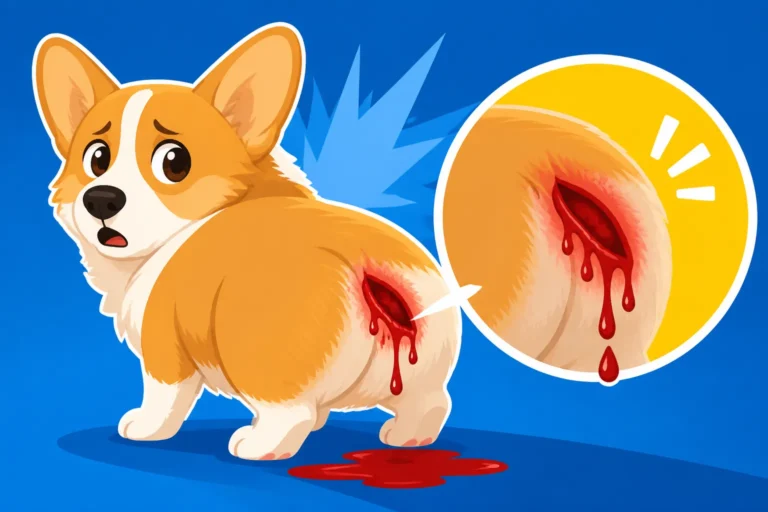
Persistent Corgi wound seepage, infection risks, and foreign bodies explained to help manage your canine recovery and healing process.
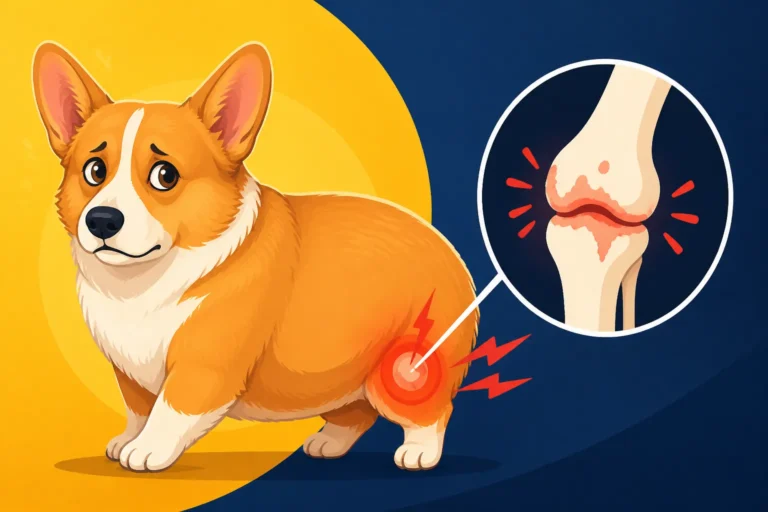
Excess weight on a Corgi puts immense physical strain on delicate joints, wearing down cartilage and causing pain and stiffness.
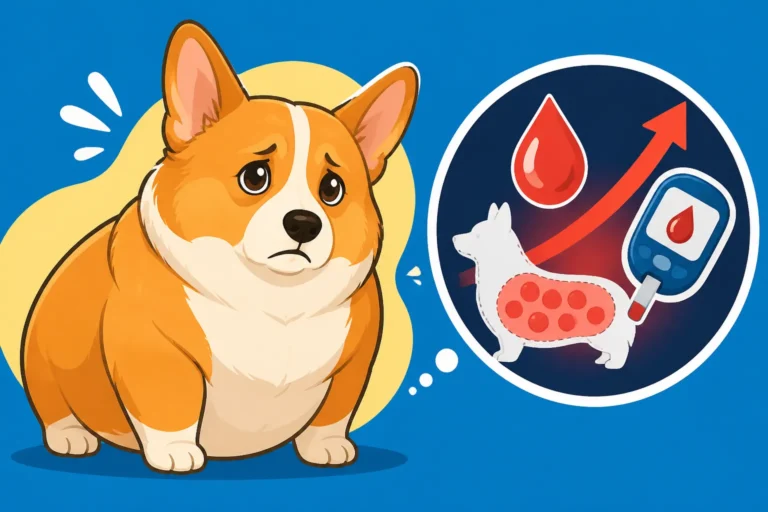
Excess body fat in Pembroke Welsh Corgis and Cardigan Welsh Corgis causes insulin resistance and increases diabetes risk.

Obesity in Corgis increases spinal strain and joint arthritis. Extra pounds accelerate age-related health issues and shorten their lives.

Corgi body condition and weight health risks explain why a round appearance threatens Pembrokes and Cardigans with dwarfism.

Pembroke Welsh Corgi weight standards are twenty seven to thirty pounds for males and twenty five to twenty eight pounds for females.

Excess weight on a Corgi creates a heavy physical burden that strains delicate spines and joints, shortening their lifespan.

Veterinary neurologist examinations for Corgis assess gait, posture, proprioception, and early signs of neurological conditions.