Whether a Corgi Diet Should Change After Nine
Senior Corgi metabolism changes at nine years old, requiring dietary adjustments for lower calorie needs and joint health.
The daily stuff, done right.
Feeding amounts by life stage, coat and skin routines, dental and nail care, exercise needs, and what changes as they age.

Senior Corgi metabolism changes at nine years old, requiring dietary adjustments for lower calorie needs and joint health.

Proper nutrition helps a recovering Corgi manage weight, control inflammation, and maintain muscle mass during activity restriction.

Confined Corgi calorie reduction helps prevent unhealthy weight gain during injury recovery and restricted exercise periods.

Corgi eating habits and genetic instincts explain why these working herding dogs always seem hungry and never feel full.

Transforming your Corgi daily kibble allowance into training rewards prevents weight gain while building good behavior and strengthening obedience.

Smart dietary choices and optimized activity help Corgis shed extra pounds safely without cutting their daily exercise routines.
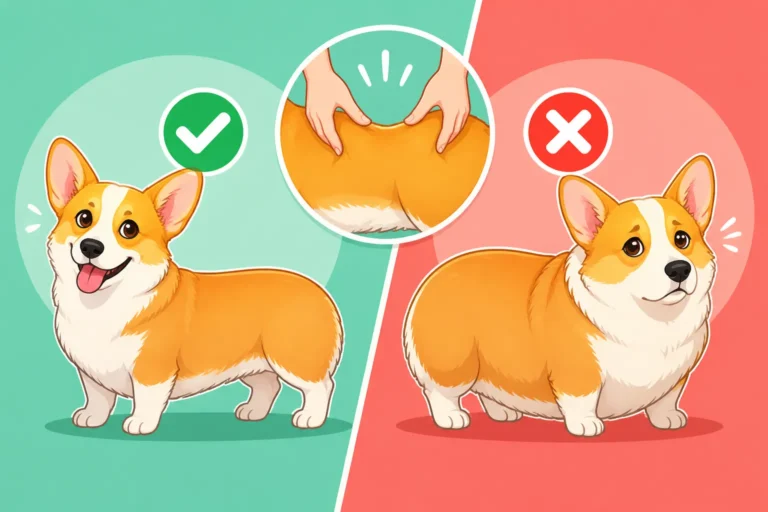
Corgi weight gain hidden by dense coats is identified using hands-on rib checks to protect their long-backed structural health.
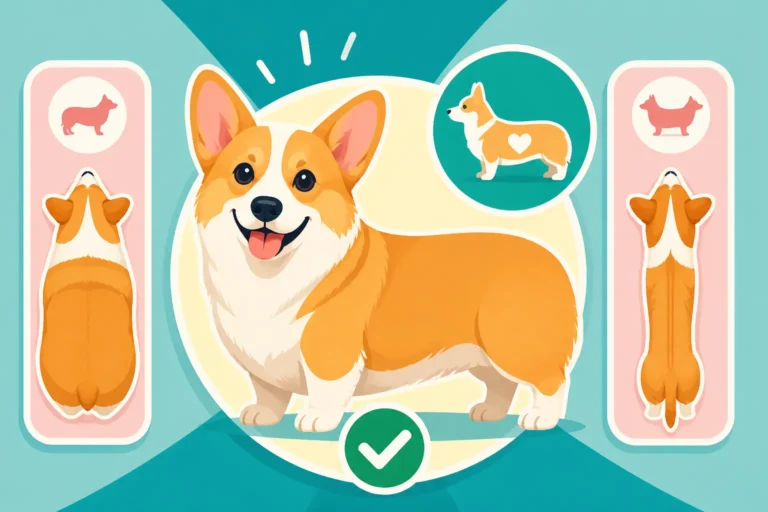
The Body Condition Score helps Corgi owners measure fat reserves using five-point and nine-point scales instead of scales.

Corgi food measurement by weight prevents unexpected weight gain caused by inconsistent scoop sizes and hidden extra calories.

The calorie target formula for a twenty-eight pound Corgi helps calculate daily energy requirements using resting energy.