Cesarean Rates in Corgi Litters
Cesarean section rates in Corgi litters, explaining why unique anatomy and large puppy heads require veterinary intervention.
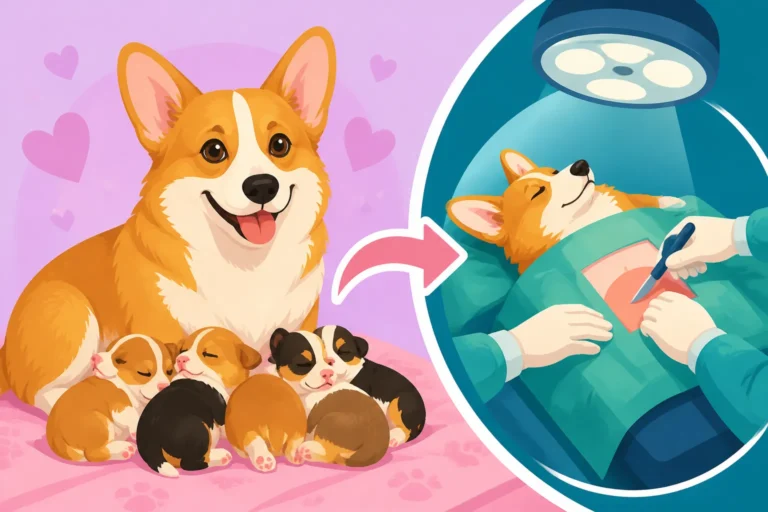
Cesarean section rates in Corgi litters, explaining why unique anatomy and large puppy heads require veterinary intervention.
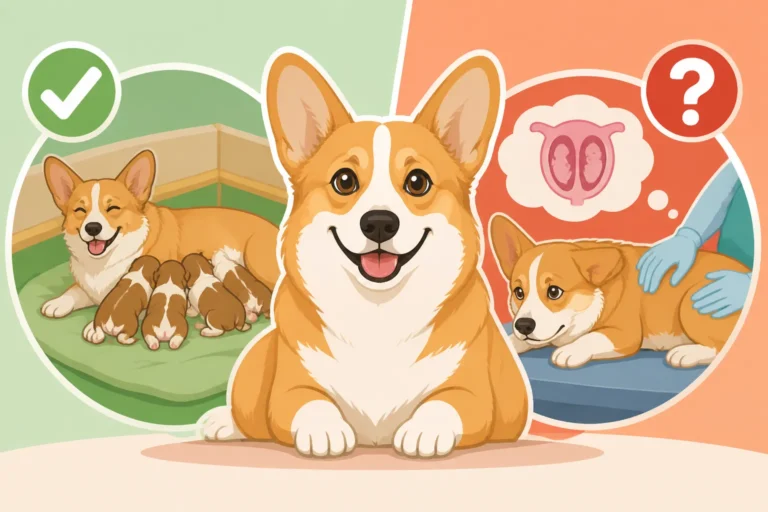
Corgi natural whelping challenges, anatomical risks, and veterinary support needs explained through breed physical build details.

Corgi scooting behavior often signals anal gland impaction at the 4 and 8 o clock positions or allergies that cause intense discomfort.

Corgi cancer risks, common types like lymphoma and hemangiosarcoma, warning symptoms, and veterinary diagnosis methods explained.
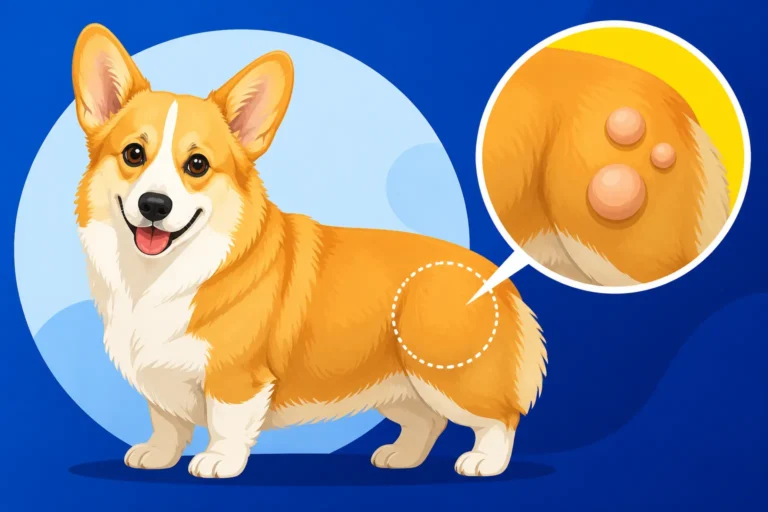
Benign fatty lumps on older Corgis are explained by examining their causes, characteristics, and differences from other masses.
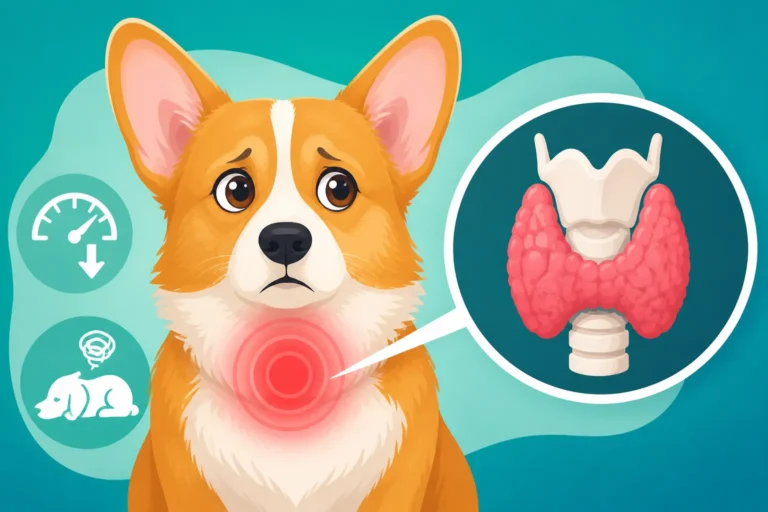
Corgi hypothyroidism symptoms, genetic causes, and thyroxine hormone regulation explained to help owners manage the condition.
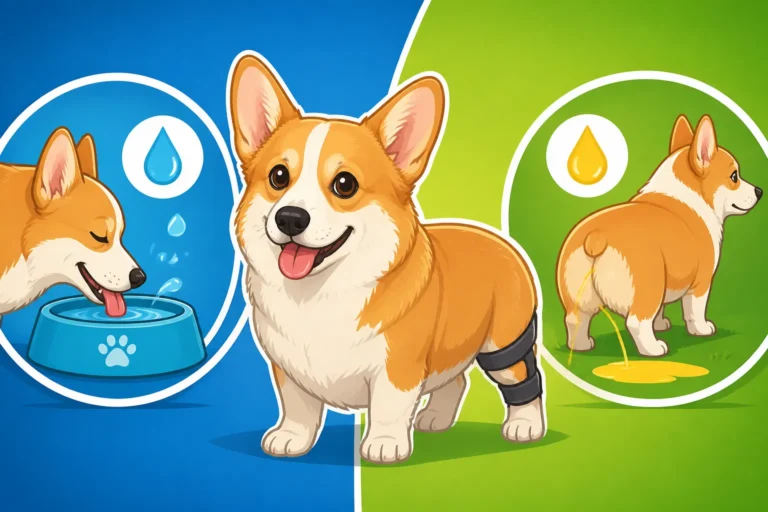
Older Corgis experiencing increased thirst and urination learn potential health concerns and how veterinarians diagnose chronic kidney disease.
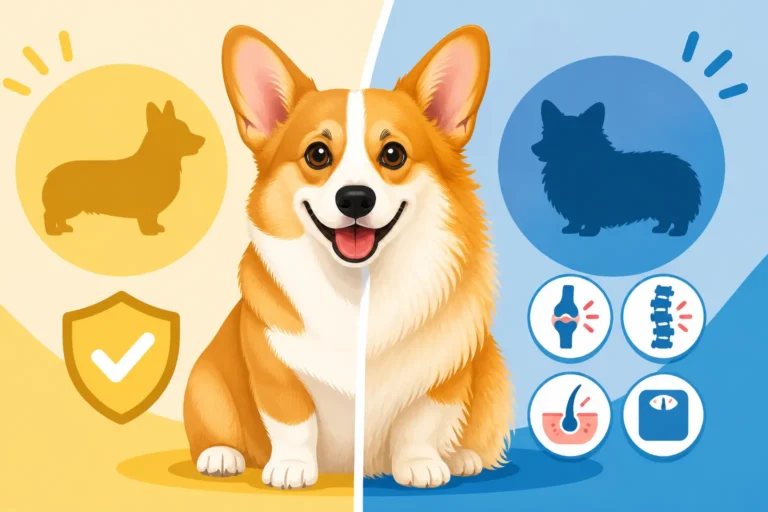
Fluffy Corgi health risks and grooming needs, explained through the recessive FGF5 gene mutation and twenty-eight pound body weight.

Umbilical hernias and vaccine bumps explain why a Corgi puppy develops belly lumps that might close on their own by four months.
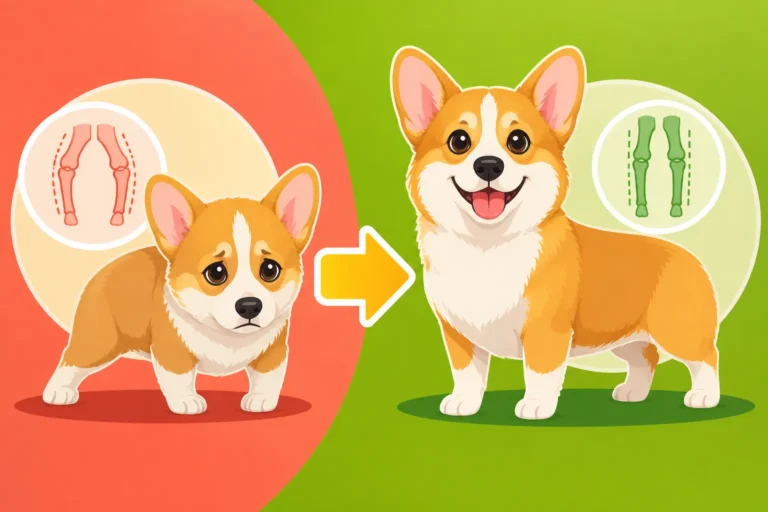
Corgi puppy leg development involves chondrodysplasia, explaining why wonky limbs and splayed stances usually resolve naturally.