Whether a Pet Corgi Should Herd Sheep
It’s a thought that crosses many a Corgi owner's mind: "My Corgi acts like a little herder in the house, should I let them herd sheep?" It’s a completely natural question, especially when you see their instincts kick in, whether they’re circling the kids or nudging your heels. This guide dives deep into whether a pet Corgi should actually herd sheep, exploring the history, the realities, and the best ways to nurture that innate drive in a safe and fulfilling way for your beloved companion.
Understanding the Corgi's Deep-Rooted Herding Instinct
When you bring a Corgi into your home, you're not just getting an adorable, fluffy companion with an expressive face; you're inviting a piece of working history. These small, sturdy dogs were bred for a very specific and demanding job: herding cattle in the rugged Welsh countryside. Their instincts aren't just a quirky personality trait; they're deeply ingrained, shaping much of their behavior and temperament.
A Legacy of Driving Cattle, Not Just Pets
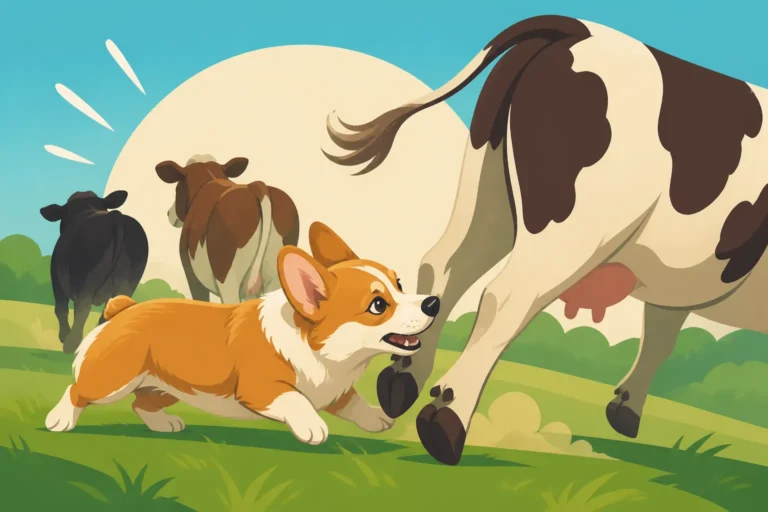
Imagine a Corgi in its original working environment. These dogs weren't gentle nudgers of fluffy sheep. Oh no, Corgis were built for cattle. Their low stature was a huge advantage, allowing them to nip at the heels of much larger, often less-than-cooperative cows, then duck out of the way before receiving a kick. This wasn't a game; it was serious work that required intelligence, bravery, and a whole lot of independent thinking. They were problem-solvers on four short legs, driving livestock from pasture to market, often making decisions without direct commands.
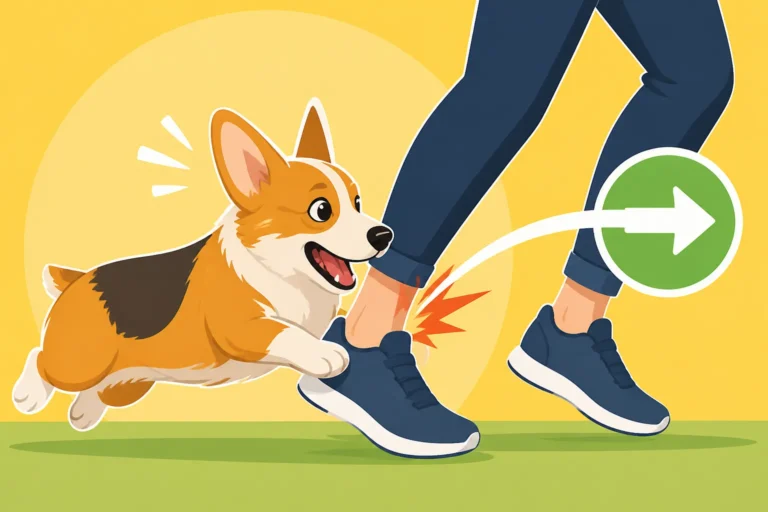
This history explains so much of what we see in our pet Corgis today. That tendency to circle your ankles when you walk, or to round up the kids in the backyard, isn't misbehavior; it's their ancient programming kicking in. They are trying to gather and control their "herd" – which, in a modern household, happens to be you, your family, and sometimes even the cat. Understanding this lineage helps us appreciate why they do what they do, and why merely telling them "no" often isn't enough to quell such a powerful, innate drive. This isn't just a pet, it's a living, breathing piece of heritage, and that instinct is a huge part of who they are.
Instinct vs. Training: The Innate Drive
Many owners wonder if their Corgi's herding tendencies are something that can be "trained out." The truth is, it's not really about training it out, but rather training it into appropriate channels. The herding instinct is a deep-seated drive, often present from a young age, even if a puppy has never seen a sheep or a cow. It's like asking a retriever not to fetch, or a hound not to sniff. It’s part of their very being.
You might notice your Corgi puppy attempting to "herd" your feet, or gently (or not so gently!) trying to guide you where they think you should go. They might try to control the movement of toys or even other pets. This isn't them being disobedient; it's them expressing a genetic blueprint. While you can certainly teach them good manners and impulse control – essential for any well-behaved dog – you won't erase the instinct itself. Instead, the goal is to provide outlets for this drive that are safe, constructive, and enjoyable for both of you. Ignoring it or suppressing it entirely can lead to frustration for your Corgi, which might manifest in less desirable behaviors like excessive barking, destructive chewing, or even The Cattle-Driving Nip a Corgi Still Has. A Corgi needs a "job," and for many, channeling that herding instinct is the most fulfilling job of all.
The Practicalities of Live Stock Herding for a Pet Corgi
So, you're considering taking your Corgi to actual sheep. It sounds like a fantastic idea, a way to truly embrace their heritage! But let's be realistic about what that entails. It's not as simple as showing up at a farm and letting Fido chase some woolly creatures around. There are significant benefits, yes, but also a fair share of challenges that any responsible Corgi owner needs to consider.
The Benefits and Challenges of Herding Trials
Engaging in actual herding with livestock can be an incredibly rewarding experience for both you and your Corgi. The benefits are clear:
- Mental Stimulation: Herding taps into complex problem-solving skills, decision-making, and focus. It's a huge mental workout that leaves your Corgi feeling truly satisfied, far beyond what a simple walk can provide.
- Physical Exercise: While Corgis aren't marathon runners, herding involves bursts of speed, quick turns, crouching, and navigating uneven terrain. It's a full-body workout that builds muscle and stamina. However, this also means careful consideration of their unique body structure. You'll want to be mindful of activities that could strain their long back, much like you would if considering Agility With a Corgi's Back in Mind.
- Fulfilling Breed Purpose: There's a deep satisfaction in watching your Corgi do what they were bred to do. It’s a powerful connection to their ancestors and their inherent nature.
- Strengthened Bond: Working together as a team in such an intense environment can dramatically deepen the bond between you and your Corgi.
However, the challenges are equally significant:
- Accessibility: Finding a reputable herding facility with experienced trainers and appropriate livestock (usually sheep or ducks for beginners) can be difficult, especially if you don't live in a rural area. These facilities aren't on every street corner.
- Cost: Herding lessons and trials can be quite expensive. You're paying for the instructor's expertise, access to the livestock, and the facility itself. These costs can add up quickly, becoming a significant part of The Corgi Bills That Come With a Long Back if you're not careful.
- Time Commitment: Herding isn't a one-and-done activity. It requires consistent lessons, practice, and often travel to different venues for trials. This is a serious time investment.
- Potential for Injury: Both to your dog and to the livestock. Corgis are tough, but they can still get hurt. And while they are trained to "work" the animals, a novice Corgi or inexperienced handler could inadvertently injure a sheep. Safety is paramount, and a good trainer will emphasize this.
Is It Right for Every Corgi? Assessing Temperament and Health
Just because a Corgi has the instinct doesn't mean they'll thrive in a live herding environment. Each Corgi is an individual, and a realistic assessment of their temperament and physical health is crucial before embarking on this journey.
Some Corgis, despite their heritage, might be too timid or soft to confidently work livestock. They might be overwhelmed by the new environment, the sounds, or the sheer presence of the animals. Others might be a bit too enthusiastic, needing a lot of guidance to learn to work "kindly" with the sheep, rather than just chasing them. A good herding instructor will assess your dog's natural aptitude and guide you on whether it's a good fit.
More importantly, a Corgi's physical health is a non-negotiable consideration. Their long backs and short legs make them susceptible to spinal issues like Intervertebral Disc Disease (IVDD). Disc Disease in a Long-Backed Corgi is a very real concern. Activities involving sudden twists, jumps, or repetitive forceful movements could exacerbate underlying issues or even trigger an injury. A Corgi in peak physical condition might handle it well, but an older Corgi, or one with any history of back stiffness, would likely not be a good candidate. It's absolutely essential to get a thorough veterinary check-up, including a discussion with your vet about the physical demands of herding, before you even consider it. No amount of instinct fulfillment is worth risking your dog's well-being.
| Feature | Live Stock Herding (Pros) | Live Stock Herding (Cons) | Alternative Activities (Pros) | Alternative Activities (Cons) |
|---|---|---|---|---|
| Instinct Outlets | Fullest expression of natural herding drive | Can be overly intense for some dogs | Satisfies mental & physical needs without live animals | May not feel "authentic" for some owners/dogs |
| Physical Demands | Excellent full-body workout, builds stamina | High risk for back injury if not conditioned; requires agility | Variable, can be tailored to dog's fitness | Less intense physical challenge for some dogs |
| Mental Engagement | Highly stimulating, problem-solving, decision-making | Can be stressful for timid dogs or inexperienced handlers | Excellent mental stimulation, builds focus | Less spontaneous decision-making than live herding |
| Accessibility | Limited facilities, often rural, requires travel | High barrier to entry | Widely available, often local or home-based | May require specialized equipment (e.g., from Amazon) |
| Cost | Significant investment in lessons, trials, travel | Can be prohibitive for many owners | Often more affordable, some can be DIY | Initial equipment costs (e.g., flirt poles, puzzle toys) |
| Training | Requires expert instructor, specific techniques | High skill level required for handler | Can be learned via online resources (e.g., BAXTER & Bella) | Requires owner commitment to teach and engage |
| Bonding | Deepens partnership through challenging teamwork | Potential for frustration if dog or handler struggles | Builds strong bond through shared positive experiences | May not reach the intensity of live herding teamwork |
Channeling the Herding Instinct in a Household Setting
Even if live stock herding isn't feasible or suitable for your Corgi, that doesn't mean their powerful herding instinct has to go unfulfilled. There are countless ways to channel this energy and intelligence into activities that are safe, accessible, and incredibly enriching for your dog right in your own home or local park. This is where you can truly embrace The Job a Corgi Needs Instead of Herding You.
Alternative Activities That Satisfy the Drive
Thinking outside the box can open up a world of possibilities for your Corgi. The goal is to simulate the elements of herding that they crave: movement, control, problem-solving, and "gathering."
- Flirt Poles: This simple tool, easily found on Amazon, can be a game-changer. It's essentially a long pole with a lure (a toy or rag) attached to a rope. You use it to make the lure dart and weave, mimicking prey movement. Your Corgi gets to chase, stalk, and "catch" the lure, fulfilling their chase and retrieve drives. It’s a fantastic way to burn energy in short bursts and practice impulse control by teaching "leave it" and "take it." Just remember to keep the movements low to the ground and avoid high jumps or sharp, twisting movements that could strain their back.
- "Herding" Toys: Some dogs absolutely love to push large, sturdy balls (like Jolly Balls or herding balls) around the yard. This allows them to use their body to control an object, which is a direct mimic of pushing livestock. Supervise this, especially with multiple dogs, to prevent overexcitement or injury.
- Scent Work and Nose Games: While not directly herding, scent work is an incredible mental workout that engages a Corgi's natural sniffing abilities and problem-solving skills. Hiding treats around the house or yard and letting them sniff them out is easy to start. More advanced scent work classes, sometimes called "K9 Nose Work," can be found in many areas. This low-impact activity is perfect for dogs needing mental stimulation without strenuous physical demands. Scentwork as a Sport That Spares a Corgi's Back is an excellent choice for Corgis.
- Structured Play with Boundaries: Use toys, cones, or even pillows to create boundaries in your living room or yard. Encourage your Corgi to "herd" their toys into these designated areas. You can make it a fun game, rewarding them when they successfully move a toy from one spot to another. This teaches them to control movement within a defined space, a core aspect of herding.
Everyday Training and Mental Enrichment
Beyond specific activities, integrating elements of "herding" and problem-solving into your daily routine is key. Corgis are intelligent dogs who thrive on interaction and having their brains engaged.
- Advanced Obedience and Trick Training: Corgis excel at learning. Teach them complex trick sequences or engage in advanced obedience. This satisfies their need to learn and work with you. A comprehensive online training program, like those offered by BAXTER & Bella, can provide structured lessons from puppyhood through advanced skills, teaching you how to keep your Corgi engaged and focused. This structured approach can also help redirect any unwanted behaviors, like excessive barking or chasing, by giving them appropriate outlets for their energy.
- Puzzle Toys and Food Dispensing Toys: Instead of just putting food in a bowl, make your Corgi "work" for it. Use puzzle feeders, snuffle mats, or treat-dispensing toys. This provides mental stimulation and slows down their eating, which can be beneficial for their digestion and weight management.
- Redirecting the Nip: If your Corgi tries to herd you by nipping at your heels, consistent redirection is essential. Never punish this instinctual behavior, but immediately redirect it to an appropriate toy or activity. A toy on a rope, for example, can become the target of their herding energy. Remember, you're teaching them what to do instead, not just what not to do.
- Regular, Varied Walks: While walks don't directly fulfill herding, they are crucial for physical and mental health. Vary your routes, introduce new smells, and allow for sniffing opportunities. These experiences provide enrichment and help your Corgi feel like they've had an "expedition."
By incorporating these alternatives, you can provide a rich, stimulating life for your Corgi that honors their heritage without the specific demands and potential risks of live stock herding.
Making an Informed Decision for Your Corgi
Deciding whether to pursue herding, or any other intensive activity, with your Corgi is a big choice. It’s not just about your desires but about your dog's capabilities, health, and what you're truly able to commit to. Responsible Corgi ownership means looking at the whole picture.
Finding Reputable Herding Trainers and Facilities
If, after considering all aspects, you decide that live stock herding is something you want to explore, the most critical step is finding the right guidance. This isn't a DIY activity, and an inexperienced approach can be detrimental to both your dog and the livestock.
Here’s what to look for and questions to ask:
- Experience with Corgis and Small Herding Breeds: Not all herding trainers understand the unique mechanics and drives of a low-to-the-ground Corgi. Look for someone with specific experience.
- Focus on Positive Reinforcement and Safety: The training should be about guiding and encouraging, not forceful corrections or intimidation. The safety of your dog and the sheep should always be the top priority. The trainer should have well-cared-for livestock that are accustomed to working with dogs.
- Structured Learning Progression: A good program will start with very basic instinct tests, then move to controlled environments with small groups of calm sheep, gradually increasing the challenge as your dog gains confidence and skill. They should focus on developing control and communication, not just letting the dog chase.
- Emphasis on Dog Health: A reputable trainer will understand the physical limitations of Corgis and encourage you to prioritize your dog's back health. They should never push a dog past its physical limits.
- Observe a Class First: Before committing, ask if you can visit a session to watch how the trainer interacts with dogs and owners. This will give you a feel for their methods and the atmosphere. You can often find local facilities by checking with breed clubs or regional herding associations. For initial obedience and general manners, before even stepping foot on a farm, online resources like BAXTER & Bella can provide an excellent foundation, ensuring your Corgi understands basic commands and impulse control, which is vital for any advanced sport.
The Commitment Required for Herding
Make no mistake, pursuing live stock herding is a significant commitment. It’s not a casual weekend hobby.
- Time: Consistent training means regular lessons, often weekly or bi-weekly, plus practice sessions at home to reinforce what you've learned. You’ll spend hours traveling to and from facilities, and even more time at trials if you decide to compete.
- Financial Investment: As mentioned earlier, the costs can accumulate. Beyond lesson fees, consider travel expenses, potential membership fees for clubs, and trial entry fees. It's wise to budget carefully for Herding Class Costs for a Corgi and factor them into your overall calculations for What a Corgi Costs a Year Before Any Back Trouble. This doesn’t even include potential veterinary costs if an injury were to occur, although diligent preparation and a good trainer significantly reduce this risk.
- Emotional and Mental Investment: You'll need patience, persistence, and a willingness to learn alongside your dog. There will be good days and challenging days. Herding is a partnership, and you both need to be "all in" to truly succeed and enjoy the process.
Ultimately, whether a pet Corgi should herd sheep comes down to a personalized decision. For some, it's a deeply fulfilling journey that connects them to their Corgi's heritage in a profound way. For others, the alternatives offer just as much joy and enrichment without the logistical hurdles and physical demands. The most important thing is to prioritize your Corgi's health, happiness, and well-being above all else.
Disclaimer
This article is for general informational purposes only and does not constitute professional advice. Laws, prices and regulations vary by location and change over time. Consult a qualified professional for guidance on your specific situation.