What an Instinct Test Involves for a Corgi
It's a common experience for Corgi owners: you're watching your adorable, low-rider companion in the yard, and suddenly they're circling the kids or nudging your ankles. You see that spark in their eyes, that undeniable drive, and you wonder, "Is my Corgi actually still a herding dog at heart?" This guide will walk you through what a herding instinct test involves for a Corgi, helping you understand how to safely explore this deep-seated part of their heritage.
Understanding the Herding Instinct in Corgis
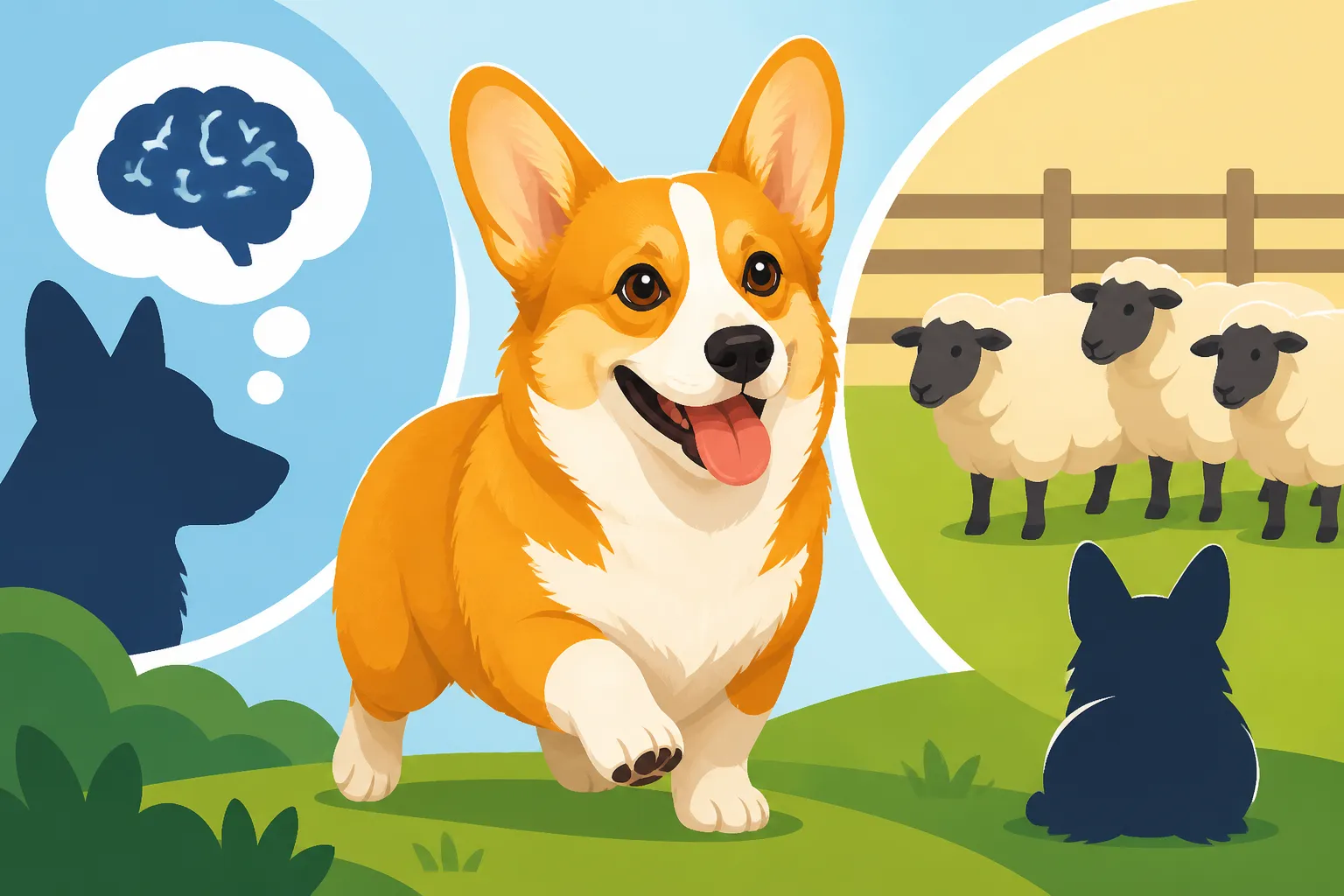
Corgis, both Pembrokes and Cardigans, were originally bred for a very important job: herding cattle and sheep in the fields of Wales. Their low stature allowed them to nip at the heels of stubborn livestock without getting kicked, and their quick wit and agility made them invaluable to farmers. Even generations removed from the farm, that instinct often lies just beneath the surface, waiting for an outlet. Many owners are curious about their Corgi's innate abilities, and an instinct test is a wonderful, safe way to see if that herding spark is still there.
The Historical Role of the Corgi
Imagine a bustling Welsh farm centuries ago. Farmers needed a dog that could manage cattle much larger than itself, navigating the unpredictable movements of powerful animals. The Corgi's unique build and temperament were perfect for this. They weren't just running around; they were using their intelligence to anticipate movement, their courage to stand their ground, and their distinctive "corgi-butt" waddle to evade kicks. This rich history is why we still see those little herding behaviors pop up in our modern-day companions. It's not just a cute quirk; it's a genetic echo of their past.
Why Test the Instinct?
For many Corgi owners, it’s not about turning their pet into a working farm dog. It's about understanding them better, giving them an enriching experience, and providing a suitable mental and physical outlet. If you've ever felt like your Corgi is "too smart for its own good" or gets bored easily, an instinct test might reveal a deep well of untapped potential. It's a fantastic way to see their natural talents shine without any pressure, allowing them to engage with an activity that feels intrinsically rewarding. Plus, it's just plain fascinating to watch! You might notice your dog displaying behaviors you've only read about in breed books.
What Exactly is a Herding Instinct Test?
A herding instinct test is essentially a structured introduction for your dog to live livestock, usually sheep or ducks, in a controlled environment. It’s not a competition, nor is it about evaluating how "good" your dog is at herding. Instead, it's designed simply to observe and confirm whether your Corgi possesses the innate desire to gather and control stock. A skilled handler or instructor will guide the process, ensuring the safety of both your dog and the animals.
The Purpose of the Test
The primary purpose of an instinct test is purely diagnostic. It answers the question: "Does my Corgi have a herding instinct?" It's a low-pressure way to see if your dog shows interest, movement, and a natural ability to respond to the stock. Dogs with strong herding instincts will often display specific behaviors almost immediately: circling, trying to gather the animals, showing intense focus, and sometimes even a gentle "nip" at the heels (though professional tests are designed to prevent actual biting). It's a beautiful thing to witness your dog connecting with its ancient roots.
What an Instinct Test is NOT
It's crucial to understand that an instinct test is not a training session, nor is it a trial. You're not expected to have taught your Corgi any herding commands beforehand. In fact, many instructors prefer dogs to come in with minimal pre-training specifically for herding, as they want to observe the raw, unfiltered instinct. It's also not a place for aggressive dogs; if your Corgi has a history of aggression towards other animals, this might not be the right activity, and you should discuss it thoroughly with the facility beforehand. The focus is on natural behavior, not learned commands or competitive prowess.
The Typical Structure of a Corgi Instinct Test
While specific facilities might vary slightly, most herding instinct tests follow a similar pattern. You'll typically be working with an experienced handler who understands Corgi behavior and how to introduce them safely to livestock. The key is to create a positive, low-stress experience for your dog, allowing their natural instincts to emerge.
The Test Environment
An instinct test usually takes place in a small, fenced arena or pen. The size of the pen is important – it’s large enough for the dog to move freely around the stock, but small enough to maintain control and prevent the stock from scattering too widely. The type of stock used can vary, but for smaller dogs like Corgis, it's often ducks or smaller, quieter sheep. These animals are typically accustomed to working with dogs and are not easily stressed. The ground surface is usually dirt or grass, providing good footing.
When you arrive, the instructor will likely have a brief conversation with you about your Corgi's temperament, any prior exposure to livestock (even just seeing them on TV!), and what you hope to get out of the session. They want to set everyone up for success.
Introducing Your Corgi to the Stock
This is the moment of truth! Your Corgi will be brought into the pen, usually on a long line, with the handler maintaining control. The stock will already be present. The handler will observe your Corgi's initial reaction. Will they ignore the stock? Stare intently? Try to approach cautiously? Bolt after them?
A good handler will be very attuned to your dog's body language. They might gently encourage your Corgi to move around the stock, or they might simply allow them to explore and react naturally. You'll be amazed at how quickly some Corgis "switch on" when they realize what's in front of them. That characteristic low crouch, the focused stare, the quick side-to-side movements – it's like watching a tiny wolf at work. This is a far cry from The Forty-Five Minutes a Corgi Needs Daily on a leash walk; it's a completely different kind of engagement.
Observing Instinctive Behaviors
During the test, the handler will be looking for specific behaviors that indicate a herding instinct. These include:
- Eye Contact/Focus: A strong, unwavering gaze on the stock.
- Circling: The dog attempting to move around the stock to gather them.
- Driving: Pushing the stock forward.
- Gathering: Bringing scattered stock together.
- Nipping/Barking: While not always present, some Corgis may try to nip at heels (under strict control) or bark to move the stock. This is part of The Cattle-Driving Nip a Corgi Still Has.
- Balance: Moving in relation to the stock, often forming a "bubble" around them.
The handler will interpret these signs for you. They’ll explain what they’re seeing and whether your Corgi is showing a discernible instinct. Some Corgis might need a few minutes to warm up, while others jump right in. It's a very individual experience.
Here’s a simple table outlining what you might observe in an instinct test:
| Behavior Observed | Indication of Instinct | Typical Corgi Presentation |
|---|---|---|
| Intense Stare | High focus, strong interest in controlling stock. | Low crouch, unblinking eyes fixed on the animals. |
| Circling/Flanking | Attempting to move around the stock to gather them. | Quick, low movements, often trying to get behind the stock. |
| Pushing/Driving | Moving stock away from the handler or a specific point. | Bumping with nose or shoulder, determined forward movement. |
| Nipping at Heels | A natural impulse to "turn" or direct stock movement. | A quick lunge towards the rear of the animal, often without contact in a test. |
| Barking/Grunting | Vocalizing to encourage movement or express frustration. | Short, sharp barks, sometimes low grumbles of concentration. |
| Ignoring Stock | Lack of interest. | Sniffing the ground, looking at the handler, no engagement. |
| Fear/Hesitation | Overwhelmed by the novelty or movement of stock. | Retreating, hiding behind handler, tail tucked. |
Benefits and Considerations for Your Corgi
Deciding to pursue a herding instinct test, and potentially further training, has several advantages for your Corgi. However, it's also important to consider the practicalities and ensure it's a good fit for your individual dog and lifestyle.
The Mental and Physical Workout
Corgis are highly intelligent dogs with a strong drive to work. Without a proper outlet, this intelligence and energy can manifest in less desirable behaviors, like excessive barking at the window, A Corgi That Nips Running Children, or "herding" family members. Herding provides an unparalleled mental and physical workout. It challenges their problem-solving skills, requires intense focus, and gives them a job that feels inherently right. This type of engagement can lead to a happier, more settled dog at home. It's a fantastic way to bond with your Corgi and see them thrive in an environment suited to their genetics.
Building Confidence and Focus
For some Corgis, especially those who might be a bit timid or unsure in new situations, the success of engaging with stock can be a huge confidence booster. When they realize they can actually influence the movement of another animal, it can be incredibly empowering. This newfound confidence often translates to other areas of their life. The intense focus required also helps to build their concentration, which can be beneficial for other types of training, from obedience to agility.
Considerations Before You Go
While instinct testing is generally safe, there are a few things to keep in mind.
- Physical Health: Ensure your Corgi is in good physical condition. While it's not extreme athletics, it does involve quick movements. For a breed known for its long back, ensuring your dog is fit and healthy is paramount. Discuss any concerns with your vet before attending.
- Temperament: Most facilities require dogs to be non-aggressive towards people and other dogs. They also need to be able to handle novel situations without extreme fear. If your Corgi struggles with reactivity, discuss this with the instructor beforehand.
- Finding a Reputable Facility: Look for facilities with experienced handlers who prioritize animal welfare (both dog and stock). Ask about their methods, how they introduce dogs, and what safety protocols they have in place. Often, a local Corgi club or kennel club can provide recommendations. Brands like BAXTER & Bella focus on foundational obedience, which can be a great precursor to more specialized activities like herding, ensuring your Corgi has a good grasp of basic commands and self-control before diving into instinct testing.
- Time and Cost Commitment: While an instinct test is often a one-off fee, if your Corgi shows a strong aptitude and you decide to pursue further training, it will require ongoing commitment of time and money. Consider if this fits into your lifestyle.
Beyond the Test: What Comes Next?
So, your Corgi passed their instinct test with flying colors! Or maybe they showed a little spark, but nothing too dramatic. Or perhaps they were completely uninterested. Whatever the outcome, the instinct test is just a snapshot. What you do next depends on your Corgi's individual drive and your own goals.
Exploring Herding Training
If your Corgi shows a strong instinct and you're interested in pursuing it further, the next step is typically enrolling in beginner herding classes. These classes focus on developing and refining those natural behaviors into controlled, directed actions. You'll learn how to communicate with your dog using specific cues and body language, and your dog will learn how to respond to those commands to move the stock effectively.
It's a process that requires patience and consistency, but it's incredibly rewarding. You'll work on everything from stopping on command (critical for safety!) to directional cues and maintaining balance with the stock. Many facilities offer various levels of classes, progressing from basic control to more advanced maneuvers. This is where you might truly delve into Starting Herding With a Corgi and see the true extent of their capabilities.
Alternative Outlets for Herding Drive
What if your Corgi shows instinct but herding classes aren't practical for you? Or what if they don't show a strong instinct for livestock, but you still see those herding behaviors at home? There are many fantastic alternative activities that can satisfy a Corgi's drive without actual livestock:
- Treasure Hunts/Scent Work: Corgis love to use their noses! Hiding treats or toys around the house or yard and letting them sniff them out is a fantastic mental exercise. You can find all sorts of puzzle toys and scent-work kits on Amazon that engage their natural hunting and problem-solving skills.
- Agility and Obedience: These sports channel their energy, intelligence, and desire to work with you. Agility, especially, requires focus, speed, and communication, making it a great physical and mental workout, though careful consideration for Agility With a Corgi's Back in Mind is essential.
- Trick Training: Corgis are smart and love to learn. Teaching them a variety of tricks keeps their minds active and strengthens your bond. It's a great way to give them "a job" to do.
- Flirt Poles: A flirt pole is a long stick with a toy or lure attached to a rope. It mimics prey movement and allows your Corgi to chase and "herd" the lure in a controlled, safe way. This can be a brilliant way to satisfy their chase instinct.
The important thing is to give your Corgi an appropriate outlet for their intelligence and energy. A bored Corgi is often a mischievous Corgi! The Job a Corgi Needs Instead of Herding You is not a luxury, but a necessity for their well-being.
Living With a Herding Breed
Even if you never step foot in a herding arena again, understanding that your Corgi is a herding breed can profoundly change how you interact with them and manage their behavior. It gives context to those quirky traits and helps you meet their innate needs.
Managing Herding Behaviors at Home
Knowing your Corgi's heritage means you can anticipate and manage common herding behaviors. If your Corgi nips at children's heels, instead of scolding, you can gently redirect them to a more appropriate "herding" toy, like a large, durable ball they can push around. If they try to "herd" guests, you can teach them to settle on a mat when visitors arrive. Understanding why they do these things helps you approach training with more empathy and effectiveness. For independent thinkers, Training a Corgi That Makes Its Own Decisions often requires consistency and positive reinforcement.
The Importance of Structure and Routine
Herding dogs thrive on structure. A consistent routine for feeding, walks, training, and playtime can make a huge difference in their overall behavior. They like to know what to expect. This doesn't mean you have to be rigid, but a predictable rhythm to their day helps them feel secure and gives them confidence. This structure can also help mitigate behaviors like Why an Independent Corgi Ignores You if they feel clear about their expectations.
Continued Enrichment
Regardless of whether your Corgi becomes a champion herding dog or a beloved couch potato, ongoing mental and physical enrichment is key to their happiness and well-being. This can be as simple as daily walks with new scents, regular training sessions to practice commands, or interactive puzzle toys. Remember, a tired Corgi is usually a happy Corgi, and "tired" often means mentally stimulated as much as physically exercised. Embracing their herding nature, in whatever form, will deepen your bond and ensure your Corgi lives a fulfilling life.
Disclaimer
This article is for general informational purposes only and does not constitute professional advice. Laws, prices and regulations vary by location and change over time. Consult a qualified professional for guidance on your specific situation.