Teaching a Corgi a Quiet Word
The constant barking of a Corgi can really fray the nerves, can't it? One minute they're snoozing peacefully, the next they're erupting into a flurry of barks at a leaf blowing across the yard or the distant sound of a doorbell on TV. It's frustrating when you just want a moment of peace, but it feels like your furry friend has other plans. This guide is here to help you understand why your Corgi barks so much and, more importantly, to give you actionable steps to teach them a "quiet" command, bringing a little more calm into your home.
Understanding Why Your Corgi Barks in the First Place
Before we can even think about teaching a "quiet" cue, it's so important to understand why your Corgi feels the need to be so vocal. They aren't doing it to annoy you (most of the time, anyway!), but rather acting on deep-seated instincts and learned behaviors. Trying to suppress barking without understanding the root cause is like trying to fix a leaky faucet by just taping over the hole – it'll just find another way to spray.
The Herding Instinct and Its Vocal Legacy
Corgis, whether Pembroke or Cardigan, were originally bred to herd cattle. Imagine a tiny, low-slung dog keeping a much larger, stubborn cow in line. How do they do it? With quick nips at the heels, agile movements, and a whole lot of vocalizations! Their bark was a critical tool in their job, used to direct and move livestock. It wasn't just a friendly greeting; it was a command, an alert, and a way to exert control.
This strong herding instinct hasn't gone away, even in our modern house pets. Your Corgi might not be herding cows anymore, but they're still wired to use their voice to manage their environment and communicate. This means barking at the mail carrier who "threatens" your property, at the squirrel who dares to enter the yard, or even at family members who are moving too quickly or in a way they deem disorderly. It's their ancestral job, just repurposed for suburban life. Their deep, resonant bark can sometimes feel disproportionate to the perceived "threat," but in their minds, they're simply doing what they were born to do. This foundational understanding is key to having patience and approaching training with empathy.
Communication, Alert, and Attention-Seeking Barks
Beyond the herding instinct, Corgis, like all dogs, use barking as a primary form of communication. It's not always a bad thing; sometimes it's perfectly appropriate. An "alert bark" might happen when someone knocks on your door or a strange car pulls up. This is your Corgi telling you, "Hey, something's happening! I noticed it!" Suppressing this entirely isn't realistic or even desirable, as it's a useful warning system.
Then there are communication barks – perhaps they're telling you their water bowl is empty, they need to go outside, or it's past dinner time. These barks often have a specific cadence and are directed at you. And, let's be honest, Corgis are masters of the "attention-seeking bark." This often happens when they're bored, want to play, or feel they haven't gotten enough engagement from you. They've learned that barking gets a reaction, even if that reaction is you sighing and telling them to stop. They don't care if it's positive or negative attention, just that they're getting some attention. Recognizing the different types of barks can help you tailor your response.
Environmental Triggers and Over-Stimulation
Our modern living environments are often a symphony of triggers for a vocal breed like the Corgi. Large windows offering a full view of the street, the constant ebb and flow of neighbors walking by, the sounds of delivery trucks, or even the subtle creaks and groans of an old house can all become triggers for barking. For a Corgi, who perceives it as their duty to alert you to everything, this can quickly lead to over-stimulation.
Imagine living in an apartment or a townhouse where you can hear every footstep in the hall or every conversation outside your window. Your Corgi hears it all, and their instinct is to react. This constant barrage of stimuli means they are almost always "on duty," leading to persistent, sometimes incessant, barking. Identifying these specific environmental triggers is the first step in managing and eventually reducing the overall barking volume. Sometimes, a simple adjustment to their access to a window or adding a white noise machine can make a world of difference in preventing the bark before it even starts.
Laying the Foundation for a "Quiet" Cue
Teaching a "quiet" command isn't just about saying the word; it's about building a whole new routine and mindset for both you and your Corgi. We need to set them up for success by managing their environment, ensuring their needs are met, and giving them productive outlets for their energy. Without these foundational steps, asking for "quiet" will feel like asking them to change their entire nature without providing any alternatives.
Managing the Environment to Reduce Barking
One of the most immediate and effective ways to reduce barking is to manage your Corgi's environment. If your Corgi barks relentlessly at passersby from the living room window, consider limiting their access to that window during peak times or using window film, curtains, or blinds to block their view. You can find simple, effective solutions for window film on Amazon that diffuse light but obscure specific sights.
For auditory triggers, especially if you live in an apartment or a busy neighborhood, a white noise machine or even playing classical music or podcasts can help mask outside sounds that might otherwise prompt a barking session. Setting up a comfortable "safe space" away from common triggers, like a cozy crate in a quieter room, can also give your Corgi a retreat where they feel less compelled to be on alert. Proactive management isn't about ignoring your Corgi, but about thoughtfully reducing the stimuli that put them into bark-mode in the first place, making it easier for them to learn a new behavior.
The Importance of Exercise and Mental Stimulation
A tired Corgi is often a quieter Corgi. These intelligent, energetic dogs need more than just a quick trot around the block. They thrive on regular physical exercise that lets them burn off their boundless energy, and just as crucially, mental stimulation that engages their clever brains. A Corgi who is bored or under-exercised is far more likely to resort to barking out of sheer frustration or a need for attention.
Make sure your Corgi gets a good combination of physical activity, like brisk walks or supervised playtime in a securely fenced yard, and mental enrichment. Puzzle toys where they have to work for their kibble, scent games around the house, or short, engaging training sessions can do wonders. You can find a wide array of excellent puzzle toys on Amazon to keep their minds busy. Even just 10-15 minutes of dedicated mental work can be as tiring as a long walk. Remember, a Corgi's forty-five minutes of daily activity should include both types of exercise to truly satisfy their needs and reduce unwanted vocalizations. The Forty-Five Minutes a Corgi Needs Daily
Teaching an Alternative Behavior
Instead of just telling your Corgi what not to do (bark), it's far more effective to teach them what you want them to do instead. This is called teaching an alternative behavior. When your Corgi typically barks, what could they do instead? Perhaps go to their mat, sit calmly by your side, or bring you a toy. This gives them a clear, acceptable outlet for their energy or communication needs.
Start by teaching this alternative behavior in a calm, non-barking situation. For example, teach them to "go to your mat" when there are no distractions. Reward heavily for success. Once they understand the alternative behavior, you can slowly introduce it in situations where they might normally bark, but before they start barking. For instance, if you know the mail carrier is due, ask them to "go to your mat" before the carrier arrives and reward them for staying there quietly. This preemptive approach helps redirect their energy into a positive action rather than waiting for the barking to begin and then trying to stop it. The goal is to make the alternative behavior a rewarding habit.
Step-by-Step: Teaching the "Quiet" Command
Now that we've set the stage, it's time to dive into the practical steps of teaching the "quiet" command itself. This method leverages your Corgi's natural vocal tendencies to gain control over their barking, making it a cue they can respond to, rather than just an outburst you try to suppress. Consistency and patience are your best friends here.
The "Speak" and "Quiet" Method
This might sound counter-intuitive, but one of the most effective ways to teach "quiet" is by first teaching your Corgi to "speak" on command. This gives you control over their vocalizations. Here’s how you do it:
- Trigger a bark: Find something that reliably makes your Corgi bark. This could be a knock at the door, a doorbell sound, or you might even get another family member to walk by outside.
- Add the "speak" cue: The moment your Corgi barks, say "Speak!" and praise them enthusiastically, giving them a high-value treat. Repeat this several times over short sessions. The goal is for them to associate the word "speak" with barking.
- Refine "speak": Once they start barking at your "Speak!" cue, you can make it a game. Practice in different locations, making it fun.
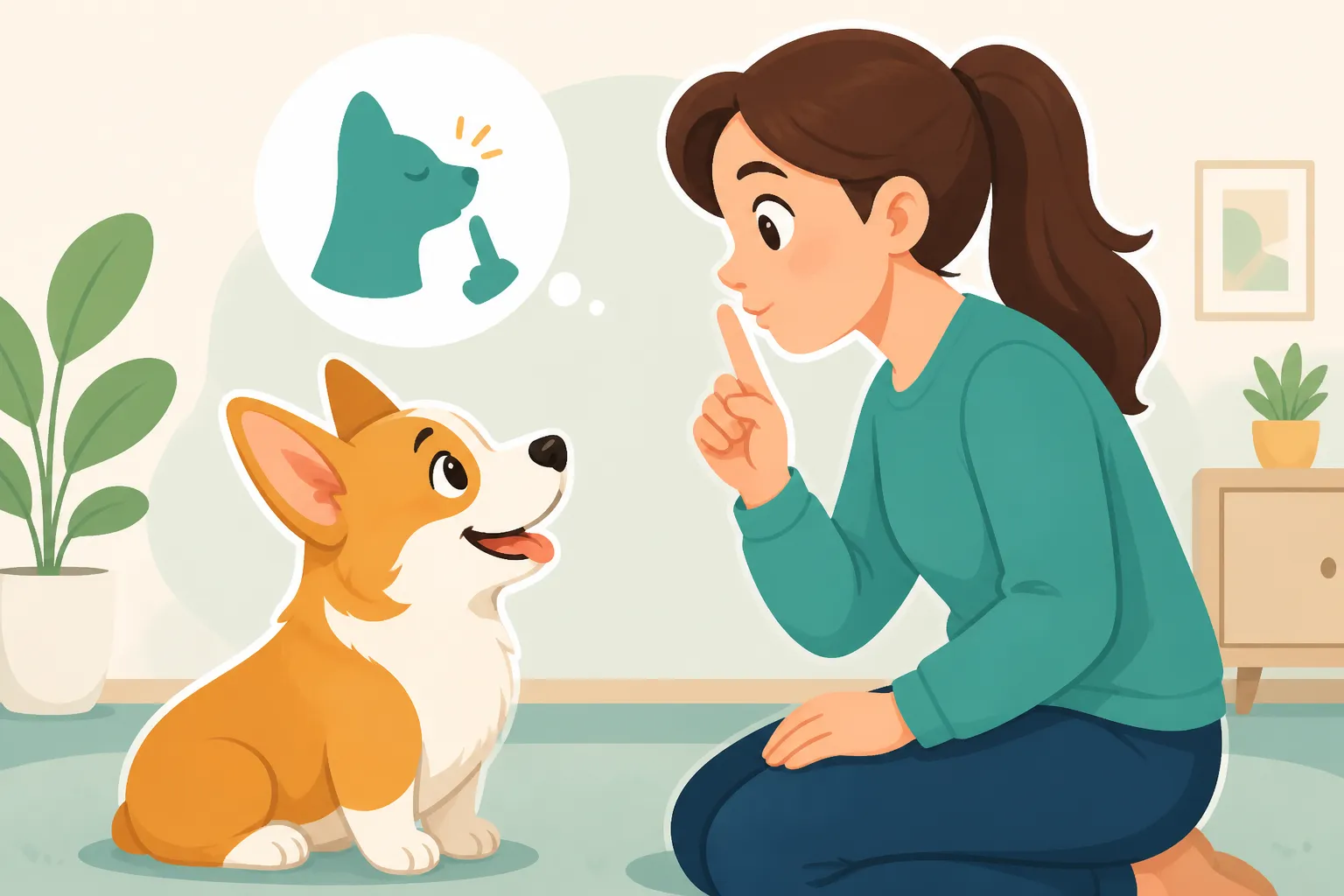
- Introduce "quiet": Once your Corgi reliably barks on command, you're ready to teach "quiet." Ask them to "Speak!" When they bark, hold a treat directly in front of their nose. Most dogs will stop barking to sniff the treat. The instant they are quiet, even for a second, say "Quiet!" and give them the treat.
- Repeat and extend: Practice this frequently. Gradually increase the duration of quietness required before you give the treat. Start with one second, then two, then three, building up slowly. The key is to reward the silence, not the barking that precedes it. If your Corgi barks again while you're waiting, simply reset and try again. They need to understand that quiet equals reward.
This method effectively puts barking under your control, turning it into a trick rather than an uncontrolled outburst.
Using a Distraction to Trigger and End Barking
Once your Corgi has a basic understanding of "speak" and "quiet," you can start to apply it to real-world scenarios. This is where your management of environmental triggers really comes into play. Instead of waiting for them to launch into an uncontrolled barking frenzy, you'll strategically use distractions.
For instance, if your Corgi typically barks at the doorbell:
- Anticipate the trigger: Have a friend or family member ring the doorbell.
- Cue "speak" (if necessary): If your Corgi doesn't immediately bark, you can prompt them with "Speak!" if you've taught it.
- Cue "quiet": As soon as they bark, even once, say "Quiet!" and present a high-value treat, waiting for that moment of silence before delivering the reward.
- Reward and praise: When they are quiet, give the treat and lavish praise.
The trick is timing. You want to interrupt the barking with your "quiet" cue before they get too worked up. If they're already in a full-blown frenzy, it's much harder for them to process your command. Start with mild distractions and gradually work your way up to more intense ones. This helps your Corgi generalize the "quiet" command to various situations. Remember, the goal is not to eliminate all barking, but to teach them to stop barking on command.
Reinforcing Quiet and Fading the Lure
Consistency is paramount when reinforcing the "quiet" command. Every time your Corgi barks excessively, use your "quiet" cue. Initially, you'll rely heavily on treats, especially high-value ones (think tiny pieces of chicken or cheese). As your Corgi gets more consistent, you can start to "fade the lure" – meaning you'll gradually reduce how often you use a visible treat to get their attention. Instead, you might just show an empty hand gesture, then give the treat from your pocket.
Over time, you'll move from rewarding every instance of quiet to rewarding intermittently. This means sometimes they'll get a treat, sometimes just praise, and sometimes a quick pat. This intermittent reinforcement makes the behavior stronger and more resistant to extinction. Crucially, ensure that everyone in the household is using the "quiet" command consistently and rewarding the desired behavior. If one person allows barking and another tries to stop it, your Corgi will get mixed signals and progress will be slow. It's a team effort! Make sure that the reward for being quiet is always more appealing than the perceived reward for barking (whether that's attention, scaring off the mail carrier, or simply releasing pent-up energy).
Common Pitfalls and Troubleshooting Your Corgi's Barking
Even with the best intentions and a solid plan, teaching a Corgi a "quiet" command can have its bumps in the road. These intelligent, often opinionated dogs have a knack for finding loopholes or testing boundaries. Understanding common pitfalls can help you avoid them and troubleshoot effectively when things don't go exactly as planned.
Inconsistency and Accidental Reinforcement
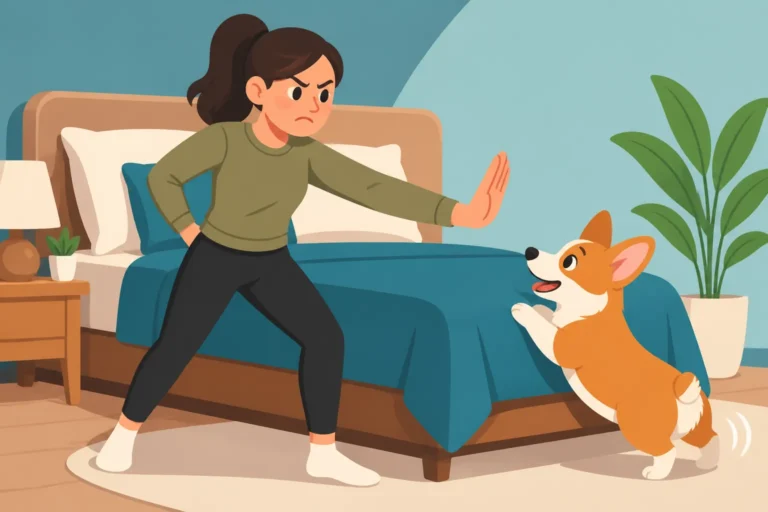
This is probably the biggest challenge many Corgi owners face. It's so easy to accidentally reinforce barking without even realizing it. Think about it: your Corgi barks, and you respond by yelling "No!" or "Quiet!" Even though it's negative attention, it's still attention, and for an attention-seeking Corgi, any attention is better than none. You might also accidentally reinforce barking by giving in to their demands – they bark to go outside, you let them out; they bark for a treat, you give them one. This teaches them that barking is an effective tool to get what they want.
Inconsistency is another huge problem. If some family members use the "quiet" command and others just ignore the barking or reinforce it, your Corgi will get utterly confused. They'll learn that barking sometimes works, which means they'll try it more often, just in case. The solution here is strict consistency across all family members and ensuring that you are never rewarding the barking itself. Only reward the quiet. It takes a conscious effort to change our own reactions to barking, but it's crucial for your Corgi's understanding. It's a hard habit to break for both humans and dogs!
Expecting Too Much, Too Soon
Corgis are incredibly smart, but they are also wonderfully stubborn and have a long history of being vocal. Changing such a deeply ingrained behavior, especially one tied to their instincts, takes time. It’s unrealistic to expect your Corgi to become perfectly silent overnight, or even in a few weeks. Think of it as a long-term project, not a quick fix. You'll have good days and bad days. Some days, your Corgi will seem to have forgotten everything you taught them, and you might feel like you're back to square one.
Don't get discouraged! Celebrate every small victory – a shorter barking session, a quicker response to your "quiet" cue, a moment of silence when they would normally be barking. These little successes add up. If you push too hard or get frustrated, your Corgi will pick up on your tension, and it can actually make the barking worse. Keep training sessions short, fun, and positive. Short Bursts of Training a Corgi Will Take Remember that mastery takes repetition, and sometimes it feels like two steps forward, one step back. That's totally normal in dog training.
When to Seek Professional Help
While many Corgi owners can make significant progress with consistent training, there are times when barking becomes so pervasive, severe, or anxiety-driven that professional help is needed. If your Corgi's barking is accompanied by other concerning behaviors like destruction, excessive pacing, self-mutilation, or aggression, it's definitely time to consult an expert. Sometimes, excessive barking can be a symptom of underlying anxiety, fear, or even a medical issue that needs to be addressed by a veterinarian.
A certified professional dog trainer or a veterinary behaviorist can observe your Corgi in their home environment, pinpoint the exact triggers and motivations for the barking, and develop a personalized training plan. They can help you implement strategies that you might not have considered and address any deeper behavioral issues. There are also fantastic online resources and training programs, such as those offered by BAXTER & Bella, which can provide structured guidance and support for owners dealing with complex behavioral challenges like persistent barking. Don't be afraid to reach out; a professional can offer invaluable insights and accelerate your progress toward a quieter, happier home. Whether a Trainer Understands a Herding Corgi
| Bark Type | Common Triggers | Possible Solutions |
|---|---|---|
| Alert Barking | Mail carrier, doorbell, people passing | Block visual access, white noise, "Quiet" cue, teach "Thank you for telling me" alternative. |
| Attention-Seeking | Boredom, desire for play/food, wanting out | Increase exercise/mental stimulation, ignore barking (no eye contact/talking), reward quiet alternative. |
| Frustration/Demand | Being confined, not getting immediate wants | Address underlying need, teach "wait" or "settle" cue, provide appropriate chew toys. |
| Anxiety/Fear | Loud noises, separation, strangers | Identify fear source, counter-conditioning, desensitization, vet consultation for medication if severe. |
| Play Barking | During fetch, zoomies, interaction with dogs | Redirect to a toy, teach "enough," manage play intensity, accept as normal play behavior (within reason). |
Disclaimer
This article is for general informational purposes only and does not constitute professional advice. Laws, prices and regulations vary by location and change over time. Consult a qualified professional for guidance on your specific situation.