A Corgi That Herds Guests Toward the Door
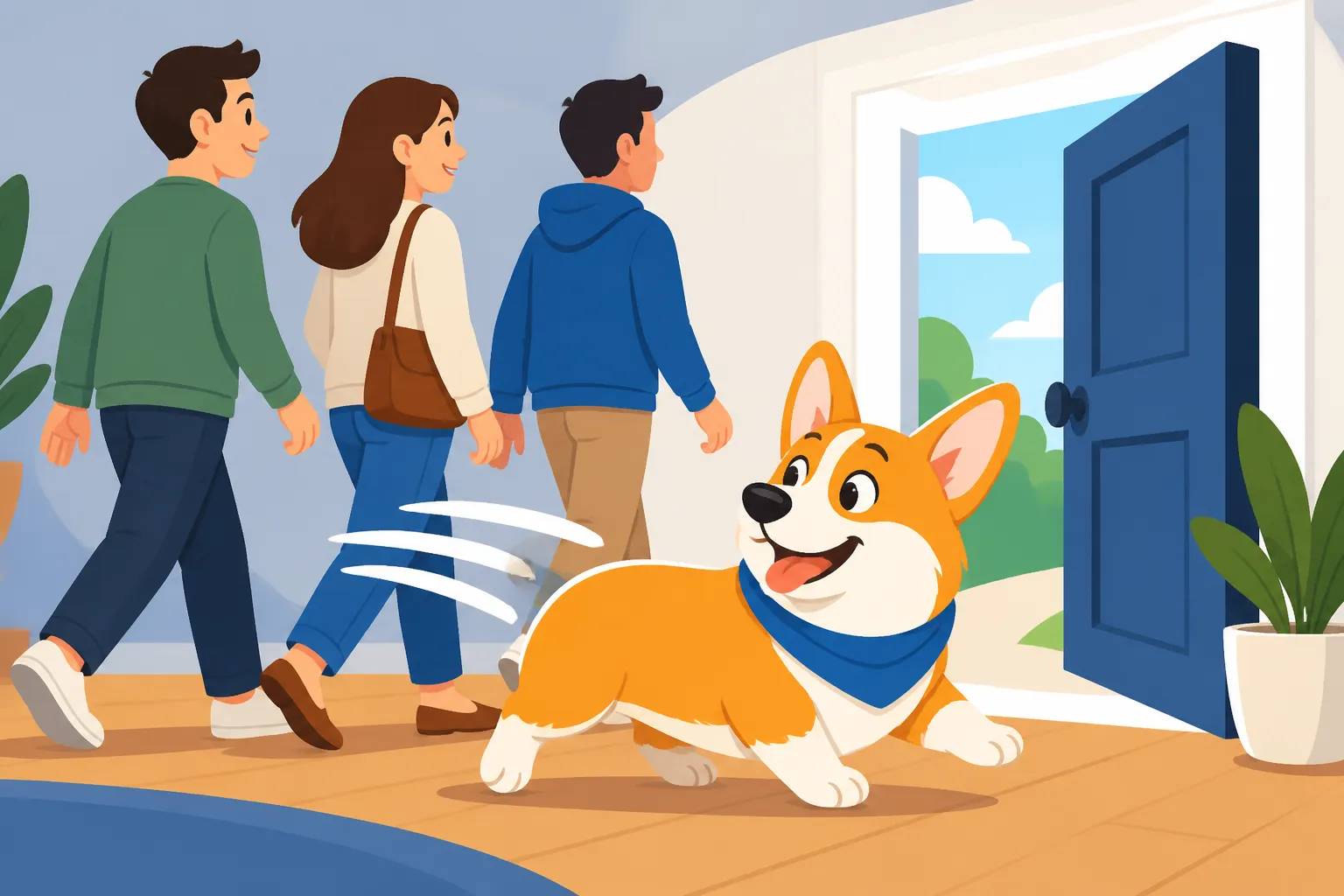
It's a scene many Corgi owners know all too well: the doorbell rings, your heart races a little, and before you can even greet your visitor, your charming, low-riding herder is already circling their ankles, perhaps even giving a little "love nip" as they try to guide your guest… straight out the door. This can be embarrassing, frustrating, and even a bit painful for your friends and family. This guide is here to help you understand why your Corgi feels the need to herd your guests and, more importantly, how to gently and effectively redirect this deeply ingrained behavior into more polite forms of greeting.
Why Your Corgi Thinks Guests Need Herding
Corgis, whether Pembrokes or Cardigans, were bred for a very specific job: moving cattle by nipping at their heels. They're short and agile, making them excellent at ducking under kicks and guiding much larger animals where they need to go. This isn't just a quirky habit; it's thousands of years of selective breeding manifesting right there in your living room. When a Corgi sees a moving object, especially one that isn't moving in the "correct" direction (in their mind), their instinct kicks in. They're not being rude; they're literally doing what they were born to do.
The Deep-Rooted Herding Instinct
Imagine being a Corgi, seeing a large, unfamiliar person enter your territory, moving unpredictably. To your dog, this isn't a friendly visit; it's a herd animal gone astray that needs to be brought into line or, perhaps, moved along. Their natural inclination is to use their body, their voice, and sometimes their mouth, to control that movement. It's a powerful drive, and simply telling them "no" without providing an alternative is like asking a fish not to swim. This instinct is why you might see your Corgi trying to "herd" children, other pets, or even you, especially when you're moving quickly or doing something unexpected. It’s their way of trying to maintain order in their world. You can read more about The Cattle-Driving Nip a Corgi Still Has to understand this behavior better.
Interpreting Human Movement
For us, a guest walking through the door is normal. For a Corgi, it's a dynamic situation. They might interpret varied gaits, arm movements, or even someone carrying a bag as signals to engage. When a guest walks away from them, it can trigger the chase-and-herd response. If a guest tries to step over them or moves too quickly past them, the Corgi might see it as a challenge or an opportunity to direct. They aren't trying to be aggressive; they're simply responding to stimuli through the lens of their ancestral job. They don't understand that Aunt Carol just wants to get to the couch for a cup of tea; they only see a large, wandering "cow" that needs managing.
Territoriality and Protection
While the primary drive is herding, there can also be an element of territoriality or perceived protection involved, especially if your Corgi isn't well-socialized or feels a bit anxious about new people. If they view your home as their den, and you as their primary "herd," a stranger entering can be seen as an intrusion. The herding behavior then becomes a combination of "get in line" and "get out of my space." This is often accompanied by increased barking or a stiffer body posture. It's important to differentiate between playful herding and anxiety-driven reactions, as the latter might require a slightly different approach to build confidence and positive associations with visitors.
Decoding Your Corgi's Herding Tactics
Corgi herding isn't always a full-on nip. It manifests in various ways, from subtle nudges to more overt actions. Recognizing these different tactics is the first step in addressing them effectively, so you can intervene before it escalates or becomes a habit.
The Classic Corgi Nip and Ankle Biting
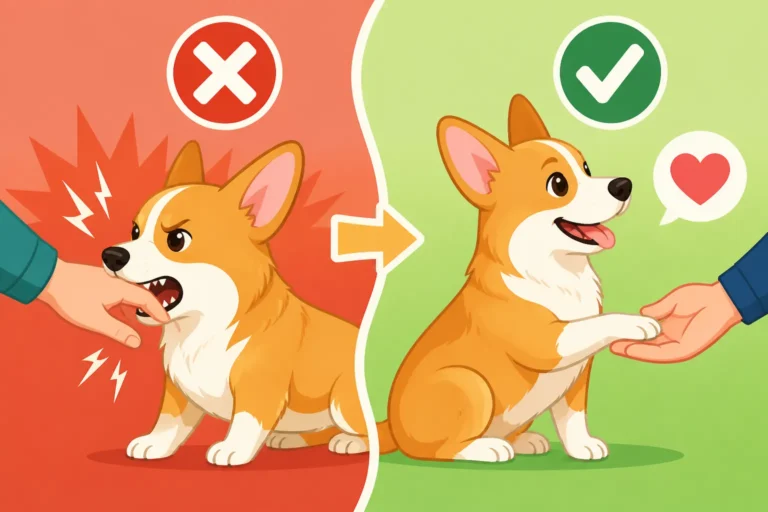
This is probably the most famous (or infamous) Corgi herding tactic. Your Corgi will often approach from behind or the side, aiming for the ankles or lower calves. It’s typically a quick, sharp nip, not meant to break skin but rather to startle and direct. It’s a very effective cattle-herding technique, but utterly unacceptable for human guests. Sometimes, it's accompanied by excited yips or barks, almost like they're saying, "Hey, you! Over here! Move!" This is often the point where guests might get uncomfortable, and you, as the owner, might feel a flush of embarrassment. If your Corgi is grabbing trouser legs, you'll want to focus on redirecting that specific action, as covered in A Corgi That Grabs Trouser Legs.
Circling and Body Blocking
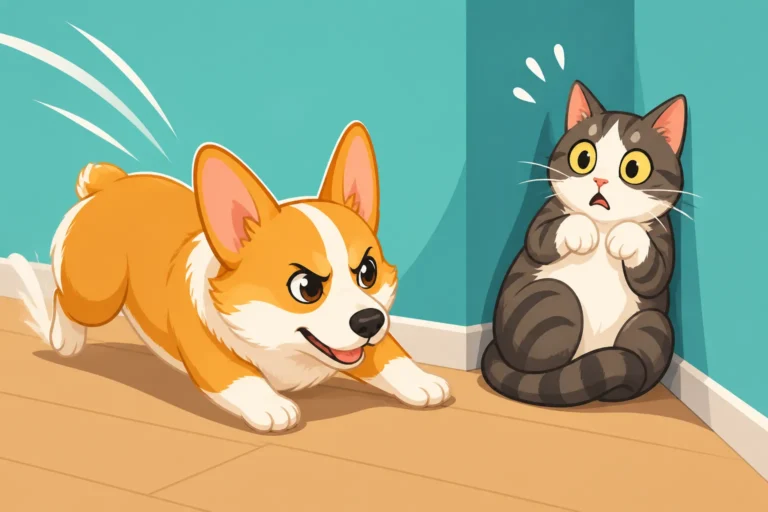
Before a nip, or sometimes instead of it, your Corgi might start circling your guest. They're trying to funnel them, to control their movement by physically putting themselves in the way. Imagine a tiny sheepdog trying to gather a flock; that's essentially what your Corgi is doing. They might run in wide arcs around your guest, gradually tightening the circle until the person is effectively "contained" or steered in the Corgi's desired direction. This can be disorienting for guests and can make them feel trapped or unsure where to step. It's a non-verbal command from your Corgi to "move this way, not that way."
The Barking Barrage
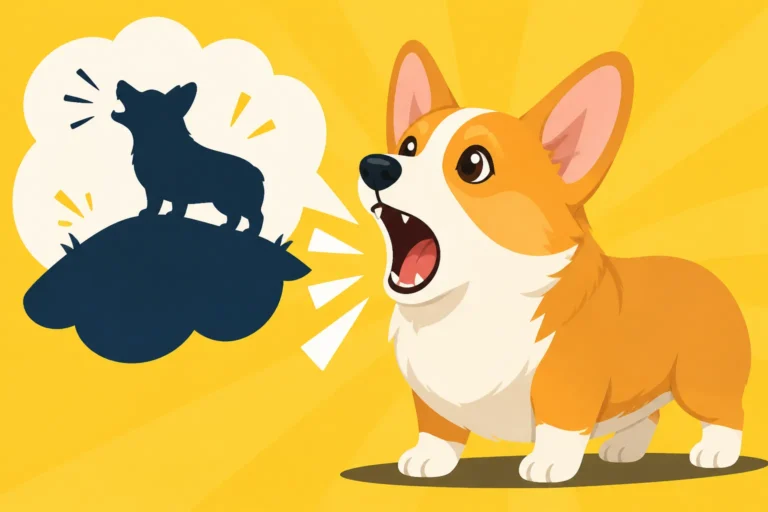
Alongside the physical maneuvers, many Corgis will employ their vocal cords. A persistent, sharp bark, often combined with the circling or nipping, is their way of amplifying their commands. It's not usually an aggressive bark, but more of an insistent, bossy, "I'm in charge here, and you need to listen!" bark. This can be overwhelming for guests, especially those not used to dogs, and can make the situation feel more confrontational than it truly is. While Corgi Barking and How Much Is Normal can give you an idea of general vocalizations, this specific type of barking is a tool in their herding arsenal.
Table: Corgi Herding Behaviors and Their Human Equivalents
To help visualize how your Corgi might be perceiving and acting, here's a quick comparison:
| Corgi Behavior | What It Looks Like | Why They Do It | Human Equivalent |
|---|---|---|---|
| Ankle Nipping | Quick, sharp grab at ankles/calves | Instinct to move herd animals; attention-seeking | A quick tap or nudge to get someone to move |
| Circling/Body Blocking | Running in arcs around legs, getting in the way | To control direction of movement, funnel | Physically guiding someone with your hands or body |
| Persistent Barking | Sharp, insistent barks directed at person | Vocal command to move, assert control | Shouting instructions to someone moving slowly |
| Nose Nudging | Gentle bump with nose or head | Subtle direction, 'move along' | A light push or bump to indicate direction |
| Staring/Intense Gaze | Fixed stare, often combined with low body posture | Attempt to control movement with presence, 'freeze' | A stern look to get someone to stop what they're doing |
Actionable Steps to Redirect Corgi Herding Behavior
Dealing with a Corgi who herds guests requires a multi-pronged approach: managing the environment, training alternative behaviors, and consistent reinforcement. It's not about stopping their instinct entirely, but about channeling it appropriately.
Pre-Emptive Management When Guests Arrive
The key to success often lies in prevention. Before your guests even step foot inside, have a plan. This might mean having your Corgi on a leash with you by the door, or even securing them in another room with a favorite chew toy.
Using Leashes and Gates
One of the simplest and most effective initial strategies is to keep your Corgi on a leash when guests first arrive. This gives you immediate control and prevents the herding from even starting. You can attach the leash to your belt or have a designated spot where your Corgi can greet calmly, with you present to manage their excitement. Baby gates are also incredibly useful. You can set up a gate a few feet inside the entryway, creating a safe zone for your Corgi where they can see and hear the guests without being able to actively herd them. This allows them to observe and calm down before a controlled introduction. Brands like Amazon offer a wide variety of sturdy indoor pet gates that can be easily installed and moved. When choosing a gate, make sure it's tall enough that your Corgi can't simply jump over it, and secure enough that they can't push it aside. Consider a walk-through gate for convenience, especially if it's a high-traffic area.
Creating a "No-Herd Zone"
Designate a specific area in your home where your Corgi is not allowed when guests are first present. This could be a crate, a gated-off room, or simply a spot on their bed that they are trained to go to on command. Teach them a "place" command long before guests arrive, rewarding them heavily for staying there. When a guest comes, send your Corgi to their "place" with a long-lasting chew toy. This gives them something positive to focus on and removes the opportunity for undesirable behavior. Over time, as they learn to greet calmly, you can gradually increase their freedom, but always start with maximum control.
Training Alternative Greeting Behaviors
Instead of herding, teach your Corgi what you do want them to do when a guest enters. This requires patience and consistency.
The "Sit and Stay" Command
This is foundational. Practice "sit" and "stay" diligently in calm environments, then gradually introduce distractions. When the doorbell rings, or someone knocks, immediately ask your Corgi to "sit" and "stay" a few feet away from the door. Reward them for holding the position. If they break, calmly reset and ask again. You might need someone to play the "guest" initially so you can practice this many times. The goal is for your Corgi to associate the arrival of guests with being calm and receiving a reward, rather than the excitement of herding. This builds their impulse control and helps them Stop a Corgi From Circling People.
"Go to Your Mat" or "Place" Training
As mentioned above, teaching a "go to your mat" or "place" command is incredibly valuable. This involves training your Corgi to go to a specific spot (like a dog bed or mat) and remain there until released. Start by luring them to the spot with a treat, then asking for a "down" or "stay." Gradually increase the duration and distance, always rewarding them generously for compliance. When guests are about to arrive, direct your Corgi to their mat. Give them a special, high-value chew that they only get when guests are over, reinforcing the positive association with staying in their place. Many online training platforms, such as BAXTER & Bella, offer excellent step-by-step guides for teaching "place" commands effectively, complete with video tutorials and support.
Redirecting the Herding Instinct with Toys
Corgis love to work, and their herding drive is powerful. Instead of suppressing it, redirect it. When a guest arrives, have a designated toy (like a soft ball or a tug toy) ready. If your Corgi starts to show signs of wanting to herd, immediately engage them with the toy. Play a short game of fetch or tug away from the guest. This satisfies their urge to chase and interact without them engaging in the unwanted behavior. You can also teach them to herd a specific toy, like a Jolly Ball, into another room, giving them a "job" that doesn't involve your guests' ankles. This is a great way to provide mental and physical stimulation.
Creating a Calmer Corgi-Guest Experience
Beyond direct training, the environment and how your guests interact with your Corgi play a huge role in managing herding behavior.
Educating Your Guests
It's crucial to enlist your guests' help. Most people don't understand the Corgi's herding instinct. Explain to them, before they arrive if possible, that your Corgi has a strong herding drive.
Providing Clear Instructions to Visitors
When your guests enter, ask them to completely ignore your Corgi for the first few minutes. No eye contact, no petting, no talking. This helps to reduce the excitement and allows your Corgi to calm down. Once your Corgi is calm (sitting, lying down, or in their "place"), then your guests can offer a calm greeting, perhaps with a treat you provide. Teach your guests not to run from your Corgi, as this can trigger the chase instinct. If your Corgi starts to nip or circle, instruct your guests to stand still, cross their arms, and look away. This communicates that the behavior won't get a reaction. Your guests are a vital part of the training team, so make sure they understand their role. This proactive approach can make a huge difference, particularly if your Corgi is known for A Corgi That Nips Running Children.
Teaching Guests How to Interact Safely
If your Corgi is prone to nipping, teach your guests how to safely offer a hand (palm up, flat) for sniffing, and where to pet (chest or shoulder, avoiding the head initially). Remind them that sudden movements can be startling. For children, close supervision is non-negotiable. Teach children to be "trees" – standing still and quiet – if the Corgi gets too excited. Never leave a Corgi unsupervised with young children, especially if there's any history of nipping. Consistent positive interactions will slowly teach your Corgi that guests are not "herd animals" but sources of calm attention and good things.
Environmental Adjustments for Success
Sometimes, simply changing the physical layout or routine can make a big difference.
Using Ramps and Elevated Beds
While not directly related to herding guests, ensuring your Corgi's physical comfort and safety in the home can reduce anxiety that might contribute to reactive behaviors. Corgis are prone to back issues, and jumping on and off furniture can exacerbate this. Providing ramps or steps for sofas and beds can minimize strain, and an orthopedic bed gives them a comfortable, stable resting spot. A comfortable, less anxious Corgi is often a calmer Corgi all around. Ramps also prevent the dramatic "leap from the sofa" when a guest walks by, which can sometimes precede a herding attempt. Having Ramps and Steps That Save a Corgi's Back is beneficial for overall well-being.
Creating Designated Safe Spaces
Ensure your Corgi has a designated "safe space" in the home – a crate, a comfy bed in a quiet corner, or a gated-off room – where they can retreat if they feel overwhelmed. This is particularly important if you have frequent visitors or lively gatherings. Teach them that this space is their sanctuary, a place where they won't be bothered. This allows them to self-regulate and choose to disengage from the potentially stressful situation of new people. Having such a space available also helps with Living With a Corgi Ordered to Rest, if that ever becomes necessary.
Consistency and Patience
Changing an ingrained instinctual behavior takes time and consistency. There will be setbacks. Your Corgi won't learn overnight. Every family member needs to be on board with the training plan, and every guest encounter should be treated as a training opportunity.
It’s easy to get frustrated, but remember that your Corgi is simply acting on powerful instincts. Your job is to guide them, patiently and kindly, to more socially acceptable behaviors. Celebrate small victories, like a calm "sit" for five seconds, or a guest being able to walk past without a chase. Over time, with dedication, your Corgi can learn that guests are a source of positive interactions, not a herd to be managed.
Disclaimer
This article is for general informational purposes only and does not constitute professional advice. Laws, prices and regulations vary by location and change over time. Consult a qualified professional for guidance on your specific situation.