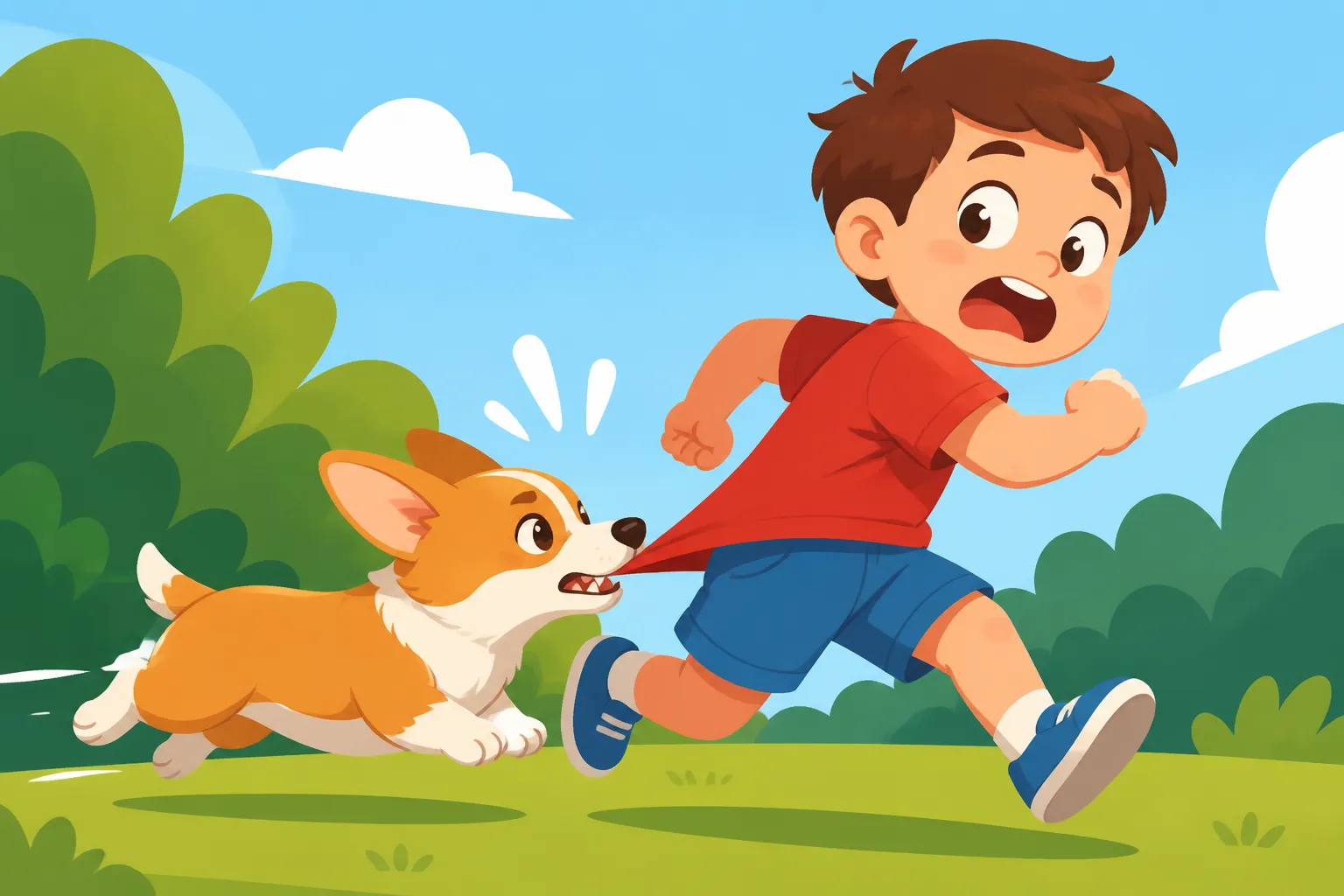
A Corgi Nipping at a Running Child
It's a scene many Corgi owners with kids know all too well: a child dashes across the room, full of joyous energy, only for your Corgi to lunge and nip at their heels or ankles. This can be incredibly frustrating, startling, and even a little scary, leaving you wondering why your usually sweet companion suddenly seems to be herding your child like a rogue sheep. This guide will help you understand the deep-rooted instincts behind this behavior and provide actionable strategies to manage, redirect, and ultimately prevent your Corgi from nipping at running children, ensuring a safer and happier home for everyone.
The Herding Instinct: Why Corgis Nip at Running Children
Let's be clear: when a Corgi nips at a running child, they aren't being malicious or aggressive in the way a truly dangerous dog might be. This behavior stems directly from their heritage as intelligent, low-to-the-ground cattle dogs. They were bred for centuries to drive livestock by nipping at their heels, guiding them with quick, decisive movements. It's an instinct that runs deep in their very DNA, and it's something many Corgi owners grapple with.
Corgis and Their Ancestral Job
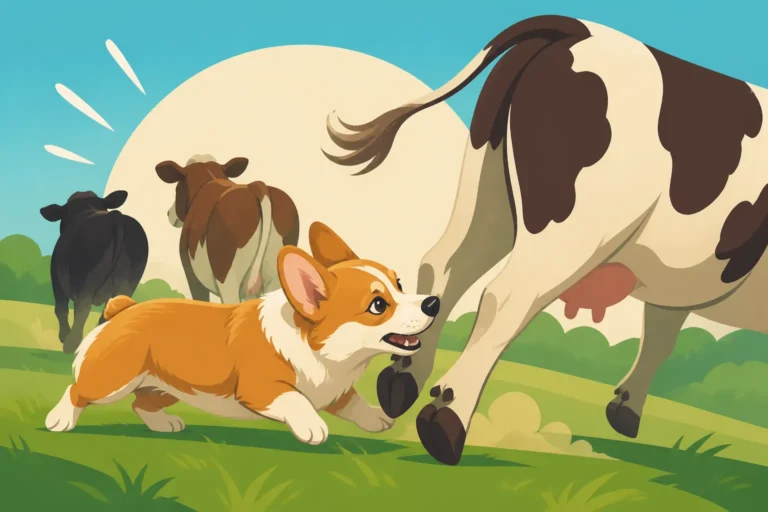
Imagine a vast field, a herd of cows, and a tiny, fearless Corgi. That Corgi’s job was to dart in, nip at the cow's heels, and then duck out of the way before receiving a retaliatory kick. This wasn't about hurting the cow; it was about moving it. The nipping was a communication tool, a signal to "go that way" or "move faster." This powerful instinct is still very much alive in our modern Corgis, even if their "herd" now consists of family members rather than farm animals. It's why this particular breed can be so prone to The Cattle-Driving Nip a Corgi Still Has. They see movement, especially fast, erratic movement like a running child, and their brains light up with a primal urge to control, to gather, to herd.
It’s not necessarily a sign of a poorly behaved dog, but rather a Corgi being a Corgi. They are working dogs, and if they don't have an appropriate outlet for their intelligence and instincts, they will often create their own jobs. Unfortunately, a running child often becomes the perfect "livestock" for a bored or undersocialized Corgi looking to fulfill its innate purpose.
Misunderstanding Play vs. Herding
For us humans, and especially for children, running, squealing, and flailing arms are often signs of joyful play. For a Corgi, these actions can be interpreted very differently. The quick, unpredictable movements, the high-pitched sounds, and the general energy can trigger their prey drive and their herding instinct simultaneously. They aren't trying to injure the child in the way a predatory animal would; rather, they're attempting to "stop" or "redirect" the moving object, just as they would a stray calf.
A child might see a Corgi chasing and nipping as a game, even if it's painful or scary, which can inadvertently reinforce the behavior. If the child runs faster or screams louder, the Corgi might interpret this as successful herding, encouraging them to continue. It’s a classic miscommunication between species, where the dog is acting entirely on instinct and the child is simply being a child. Understanding this difference is crucial because it helps us frame our interventions not as punishing a "bad" dog, but as teaching a Corgi appropriate ways to interact and manage its instincts in a domestic setting.
The "Nip" vs. the "Bite"
It’s important for owners to distinguish between a "nip" and a full-blown "bite." A Corgi’s herding nip is usually quick, shallow, and aimed at the ankles or heels. It's meant to startle and direct, not to cause serious injury, although it can certainly leave a mark, bruise, or break the skin, especially with a sharp puppy tooth. It typically involves an open mouth and a quick snap, rather than a prolonged grip. This is still unacceptable and needs to be addressed, but it's different from an aggressive bite born out of fear, pain, or territoriality.
If your Corgi's behavior goes beyond a quick nip—if they are growling, lunging with stiff body language, or holding on and shaking, or if the bites are severe and unprovoked—you're likely dealing with something more serious than a herding instinct gone awry. In such cases, seeking immediate professional help from a certified dog behaviorist is critical to ensure the safety of everyone in the household. However, for most Corgis, the issue is indeed rooted in their strong herding drive, which can be managed with consistent training and environmental control. For more on this, you might find A Corgi That Nips Running Children a helpful read.
Proactive Strategies: Preventing Nipping Incidents
Prevention is truly the best medicine when it comes to Corgis and nipping behavior. By strategically managing your home environment and teaching both your Corgi and your children appropriate interactions, you can significantly reduce the likelihood of these frustrating incidents.
Environmental Management and Supervision
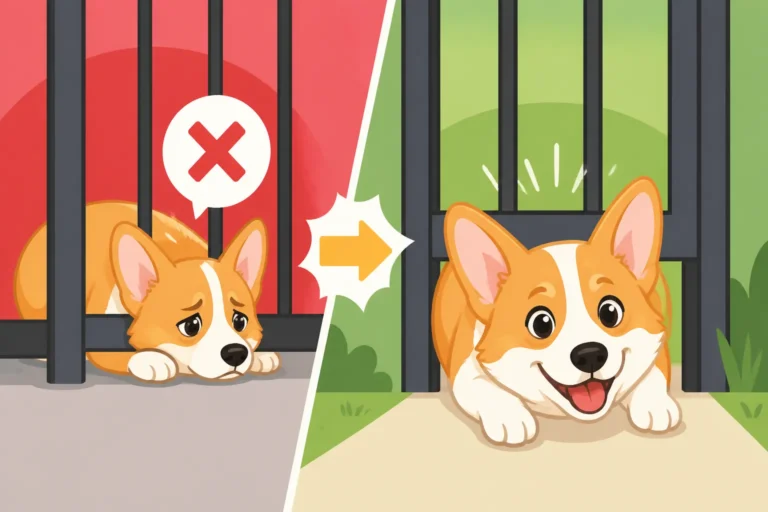
The first line of defense is to control the environment. This means setting up your home in a way that minimizes opportunities for your Corgi to practice unwanted herding behaviors. If your child is running around, and you know your Corgi has a tendency to nip, prevent access. Baby gates, exercise pens, and even careful supervision are your best tools here.
Consider creating "safe zones" for your Corgi where they can retreat or be confined when children are particularly active. This isn't a punishment; it's a management strategy to prevent a problem before it starts. If your children are having a high-energy play session in the living room, your Corgi might be happier and safer in a cozy crate in another room with a long-lasting chew toy. This also teaches your Corgi that sometimes it's okay to be separated and that calm behavior in their safe space is rewarding. You can find a wide variety of sturdy gates and pens on Amazon that can help you section off areas of your home effectively.
Constant, vigilant supervision is also non-negotiable. Never leave a Corgi unsupervised with young children, especially if nipping has been an issue. This doesn't mean you're a bad owner; it means you're being responsible and realistic about your dog's instincts and a child's unpredictable nature. Being present allows you to intervene immediately, redirecting both child and dog, and teaching them how to behave appropriately.
Teaching Children Safe Interactions
Just as we train our dogs, we must also educate our children on how to interact safely and respectfully with dogs. This is particularly vital for Corgis, whose low stature can make them seem like toys, and whose herding instinct is easily triggered. The key is to teach children to avoid behaviors that instigate nipping.
Here are some essential rules to teach children:
- No Running or Screaming Around the Dog: Explain that running and loud noises can make the Corgi excited and want to "play" by chasing. Encourage calm movements.
- "Be a Tree": If the Corgi starts to nip, teach the child to stand still like a tree, cross their arms, and look at the ceiling. This makes them less interesting to "herd" and gives the Corgi less to chase.
- Gentle Petting Only: Show them how to pet gently on the back or chest, avoiding the face or tail. No pulling, grabbing, or roughhousing.
- Respect the Dog's Space: Teach children that when the dog is in its bed, crate, or eating, it needs to be left alone. This helps prevent resource guarding and creates a secure space for your Corgi.
Consistency from all adults in the household is crucial here. If one parent allows rough play and another doesn't, it sends mixed signals to both the child and the Corgi. Reinforce these rules gently but firmly, explaining why they are important. You can find more targeted advice on this in Teaching Children Not to Run From a Corgi.
Meeting the Corgi's Instinctual Needs
A Corgi that has outlets for its energy and instincts is less likely to find inappropriate ways to express them. These are intelligent, active dogs, and ignoring their need for mental and physical stimulation is a recipe for behavioral problems. Simply taking them for a walk around the block often isn't enough to satisfy their keen minds.
Consider engaging in activities that allow your Corgi to use its brain and body in constructive ways:
- Structured Play: Games like fetch, hide-and-seek with toys, or "find it" with treats can be excellent ways to burn energy without triggering herding instincts on children.
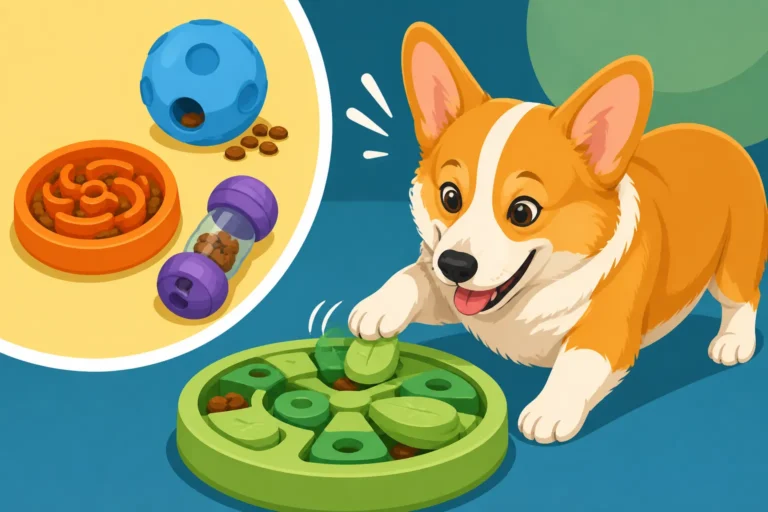
- Enrichment Toys: Puzzle toys, KONGs stuffed with treats, or snuffle mats can keep their minds occupied for extended periods. These are especially useful when you need your Corgi to be settled while children are active.
- Dog Sports: For some Corgis, activities like obedience, rally, scent work, or even modified agility (being mindful of their back health) can provide an incredible outlet. These activities channel their intelligence and drive into tasks you approve of. For ideas on suitable activities, read The Job a Corgi Needs Instead of Herding You.
- Consistent Training: Regular training sessions, even short ones throughout the day, provide mental stimulation and reinforce your bond. A well-trained Corgi is a more manageable Corgi.
By providing these appropriate outlets, you help redirect their inherent desires into activities that are safe, fun, and build a stronger relationship between you and your dog, rather than leaving them to "herd" your family.
Training and Redirecting: Guiding Your Corgi's Behavior
When nipping inevitably happens, or you see the signs it's about to, knowing how to interrupt and redirect effectively is paramount. This isn't about punishment, but about clear communication and teaching your Corgi what you do want them to do instead.
Interrupting and Redirecting the Nipping Behavior
The moment your Corgi begins to nip or even shows signs of gearing up to chase and nip (such as intense staring, low body posture, or sudden bursts of energy towards a moving child), you need to intervene calmly but immediately. The goal is to break their focus and redirect their attention to an appropriate activity.
Here's how to do it:
- Interrupt: A sharp, neutral sound like "Ah-ah!" or clapping your hands can break their concentration. Avoid yelling or scolding, as this can heighten their arousal or make them fearful.
- Separate: Immediately separate the Corgi from the child. This might mean gently leading the Corgi away, stepping between them, or guiding the child to a different area. The goal is to stop the interaction before it escalates.
- Redirection: Once separated, immediately engage your Corgi in an appropriate, high-value activity. This could be a game of fetch with a favorite toy, a short training session with treats, or a puzzle toy. The key is to offer something more rewarding than nipping at the child.
- Reward Calm Behavior: As soon as your Corgi settles into the redirected activity, praise them calmly and offer a reward. This teaches them that calm, non-nipping behavior earns positive attention and treats.
This consistent interruption and redirection teach your Corgi that nipping at children never leads to anything good, but engaging with you in a controlled activity does. For specific methods, consult Redirecting a Corgi Off Ankles.
Positive Reinforcement for Calm Interactions
Positive reinforcement is incredibly powerful for Corgis because they are intelligent and highly food-motivated. You want to reward your Corgi for being calm and disengaged when children are active. This means observing your Corgi closely and acting quickly.
Here’s how to implement it:
- Catch Them Being Good: If your child runs past, and your Corgi remains lying down, or even just looks at you instead of the child, immediately praise them and offer a high-value treat.
- "Go to Your Place" Training: Teach your Corgi a "place" command, where they go to their bed or mat and stay there. Practice this in calm moments, then gradually introduce distractions, including children. When they successfully go to their place and remain calm while children move around, reward them heavily.
- Leash Management: When children are active, keeping your Corgi on a leash (even indoors) can give you more control to prevent nipping. You can then use the leash to guide them away from temptation and reward them for calm attention to you.
- Structured Engagement: Instead of free-for-all play, engage your Corgi in structured games with children that don't involve chasing. Rolling a ball, or having the child offer treats for basic commands (sit, stay) under adult supervision, can foster positive associations.
Online training platforms, like those offered by BAXTER & Bella, can provide step-by-step guidance on these positive reinforcement techniques, offering structured lessons and support to help you manage specific behaviors and build a well-mannered Corgi.
Consistency is Key
This is where many owners struggle, but it's absolutely vital for success with a Corgi. These dogs are smart and can be quite independent. If the rules aren't consistent, they'll quickly figure out what they can get away with and when. This means every adult, and even older children, in the household needs to be on the same page regarding rules, management, and training responses.
A Corgi that gets mixed signals – sometimes allowed to chase and nip, sometimes corrected – will remain confused and the behavior will persist. Establish clear boundaries and stick to them. If the rule is "no nipping at running children," then it must be enforced consistently, every single time. This unwavering approach helps your Corgi understand the expectations and learn that their herding instincts need to be channeled elsewhere. Corgis are intelligent, but they also have a strong sense of self-preservation and efficiency; if one behavior doesn't consistently yield positive results (or consistently yields redirection), they'll eventually try something else. It's not that Why an Independent Corgi Ignores You but rather that they are testing the boundaries.
Table: Proactive vs. Reactive Strategies for Nipping
| Strategy Category | Description | Examples |
|---|---|---|
| Proactive | Steps taken before a nipping incident occurs to prevent it or set the dog up for success. | Environmental management (gates), teaching children rules, providing instinctual outlets. |
| Reactive | Actions taken during or immediately after a nipping incident to stop and redirect the behavior. | Verbal interruption, physical separation, immediate redirection to an appropriate activity. |
| Long-Term | Ongoing training and lifestyle adjustments to build desired behaviors and manage the Corgi's instincts. | Consistent positive reinforcement, "place" training, enrolling in dog sports, professional help. |
Living Safely: Long-Term Management for Families
Managing a Corgi with nipping tendencies, especially in a home with active children, is a long-term commitment. It involves ongoing vigilance, patience, and sometimes, seeking expert help. The goal is to create a harmonious environment where both children and Corgis can thrive safely.
Safe Zones and Crate Training
We touched on environmental management earlier, but it’s worth emphasizing the crucial role of dedicated safe zones and crate training. A crate, when introduced properly, is not a punishment tool but a den—a secure, comfortable space where your Corgi can relax and be safely out of the fray. This is invaluable when you have children visiting, during meal times, or when you simply need a moment of peace without worrying about an incident.
Think of it as a quiet retreat for your Corgi, stocked with a favorite blanket, water, and perhaps a stimulating chew toy. This allows your Corgi to feel secure and gives children clear boundaries: "When the Corgi is in their crate, they are resting and must not be disturbed." Similarly, baby gates around play areas or even the kitchen can provide effective visual and physical barriers, allowing your children to play freely while your Corgi observes calmly from a distance, or is occupied elsewhere. These measures are not just about preventing nipping; they're about preventing stress for both dog and human, and maintaining a positive relationship.
When to Seek Professional Help
Sometimes, despite your best efforts with management and positive reinforcement, the nipping behavior persists or even escalates. This is not a sign of failure on your part, but an indication that you need a different perspective and specialized guidance. Don't hesitate to reach out to a certified professional dog trainer or a veterinary behaviorist.
A professional can:
- Assess the Situation: They can observe your Corgi's behavior in context, identifying specific triggers and underlying motivations that you might miss.
- Develop a Tailored Plan: They can create a customized training plan that addresses your Corgi's individual personality and the dynamics of your household.
- Teach Advanced Techniques: They can teach you more advanced handling skills, leash work, and behavior modification techniques that are effective for stubborn Corgis.
- Address Underlying Issues: In some cases, persistent nipping might be linked to anxiety, fear, or even pain. A veterinary behaviorist can help rule out medical causes and prescribe appropriate interventions.
Investing in professional guidance can be transformative for your family's safety and peace of mind. They can offer insights into Trainer Rates for a Corgi That Nips and help you decide if a specialist is right for you.
Integrating Training into Daily Life
Training a Corgi to stop nipping running children isn't a one-and-done event; it's an ongoing process that needs to be woven into the fabric of your daily life. Every interaction is a training opportunity. This means being mindful of how you and your children move, react, and engage with your Corgi every day.
- Practice Calmness: Regularly practice moments of calm with your Corgi. This could be sitting together quietly, practicing "stay" while you move around, or simply rewarding them for relaxing near you.
- Controlled Introductions: When children are present, facilitate controlled, positive interactions. This might involve your child gently offering a treat to your Corgi when it's calmly lying down, or participating in a short, supervised game of fetch.
- Review and Reinforce: Periodically review the rules with your children and reinforce positive behaviors from your Corgi. Celebrate small victories, like your Corgi ignoring a running child, with praise and treats.
- Never Give Up: Some Corgis will always retain a strong herding instinct. The goal isn't necessarily to eradicate the instinct entirely, but to teach them acceptable ways to channel it, ensuring the safety and happiness of everyone in your home. Remember that building new habits takes time and repetition, so patience and perseverance are your most valuable assets.
By proactively managing the environment, teaching appropriate interactions to both your dog and children, and consistently reinforcing desired behaviors, you can successfully navigate the challenges of a Corgi's herding instinct. This dedicated effort will lead to a more harmonious household where your beloved Corgi and your children can coexist happily and safely.
Disclaimer
This article is for general informational purposes only and does not constitute professional advice. Laws, prices and regulations vary by location and change over time. Consult a qualified professional for guidance on your specific situation.