A Corgi Herding the Family Cat
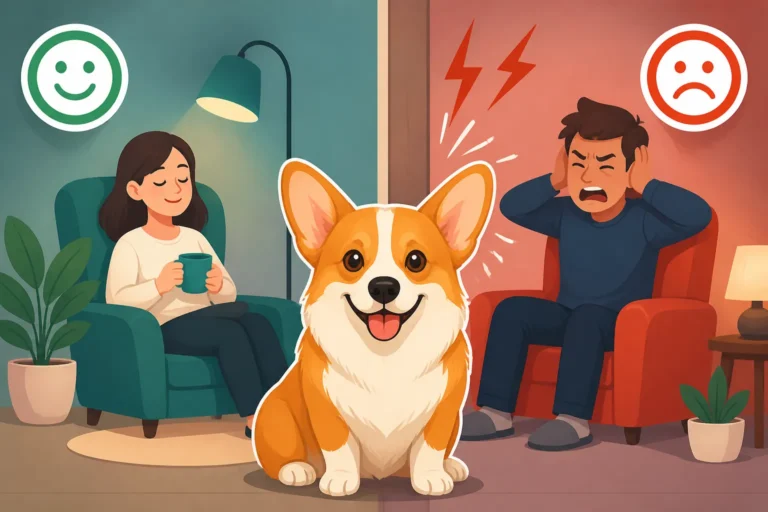
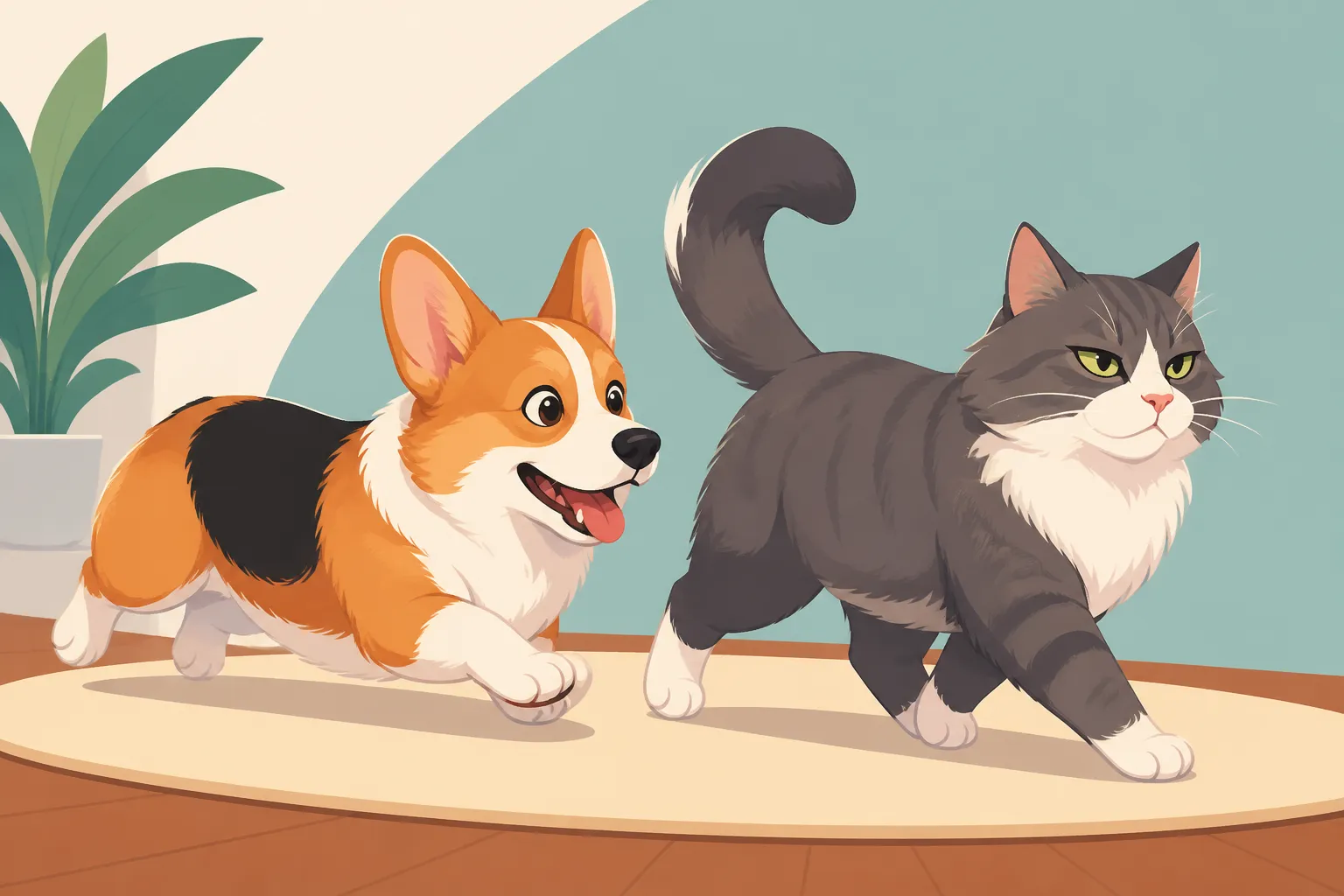
It's a scene many Corgi owners know all too well: your energetic, low-riding companion suddenly decides the family cat is merely a furry, four-legged sheep in need of some diligent herding. This persistent circling, nudging, and occasional nipping at the heels can turn your peaceful home into a battlefield, leaving your cat stressed and you, the owner, utterly bewildered and frustrated. This comprehensive guide will delve into the deep-seated instincts driving this behavior and provide practical, empathetic strategies to manage and redirect your Corgi's herding drive, fostering a much calmer, happier coexistence for everyone under your roof.
The Root of the Corgi Herding Instinct
Let's be real, a Corgi isn't doing this to be malicious; they're simply being exactly who they were bred to be. Understanding this fundamental truth is the first step toward managing the behavior without becoming overly frustrated with your otherwise adorable, fluffy friend. It's not personal, it's genetic.
Tracing the Ancestry: Why Corgis Herd
Corgis, both Pembroke and Cardigan, were originally developed in Wales as herding dogs, specifically for cattle. Their low stature wasn't just cute; it was a strategic advantage, allowing them to nip at the heels of stubborn cattle without getting kicked in the face. This instinct is incredibly strong, deeply ingrained in their DNA, and it's what makes them such intelligent, driven, and sometimes, bossy little dogs. They see movement, and their brain says, "Round it up!" Your cat, with its swift movements, darting antics, and independent nature, can look a lot like a runaway calf to a Corgi that's simply trying to fulfill its ancient purpose. It's a testament to their heritage that even generations removed from a working farm, that instinct still bubbles to the surface.
This isn't just about a desire to play; it's a deep-seated drive. When your Corgi starts to stalk, circle, or nip at your cat, they are literally engaging in the same behaviors their ancestors used to control livestock. They might lower their head, eye the cat intently, then move in a sweeping arc to gather the cat. Sometimes, they'll deliver that characteristic The Cattle-Driving Nip a Corgi Still Has, a quick grab at the hocks or tail. While it might look aggressive to us, in their mind, they're just doing their job. It's important for us as Corgi owners to appreciate this powerful genetic programming and recognize that simply telling them "no" without providing an alternative often falls on deaf ears. They're hardwired for this, and it won't just disappear.
When Instinct Becomes a Problematic Habit
While the instinct itself isn't inherently bad, when directed inappropriately towards a housemate, it can quickly become a serious issue. The casual "rounding up" can escalate into persistent harassment, especially if the cat reacts by running, which only fuels the Corgi's drive. This is where a natural, albeit misplaced, instinct turns into a problematic habit that can lead to stress, fear, and even injury for your feline friend. The constant pressure can wear down even the most tolerant cat, leading to hiding, avoidance, or even aggressive defensive behaviors.
A Corgi that views the cat as "something to be moved" can create a home environment where the cat feels constantly hunted. This isn't just about physical interaction; the mental stress on a cat living with a persistent herder can be immense. Owners often describe their Corgi being relentless, seemingly unable to disengage from the "hunt" once it starts. This isn't about the Corgi being "mean," but rather their inability to switch off that powerful herding switch without proper guidance and redirection. If left unchecked, this habit can undermine the relationship between your pets and create deep-seated behavioral issues for both animals.
Understanding the Cat's Perspective and Safety
It's crucial to remember that while your Corgi is simply acting on instinct, your cat is experiencing genuine stress and potentially fear. Cats are often perceived as aloof, but they are incredibly sensitive creatures, and constant harassment from a herding dog can have significant negative impacts on their well-being.
Signs Your Cat Is Stressed by Herding
Cats communicate stress in subtle and not-so-subtle ways. If your Corgi is constantly herding, you'll likely see a change in your cat's behavior. Look for signs like increased hiding, spending more time on high shelves or in rooms inaccessible to the Corgi, or avoiding walking through open spaces. A stressed cat might also show changes in appetite, grooming habits (either over-grooming or neglecting themselves), or litter box etiquette, potentially having accidents outside the box. They might become more vocal, hissing or growling more frequently, or, conversely, become withdrawn and quiet.
Another common indicator is body language. A cat being herded will often flatten its ears, tuck its tail, puff its fur (piloerection), or display a rigid, tense posture. They may hiss, spit, or swat at your Corgi as a warning. If your cat is consistently running and hiding whenever your Corgi enters a room, it's a clear signal that the herding behavior is causing significant distress. It's not just an inconvenience; it's impacting your cat's quality of life, and it's our responsibility as pet parents to address it. Understanding these signals is paramount to intervening effectively and preventing further escalation.
The Line Between Playful Nipping and Real Risk
It's easy for us to rationalize a Corgi's nipping as "just playing," especially when they often appear to be having fun. However, for a cat, that nip can be genuinely painful or frightening. While Corgis are generally not aggressive dogs, their herding nips are designed to move livestock, and they can certainly leave bruises or break skin on a more delicate animal. A cat's tail, legs, or even ears can become targets, and repeated nipping can lead to injury, infection, or chronic pain. Think about A Corgi That Nips Running Children; the mechanics are similar, though the intent is purely herding.
Beyond physical injury, there's the psychological toll. A cat that lives in constant fear or agitation is not a happy, healthy cat. If the herding escalates, a cornered cat might lash out, leading to scratches or bites on your Corgi, which can also result in injury and further stress for both animals. The potential for a real conflict grows with every unmanaged herding incident. It's our job to recognize that what might start as an innocent, albeit annoying, display of instinct can quickly cross a line into genuine harm, both physical and emotional, if we don't actively intervene to teach our Corgi alternative behaviors.
Proactive Environmental Management for Harmony
Creating a household where both your Corgi and your cat can thrive requires thoughtful planning and, often, some physical adjustments to your home. Environmental management is your first and most effective line of defense against unwanted herding behaviors.
Creating Safe Havens and Escape Routes for Your Cat
One of the most immediate and impactful things you can do is ensure your cat has plenty of escape routes and safe zones where your Corgi simply cannot reach them. This is vital for reducing your cat's stress levels and giving them a sense of security in their own home. Think vertically! Cats love high places. Invest in tall cat trees, shelves, or wall-mounted perches that your cat can easily jump onto, but your Corgi, with its short legs, cannot. Place these in rooms where herding is most common, like the living room or kitchen. These elevated spots become crucial vantage points and sanctuaries for your feline friend.
Consider baby gates (many available on Amazon are tall and sturdy) that only the cat can navigate, either by jumping over them or squeezing through a pet door built into the gate. This allows your cat access to "Corgi-free" rooms, like a bedroom or a specific feeding area, where they can eat, sleep, and relax without fear of being herded. Make sure these escape routes are plentiful and always available. A cat that feels trapped is much more likely to panic or become aggressive. By providing these safe havens, you're not just preventing conflict; you're actively promoting your cat's mental well-being and autonomy.
Here's a quick look at how you can set up safe spaces for your cat:
| Safe Haven Type | Description | Corgi Accessibility | Cat Benefit | Example Product/Idea |
|---|---|---|---|---|
| High Perches | Tall cat trees, wall-mounted shelves, tops of bookcases | Low/None | Escape, observation, rest, feeling secure | Multi-level cat tree, wall shelves |
| Gate-Defined Zones | Rooms blocked off by pet gates (with cat door or high enough for cat to jump) | None | Private eating, sleeping, litter box access, calm | Baby gates with cat door |
| Elevated Feeding | Placing food/water bowls on counters, shelves, or cat trees | None | Prevents Corgi access, allows cat to eat peacefully | Cat bowl on a dedicated shelf |
| Enclosed Beds | Cat igloos, covered beds, cardboard boxes in quiet corners | Limited/None | Seclusion, warmth, feeling hidden and safe | Soft cat igloo bed, large box |
Strategic Use of Barriers and Supervision
Beyond permanent safe zones, active management through barriers and direct supervision is key, especially during the initial phases of training. This involves carefully orchestrating interactions and preventing opportunities for the herding behavior to occur in the first place. When you can't actively supervise, physical barriers are your best friend. Those same baby gates used for safe zones can also divide your home, keeping your Corgi in one area while your cat roams freely in another. This prevents the Corgi from practicing the unwanted behavior and gives both animals a break from each other.
Leash supervision is another powerful tool. Even in the house, having your Corgi on a leash tethered to you or a secure object (while you're present and observing) prevents them from running after the cat. This allows you to immediately interrupt any attempts at herding with a verbal cue and redirect their attention. It's not about punishment, but about managing the environment to prevent the behavior from being reinforced. Never leave your Corgi unsupervised with the cat if herding is an issue, especially if there's a risk of injury. This level of diligence might seem intense, but it's crucial for breaking the habit and fostering a positive relationship between your pets.
Enrichment for Both Species to Diffuse Tension
A bored Corgi is a mischievous Corgi, and a mischievous Corgi is much more likely to find "entertainment" in herding the cat. Providing ample mental and physical enrichment for both your Corgi and your cat can significantly diffuse tension and reduce the incidence of herding. For your Corgi, this means plenty of structured exercise, puzzle toys, and training sessions that engage their intelligent minds. A Corgi that gets regular walks, play sessions, and mental stimulation is less likely to seek out the cat for their herding fix. Think about activities like The Job a Corgi Needs Instead of Herding You, such as nose work or fetch, which can be immensely satisfying for their working breed brain.
For your cat, enrichment can include interactive toys, regular play sessions with you using wand toys (which also helps build their confidence), and opportunities to "hunt" for food in puzzle feeders. A confident, well-exercised cat is also better equipped to handle interactions, and a busy cat is less likely to inadvertently trigger a Corgi's herding instinct by running around frantically. By ensuring both pets have their needs met independently, you create a more balanced household where each animal feels fulfilled and less inclined to bother the other out of boredom or frustration.
Training Strategies to Redirect the Herding Drive
Environmental management goes a long way, but it's not a substitute for training. You need to teach your Corgi what you do want them to do instead of herding the cat. This involves consistency, patience, and positive reinforcement.
Building a Strong "Leave It" and Recall Command
These two commands are your superpowers when managing a Corgi that herds the cat. A rock-solid "Leave It" can interrupt your Corgi just as they're eyeing the cat, or even mid-stride, before the herding escalates. Start practicing "Leave It" in a low-distraction environment with items your Corgi finds interesting but isn't overly obsessed with, like a dropped treat. Once they master it, gradually introduce higher value distractions, eventually working up to having the cat in the room, albeit at a safe distance. The goal is for your Corgi to understand that "Leave It" means disengage from whatever they're focused on, immediately. Teaching a Corgi to Stop on Cue applies directly here.
Equally important is a reliable recall. If your Corgi starts to chase the cat, calling them back to you should be instantaneous and joyful. Practice recall frequently, making it a game with high-value treats and enthusiastic praise. This teaches your Corgi that coming to you is far more rewarding than pursuing the cat. Many owners find BAXTER & Bella's online training programs helpful for building these foundational commands, as their positive reinforcement approach is highly effective for intelligent, but sometimes stubborn, breeds like Corgis. A strong recall allows you to redirect your Corgi before the cat becomes overly stressed and enables you to regain control of the situation quickly and calmly.
Positive Reinforcement for Calm Interactions
The key to changing behavior is to reward the good stuff! When your Corgi is in the same room as your cat and not herding, that's your cue to praise and reward them. This could be simply looking at the cat calmly, ignoring it, or lying down peacefully. Keep high-value treats readily available and offer them immediately when you see this desired behavior. This helps your Corgi associate the cat's presence with positive experiences (treats from you!) rather than a primal urge to herd. Think of it as counter-conditioning.
You might want to start with your Corgi on a leash, in a sit or down-stay, while your cat is at a distance. As your Corgi remains calm, reward them. Slowly decrease the distance over many sessions, always rewarding calmness and ignoring the cat. If your Corgi gets too excited, gently increase the distance again. This slow, steady approach is critical for success. Remember, why a Corgi works for anything but food might be true for some, but for consistency in training, food rewards are often highly motivating. The more your Corgi learns that a calm presence around the cat leads to good things, the more likely they are to choose that behavior over herding.
Channeling Herding Energy into Appropriate Activities
Your Corgi has a powerful herding drive, and it won't simply disappear. The trick is to channel that energy into appropriate outlets. Instead of trying to suppress it entirely, give your Corgi a "job" that satisfies their instinct without involving your cat. Herding balls, for instance, are large, sturdy balls designed for dogs to push and "herd" around a yard. This provides a safe, independent way for your Corgi to engage their natural drive. You can also explore dog sports that tap into their intelligence and energy, such as Agility With a Corgi's Back in Mind, nose work, or even urban herding classes if available in your area.
Engage your Corgi in structured play sessions that involve chasing and retrieving toys, but ensure these games are directed away from the cat. Use flirt poles to simulate the chase without involving a living target. Mental stimulation toys, like puzzle feeders that require your Corgi to work for their food, can also tire them out and reduce their need to seek stimulation elsewhere. By regularly providing these acceptable outlets, you're fulfilling your Corgi's innate needs, making them a happier dog, and significantly decreasing their inclination to view your cat as their next herding project.
When to Call in the Canine Behavior Professionals
Sometimes, despite your best efforts, the herding behavior persists or even escalates. This is not a sign of failure on your part, but rather an indication that you might need specialized guidance from a professional.
Recognizing Escalating Behavior and Cat Anxiety
It's vital to recognize when the situation is moving beyond manageable home training and requires expert intervention. If your cat is exhibiting constant, severe signs of stress—such as excessive hiding, urinating outside the litter box, aggression towards you or the Corgi, or significant changes in appetite or grooming—it's time to get help. Similarly, if your Corgi's herding behavior is becoming more intense, includes actual bites that break the skin, or seems to be causing severe distress to the Corgi itself (e.g., obsessive behavior, frantic energy), professional help is warranted.
Another red flag is when your Corgi seems to be ignoring your commands entirely during herding attempts, despite consistent training. Why an Independent Corgi Ignores You can be a real challenge for owners. This indicates that the drive is overriding their learned responses, and a professional can help you break through that barrier. If the dynamic in your household is constantly tense, or if you feel overwhelmed and frustrated, don't hesitate. A professional can assess the specific situation with an objective eye and identify factors you might have missed.
What a Certified Professional Can Offer
A certified professional dog trainer or a veterinary behaviorist can provide invaluable support. They have the expertise to accurately assess the root cause of the behavior, distinguishing between instinctual herding, territoriality, or even anxiety in your Corgi. They can observe your pets' interactions in your home environment, identify triggers, and develop a customized behavior modification plan tailored to your unique situation. This plan might include advanced training techniques, management strategies, and recommendations for environmental changes.
Many professionals also offer remote consultations, which can be a convenient way to get expert advice. They can help you implement specific exercises to strengthen your Corgi's impulse control around the cat and teach you how to effectively Redirecting a Corgi Off Ankles and other body parts. Furthermore, a veterinary behaviorist can also assess whether any underlying medical conditions or anxiety issues are contributing to your Corgi's behavior and, if necessary, recommend medication as part of a comprehensive treatment plan. Don't be afraid to reach out; a professional's guidance can be the key to restoring peace in your multi-pet home.
Tools and Aids for Ongoing Management
While training is paramount, there are various tools and aids that can support your efforts and help with ongoing management of the herding instinct. A comfortable, well-fitting harness can give you better control over your Corgi on a leash, especially if they are prone to pulling or suddenly lunging towards the cat. Look for harnesses that don't put pressure on their short backs, like those found through careful searching on Amazon, designed for breeds with specific body types. This helps you manage your Corgi's movements without causing discomfort.
Interactive puzzle toys and slow feeder bowls can help occupy your Corgi's mind and body, reducing their boredom and subsequent desire to herd. Similarly, calming pheromone diffusers or sprays, designed for both dogs and cats, can help reduce overall anxiety in your household, making both pets more relaxed and less reactive. For cats, those elevated perches and cat trees are ongoing necessities, ensuring they always have a safe space. Remember, these tools are not a replacement for training but rather valuable components of a holistic strategy to manage and redirect your Corgi's powerful herding instincts for the long term.
Disclaimer
This article is for general informational purposes only and does not constitute professional advice. Laws, prices and regulations vary by location and change over time. Consult a qualified professional for guidance on your specific situation.